
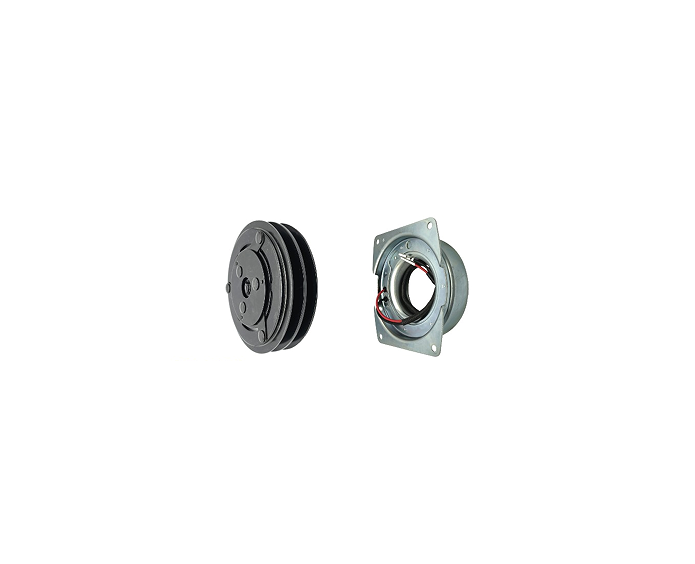
The Hidden Risk Behind Low-Quality AC Clutches
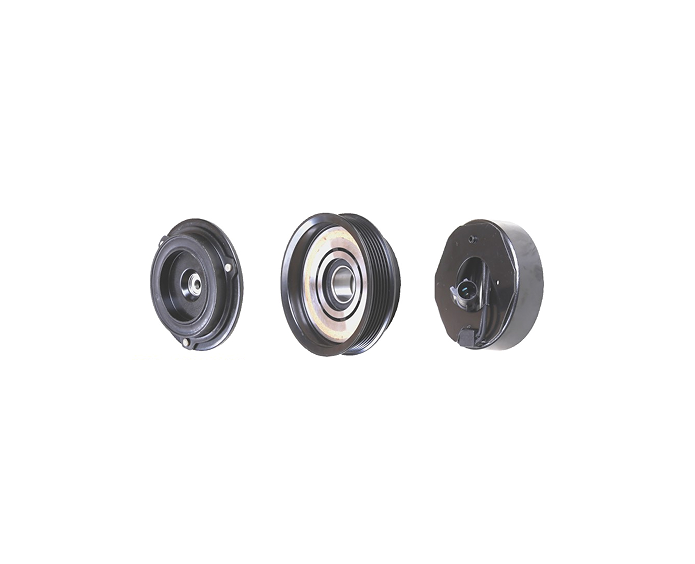
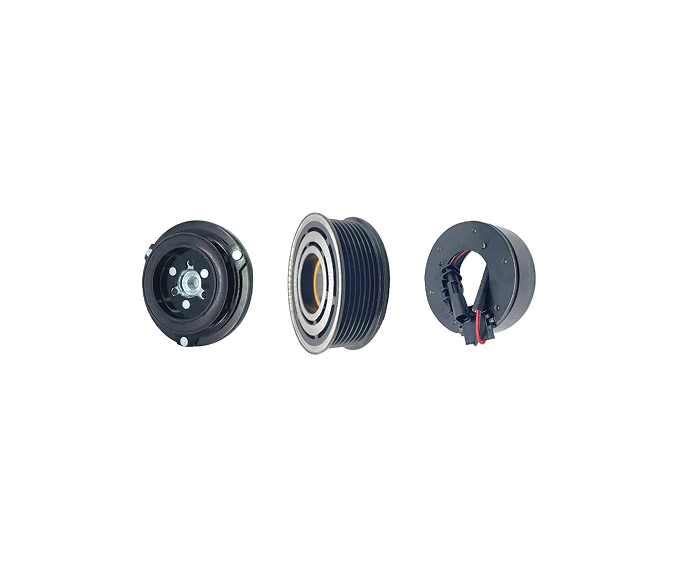
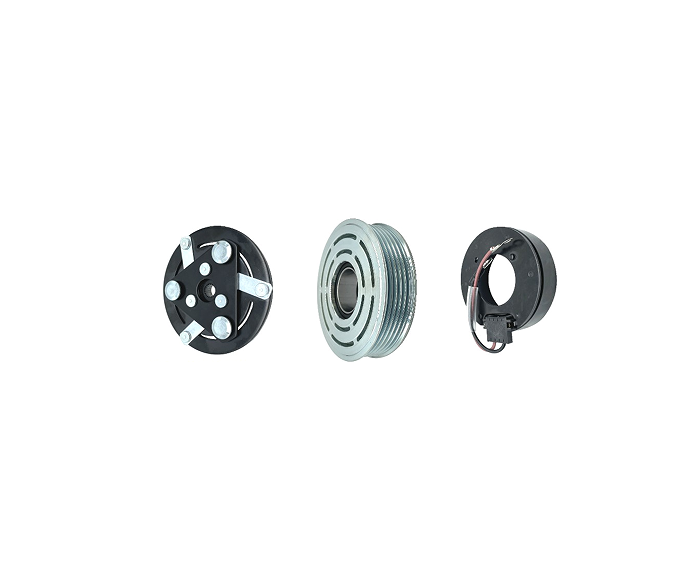
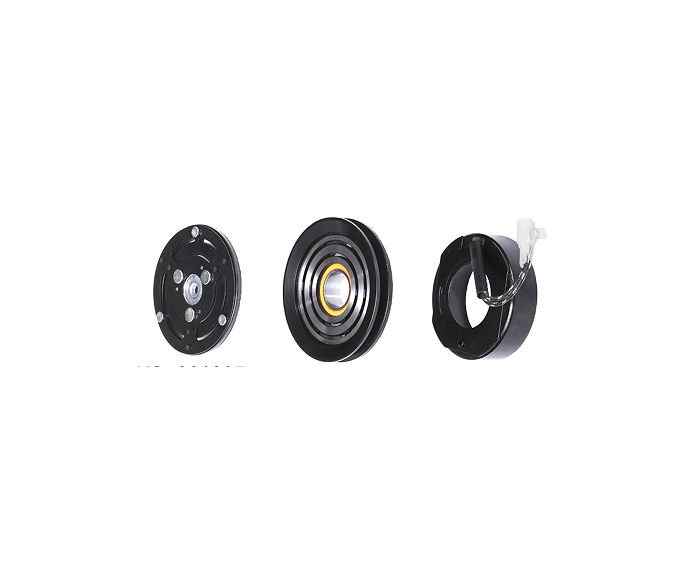
In belt-driven cooling systems, the automotive air conditioner clutch functions as the power transmission gate between engine rotation and compressor activation.
When clutch quality is compromised, the entire air conditioning system becomes vulnerable.
Common failure outcomes include:
- Inconsistent cooling
- Slipping engagement
- Overheated coils
- Bearing noise
- Compressor shaft damage
- Increased fuel consumption
For OEM manufacturers and aftermarket distributors, choosing the wrong clutch is not just a parts issue — it is a reliability risk.
Understanding What “Quality” Really Means in an Automotive Air Conditioner Clutch
Quality is not defined by appearance or price alone. It is defined by performance under stress.
A high-grade automotive air conditioner clutch must withstand:
- Repeated engagement cycles
- High ambient engine bay temperatures
- Continuous pulley rotation
- Sudden load transitions
According to SAE International automotive component performance principles, electromagnetic clutch assemblies must maintain stable torque transmission under dynamic operating conditions.
Durability is measurable — and verifiable.
Key Technical Factors That Separate Premium from Generic Clutches
1. Friction Material Engineering
The friction surface must:
- Maintain stable friction coefficient
- Resist thermal glazing
- Prevent torque slippage
- Withstand high engagement temperatures
Low-grade materials degrade rapidly, leading to premature failure of the automotive air conditioner clutch.
Premium materials ensure consistent engagement even after tens of thousands of cycles.
2. Electromagnetic Coil Reliability
Coil failure is a leading cause of clutch malfunction.
Evaluation criteria include:
- Copper purity and winding density
- Insulation class (Class F or higher recommended)
- Heat resistance up to 155°C+
Compliance with ISO 6722 (Road Vehicle Electrical Wiring Standard) ensures safe operation in high-temperature environments.
Magnetic stability determines engagement smoothness and longevity.
3. Bearing and Pulley Precision
The pulley bearing rotates continuously whenever the engine runs.
Critical performance metrics include:
- Dynamic load rating (ISO 281 standard)
- Low radial runout
- High-temperature grease retention
- Seal durability
Poor bearing quality causes misalignment, which accelerates wear of the automotive air conditioner clutch friction surfaces.
4. Engagement Gap Accuracy
Air gap tolerance affects:
- Magnetic pull strength
- Engagement response time
- Noise control
- Friction wear uniformity
Precision machining improves lifecycle consistency.
Durability Testing: What Buyers Should Demand
Before selecting a supplier, request documentation of:
- 50,000+ engagement cycle testing
- Thermal endurance testing
- Salt spray corrosion testing
- Dynamic balance verification
- Coil resistance stability testing
Reliable suppliers provide traceable testing data rather than generic claims.
A certified automotive air conditioner clutch manufacturer will maintain detailed quality control reports.
Cost vs Quality: The Long-Term Equation
Short-term savings often translate into long-term losses.
Low-quality clutches increase:
- Warranty claims
- Compressor replacements
- Fleet downtime
- Customer dissatisfaction
For fleet operators and OEM manufacturers, investing in a durable automotive air conditioner clutch reduces lifecycle cost.
In many cases, bearing or coil failure is not isolated — it cascades into compressor damage.
Preventive quality selection protects the entire cooling system.
How to Evaluate an AC Clutch Supplier
When selecting a supplier, assess:
- Manufacturing capability (CNC machining, coil winding automation)
- Quality control documentation
- Compliance with ISO/SAE standards
- OEM customization ability
- Production scalability
Avoid suppliers who cannot provide:
- Lifecycle testing reports
- Material specification details
- Traceable production records
Quality transparency reflects manufacturing maturity.
Frequently Asked Questions
Q1: How long should an automotive air conditioner clutch last?
Under normal conditions, a high-quality clutch should last 80,000–120,000 km or more.
Q2: What causes premature clutch burnout?
Common causes include:
- Poor friction material
- Coil overheating
- Excessive cycling
- Bearing misalignment
Q3: Is it better to replace the entire compressor instead of the clutch?
Not necessarily. If diagnosed early, replacing the automotive air conditioner clutch alone can restore system functionality and reduce cost.
Strategic Buying Decision: A Framework
When choosing an automotive air conditioner clutch, evaluate:
- Material durability
- Coil thermal resistance
- Bearing precision
- Testing documentation
- Supplier engineering support
Quality selection is a strategic decision, not just a purchasing decision.
Conclusion: Quality Protects Performance
The automotive air conditioner clutch is a small component with system-wide impact.
Poor quality compromises:
- Cooling stability
- Compressor longevity
- Vehicle comfort
- Operational efficiency
High-quality engineering ensures:
- Stable engagement
- Lower wear
- Reduced noise
- Extended lifecycle
For OEM manufacturers and distributors seeking reliable, tested clutch assemblies, explore:
https://www.gzkasen.com/
For technical consultation or quotations:
https://www.gzkasen.com/contact-us/