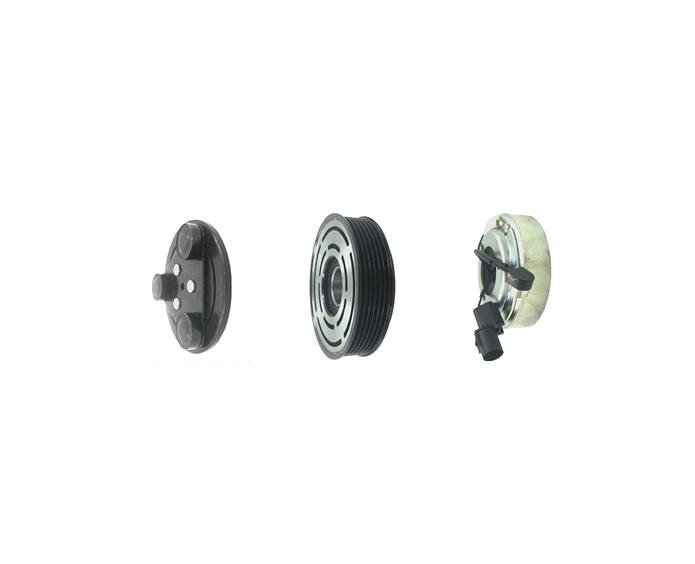

What Is an Air Conditioning Compressor?
An air conditioning compressor is the main mechanical component responsible for compressing and circulating refrigerant inside an air conditioning system.
In automotive applications, the compressor creates the pressure difference required for refrigerant circulation and allows the system to transfer heat away from the passenger cabin.
A complete automotive AC system usually includes:
- Compressor
- Condenser
- Expansion valve
- Evaporator
- Receiver dryer
- Refrigerant circuit
- Control components
Among these components, the compressor is often considered the “power source” of the refrigeration cycle.
For professional buyers, understanding compressor functions is important because compressor selection affects:
- Cooling performance
- Energy efficiency
- System reliability
- Maintenance cost
- Vehicle operating comfort
KASEN specializes in automotive air conditioning components, including compressors, compressor clutches, electric compressors, valves, and bearings. Buyers can explore the complete KASEN automotive AC product range.
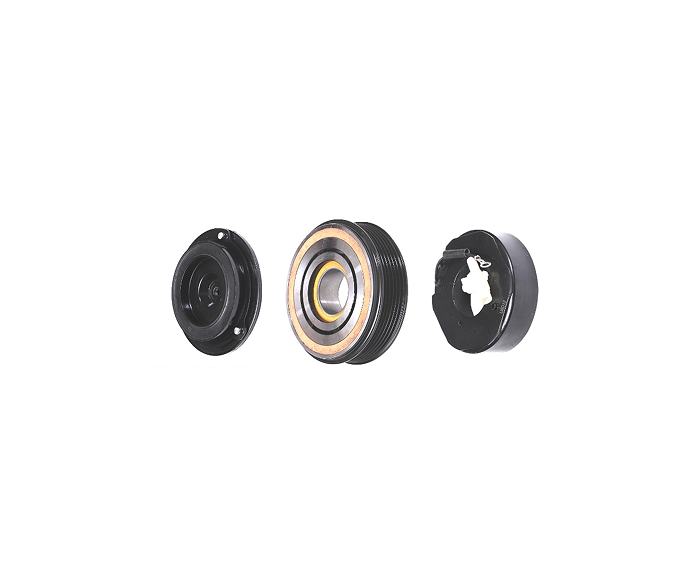
How Does an Air Conditioning Compressor Work?
The compressor works by compressing low-pressure refrigerant gas into high-pressure refrigerant.
The basic cooling process includes:
Refrigerant Compression
The compressor receives low-pressure refrigerant from the evaporator.
It compresses the refrigerant and increases:
- Pressure
- Temperature
- Refrigerant circulation speed
Heat Release
The high-pressure refrigerant moves to the condenser where heat is released.
Expansion Process
The refrigerant passes through expansion components where pressure decreases.
Cooling Process
The evaporator absorbs heat from the cabin air before refrigerant returns to the compressor.
This cycle repeats continuously during AC operation.
For automotive applications, the compressor must maintain reliable performance despite:
- Engine vibration
- Temperature changes
- Limited installation space
- Frequent operation cycles
Why the Compressor Is the Most Important AC Component
A failed compressor can affect the entire cooling system.
Common compressor-related symptoms include:
- Weak cooling
- No cooling
- Abnormal noise
- Compressor not engaging
- Refrigerant circulation problems
However, buyers and repair networks should understand that not every AC problem originates from the compressor.
Other possible causes include:
- Refrigerant leakage
- Electrical faults
- Control valve failure
- Condenser problems
- Incorrect oil
- Poor system maintenance
Professional diagnosis is therefore important before replacing an air conditioning compressor.
Main Types of Air Conditioning Compressors
Different vehicle systems use different compressor technologies.
Understanding compressor types helps buyers select suitable products.
Fixed Displacement Compressor
A fixed displacement compressor delivers a relatively constant amount of refrigerant displacement per rotation.
These compressors are widely used in conventional vehicle AC systems.
Advantages include:
- Mature technology
- Wide aftermarket availability
- Simple replacement process
- Large vehicle coverage
Typical applications:
- Passenger vehicles
- Commercial vehicles
- Trucks
- Buses
Buyers should verify:
- Compressor model
- Mounting
- Pulley
- Clutch
- Refrigerant compatibility
Variable Displacement Compressor
A variable displacement compressor adjusts output according to cooling demand.
Compared with fixed displacement designs, it can provide:
- Improved efficiency
- Better temperature control
- Reduced unnecessary operation
However, it requires more accurate matching.
Important specifications include:
- Compressor family
- Control valve
- Vehicle system
- Electrical control
A visually similar compressor may not function correctly if the control method differs.
Scroll Compressor
Scroll compressors use two spiral-shaped components to compress refrigerant.
Advantages may include:
- Smooth operation
- Compact structure
- Lower vibration
- Efficient performance
They are commonly found in some modern automotive and electric vehicle applications.
When sourcing scroll compressors, buyers should still verify:
- Vehicle platform
- Refrigerant
- Electrical system
- Mounting requirements
Electric Air Conditioning Compressor
Electric compressors are increasingly important in:
- Electric vehicles
- Hybrid vehicles
- New energy vehicles
Unlike traditional belt-driven compressors, electric compressors operate independently from engine speed.
Key specifications include:
- Voltage
- Connector
- Controller compatibility
- Refrigerant
- Lubricant
- Vehicle thermal system
KASEN provides electric compressor solutions for new energy vehicle applications.
Air Conditioning Compressor Applications
Different vehicles require different compressor solutions.
Passenger Vehicle Applications
Passenger vehicles usually focus on:
- Comfortable cabin temperature
- Low noise
- Compact installation
- Energy efficiency
Common buyers include:
- Auto parts distributors
- Repair networks
- Aftermarket brands
KASEN supplies compressors for passenger vehicle applications through its auto AC compressor product range.
Commercial Vehicle Applications
Commercial vehicles often operate longer hours.
Important requirements include:
- Reliability
- Stable cooling
- Easy maintenance
- Continuous availability
Examples include:
- Vans
- Delivery vehicles
- Service vehicles
Truck Applications
Truck AC systems often operate under demanding conditions.
Buyers should consider:
- Long operating hours
- Heavy vibration
- Temperature extremes
- Maintenance cycles
Truck compressor suppliers should provide stable replacement availability because vehicle downtime directly affects operating costs.
Bus Applications
Bus air conditioning systems usually have higher cooling requirements because they serve larger passenger spaces.
Important factors include:
- Cooling capacity
- Reliability
- Fleet maintenance planning
- Long operation periods
Electric Vehicle Applications
EV applications require different compressor considerations.
Buyers need to evaluate:
- High-voltage compatibility
- Vehicle platform
- Thermal management integration
- Electrical communication
Electric compressors should not be treated as simple replacements for traditional compressors.
How to Select the Right Air Conditioning Compressor?
Professional buyers should evaluate several technical factors.
Check Vehicle Application
Confirm:
- Vehicle brand
- Model
- Production year
- Engine
- Market region
A vehicle name alone is often insufficient for accurate matching.
Verify OE Number
OE numbers help identify original applications.
They are useful for:
- Replacement matching
- Cross-reference
- Product identification
However, buyers should combine OE numbers with additional technical information.
Confirm Compressor Model
Compressor models help distinguish:
- Different designs
- Different capacities
- Different control systems
Check Refrigerant Compatibility
Different systems may use different refrigerants.
Buyers should confirm:
- Refrigerant type
- Oil compatibility
- System requirements
Incorrect matching can reduce compressor performance and service life.
Verify Physical Specifications
Important details include:
- Mounting points
- Pulley size
- Belt grooves
- Connector type
- Refrigerant ports
- Compressor dimensions
Key Specifications Buyers Should Compare
| Specification | Why It Matters |
|---|---|
| OE Number | Application identification |
| Compressor Model | Technical matching |
| Refrigerant | System compatibility |
| Oil Type | Lubrication requirements |
| Capacity | Cooling performance |
| Pulley | Belt compatibility |
| Voltage | Electrical matching |
| Connector | Installation compatibility |
| Mounting | Physical fit |
| Vehicle Application | Correct replacement |
OEM vs Aftermarket Air Conditioning Compressors
Professional buyers often compare OEM and aftermarket solutions.
The important question is not simply brand name.
It is whether the supplier can provide:
- Accurate matching
- Stable quality
- Consistent production
- Technical support
- Long-term supply
| Factor | OEM Compressor | Aftermarket Compressor |
|---|---|---|
| Original application | Strong | Requires verification |
| Supplier flexibility | Limited | Higher |
| Private label | Limited | Possible |
| Price flexibility | Lower | Higher |
| Product selection | Limited | Wider |
A qualified aftermarket supplier can provide competitive solutions for distributors and repair markets.
What Should Buyers Ask an Air Conditioning Compressor Supplier?
Before placing bulk orders, buyers should evaluate:
Product Capability
Ask:
- What compressor categories are available?
- Which vehicle applications are supported?
- Are OEM references available?
Quality Control
Ask:
- What inspections are performed?
- How are dimensions controlled?
- How are batches tracked?
Sample Process
Confirm:
- Sample availability
- Approval process
- Bulk production consistency
Supply Capability
Evaluate:
- Production capacity
- Lead time
- Repeat order stability
- Packaging requirements
OEM and Customization Support
Aftermarket brands may require:
- Custom packaging
- Labels
- Product identification
- Drawing-based development
KASEN supports OEM-related requirements and customized solutions. Buyers can learn more on the KASEN About Us page.
Common Mistakes When Purchasing Air Conditioning Compressors
Choosing Only by Price
The cheapest compressor may create additional costs through:
- Returns
- Wrong installation
- Customer complaints
- Warranty claims
Matching Only by Appearance
Similar appearance does not guarantee compatibility.
Important differences may include:
- Internal design
- Control system
- Pulley
- Connector
- Refrigerant
Ignoring Oil Requirements
Incorrect compressor oil can affect:
- Lubrication
- Efficiency
- Compressor life
Buying Without Sample Approval
For bulk purchasing, sample confirmation helps reduce:
- Fitment errors
- Production inconsistency
- Inventory risk
How to Build a Better Compressor Product Range
Distributors should not simply collect as many compressor models as possible.
A better approach is:
High-Demand Products
Stock:
- Popular vehicle applications
- Frequently requested references
- Fast-moving models
Medium-Demand Products
Maintain:
- Limited inventory
- Regular replenishment
Low-Demand Products
Use:
- Supplier inventory
- Special orders
This approach improves inventory efficiency and reduces slow-moving stock.
Why Choose KASEN for Air Conditioning Compressor Supply?
Guangzhou Kasen Auto Air Conditioner Co., Ltd. focuses on automotive AC products and provides:
- Air conditioning compressors
- Compressor clutches
- Electric compressors
- Valves
- Bearings
KASEN supports buyers requiring:
- OEM-related solutions
- Product matching
- Bulk sourcing
- Aftermarket supply
Buyers can explore:
- KASEN Products
- Air Conditioning Compressor Products
- Electric Compressor Solutions
- About KASEN
- Contact KASEN
Frequently Asked Questions About Air Conditioning Compressors
What is an air conditioning compressor?
An air conditioning compressor is the component that compresses refrigerant and drives the cooling cycle in an AC system.
What types of air conditioning compressors are available?
Common types include fixed displacement compressors, variable displacement compressors, scroll compressors, and electric compressors.
How do I select the correct compressor?
Confirm vehicle application, OE number, compressor model, refrigerant, oil requirement, mounting, pulley, and electrical specifications.
Are all compressors interchangeable?
No. Compressors may look similar but differ in technical specifications and application requirements.
Why does an AC compressor fail?
Common causes include incorrect lubrication, refrigerant problems, contamination, electrical issues, and improper installation.
Can I replace only compressor components?
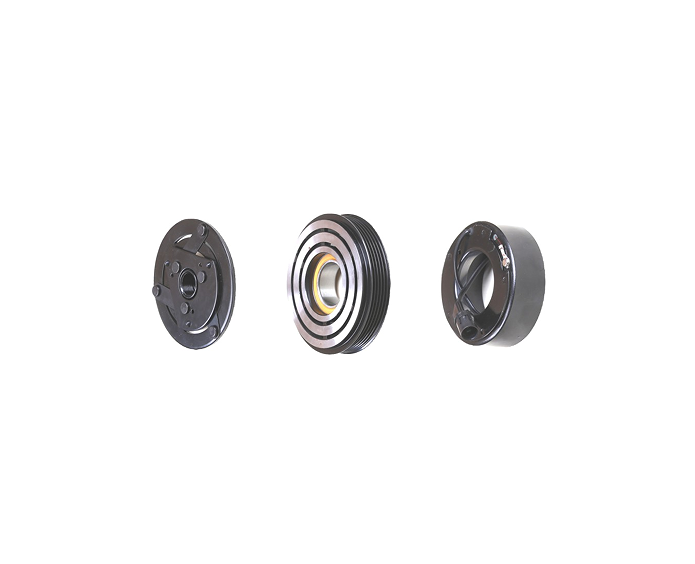
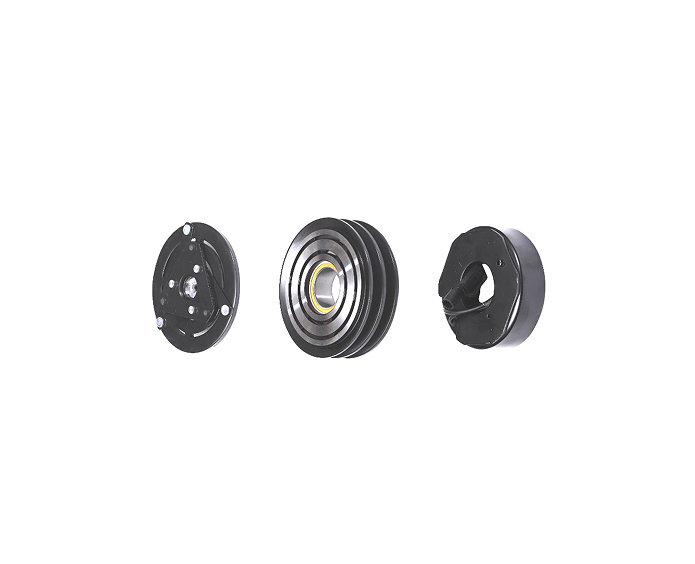
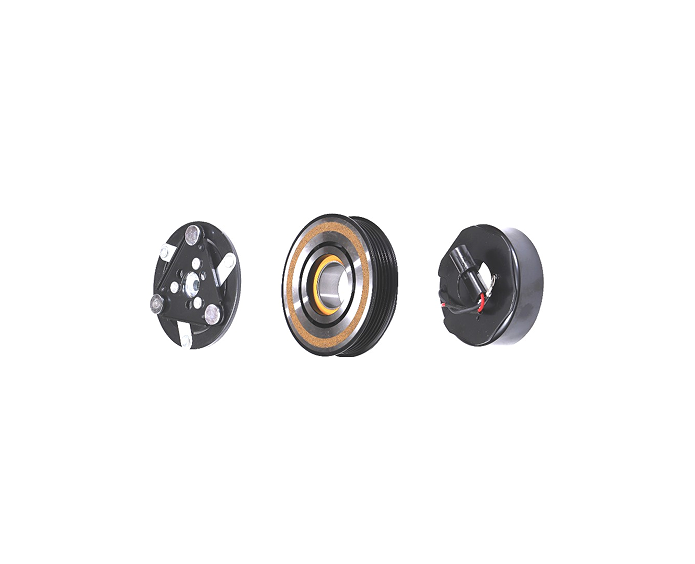
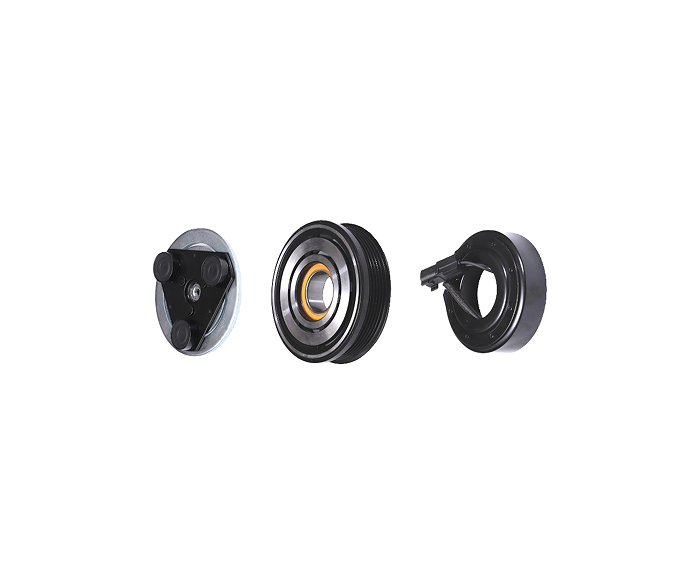
In some cases, components such as clutches, coils, bearings, or valves can be replaced depending on the failure condition.
Are aftermarket compressors reliable?
Reliability depends on supplier capability, quality control, technical matching, and production consistency.
What information should I provide when requesting a quotation?
Provide:
- OE number
- Vehicle details
- Compressor model
- Quantity
- Photos
- Technical requirements
Can suppliers provide OEM compressor solutions?
Many professional suppliers support OEM-related services including product matching, packaging, and customization.
How can I contact KASEN for compressor sourcing?
Send your requirements through the KASEN contact page.
Conclusion
An air conditioning compressor is a critical component that determines the reliability and performance of an automotive AC system.
For distributors, importers, repair networks, and aftermarket brands, successful sourcing depends on more than choosing a compressor by price. Buyers should evaluate compressor type, application compatibility, technical specifications, supplier capability, and long-term supply stability.
KASEN provides air conditioning compressor solutions for global automotive buyers, including conventional compressors, electric compressors, and related AC components.
Explore the KASEN automotive AC product range or contact KASEN for compressor sourcing requirements.