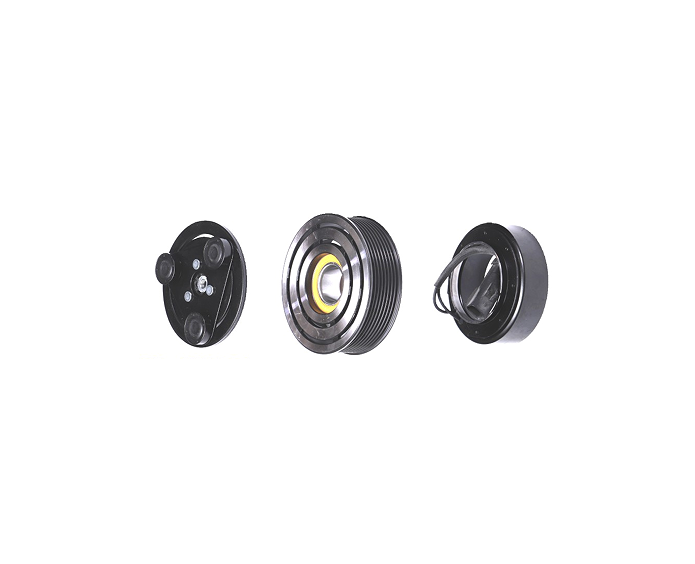

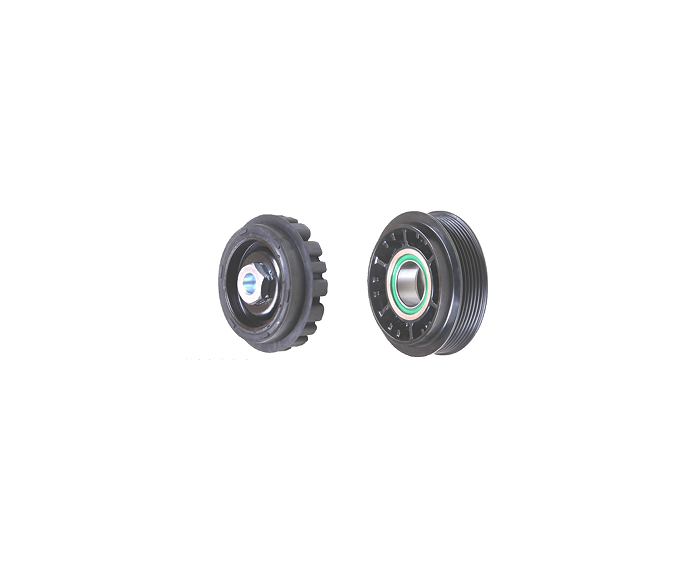
From Basic Engagement to Engineered Precision
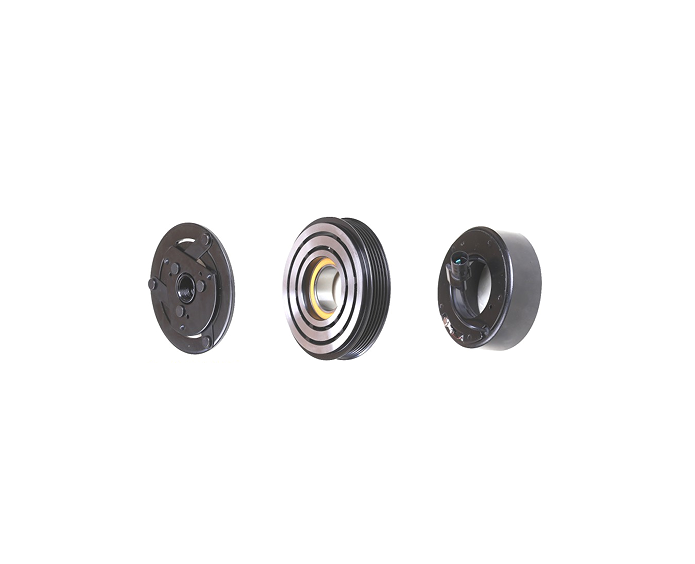
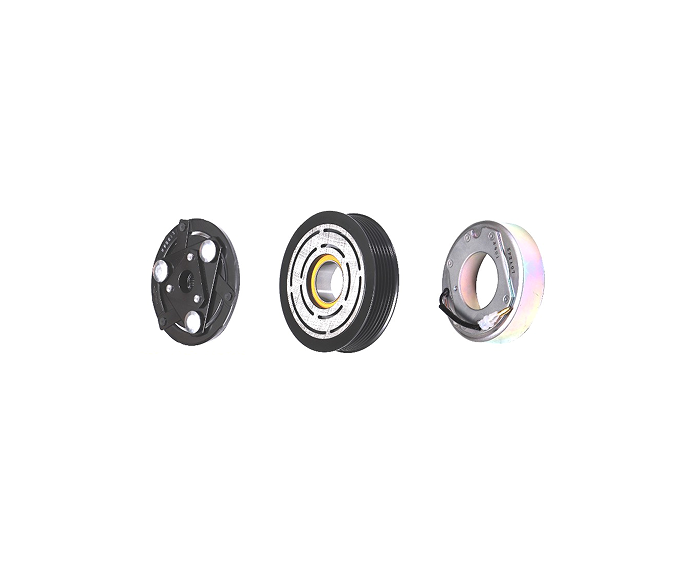
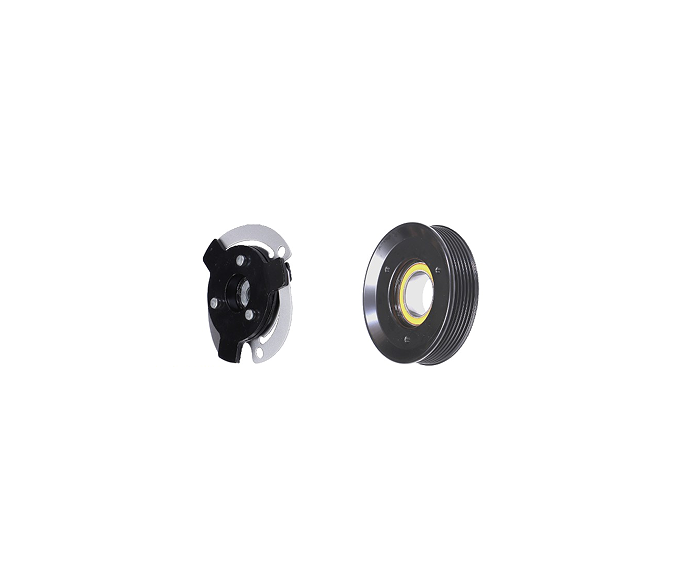
Eighteen years ago, the automotive air conditioner clutch was largely viewed as a functional mechanical component.
Its role was simple: engage and disengage the compressor.
Today, it is a performance-critical subsystem designed for:
- Thermal endurance
- Magnetic stability
- Noise reduction
- Fuel efficiency optimization
- Lifecycle predictability
The transformation did not happen overnight. It occurred through incremental engineering refinements, manufacturing upgrades, and material science innovation.
Phase One (Early Stage): Mechanical Reliability Focus
In the early 2000s, clutch systems prioritized:
- Basic torque transfer
- Acceptable engagement
- Low production cost
Typical characteristics:
- Conventional friction materials
- Standard copper windings
- Basic bearing configurations
- Limited lifecycle testing
Durability standards were less strict, and engagement cycling often caused premature wear.
At that stage, the automotive air conditioner clutch primarily served as a mechanical switch rather than an engineered precision interface.
Phase Two: Thermal Resistance and Material Upgrades
As engine bay temperatures increased due to higher compression engines and emission regulations, heat resistance became critical.
Key improvements included:
- Higher insulation class coils (Class F and H)
- Improved friction compounds
- Enhanced grease stability in bearings
- Better pulley balancing
According to ISO 6722 electrical standards, insulation requirements became stricter to handle elevated thermal environments.
This period marked the shift from basic durability to thermal endurance engineering in automotive air conditioner clutch design.
Phase Three: Magnetic Efficiency Optimization
Magnetic field stability became a defining performance parameter.
Improvements included:
- Optimized coil winding density
- Reduced magnetic loss
- Improved air gap tolerance control
- Faster engagement response
SAE automotive component guidelines increasingly emphasized magnetic consistency and reduced engagement shock.
The automotive air conditioner clutch evolved into a more refined electromagnetic device rather than a simple mechanical part.
Phase Four: NVH and Comfort Refinement
Customer expectations changed.
Noise, vibration, and harshness (NVH) reduction became critical.
Engineering upgrades focused on:
- Dynamic balancing accuracy
- Precision machining
- Friction surface uniformity
- Reduced engagement impact
Modern clutch systems minimize audible engagement clicks and vibration pulses.
This refinement significantly improved cabin comfort perception.
Phase Five: Durability Modeling and Lifecycle Simulation
Manufacturers began adopting:
- 50,000+ engagement cycle testing
- Thermal shock simulation
- Salt spray corrosion testing
- Dynamic load analysis per ISO 281
Lifecycle modeling replaced trial-and-error durability estimation.
Today’s automotive air conditioner clutch systems are validated through controlled stress simulation rather than field-only feedback.
Phase Six: Electrification and Hybrid Compatibility
The rise of hybrid vehicles introduced new system demands:
- Variable compressor loads
- Reduced clutch cycling frequency
- Integration with electronic control modules
Although some hybrid systems use electric compressors without traditional clutches, belt-driven systems remain widespread globally.
Therefore, the automotive air conditioner clutch continues to evolve alongside hybrid compatibility requirements.
Manufacturing Evolution Over 18 Years
Manufacturing advancements included:
- CNC precision machining
- Automated coil winding systems
- Laser air gap calibration
- Digital quality traceability
Production consistency improved significantly.
Earlier manual calibration methods have been replaced by controlled measurement systems.
This shift reduced variation across batch production.
Material Science Breakthroughs
Major improvements include:
- High-carbon chromium steel bearings (SAE 52100 equivalent)
- Advanced friction formulations
- High-temperature synthetic grease
- Improved corrosion-resistant coatings
Material upgrades directly increased the lifecycle of the automotive air conditioner clutch under extreme conditions.
Market Structure Changes Over 18 Years
Global market demand shifted toward:
- Broader vehicle coverage
- Faster SKU expansion
- OEM-level aftermarket products
- Higher durability expectations
Product ranges expanded from limited model coverage to thousands of cross-reference options.
Comprehensive portfolios became a competitive advantage.
What This Evolution Means for Buyers
For OEM manufacturers:
- Precision and testing documentation are essential
- Thermal and magnetic stability must be verified
For distributors:
- Lifecycle durability reduces return rate
- Wide compatibility increases inventory efficiency
For fleet operators:
- High-quality automotive air conditioner clutch assemblies reduce downtime
Technology evolution has redefined purchasing criteria.
Frequently Asked Questions
Q1: Has clutch technology stopped evolving?
No. Continuous refinement in magnetic efficiency and material science remains ongoing.
Q2: Are modern clutches significantly more durable?
Yes. Lifecycle durability has improved substantially due to testing simulation and precision machining.
Q3: Will electric compressors eliminate clutches?
In some platforms, yes. However, belt-driven systems remain dominant in many global markets.
Conclusion: 18 Years of Continuous Refinement
The automotive air conditioner clutch has evolved from a simple mechanical interface into a precision-engineered engagement system.
Over 18 years, improvements in:
- Material durability
- Magnetic efficiency
- Thermal resistance
- Manufacturing precision
- Lifecycle validation
have reshaped industry expectations.
For buyers seeking modern, high-durability automotive air conditioner clutch solutions backed by engineering refinement, explore:
https://www.gzkasen.com/
For OEM cooperation and technical consultation:
https://www.gzkasen.com/contact-us/