

Car Air Conditioning Clutch Overview
A car air conditioning clutch is the part that connects and disconnects the compressor from the engine drive when cooling is needed. When this component does not work correctly, drivers may notice warm air from the vents, intermittent cooling, unusual clicking, or a compressor that never seems to engage. In practical terms, the clutch solves a simple but important problem: it allows the A/C system to run only when commanded, reducing unnecessary drag on the engine and helping the compressor operate under controlled conditions.
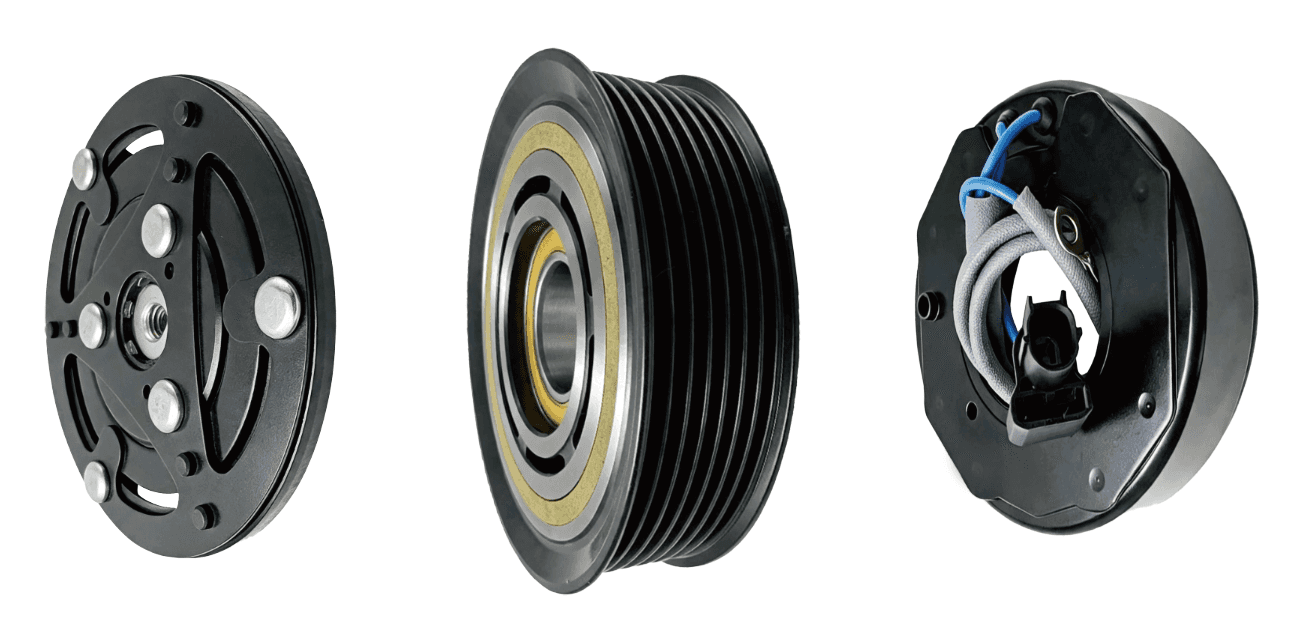
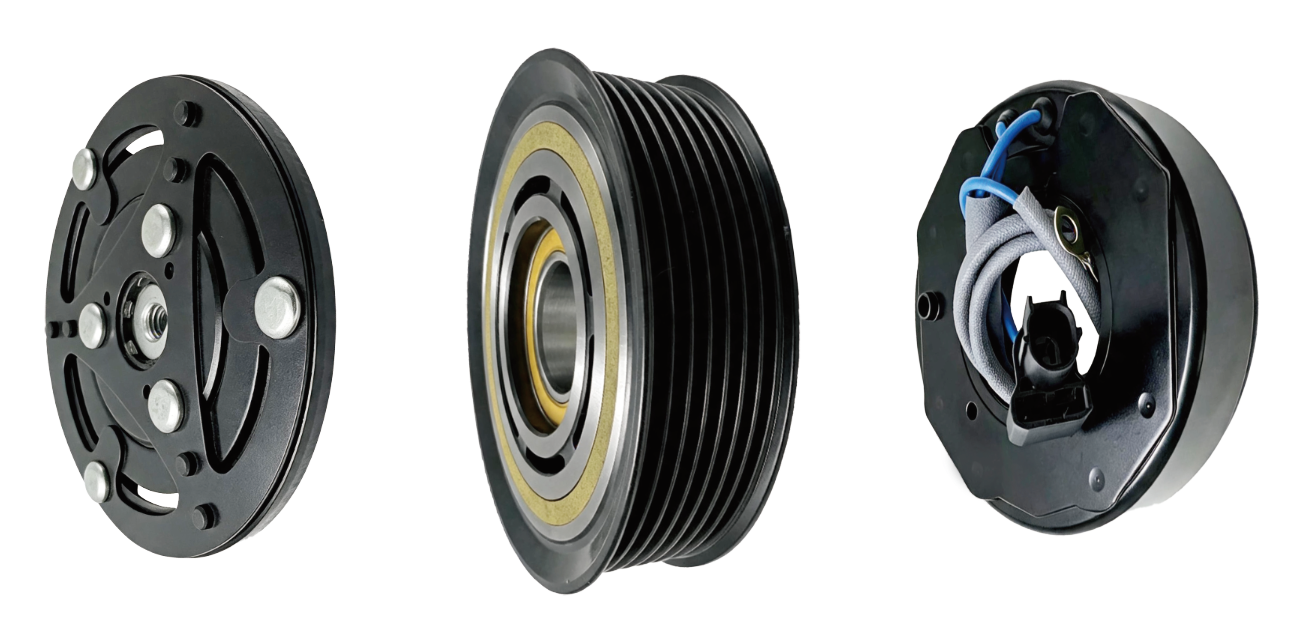
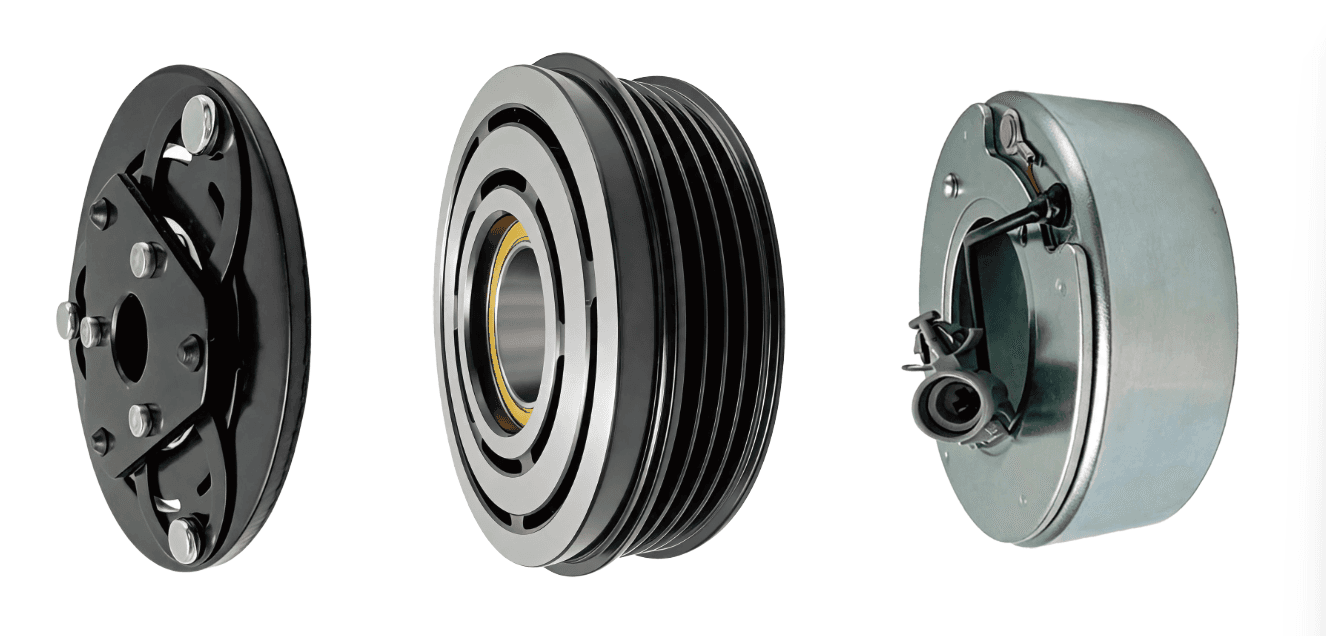
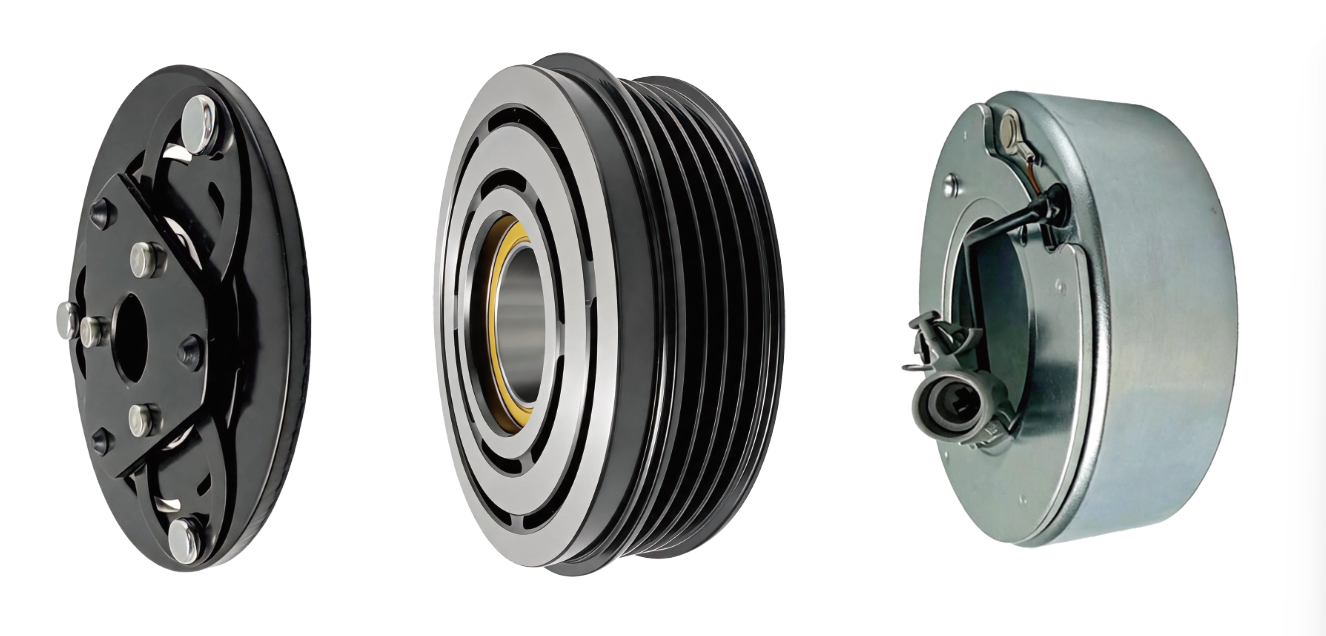
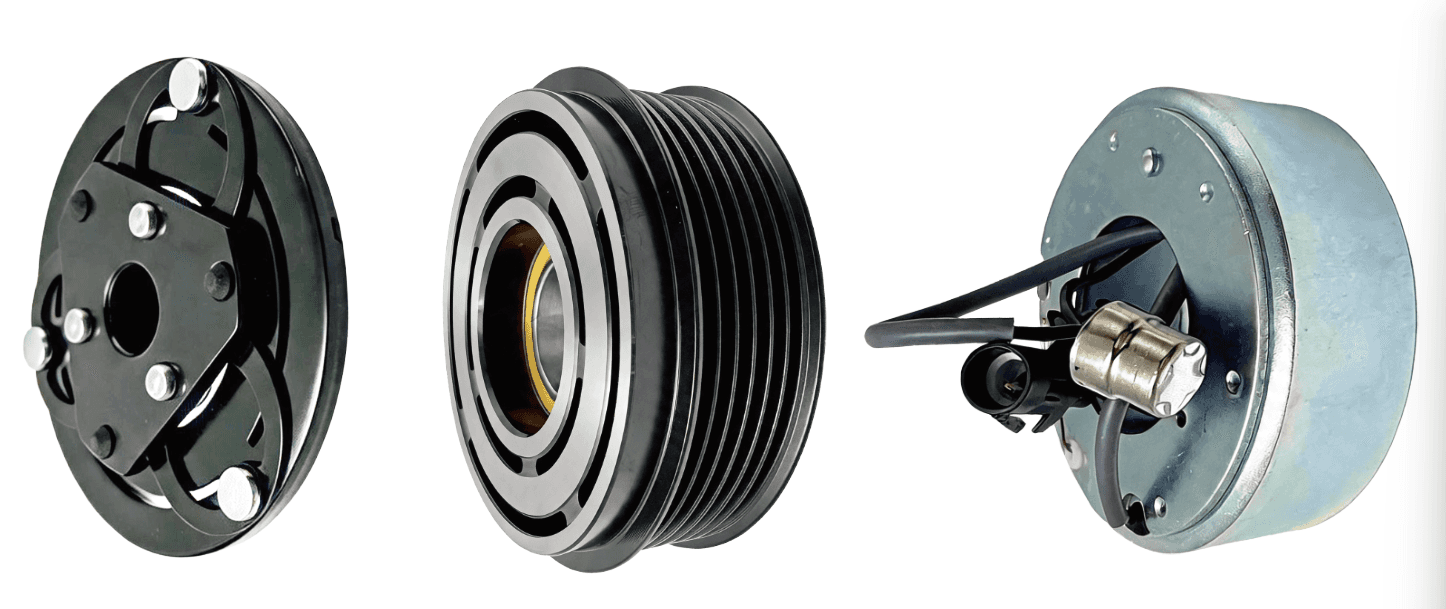
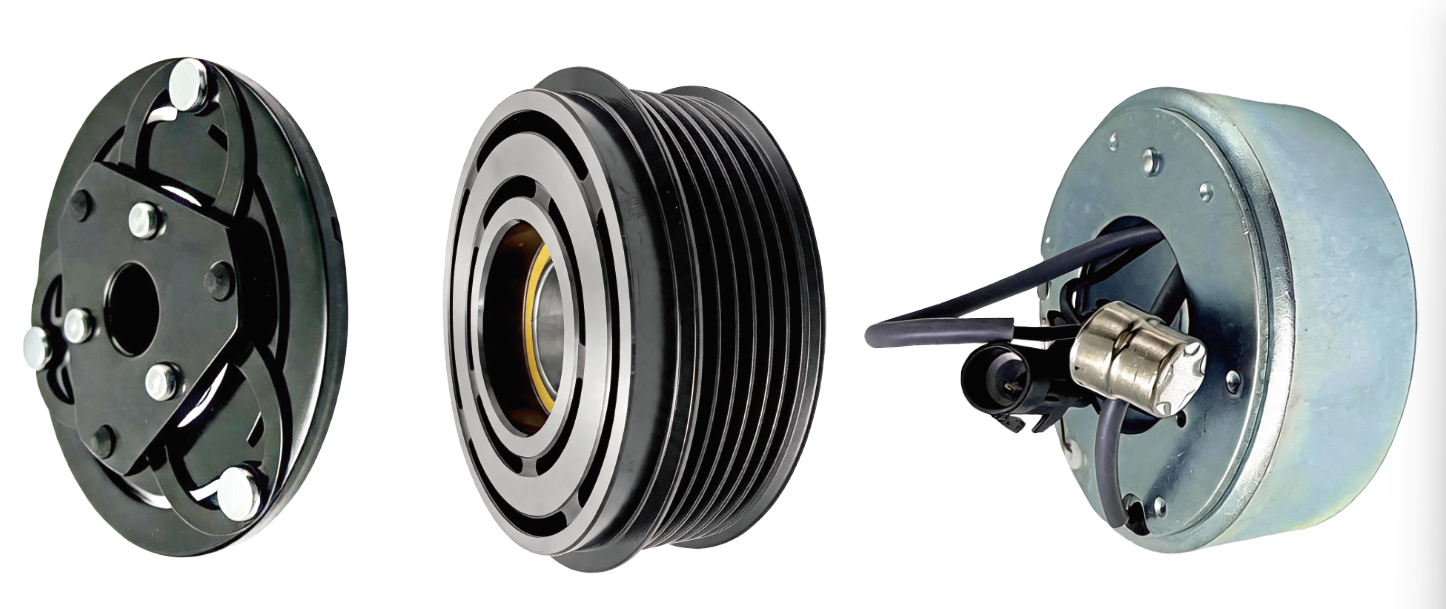
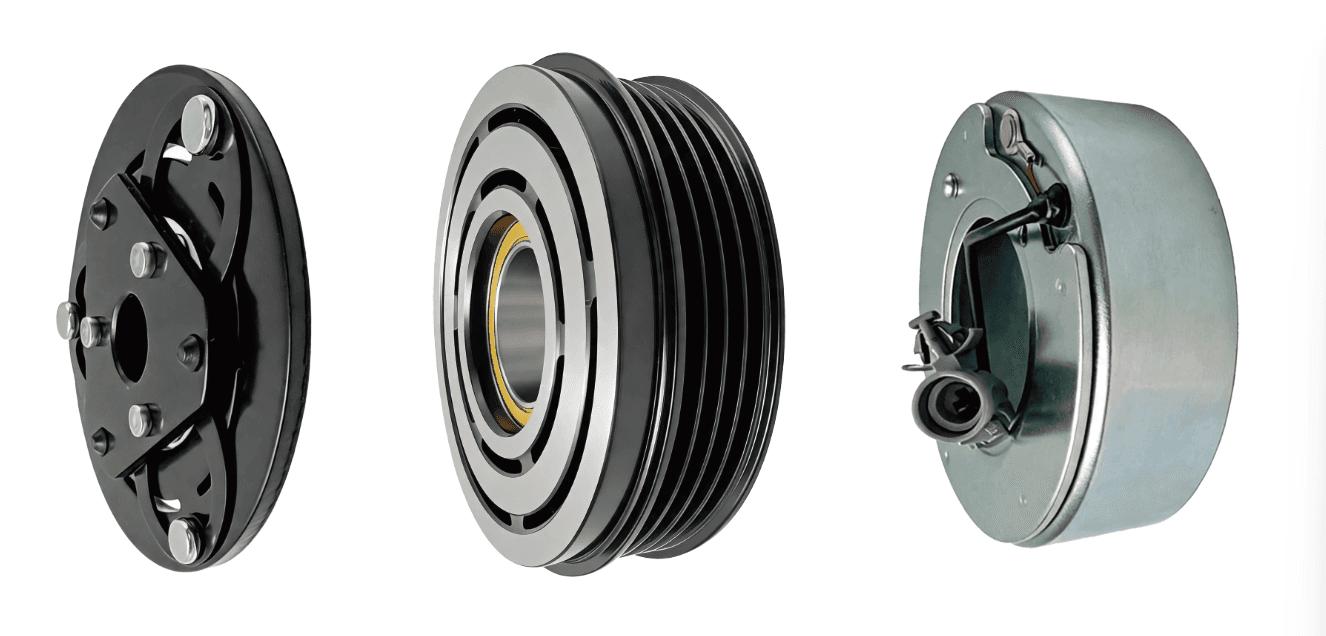
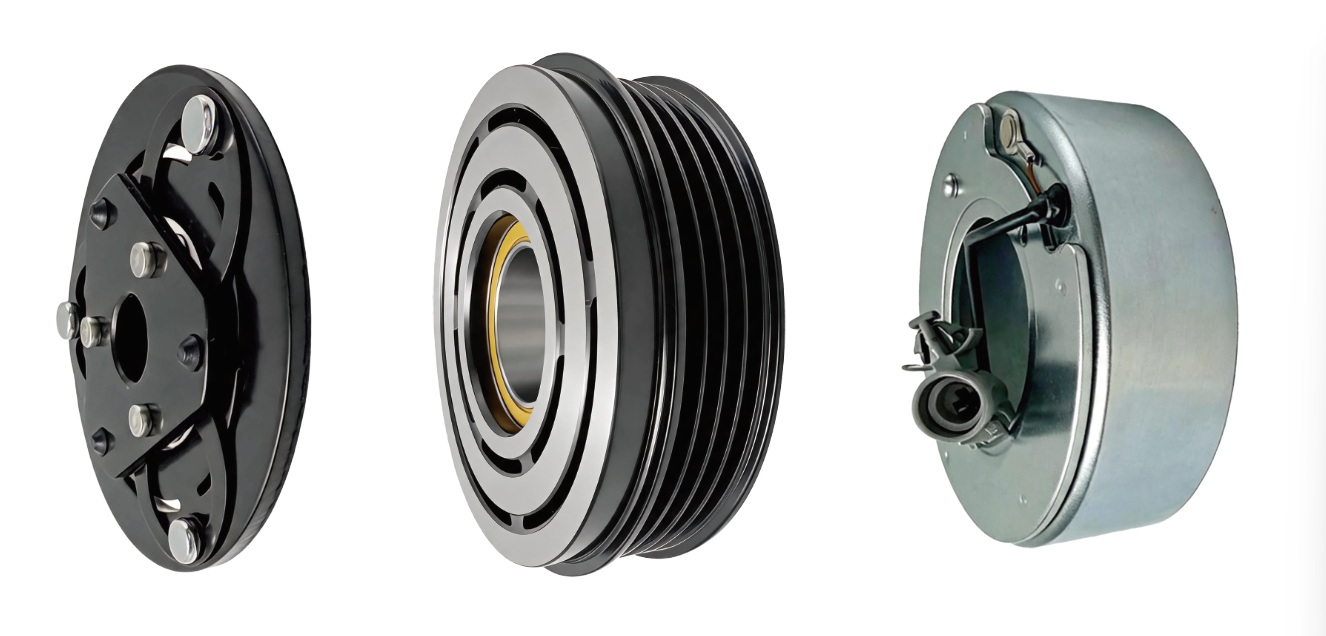
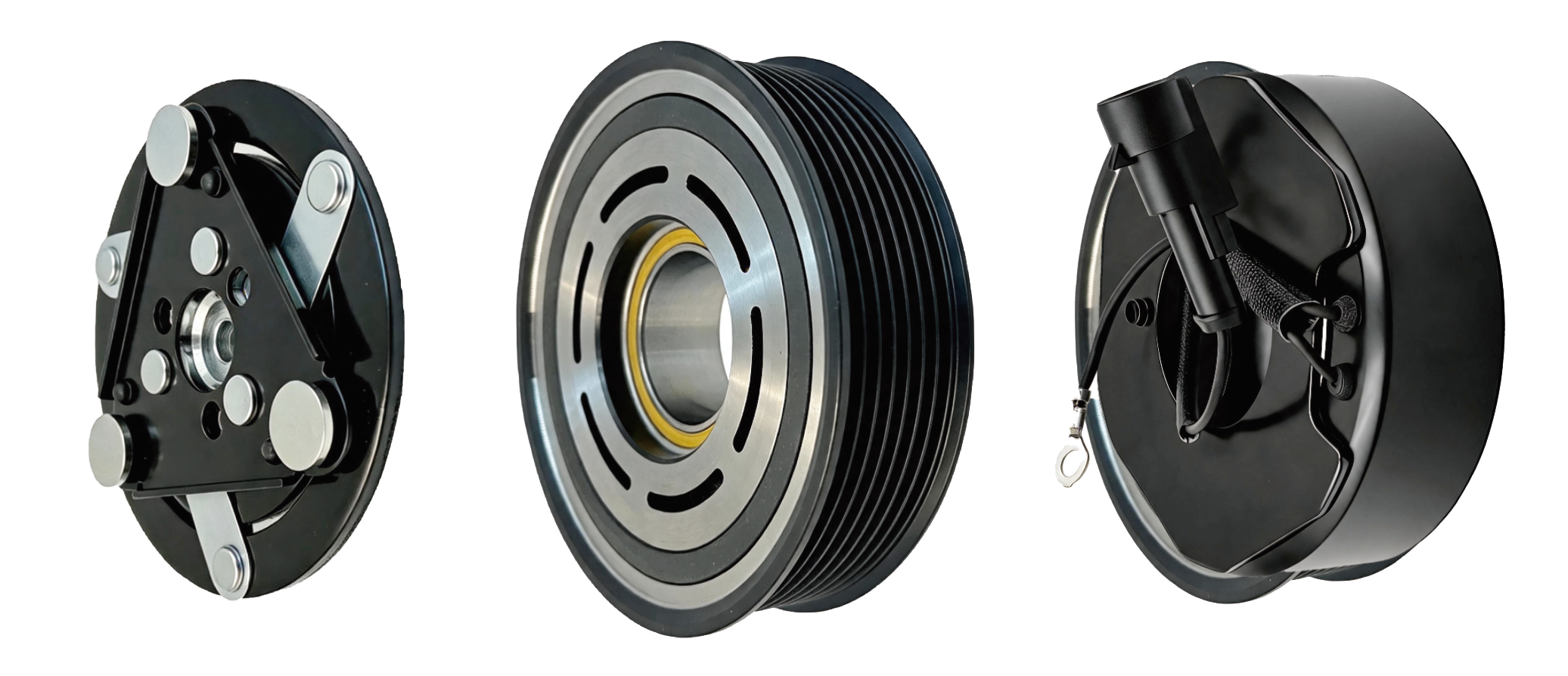
The unit shown here has a compact circular metal construction with a grooved pulley body, machined steel faces, a central bore/bearing area, and a rear electrical connection. Those visible details are consistent with a controlled engagement drive component. Because the image may represent an industrial electromagnetic clutch/brake assembly or a related drive part, the exact application cannot be confirmed from the photo alone. Still, many of the same design principles apply to an A/C clutch for car: electromagnetic activation, precise alignment, durable bearing support, and repeatable engagement.
What This Type of Component Does
An air conditioning compressor clutch transfers engine rotation to the compressor only when the HVAC system requests cooling. When the clutch disengages, the compressor stops turning, which reduces wear and parasitic load. This is why a failing clutch often shows up as an A/C system that cools inconsistently rather than failing all at once.
For buyers searching for a compatible AC clutch part, the main goal is fitment and reliable switching. The part must match the compressor design, pulley geometry, electrical connection, and bearing arrangement. Even when the outer appearance looks similar, small differences in groove profile or hub depth can affect installation and operation.
Visible Construction Features
Metal housing and machined surfaces
The pictured unit uses a black-coated outer body with silver machined faces. This combination is common where rigidity, surface stability, and heat resistance matter. Metal construction also helps support the rotating and stationary elements around the compressor drive.
Pulley and bearing area
The grooved pulley profile is designed for belt drive contact. A central bearing or bore is visible, which is important because the pulley must rotate smoothly when the clutch is disengaged. In many automotive cases, wear in this area can contribute to noise, drag, or seizure.
Electrical connection
The rear side shows wiring or a lead connection. For an A/C compressor clutch wiring setup, electrical integrity is essential. A poor connection, damaged lead, or coil fault can cause an A/C clutch not engaging even if the mechanical parts still look intact.
Materials and Finish Options
Based on the visible construction, the component uses machined steel and a dark protective finish on the outer sections. In this product category, buyers commonly evaluate:
• steel or iron-based structural parts for strength
• surface coatings for corrosion resistance
• bearing surfaces with controlled machining finish
• coil and connector protection for electrical reliability
Where an AC compressor clutch kit is supplied, the package may also include the hub, pulley, coil, shims, or retaining hardware. Exact contents should always be checked before ordering.
Manufacturing and Assembly Considerations
Parts like this are typically produced through precision machining, stamping, winding, and final assembly. The pulley must be concentric, the bore must run true, and the electrical section must be positioned accurately so that engagement happens without chatter or excessive heat.
For service professionals, car AC clutch replacement usually depends on whether the fault is mechanical, electrical, or related to the compressor itself. A worn bearing, damaged coil, or excessive air gap can all create symptoms that appear similar from outside the vehicle.
Common Symptoms and Diagnostic Checks
Symptoms seen on vehicles
Typical car air conditioner clutch symptoms include no compressor engagement, intermittent cycling, belt noise, burnt odor near the compressor area, or clicking without rotation. These signs do not always mean the clutch alone is bad, but they are a strong starting point.
Basic checks before replacement
A technician may perform an A/C clutch engagement test by checking power supply, coil response, pulley movement, and air gap condition. If an electrical fault is suspected, the issue may be related to the relay, pressure switch, fuse, or A/C clutch electrical issue rather than the clutch hardware itself.
Understanding the common causes of AC clutch failure helps avoid unnecessary replacement. These can include coil burnout, worn bearing, contamination, misalignment, insufficient voltage, or age-related fatigue.
Customization and Selection Guidance
When sourcing a replacement, buyers should compare pulley groove count, shaft fit, connector style, and overall envelope size. For fleet maintenance or aftermarket service, it is useful to verify whether the supplier offers a matched AC clutch magnet coil replacement or a complete assembly.
If you are evaluating how to replace A/C clutch components, confirm that the compressor model, belt routing, and installation clearances are correct. A proper A/C compressor clutch installation also requires attention to shims, bearing preload, and air gap adjustment where applicable. In some repair jobs, the best answer is a full clutch assembly; in others, a sealed bearing AC clutch-style subcomponent may be the practical choice if the rest of the system is still serviceable.
Application Scenarios
Although the image may depict an industrial electromagnetic clutch or brake assembly, the design cues overlap with automotive compressor drive parts. The same general structure is used in controlled engagement systems for conveyors, packaging machines, automation equipment, pumps, and motor-driven assemblies. In automotive service, the part is most relevant when a compressor must engage smoothly and disengage cleanly under electrical control.
Buyer Decision Factors
Before ordering, focus on fitment, electrical compatibility, pulley profile, bearing condition, and assembly completeness. If your current issue is an A/C clutch not engaging, confirm whether the problem is the coil, the wiring, or the compressor load before replacing hardware. Matching the exact compressor family is usually more important than appearance alone.
If you need help identifying a replacement or comparing options, send the compressor model, photos, connector details, and pulley measurements. A clear request makes it easier to confirm the right part and avoid returns.
Request a Suitable Match
If you are sourcing a car air conditioning clutch or related electromagnetic drive component, provide the application details and installation constraints. A precise match saves time during service and reduces the risk of repeat failure. Contact your supplier with the compressor model, wiring photo, and hub dimensions to start the selection process.