
AC compressor shaft seal for reliable compressor repair and leak control
An AC compressor shaft seal is one of the small parts that has a big effect on system performance. When the seal wears, the compressor can lose refrigerant, oil can escape, and the whole air conditioning circuit may start working harder than it should. For maintenance teams, repair shops, and parts distributors, the main problem is not just replacing a worn component; it is keeping the compressor sealed so the unit can return to stable operation without repeated service calls.
Product overview
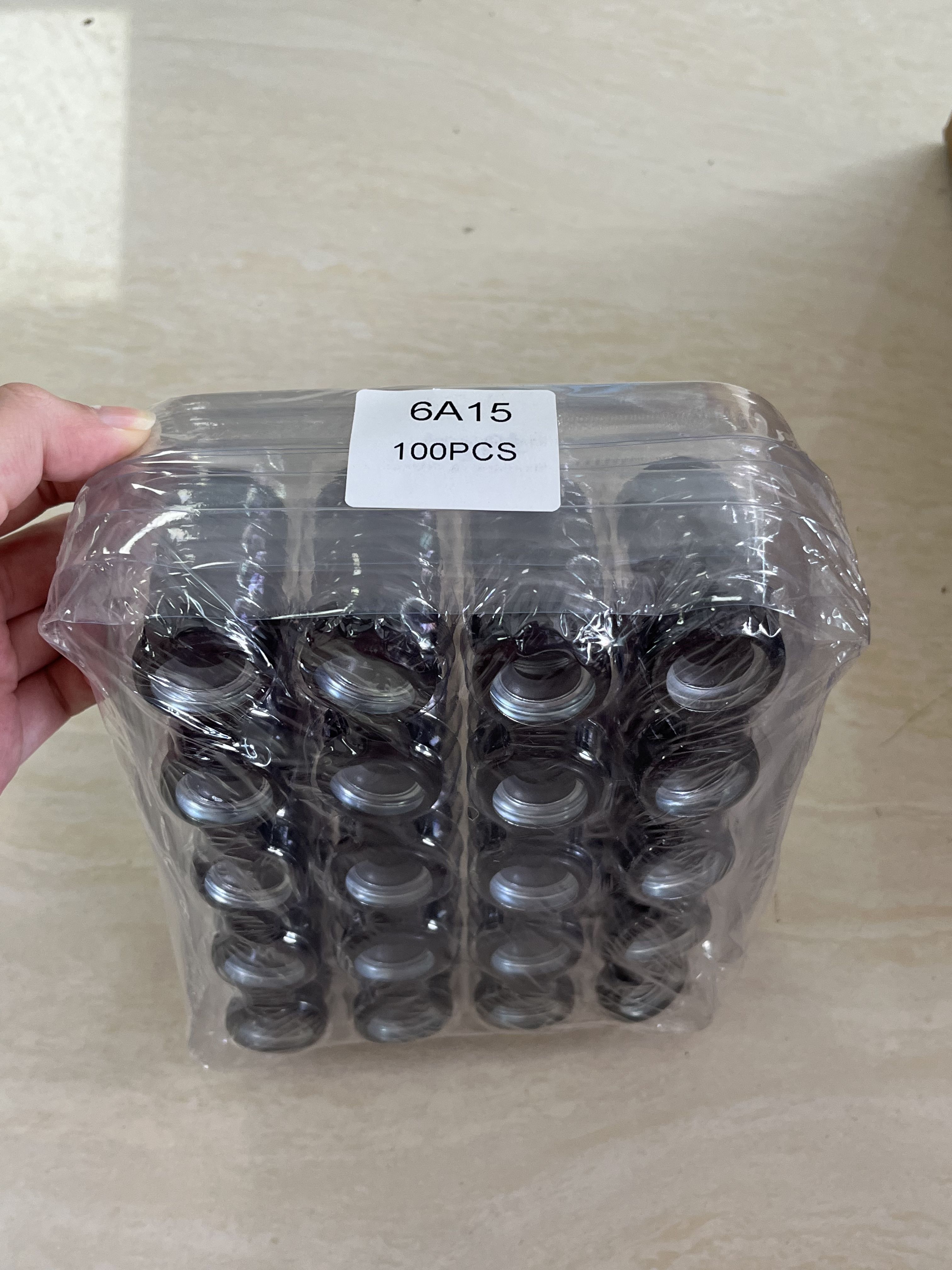
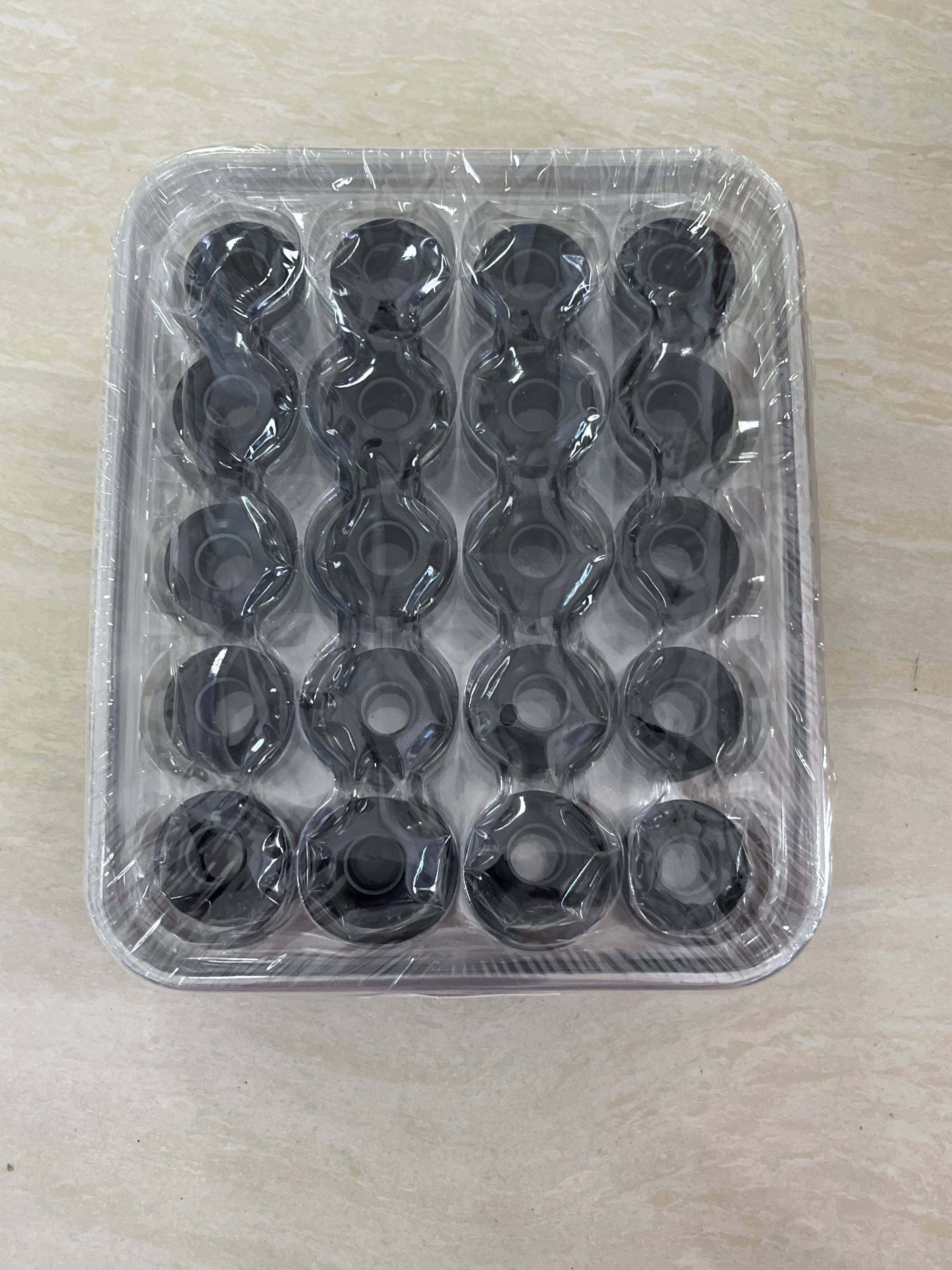
This product page refers to a compact 100-piece hardware pack marked “6A15.” The visible items appear to be black-coated cylindrical metal components with metallic threaded interiors. Based on the image, the parts may be used as threaded inserts, fasteners, or similar mechanical joining components. The exact geometry and end-use cannot be confirmed from the photo alone, so the description below focuses on visible features and practical procurement needs rather than unsupported claims.
For buyers working in industrial maintenance or equipment assembly, packaging parts in a counted set helps simplify stock control. A clear bulk pack makes it easier to confirm quantity at receiving, reduce sorting time, and keep spare parts ready for replacement work.
Visible specifications and identifying details
Pack format
The package indicates 100 pieces per pack, which is useful for production planning and service inventory. The label “6A15” appears to be an internal model or size code. Since the exact part standard is not provided, buyers should verify fitment before ordering for a specific machine or assembly.
Construction appearance
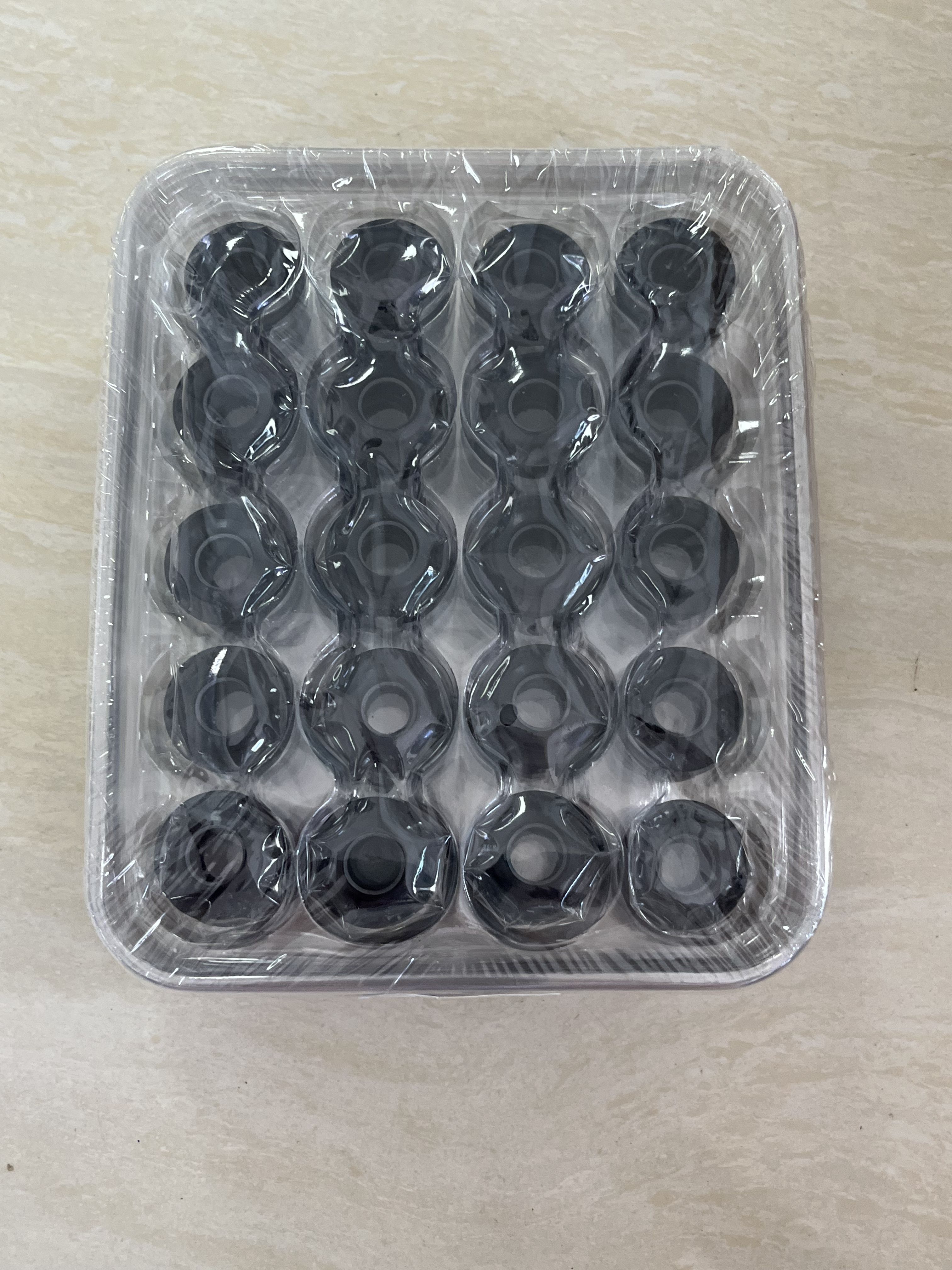
From the image, each piece has a short cylindrical shape, a dark outer finish, and a visible metal threading or threaded bore. The parts are arranged in a grid inside transparent wrap, suggesting a bulk supply format suitable for warehouse handling and line-side use.
Materials, finish, and manufacturing approach
The visible finish looks black, which may come from coating, plating, blackening, or another surface treatment. The exact material grade is not identifiable from the photo, but the metallic interior and threaded structure suggest a fabricated metal component. Parts of this type are commonly produced through turning, threading, stamping, or insert fabrication, followed by surface treatment where needed.
Because the precise type is not fully identifiable, buyers should confirm the thread standard, outer dimensions, material composition, and any corrosion or wear requirements before use in a demanding environment such as compressor service.
Where this type of component is used
Components with this form are often used in assembly lines, maintenance stockrooms, mechanical enclosures, furniture hardware, equipment manufacturing, and general industrial fastening tasks. In compressor-related work, buyers often look for parts that support secure mounting, spacing, or sealing-related assembly operations. If your application involves an AC compressor shaft seal, verify the exact interface dimensions and installation method so the replacement part matches the shaft, housing, and surrounding hardware.
Buyer decision factors
Before placing an order, consider the following points:
First, confirm whether the part is a true AC compressor shaft seal or a different threaded hardware item. Second, check the internal thread type and fitment requirements. Third, review the surface finish if the part will be exposed to moisture, oil, refrigerant-side maintenance conditions, or repeated handling. Fourth, compare pack quantity against your maintenance cycle so you do not overbuy or run short during service.
For distributors, the 100-piece format can be practical for resale or workshop stocking. For OEM or repair users, sample verification is recommended before full-scale purchase.
Quality control and receiving checks
Even without exact test data, buyers can still use a sensible incoming inspection routine. Confirm count, inspect thread cleanliness, check for burrs or coating damage, and verify consistent size across the batch. If the parts are intended for a compressor or sealing-related assembly, test one or two samples in a controlled fit check before releasing the batch to production or service use.
Customization and sourcing guidance
If you need a specific configuration, ask for drawings or dimensional confirmation. Useful details include outer diameter, length, thread pitch, bore depth, finish type, and packaging format. For maintenance programs, labeling by model code can help reduce mix-ups across different machine types.
Request the right fit for your application
Whether you are sourcing an AC compressor shaft seal or a related threaded metal component, the safest buying path is to verify the exact specification first. Share your drawing, sample, or machine reference so the supplier can match the part to your application and avoid installation issues.