

AC Compressor Clutch Overview
An AC compressor clutch is the part that lets a vehicle or equipment cooling system connect and disconnect drive power when cooling is needed. For buyers, the main problem it solves is simple: the compressor should not run all the time. A properly working clutch reduces unnecessary load, supports controlled operation, and helps restore cooling performance when the original unit is worn, slipping, or no longer engaging reliably.
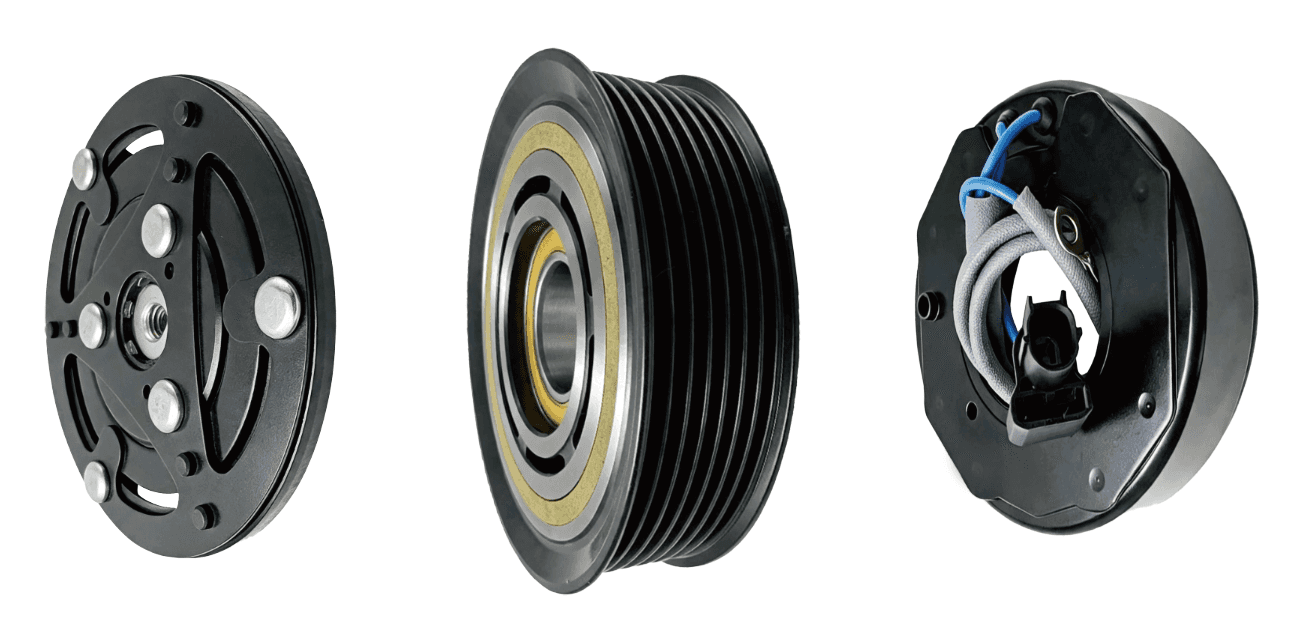
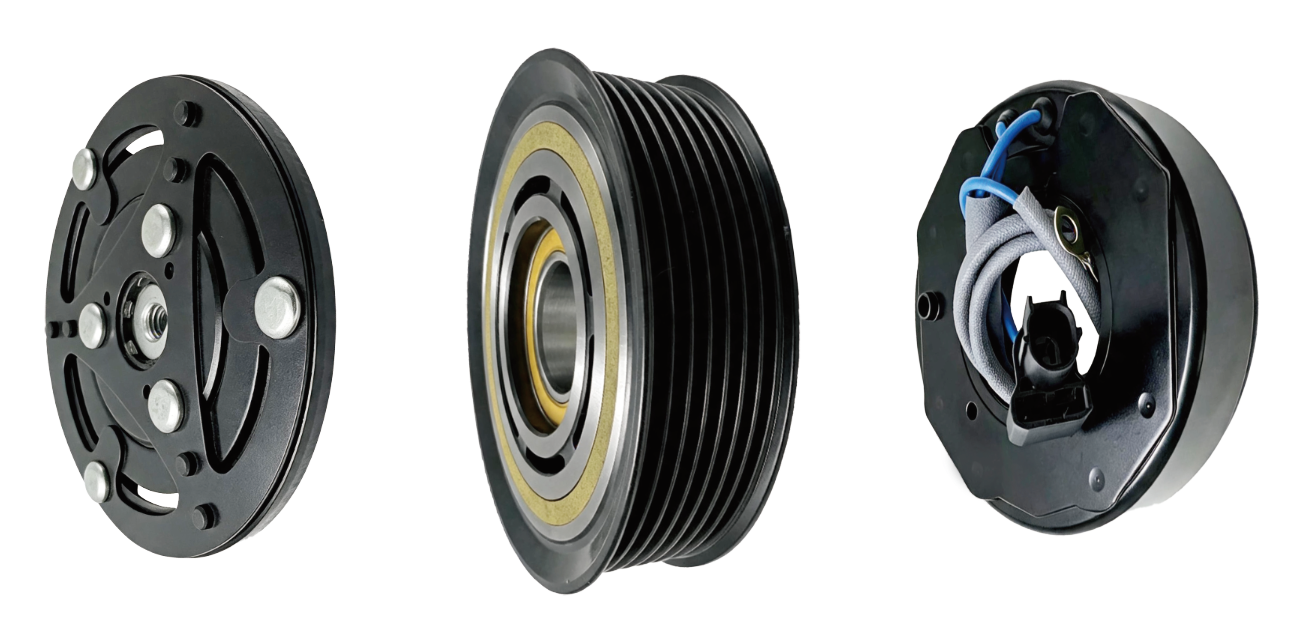
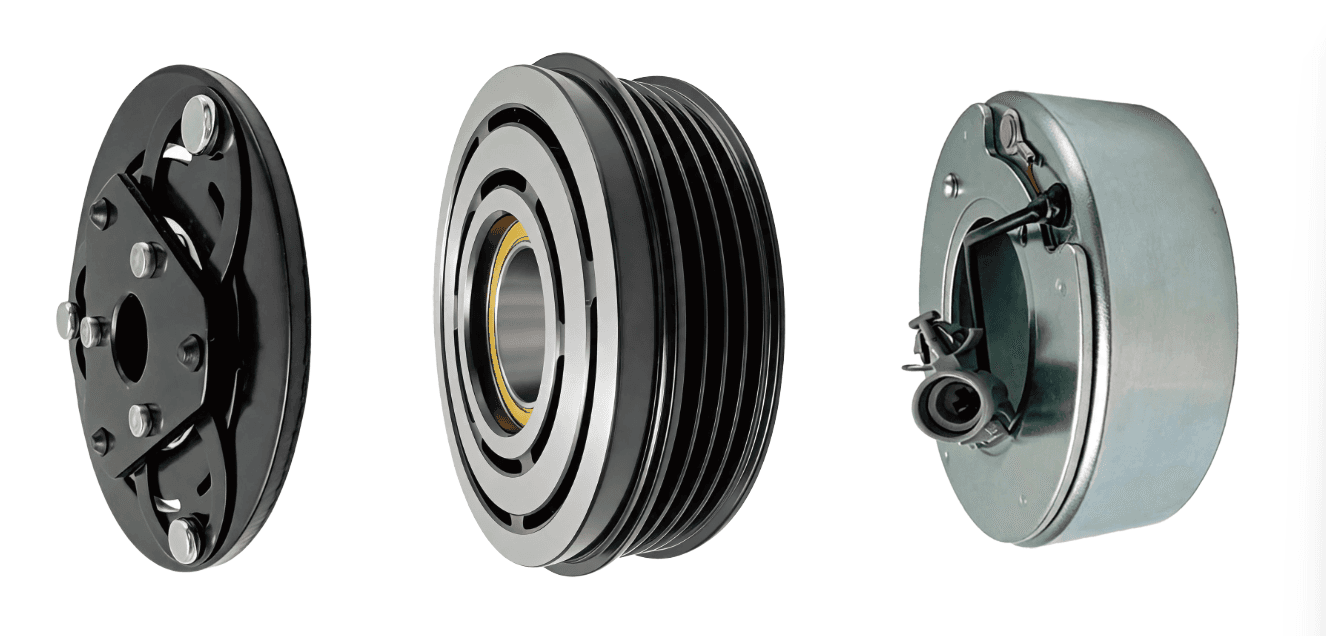
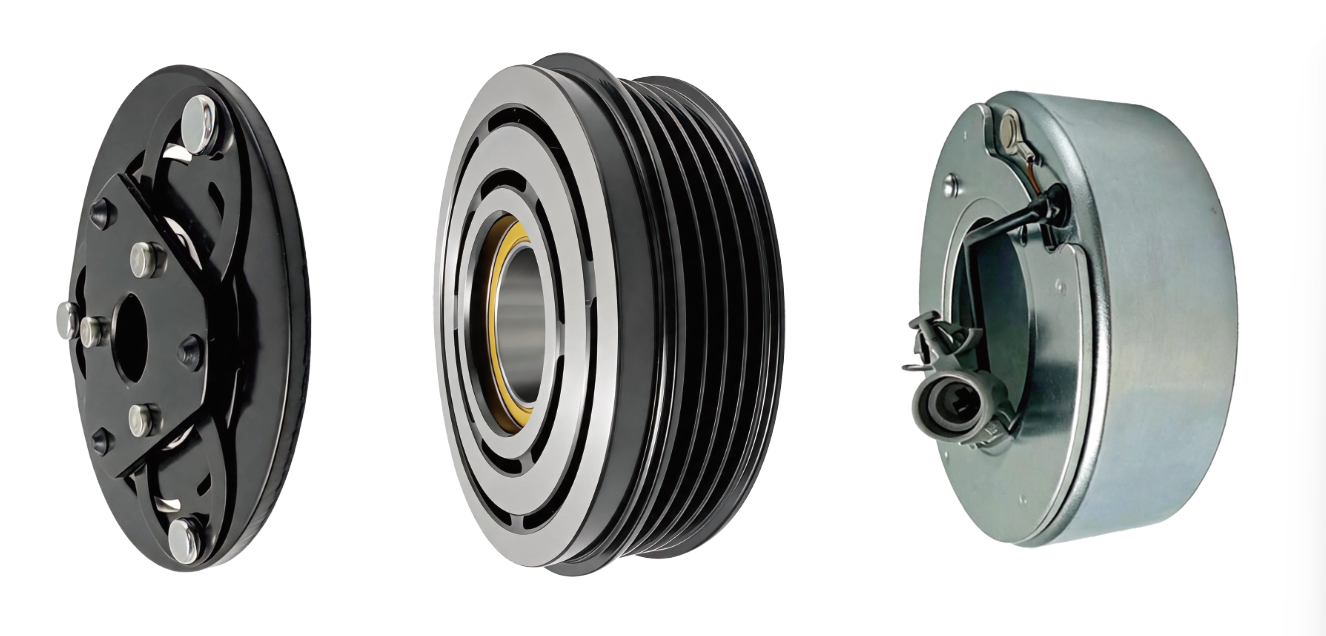
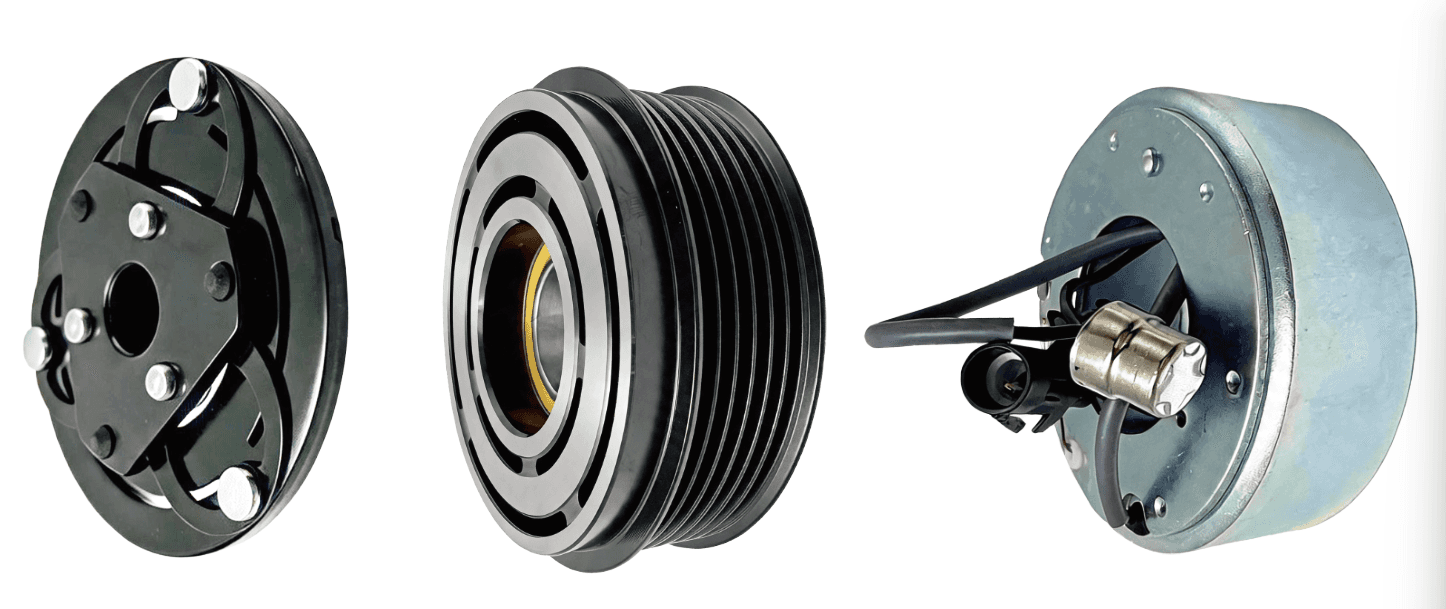
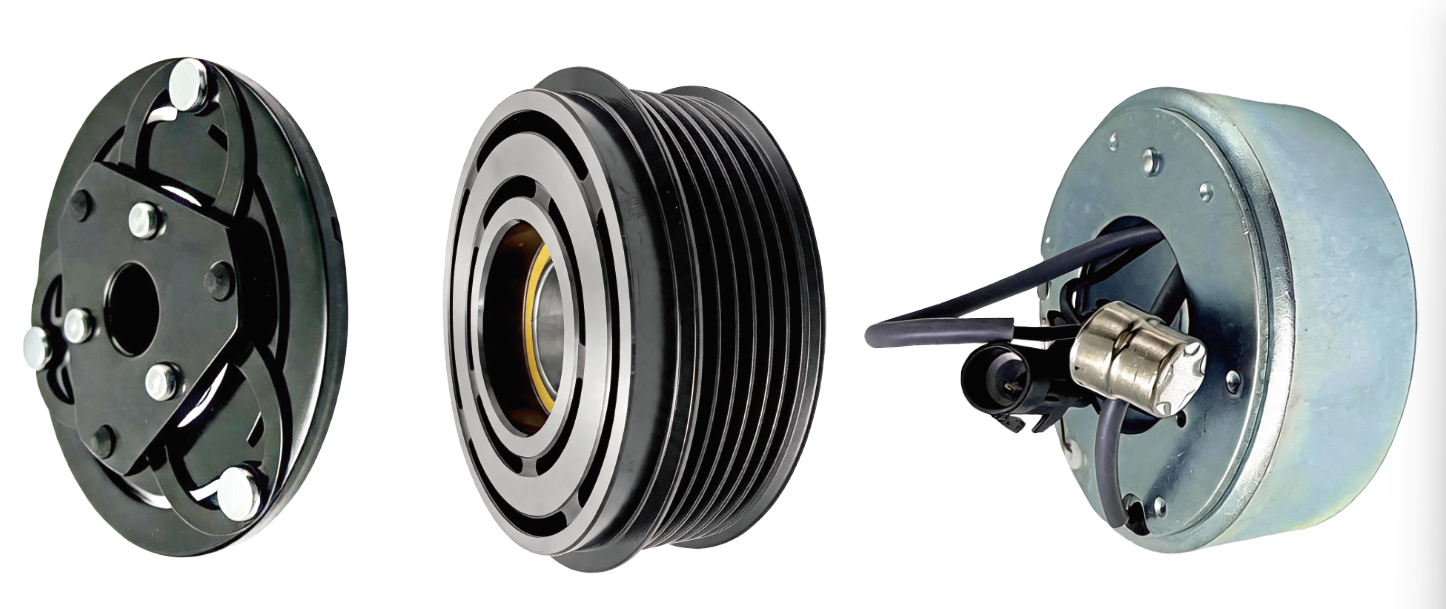
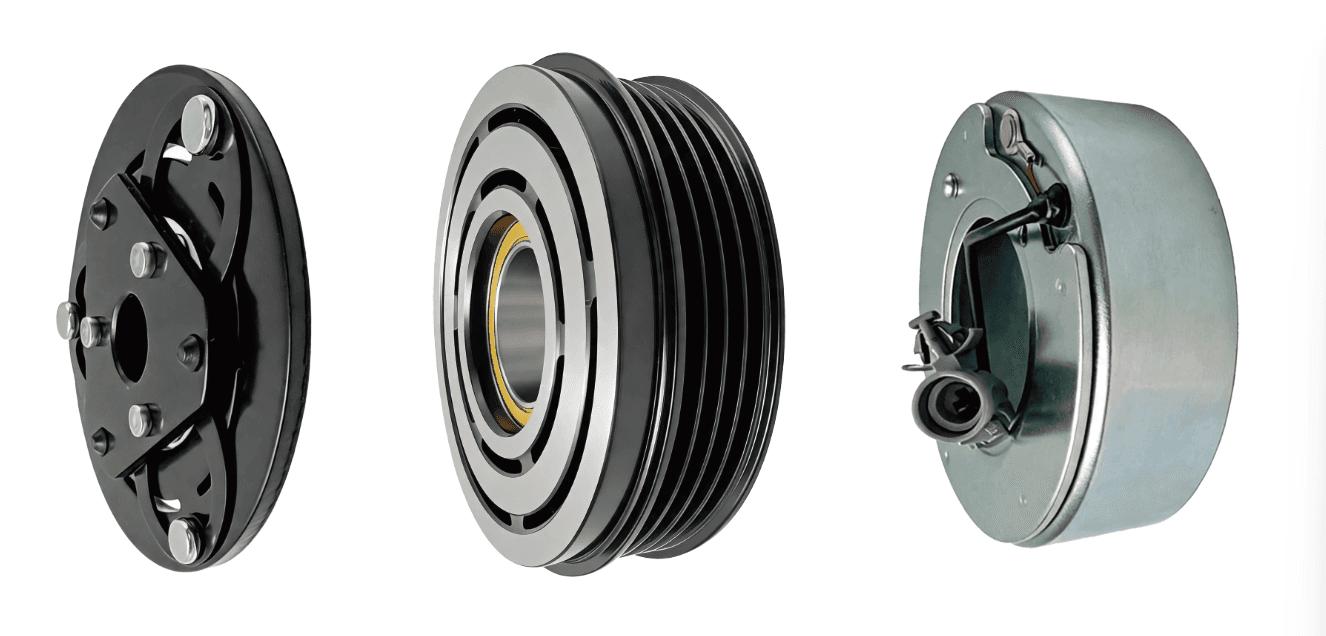
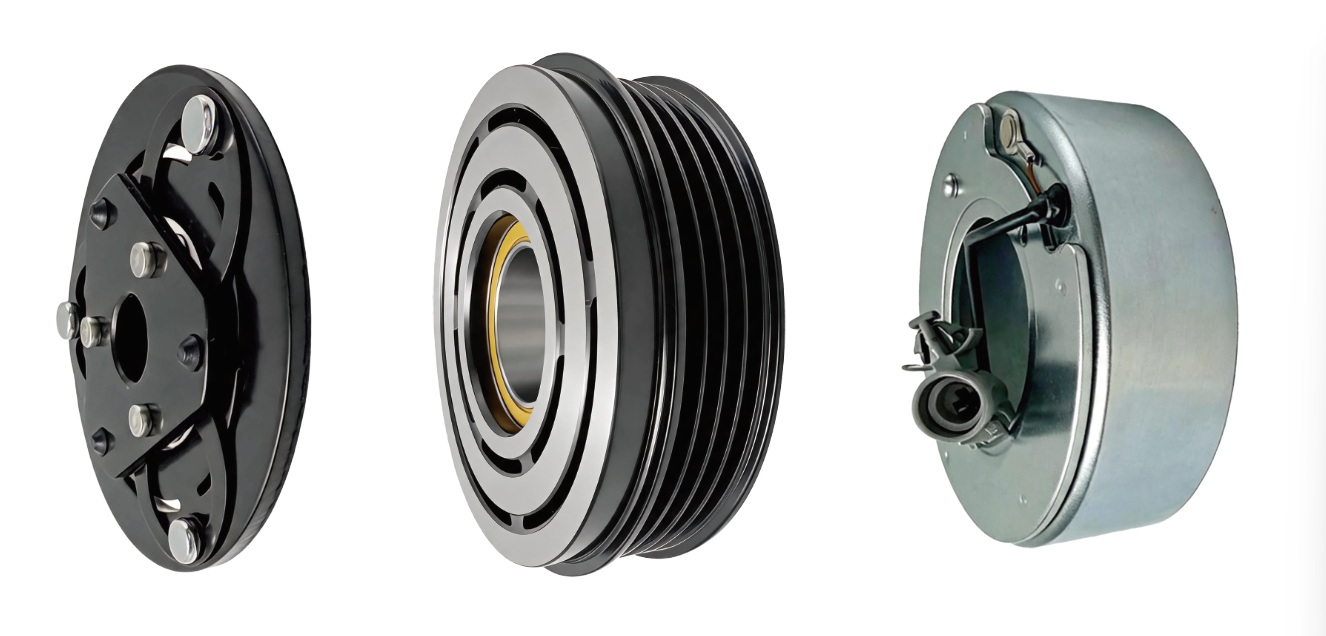
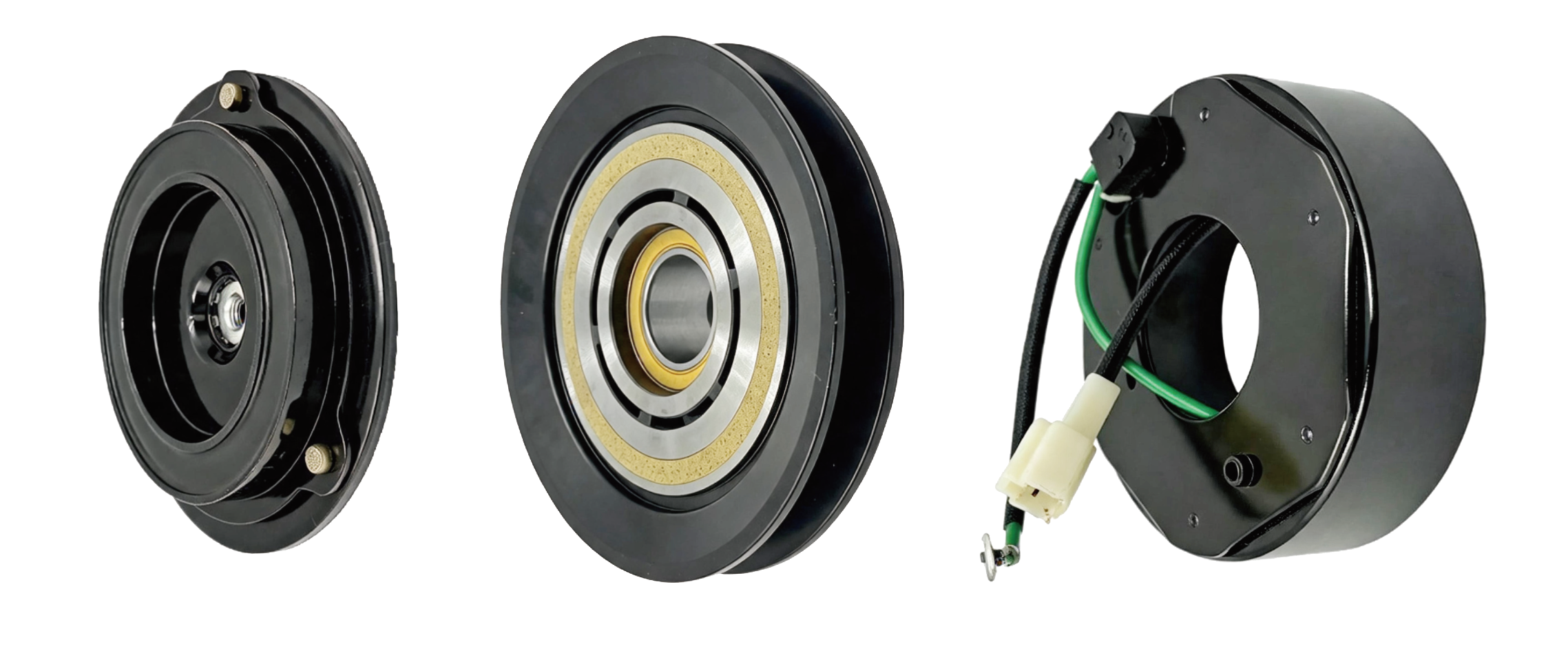
Based on the provided product data, the visible item appears to be a circular electromagnetic clutch-style assembly with a central bore, layered ring structure, fastener points, and an electrical lead with connector. The exact internal design cannot be confirmed from the image alone, so it is best described as an electrically actuated drive component with clutch or brake function. That makes it relevant not only for HVAC-style systems, but also for broader industrial equipment where torque engagement, disengagement, or holding control is required.
Product Reference and Functional Role
The core purpose of an air conditioning compressor clutch is to transmit rotational power only when the system calls for it. In automotive use, that means the compressor can be cycled rather than driven continuously. In industrial settings, a similar electromagnetic unit may be used to manage motion, stop a rotating element, or hold position under load.
The visible construction suggests a compact assembly built around a hub, outer housing, and friction or armature surfaces. A wiring connection and ground lead indicate electrical actuation, which is consistent with an electromagnetic AC clutch or a related clutch-brake component. Because hidden internal details are not visible, buyers should confirm the exact function before specifying a replacement.
Visible Specifications and Capabilities
Construction Features
The image shows several practical details that matter during selection: a round form factor, a central shaft bore, a layered ring stack, a mounting face with multiple fasteners, and a protected electrical connector. These features point to a precision assembled part intended for repeatable engagement and secure installation.
The exterior finish appears industrial and machined, with dark coated metal sections, silver-colored machined rings, and a brass- or gold-toned ring. A pale friction layer is also visible on one side. While the exact material composition is not confirmed, the overall design suggests a durable assembly intended for controlled contact and stable mounting.
What Buyers Usually Check
When comparing an AC compressor clutch kit or a standalone replacement, buyers usually verify shaft bore size, mounting pattern, connector style, coil configuration, and the interface between the clutch face and the compressor pulley. For industrial applications, the main decision factors often include duty profile, engagement frequency, available power supply, and whether the unit is meant for clutching, braking, or both.
Materials and Finish Options
For products in this category, the outer housing is commonly made from coated or plated metal for rigidity and corrosion resistance, while friction contact areas may use bonded composite material. Machined rings often provide accurate alignment and contact consistency. The visible part appears to follow that general manufacturing approach, but exact grades and treatments are not supplied.
Depending on the build, an OEM AC compressor clutch or aftermarket AC compressor clutch may differ in coating style, connector arrangement, hub geometry, or face material. Buyers seeking an universal AC compressor clutch should pay special attention to dimensional compatibility rather than relying on appearance alone.
Manufacturing Process
This type of assembly is typically produced through a combination of turning, stamping, winding, bonding, and final assembly. Machined metal parts establish concentricity, while electrical components are integrated into the clutch coil or actuator section. Friction material is then bonded or assembled to the contact surface, followed by fastener installation and electrical connection.
Because the image shows a wired unit with exposed rings and a compact housing, the product is likely designed for reliable alignment and repeatable electrical engagement. If the item is used as an electromagnetic AC clutch, coil integrity and connector quality are especially important for service life.
Application Scenarios
This product category is suited to systems that need controlled torque transfer. In addition to compressor drives, similar assemblies are used in machine tools, conveyors, packaging equipment, automation systems, motors, and other rotating equipment. For buyers searching for a compressor clutch for AC, the main goal is restoring cooling function without overloading the drive system.
In repair work, AC clutch replacement is often considered when the original clutch slips, fails to engage, or shows obvious wear on the friction face. For maintenance planning, a compatible clutch assembly for AC compressor can reduce downtime if the correct fit and electrical interface are selected in advance.
Quality Control and Buyer Decision Factors
A reliable clutch-style assembly should be checked for concentricity, fastener security, connector fit, surface finish, and smooth interaction between mating parts. Electrical continuity and consistent engagement behavior are also key, especially for units used in demanding cycling conditions.
Before ordering, confirm the exact application, available voltage, mounting pattern, hub dimensions, and whether the unit is intended as a clutch, brake, or combined assembly. If you are comparing an AC compressor clutch kit to a complete replacement module, make sure the package includes every part needed for installation. Compatibility is often more important than product name alone, especially when evaluating AC compressor clutch compatibility.
Customization and Procurement Guidance
If your equipment uses a special connector, unique mounting face, or nonstandard bore, request dimensional confirmation before purchase. For OEM service work, match the original structure as closely as possible. For maintenance fleets or production equipment, keep a record of connector type, electrical lead arrangement, and interface dimensions to simplify future sourcing.
If you need help identifying whether this item matches your machine, send the application details, photos of the installed part, and the key dimensions. We can support selection of the right magnetic clutch AC compressor style or related drive component for your system.
Contact for Specification Review
Share your requirements for fit, mounting, and electrical connection, and we will help review the best option for replacement or OEM matching. For buyers comparing AC compressor clutch control options or planning a direct swap, careful specification review is the safest starting point.