

AC Compressor Clutch Overview
An AC Compressor Clutch is the electromechanical link that lets an engine drive the air-conditioning compressor only when cooling is needed. For buyers, that means a practical fix for complaints such as an AC compressor clutch not engaging, intermittent cooling, belt drag, or a compressor that is turning all the time when it should not. In a belt-driven HVAC system, this part helps control compressor operation while protecting the engine from unnecessary load.
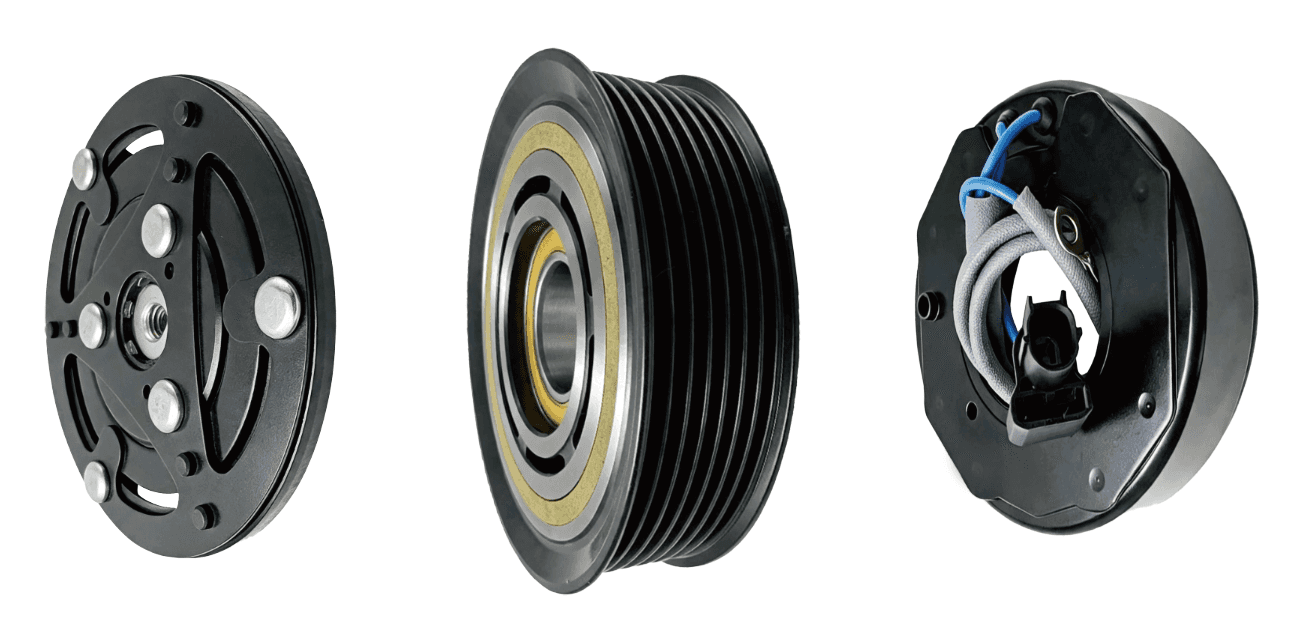
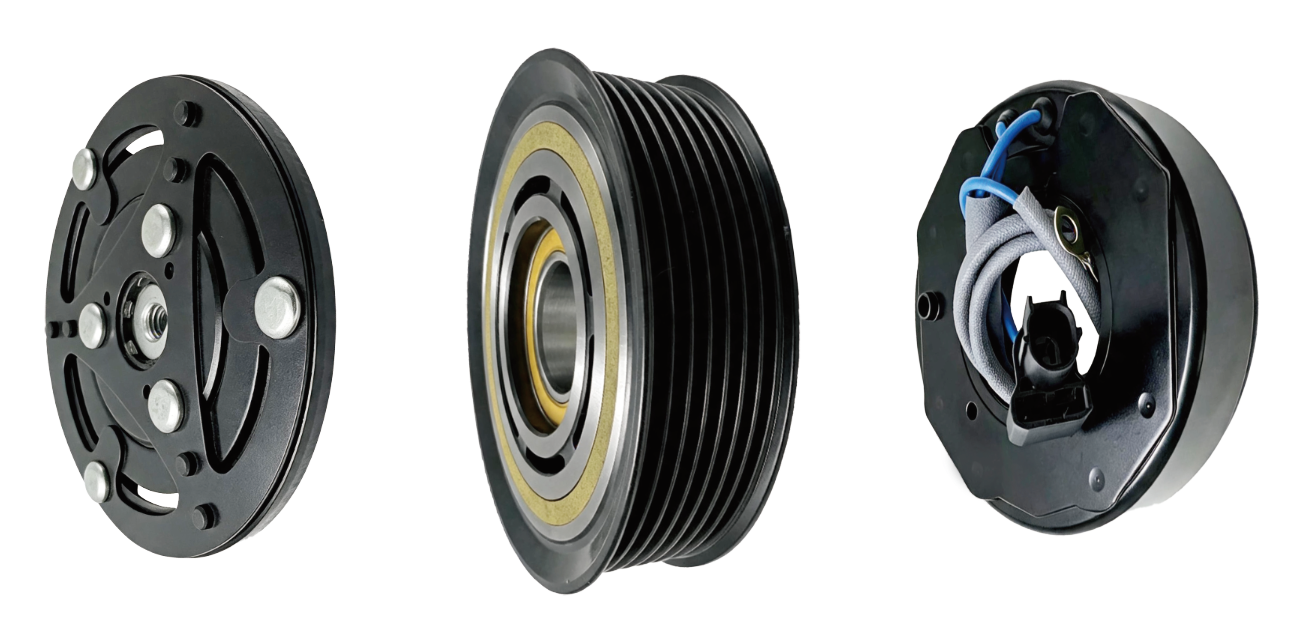
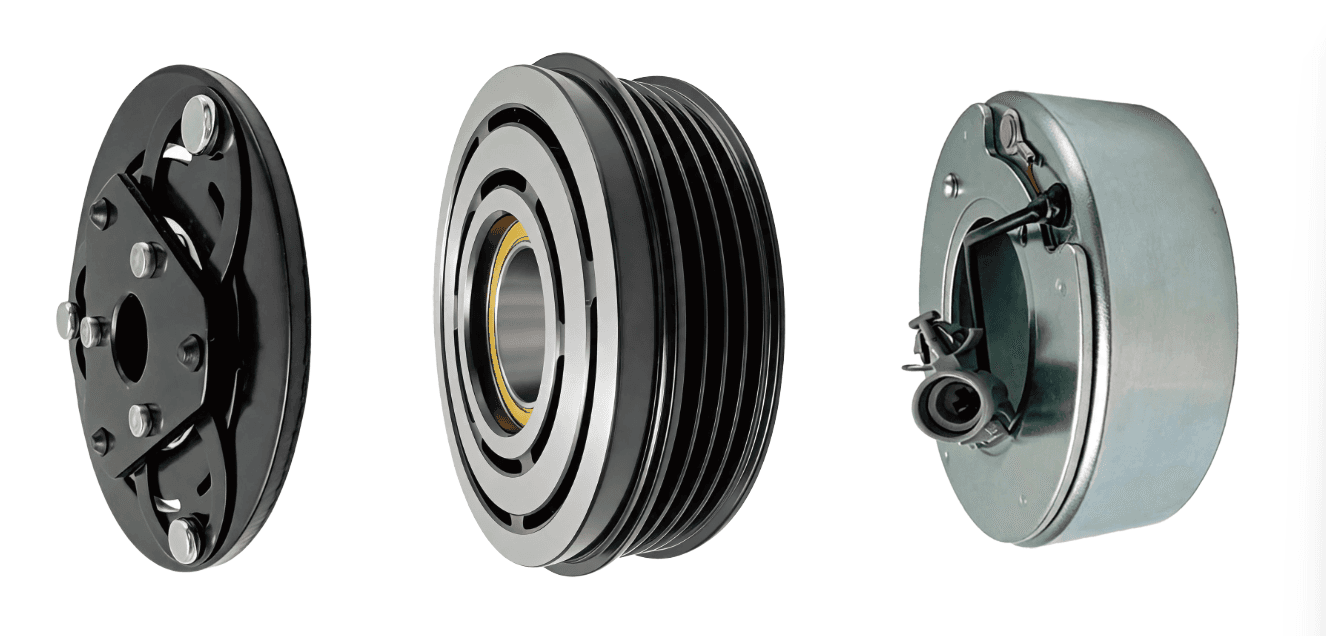
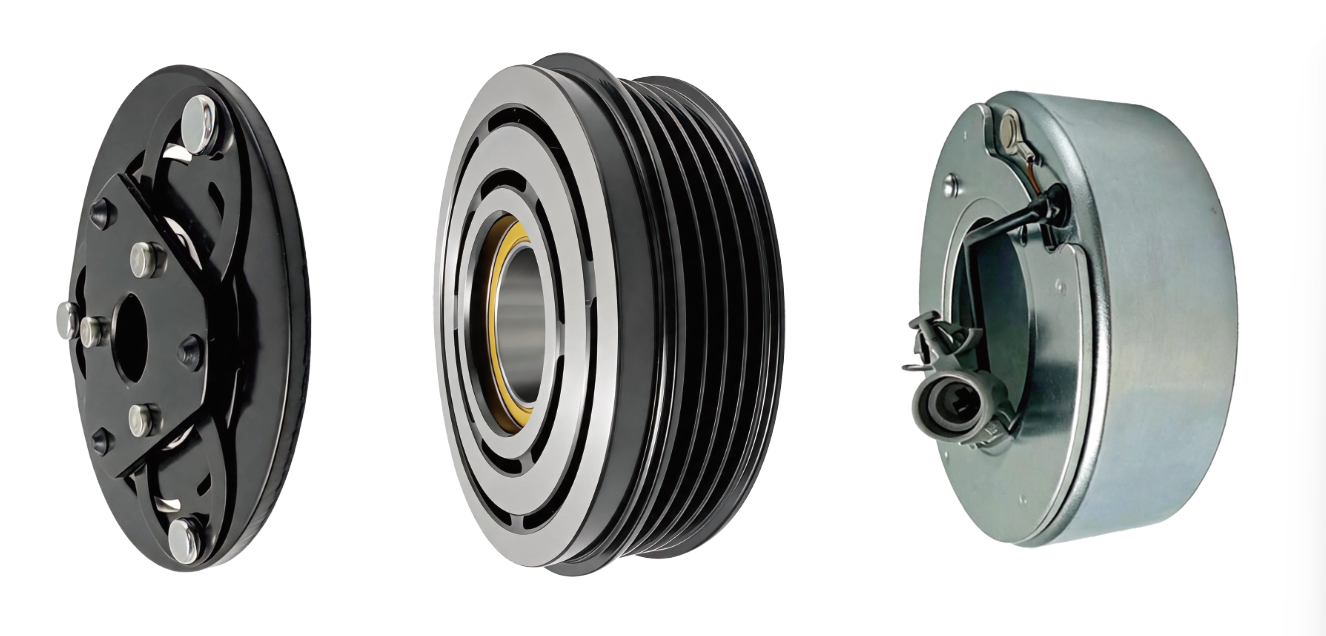
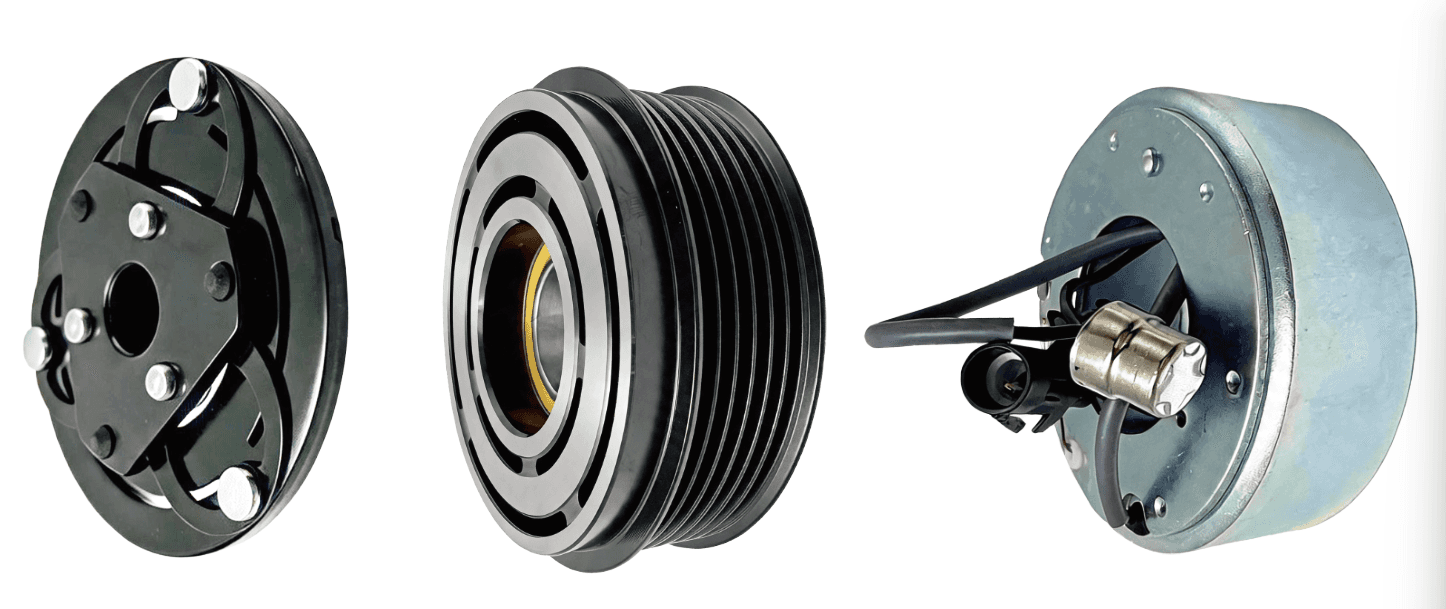
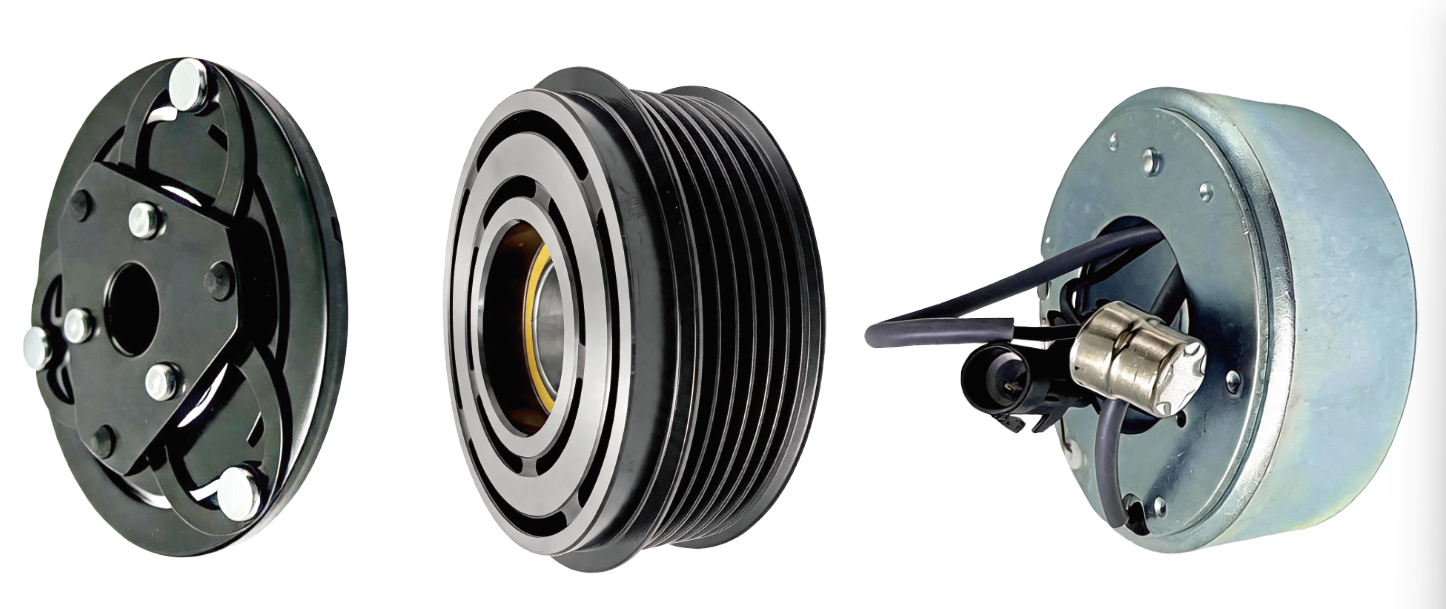
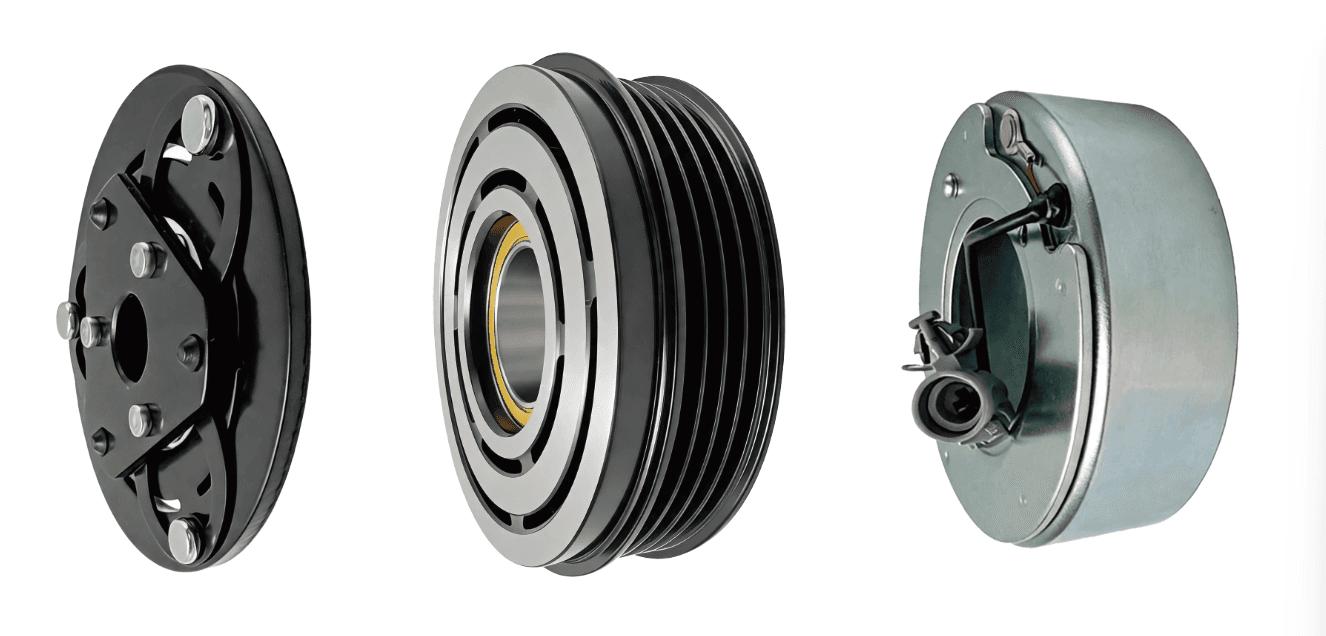
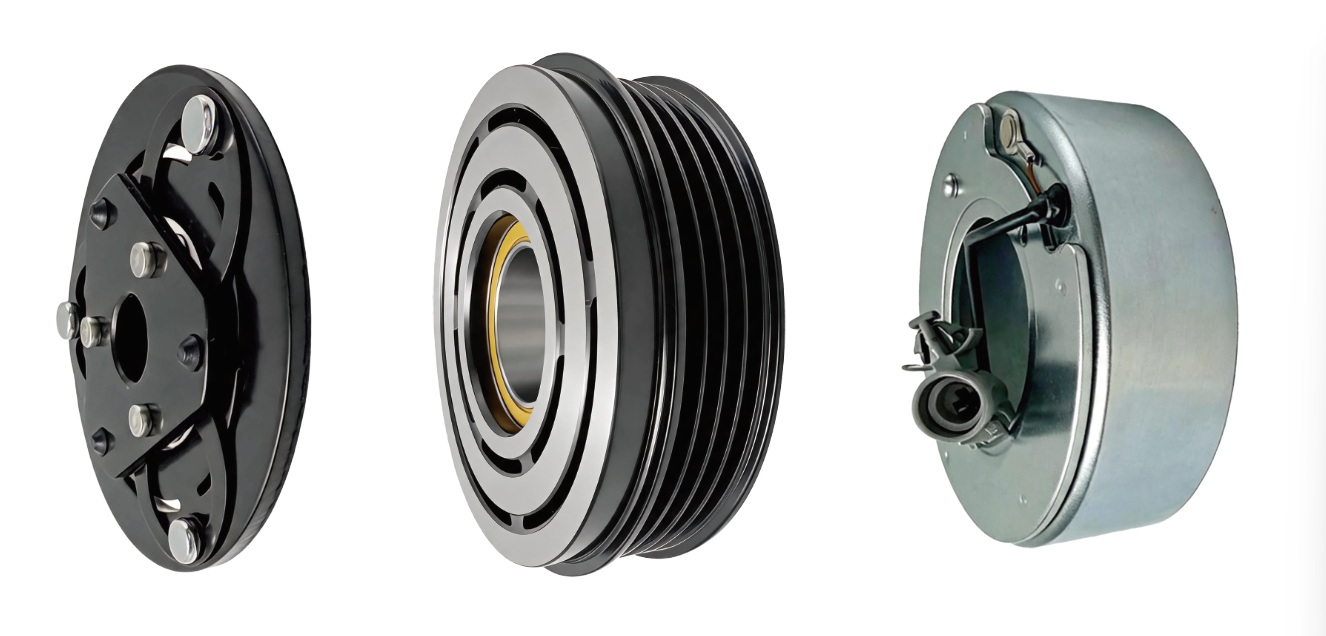
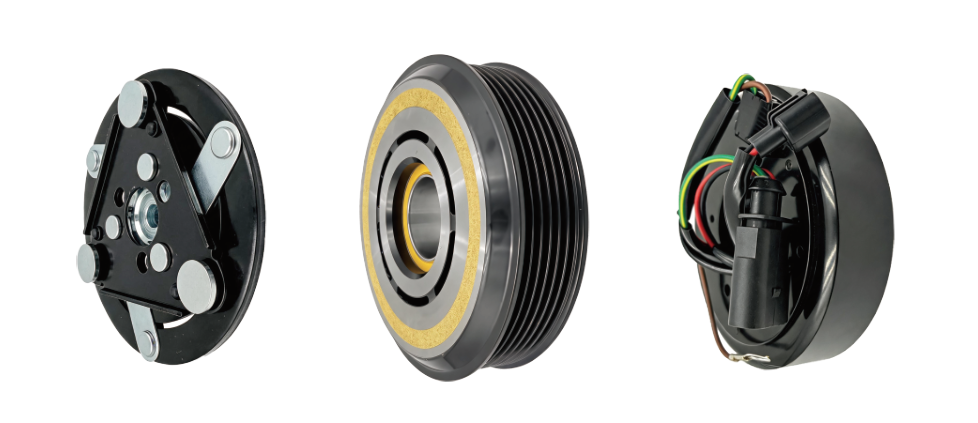
Based on the provided product images and visible construction, this appears to be a clutch assembly or clutch pulley module for an automotive air-conditioning compressor. The unit shows a grooved multi-rib pulley, a central hub/armature area, and a rear electrical lead with connector wiring. Exact vehicle fitment, voltage, and performance data are not visible, so buyers should match the part to the compressor model and service requirements before ordering.
What the Part Does
The air conditioner compressor clutch works by using an electromagnetic coil to pull the clutch plate into contact with the pulley when the system calls for cooling. When the clutch is disengaged, the pulley can spin with the belt while the compressor internals remain inactive. This engagement and disengagement cycle is central to temperature control, fuel efficiency, and compressor life.
In service terms, a failing clutch can create symptoms that are easy to recognize but sometimes hard to diagnose correctly. Common AC compressor clutch symptoms include no engagement, squealing, slipping, burnt odor, noisy bearing operation, or cooling that cuts in and out. Before replacing the compressor itself, technicians often inspect the clutch coil, pulley bearing, air gap, connector condition, and belt alignment.
Visible Construction and Key Specifications
Observed structure
The visible assembly includes a machined pulley surface with multiple belt grooves, a clutch face or hub section, and a rear electrical lead. The black-painted or coated housings suggest corrosion resistance and a finished surface suitable for under-hood use. Steel fasteners and bearing interfaces are also visible, which are typical of a durable rotating automotive component.
What buyers should confirm
Because the image does not show part numbers or fitment markings, important selection details still need verification. Buyers should confirm compressor family, pulley groove count, outer diameter, shaft interface, coil connector style, and whether the AC compressor clutch replacement is intended for a specific OEM or aftermarket application. If the repair includes related wear items, the AC compressor clutch bearing, shim set, and A/C clutch wiring condition should also be checked.
Materials, Finish, and Build Notes
From the visible surfaces, the assembly appears to combine coated steel and machined metal components. That type of construction is common in compressor clutch parts because the assembly must tolerate vibration, heat cycles, and continuous belt loading. The finish looks functional rather than decorative, which is appropriate for a service component mounted in an exposed engine bay.
Electrically, the rear pigtail suggests a compressor clutch coil connection designed for vehicle harness integration. The connector and lead insulation colors visible in the image indicate a practical wiring harness interface, useful during compressor clutch repair or clutch kit installation.
Manufacturing and Assembly Considerations
An automotive clutch like this is typically built through precision machining, stamping, coil winding, bearing insertion, and final assembly. The pulley must rotate smoothly around the bearing, the armature face must mate correctly with the pulley assembly, and the coil must be positioned to generate consistent magnetic pull. Even when exact manufacturing data is unavailable, these are the main functions that determine whether the clutch engages cleanly under load.
For serviceability, a well-made A/C clutch for compressor installation should allow accurate shimming and straightforward electrical connection. That matters in field repair because small alignment errors can affect engagement quality and wear rate.
Application Scenarios
This part is commonly used in passenger vehicles, light trucks, and other mobile HVAC systems that rely on belt-driven compressor engagement. It can support routine compressor clutch repair, system restoration after bearing failure, or replacement when the clutch coil has lost continuity. In workshop environments, a complete A/C clutch kit may be selected when the pulley, hub, coil, and shim stack are replaced together rather than individually.
Quality Control and Inspection Points
For incoming inspection, technicians usually check pulley free-spin, bearing noise, connector integrity, hub surface condition, and visible coil lead routing. If the replacement is being evaluated for installation, it is also wise to verify the shim stack and air gap during assembly. When the customer asks how to test AC compressor clutch performance, the starting points are usually electrical continuity, applied voltage at the connector, and mechanical response under command.
Customization and Buyer Decision Factors
Because fitment is the most important purchase factor, buyers should compare the compressor model, pulley profile, connector type, and mounting geometry before choosing a replacement. If the original fault includes compressor clutch bearing noise, a clutch-only repair may be enough. If the coil or hub is also worn, a broader clutch assembly may be more practical. When reviewing options, consider whether you need a complete air conditioner compressor clutch assembly, individual service parts, or support for compressor clutch electrical connector matching.
Service Guidance and Next Step
If your vehicle shows AC compressor clutch not engaging, inspect the fuse, relay, AC clutch wiring, connector terminals, belt condition, and coil resistance before replacing the entire compressor. Many failures are isolated to the clutch side of the system, which makes targeted replacement more efficient.
For sourcing, installation planning, or part matching support, contact us with your compressor model, photos, and connector details. We can help you narrow down the correct AC Compressor Clutch configuration for your repair or production need.