

Product Overview
A/C clutch replacement is often the fastest way to restore cooling when an air-conditioning system no longer engages properly, makes noise at the front of the compressor, or cycles inconsistently. In many vehicle HVAC systems, the clutch is the part that connects and disconnects the compressor drive from the engine. When that interface wears, overheats, or loses electrical response, the system may stop delivering cold air even though the rest of the compressor circuit is still intact.
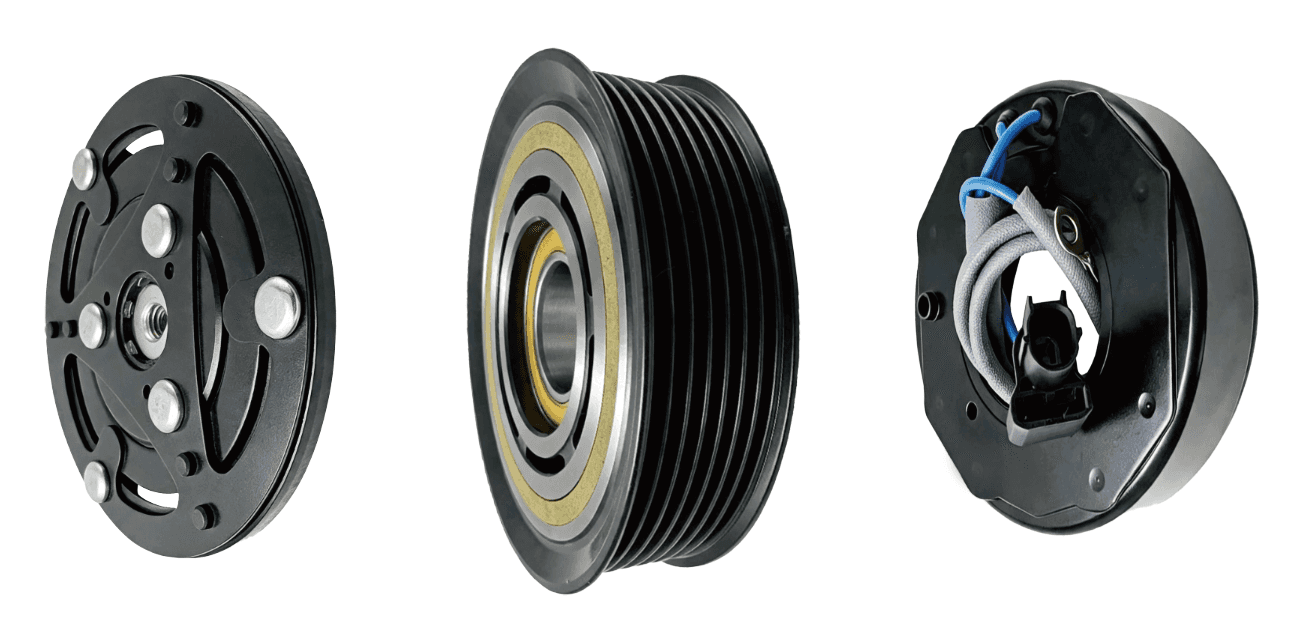
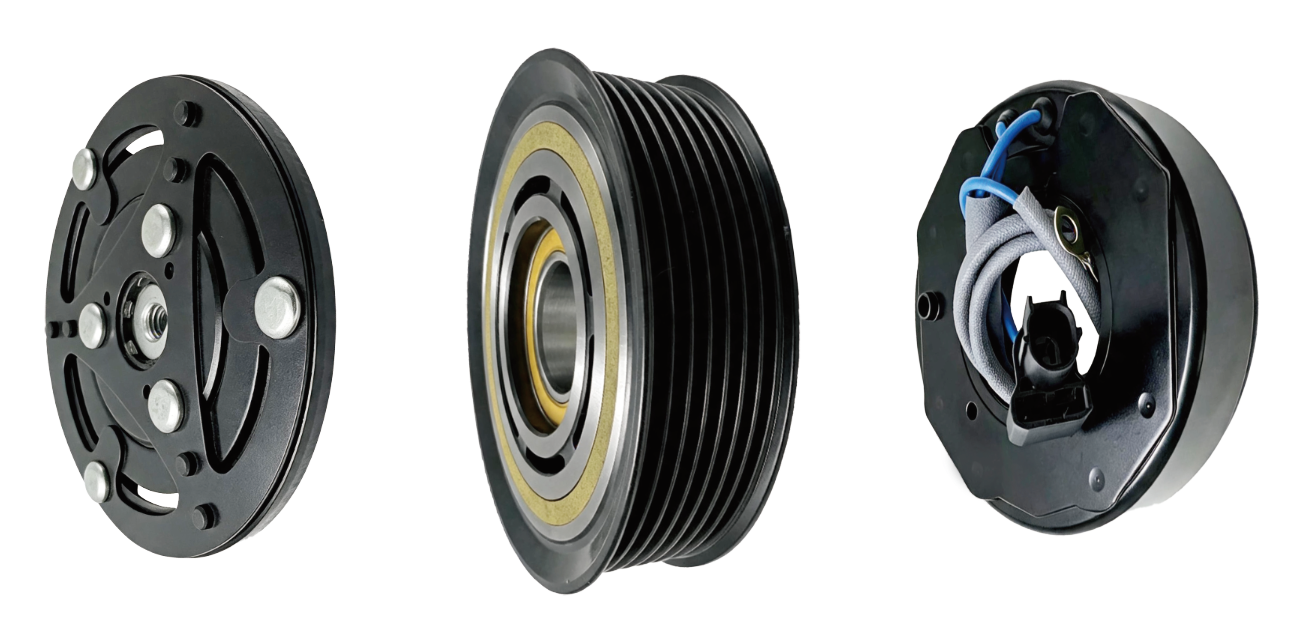
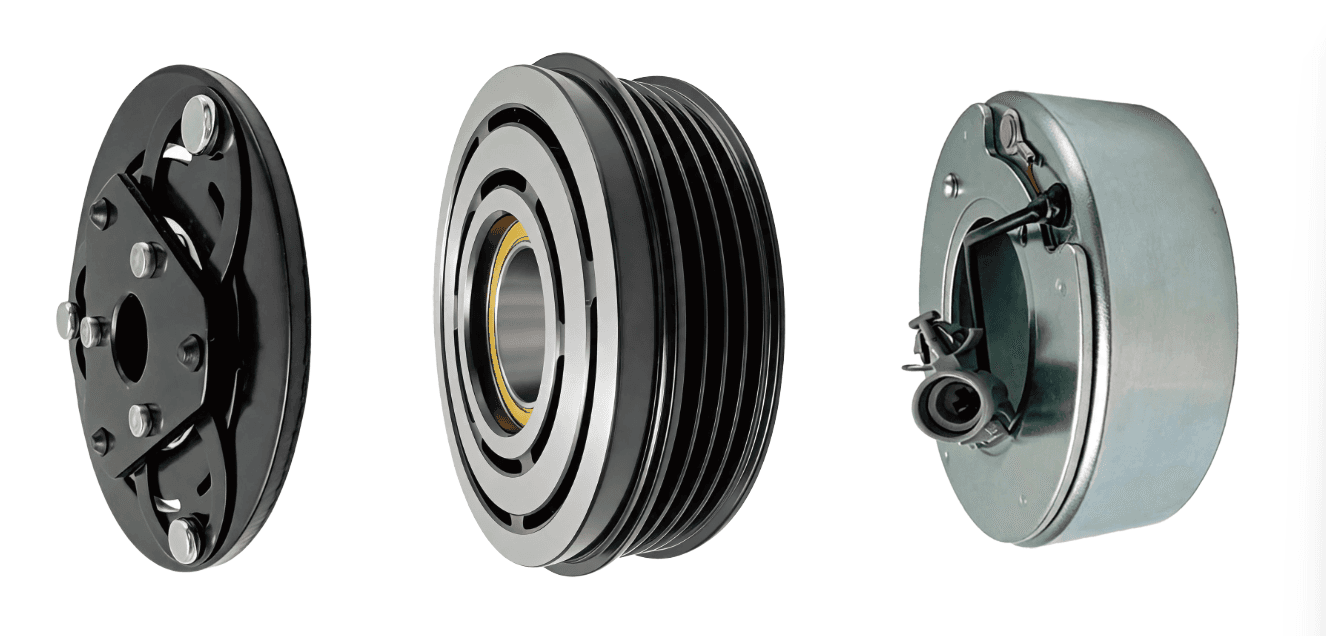
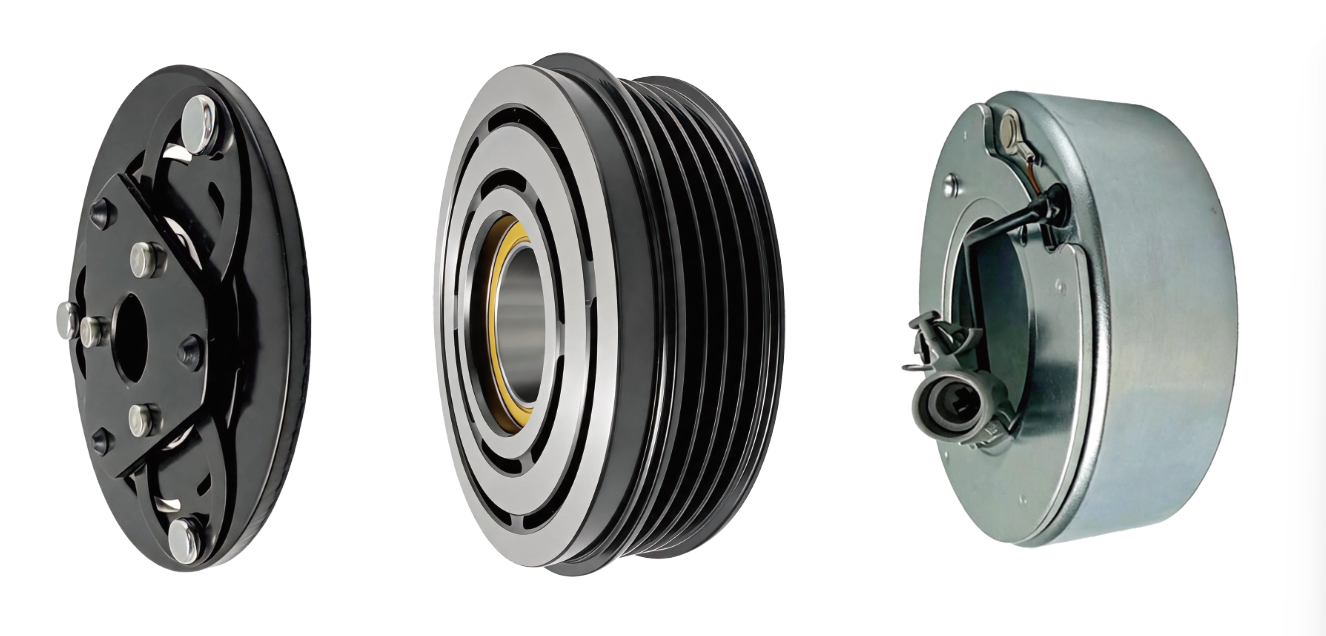
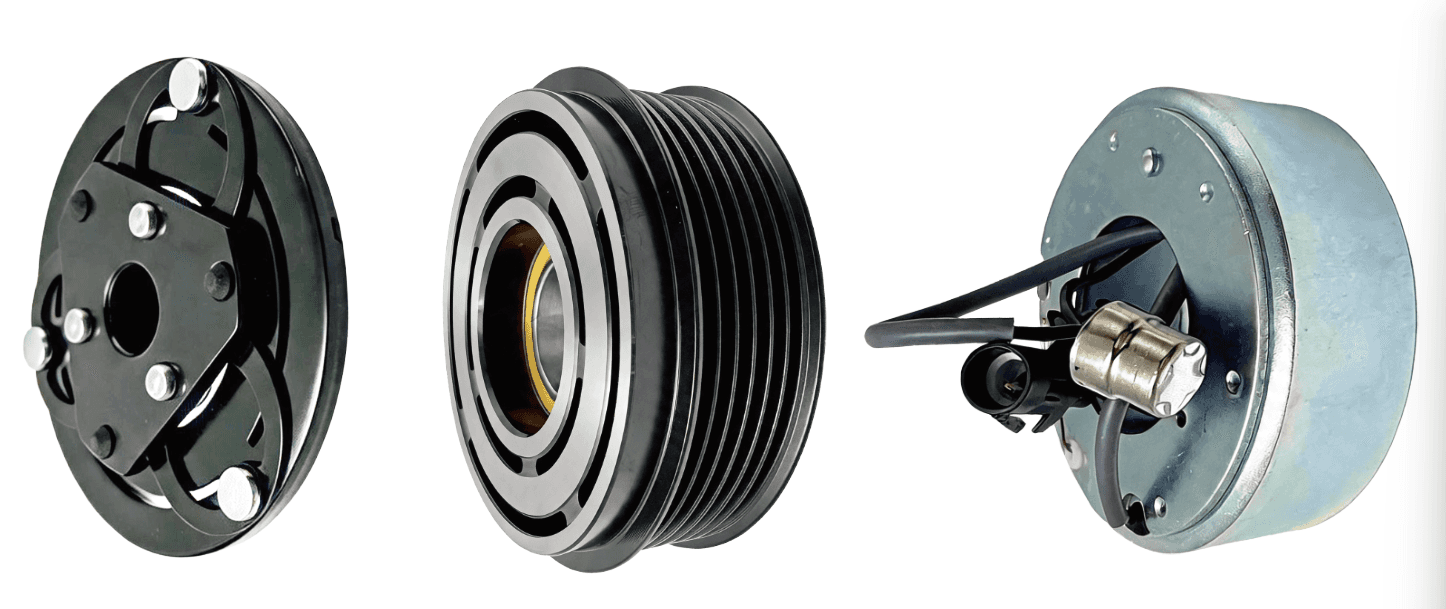
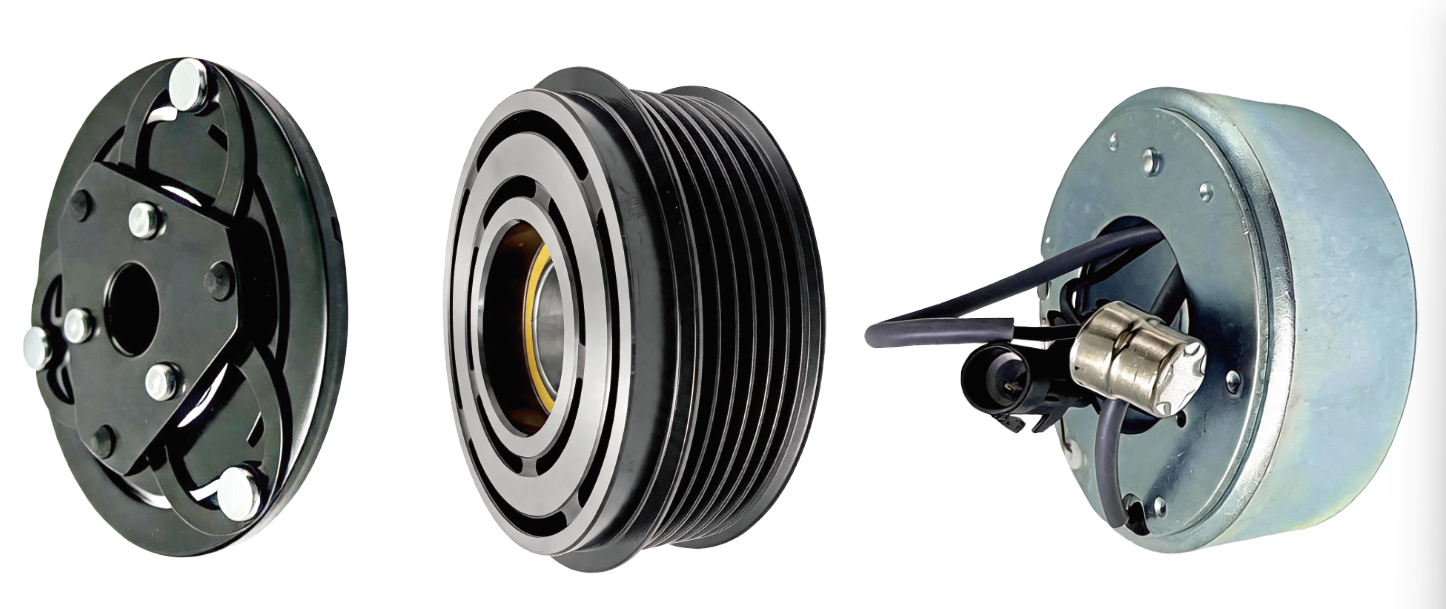
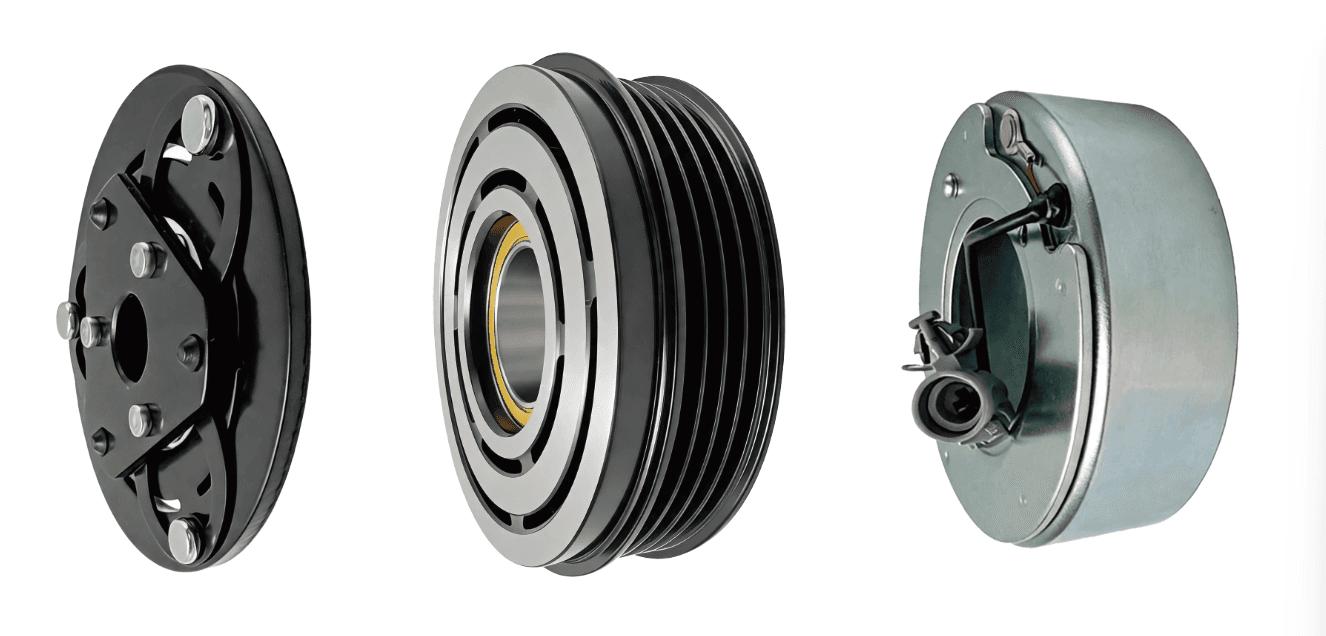
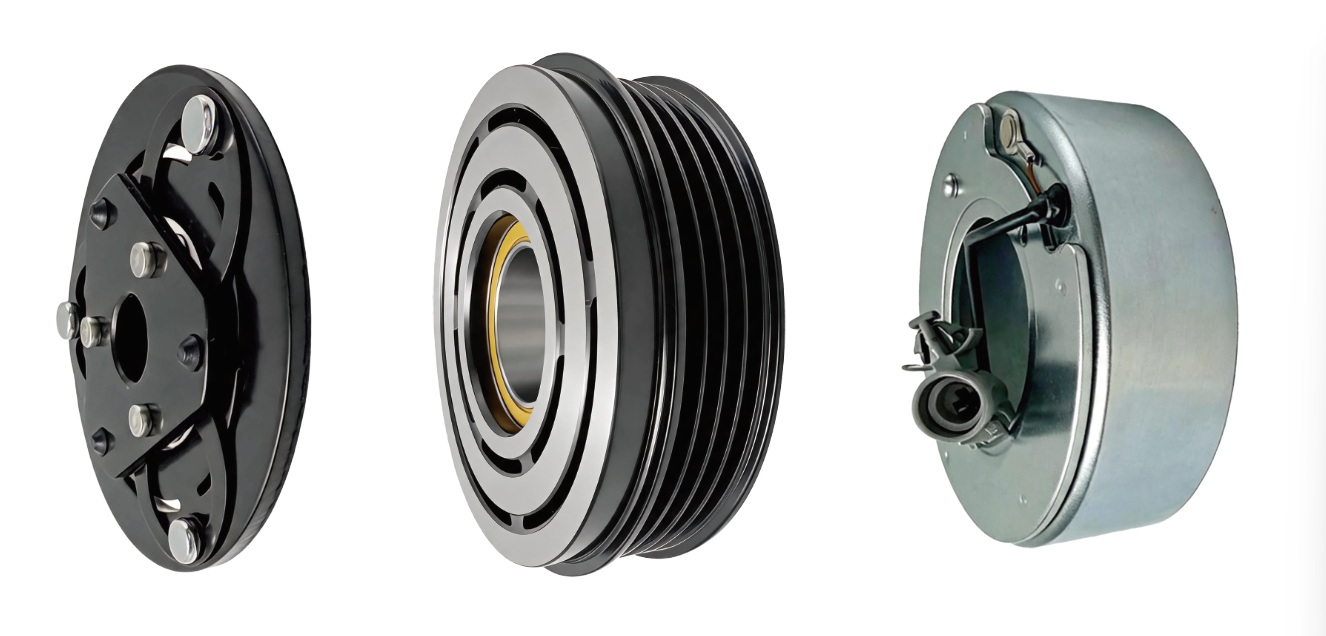
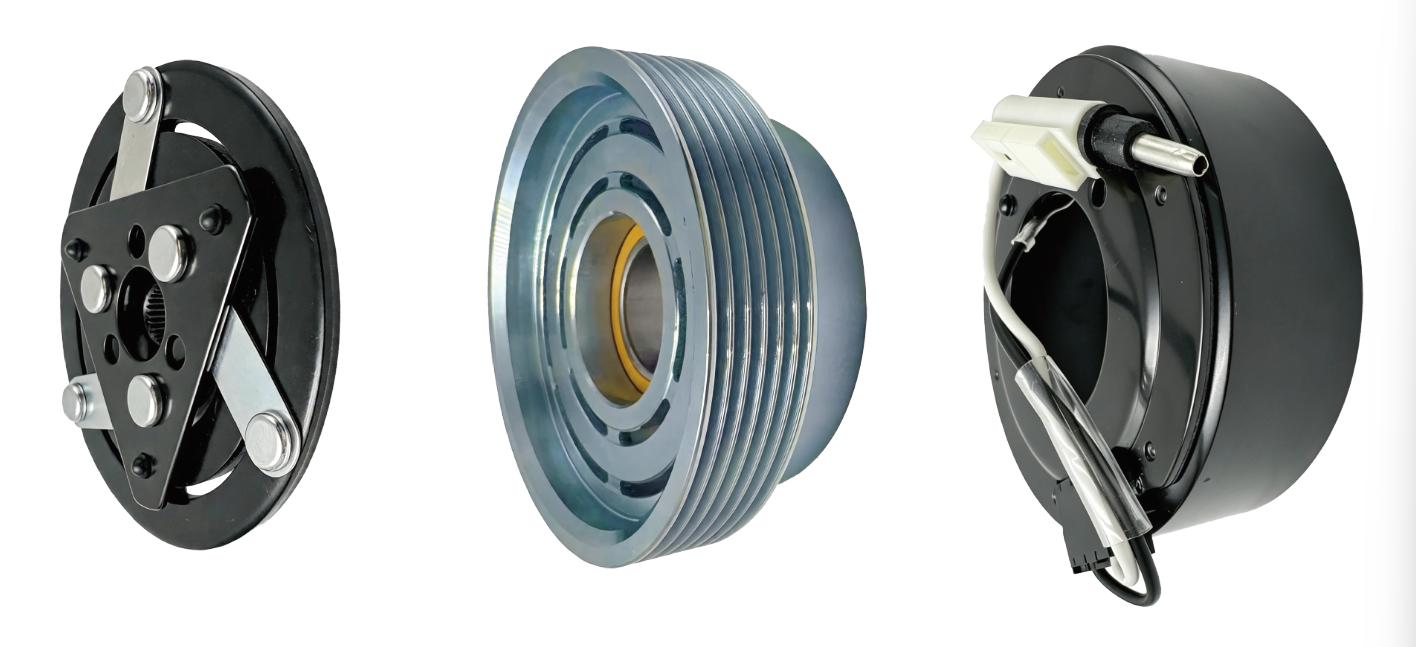
The component shown here is a precision electromechanical clutch assembly with a belt-driven pulley/sheave, a compact housing, and an electrical lead for coil activation. While the image suggests an industrial clutch/brake-style drive component rather than a passenger-car part, the same basic buyer concern applies: controlled torque transfer, dependable engagement, and reduced downtime when a drive system must start, stop, or switch load reliably. For service teams comparing an air conditioner compressor clutch against a complete compressor swap, this kind of assembly illustrates the mechanical function at the center of the repair decision.
What the Assembly Does
This type of component is designed to transmit torque when energized and release it when power is removed. In an AC compressor context, that means the compressor can remain unloaded until cooling is requested. In industrial equipment, the same operating principle supports indexing, intermittent motion, and controlled engagement in belt-driven machinery.
The visible structure includes a multi-groove pulley, a central hub area, and a wiring connector. Those features indicate a practical power transmission unit built for repeated switching. For buyers reviewing AC compressor clutch control or a vehicle AC compressor clutch failure, these same visible elements help identify whether the issue is likely mechanical, electrical, or both.
Visible Specifications and Construction Features
Mechanical structure
The assembly uses a round, compact housing with a machined metal pulley and multiple V-belt grooves. That configuration supports belt drive alignment and stable rotation. The black coated body suggests corrosion-resistant surface treatment on the housing, while the exposed metal faces indicate precision-machined contact areas.
Electrical interface
An insulated electrical lead and connector are visible on the assembled unit. In service work, that wiring path is important when checking AC compressor clutch wiring, connector condition, and the supply path from the relay or control circuit. If a clutch coil for AC compressor activation is not receiving proper power, the clutch may fail to pull in even when the rest of the system is functional.
Assembly elements
The visible plates, fasteners, and hub interface point to a carefully assembled electromechanical device. Depending on the exact configuration, the internal design may include a clutch plate, electromagnetic coil, and friction interface. Because the image does not confirm every internal detail, exact clutch-brake function should be verified before specification.
Materials and Finish Options
From the image, the product appears to combine painted or coated housing sections with machined steel or alloy components. That mix is common in power transmission assemblies because it balances structural strength, wear resistance, and manufacturability. The pulley face and hub are finished for dimensional accuracy, while the darker outer body likely serves protection and identification.
For buyers comparing a compressor clutch kit or planning AC clutch repair, finish quality matters because it affects fit, corrosion resistance, and long-term serviceability. Clean machining on the mating faces also helps reduce runout and vibration concerns.
Manufacturing Process Notes
This type of product generally falls into precision-machined electromechanical manufacturing. Typical operations may include CNC machining of the pulley and hub, stamping or forming of clutch plates, coil winding, electrical lead installation, bearing or bushing integration, and final assembly. Final balancing is often important in rotating units to help maintain smooth operation at speed.
Because the exact internal design is not fully visible, internal tolerance values, torque rating, and electrical specifications should be confirmed from technical drawings or part documentation before purchase.
Application Scenarios
Industrial clutch assemblies like this are used where machines need controlled engagement and release. Common application areas include conveyors, packaging lines, printing equipment, textile machinery, and automation systems with belt-driven motion. In automotive service language, the same product family is relevant to AC compressor clutch diagnosis, especially when a system shows intermittent engagement or belt-driven noise.
For troubleshooting, technicians may examine AC compressor clutch bearing condition, perform an AC compressor clutch voltage test, or check AC clutch relay diagnosis before replacing parts. When the control circuit is healthy but the drive element still slips or fails to engage, replacement of the clutch-related assembly becomes a practical repair path.
Quality Control Considerations
For a component like this, buyers usually evaluate concentricity, surface finish, connector reliability, assembly integrity, and rotational smoothness. In service environments, a worn air conditioner compressor clutch or damaged clutch plate can produce noise, poor engagement, or excess heat. For industrial users, the priorities are similar: repeatable engagement, secure electrical connection, and stable mechanical fit.
Because the product image does not provide test data, avoid assuming exact electrical performance or life cycle. Instead, request dimensional checks, coil resistance documentation, and runout verification if those factors are critical to your application.
Customization and Buyer Decision Factors
When sourcing this type of assembly, confirm shaft interface, pulley groove profile, mounting pattern, connector style, and coil voltage requirements. These details determine whether the part fits the machine without rework. Buyers should also verify whether the unit is clutch-only or part of a clutch/brake combination, since the two are not interchangeable in every system.
If you are replacing a vehicle AC compressor clutch, compare the old part carefully with the proposed replacement: hub geometry, bearing size, connector type, and pulley alignment all affect installation success. If you are purchasing for industrial equipment, ask for dimension drawings and installation guidance before committing to volume orders.
Request a Fit Check
If you need help matching this assembly to your machine, share the shaft size, mounting details, electrical requirements, and photos of the failed part. A proper fit check reduces downtime and avoids ordering the wrong AC compressor clutch or related drive component. Contact the supplier with your technical drawing or sample part to confirm compatibility before production or replacement.