

A/C clutch for car overview
An A/C clutch for car is the part that lets the air conditioning compressor connect to the engine only when cooling is needed. That matters because the compressor does not need to spin all the time, and controlled engagement helps reduce unnecessary drag on the engine while keeping cabin temperature stable. For buyers, the usual problem is a noisy, slipping, or non-engaging compressor drive that interrupts cooling performance; a properly matched clutch assembly can restore dependable operation without replacing the entire compressor in some cases.
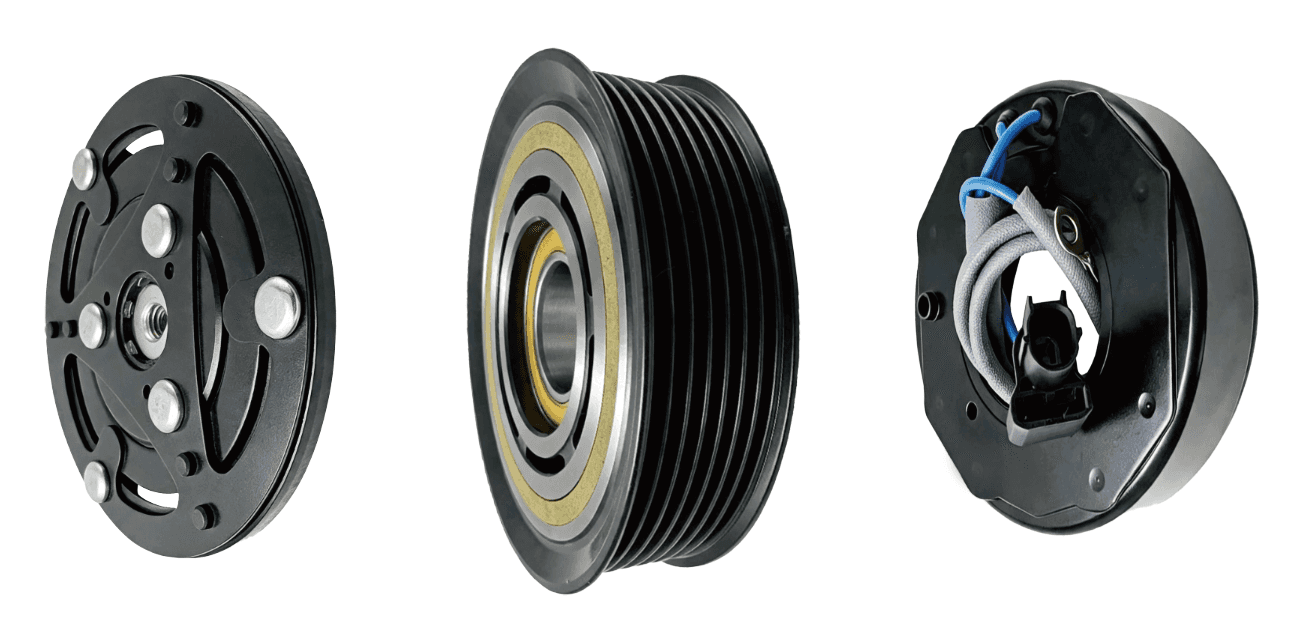
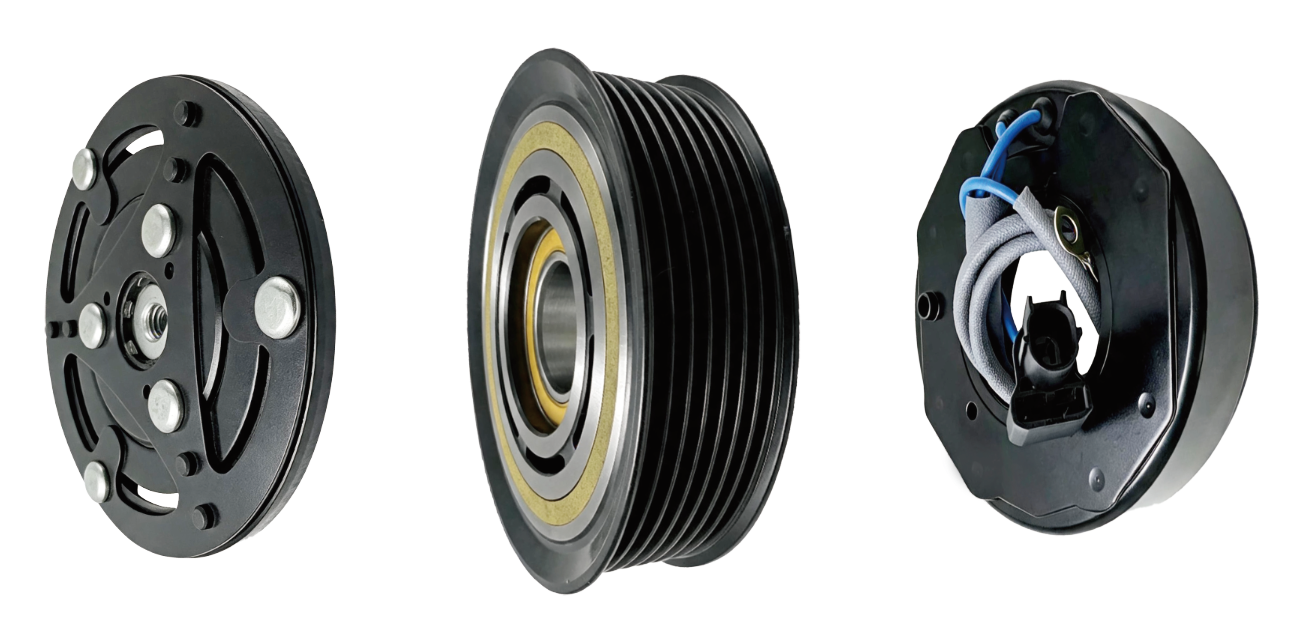
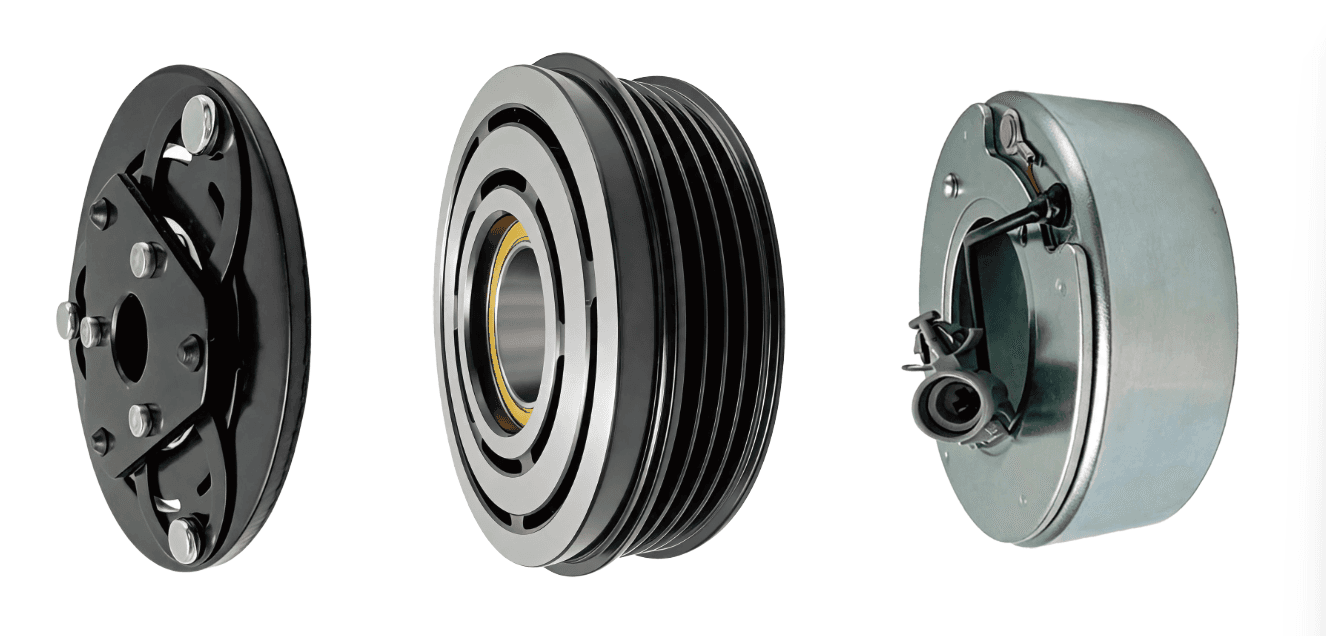
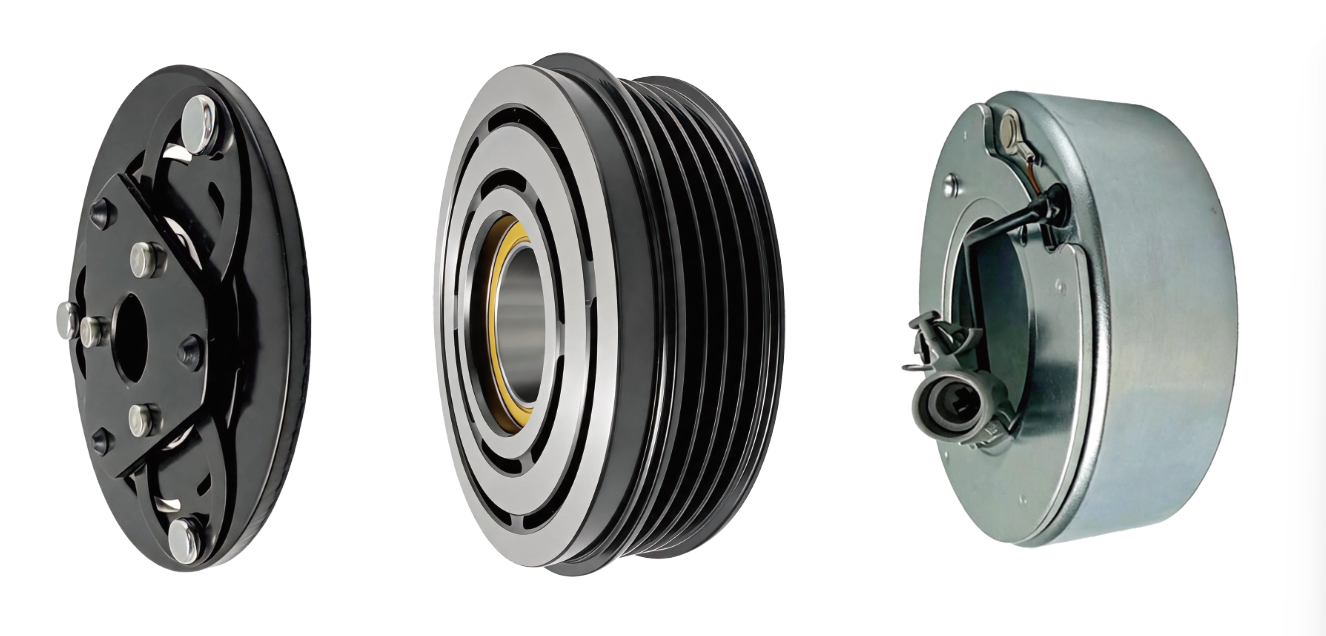
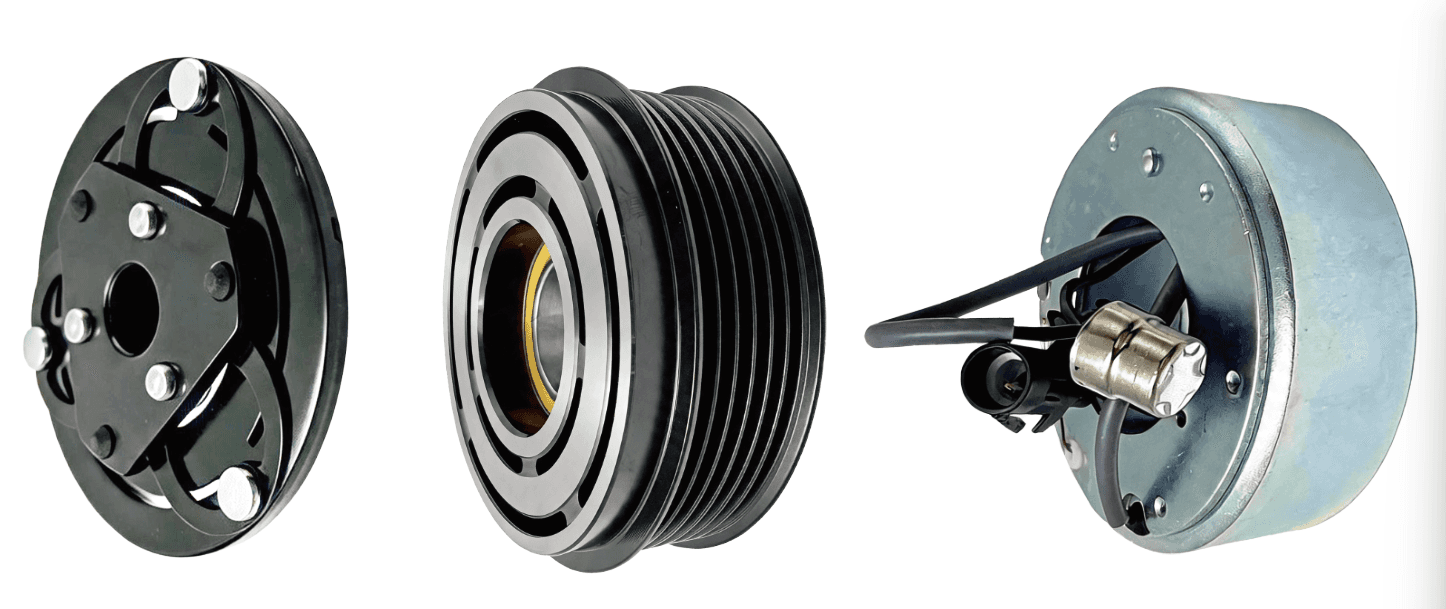
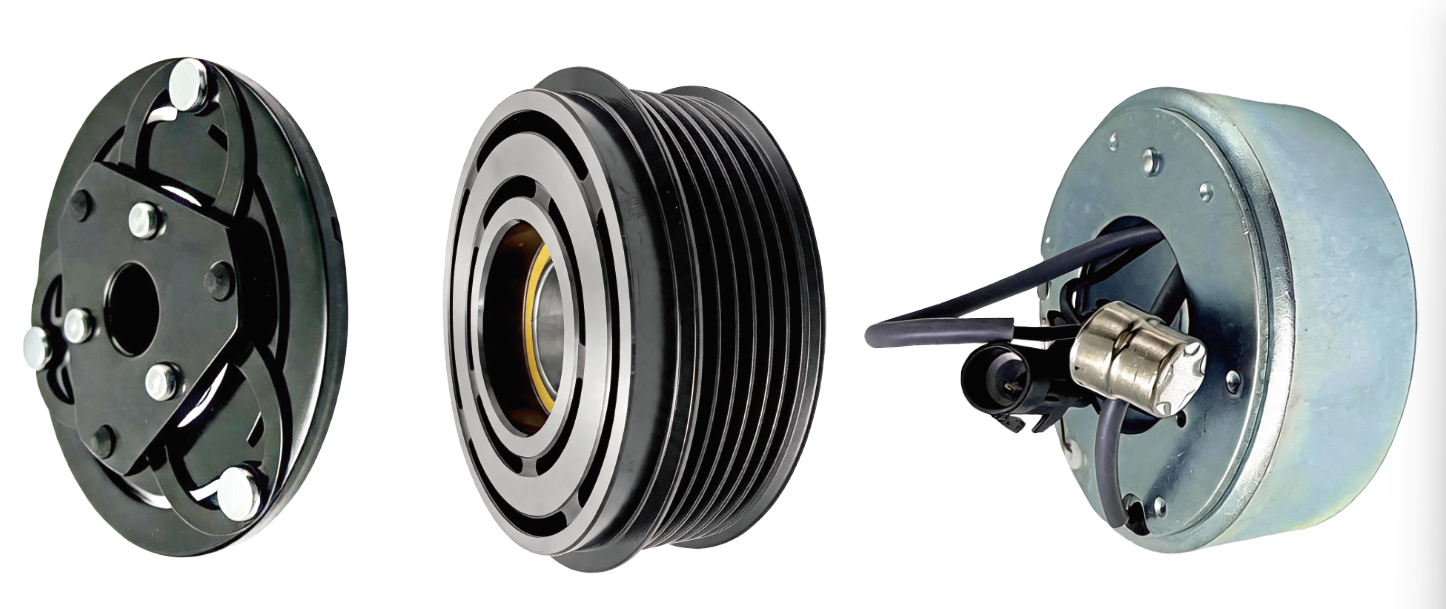
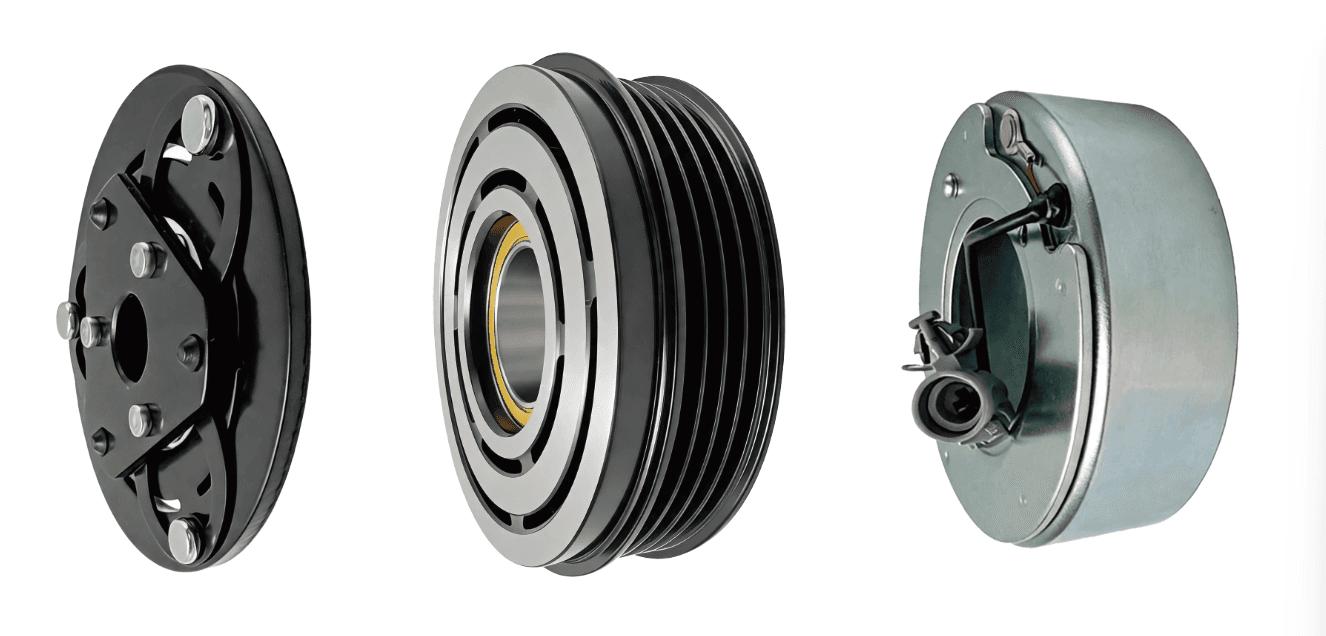
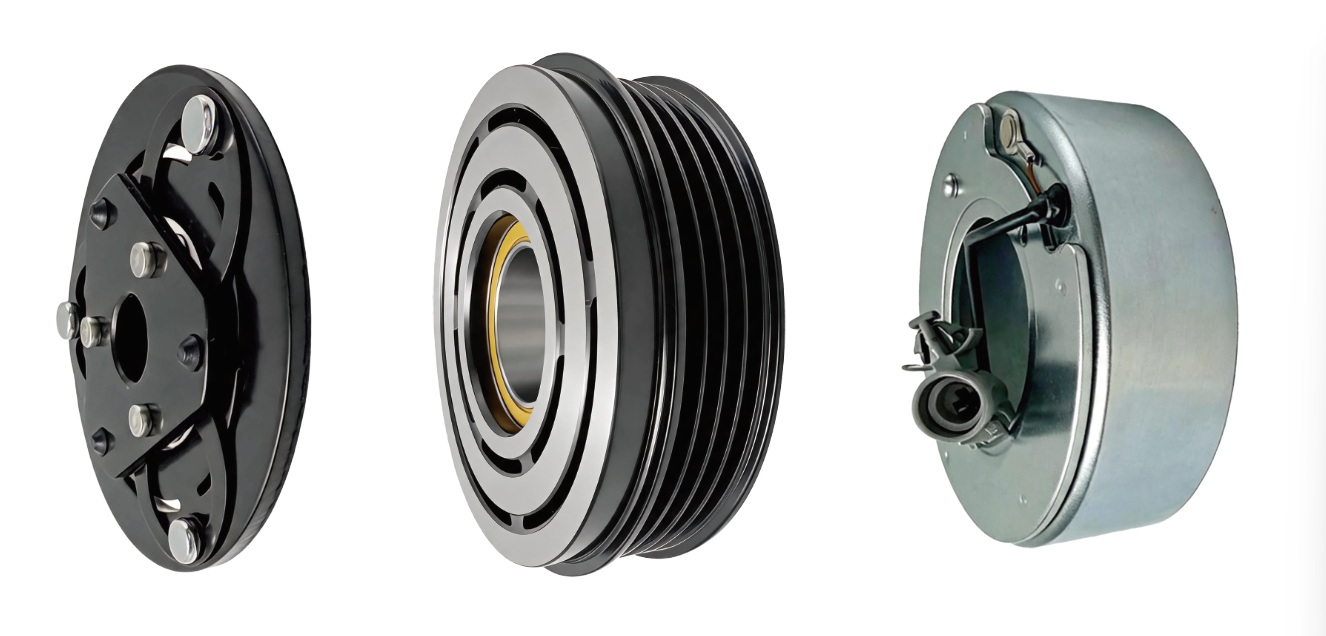
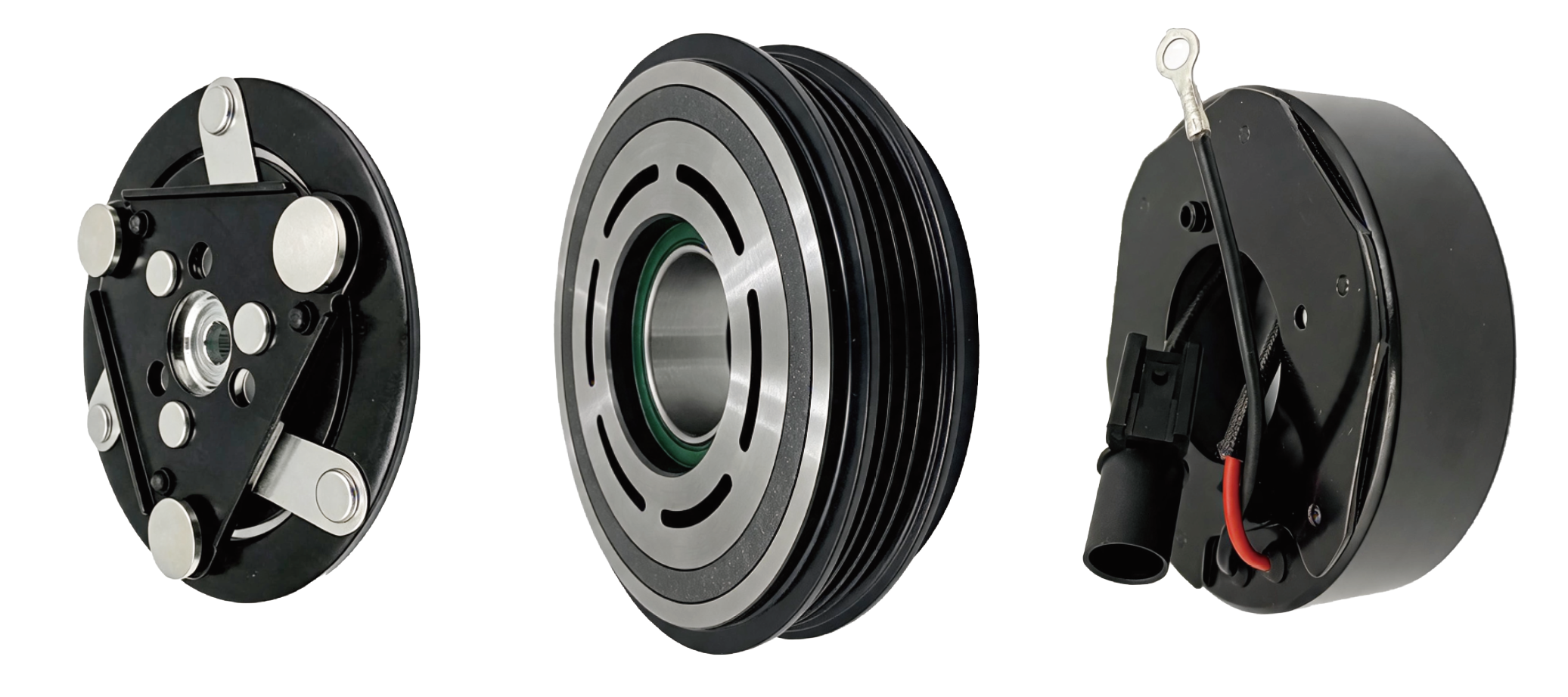
The visible product is an electromagnetic clutch and pulley assembly built for belt-driven equipment. It combines a grooved pulley, a central bearing-supported hub, and an electrically activated clutch section. In automotive systems, this type of unit is commonly used on the front of an A/C compressor, where the pulley rotates with the belt and the clutch engages the compressor shaft when the coil is energized.
Product structure and working principle
This style of air conditioning compressor clutch typically includes a pulley, bearing, armature plate, coil, and hub. The pulley turns continuously with the serpentine belt, while the magnetic A/C clutch engages the drive plate when power reaches the coil. Once energized, the clutch plate pulls into contact and transfers rotation to the compressor shaft. When the system shuts off, the clutch disengages and the compressor stops loading the engine.
Visible construction details
The assembly shows a round pulley profile with multiple belt grooves, a black-coated outer body, a silver machined front face with relief openings, and a central bore area with a visible bearing. A rear electrical lead is also visible, which supports the coil connection. These visible details suggest a precision-built electromechanical part designed for repeated start-stop cycles.
Key specifications and capabilities
Because exact dimensions and electrical values are not supplied, the safest way to evaluate this part is by structure and fitment rather than assumptions. Buyers typically compare the pulley diameter, groove profile, shaft interface, connector style, and mounting pattern before ordering. For service work, the condition of the bearing, coil, and friction surfaces often determines whether a car A/C clutch replacement is practical or whether additional compressor repair is needed.
What this component is designed to do
As a clutch for car AC compressor applications, it is intended to support intermittent engagement, belt-driven rotation, and reliable torque transfer. The bearing-supported pulley helps the belt spin smoothly when the clutch is off, while the electromagnet provides controlled engagement when cooling demand changes.
Materials and finish options
The visible assembly appears to use predominantly metal construction, likely including steel and/or aluminum parts. The outer housing is dark coated, while the front face is machined metal with a brighter finish. A rubber or polymer seal is visible near the center opening. In this product category, finish quality matters because the clutch sits in a warm, vibration-prone location and must resist wear, corrosion, and heat cycling.
Depending on the source and application, similar assemblies may use painted, coated, anodized, stamped, or machined surfaces. Finish choices usually affect corrosion resistance, assembly cleanliness, and appearance rather than changing the basic clutch function.
Manufacturing and assembly
An A/C compressor clutch kit or single clutch component is generally made through a mix of machining, stamping, winding, and assembly operations. The pulley and hub surfaces need accurate concentricity so the belt runs smoothly. The coil and connector must be seated securely, and the bearing must be properly installed to reduce noise and heat buildup. Even without a full teardown, the visible part suggests a compact, carefully assembled unit rather than a simple stamped bracket.
Application scenarios
This type of part is used in automotive air conditioning systems and other belt-driven equipment where intermittent drive engagement is required. For vehicle service, buyers may search by platform-specific needs such as an A/C compressor clutch for Toyota, A/C compressor clutch for Nissan, A/C compressor clutch for Honda, A/C compressor clutch for Ford, or A/C compressor clutch for Chevrolet. The correct choice depends on exact compressor family and mounting geometry, not vehicle brand alone.
For repair shops, a car AC compressor clutch kit can be useful when the pulley bearing, coil, or armature plate has worn but the compressor body remains serviceable. In other cases, technicians may also need an A/C clutch bearing or an A/C compressor clutch actuator-related component depending on the system design.
Quality control and buying factors
When selecting an A/C clutch for car service, buyers should check fitment data carefully. Important decision factors include pulley groove type, connector shape, hub depth, bearing smoothness, and visual match to the removed part. If the clutch is being installed during repair, a car AC compressor clutch tool may be needed for removal and alignment. Shops also compare the car AC compressor clutch kit price against the cost of replacing the full compressor assembly.
Quality control in this category usually focuses on rotation smoothness, electrical continuity, assembly concentricity, and surface finish consistency. Even small runout or connector issues can cause noise, poor engagement, or belt wear.
Customization and replacement guidance
If you need a replacement, provide clear photos of the front face, pulley grooves, rear connector, and hub area. That helps confirm whether the part matches your compressor family and reduces ordering mistakes. For custom or OEM-style sourcing, confirm the connector format, belt profile, and mounting arrangement before placing an order. If your unit is for a magnetic A/C clutch used in non-vehicle equipment, share the operating environment and shaft details so the correct assembly can be matched.
Request fitment support
If you are sourcing a car A/C clutch replacement or comparing a full A/C compressor clutch kit, send the old part number, photos, and basic vehicle or equipment information. We can help you narrow the options and identify the right clutch assembly for your application.