

AC clutch assembly Overview
An AC clutch assembly helps solve a basic but important problem in vehicle and equipment air-conditioning systems: the compressor should not be driven all the time. By engaging only when cooling is needed, an AC clutch assembly connects and disconnects the compressor from the drive source, which supports efficient operation, reduces unnecessary wear, and allows more controlled system performance. In many discussions, the same part may also be referred to as an A/C clutch assembly, compressor clutch assembly, or AC compressor clutch assembly, depending on the application and service context.
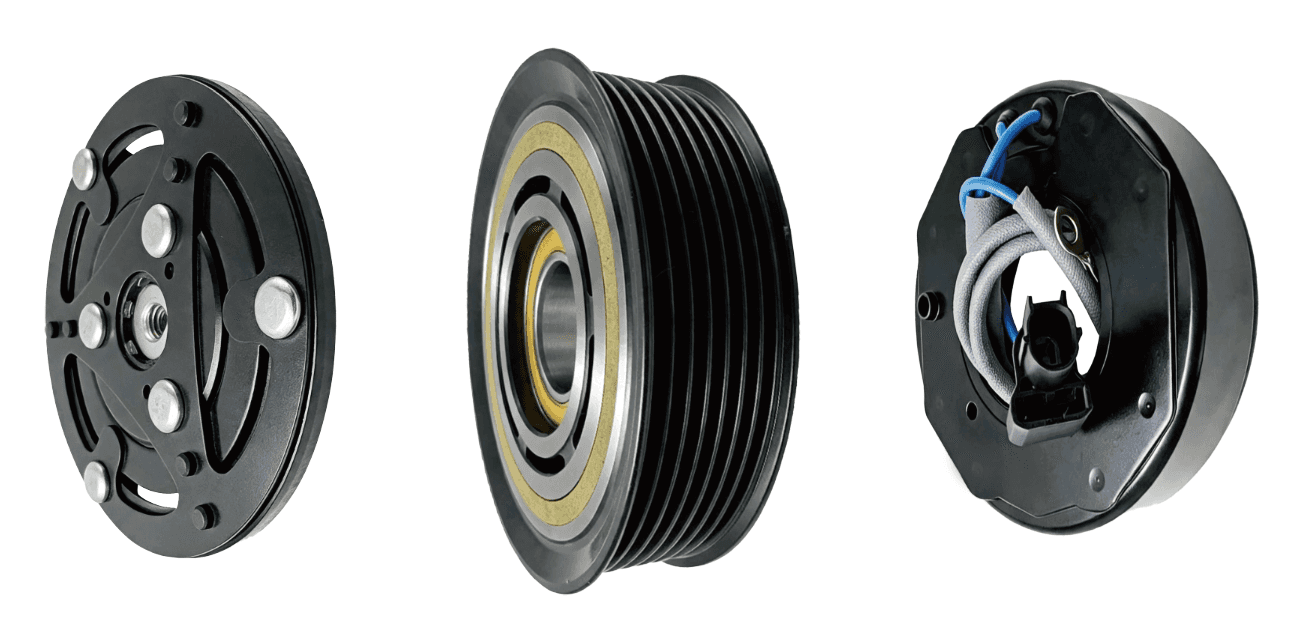
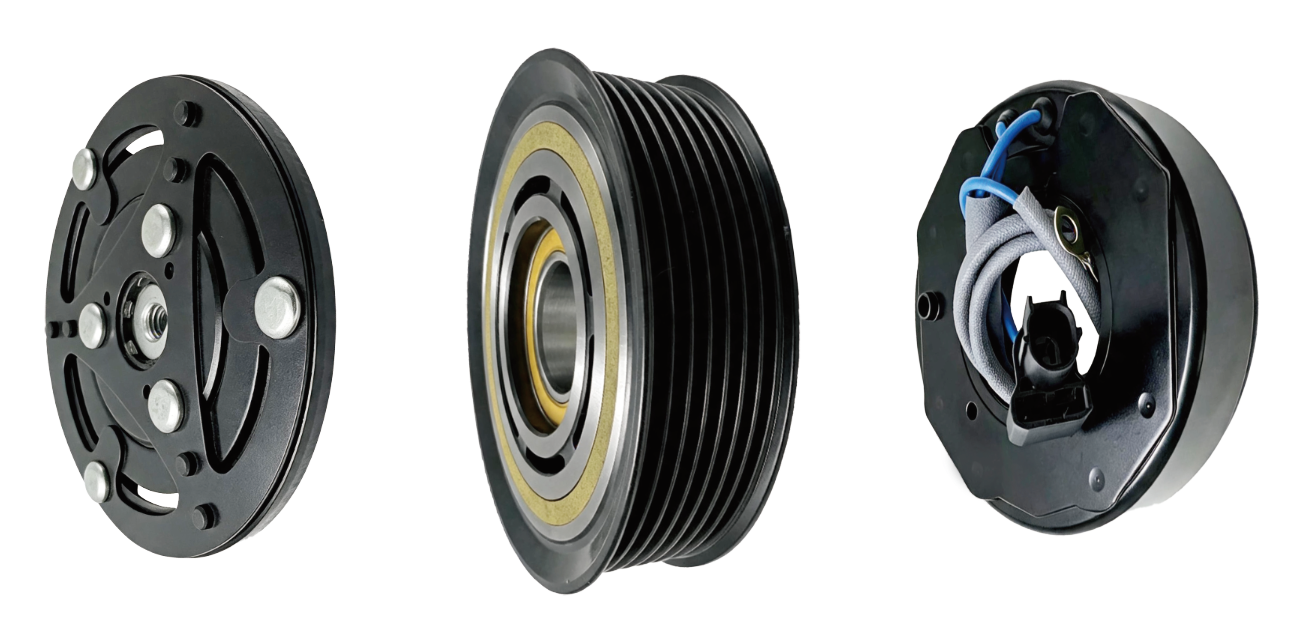
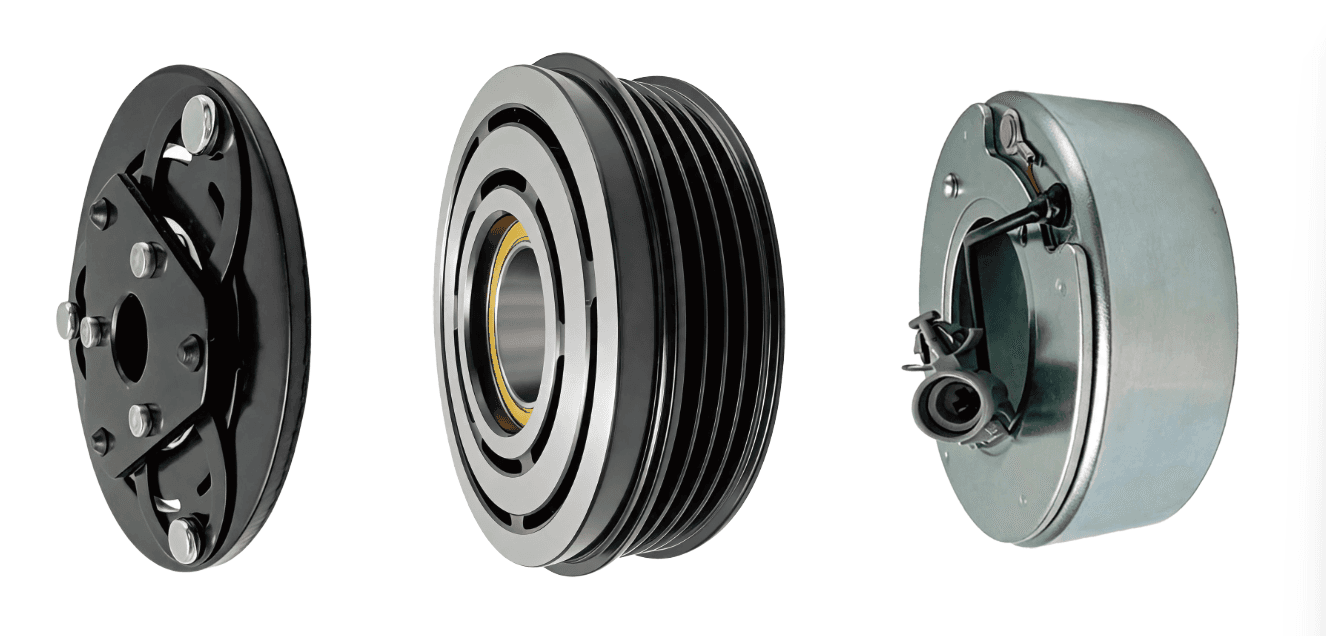
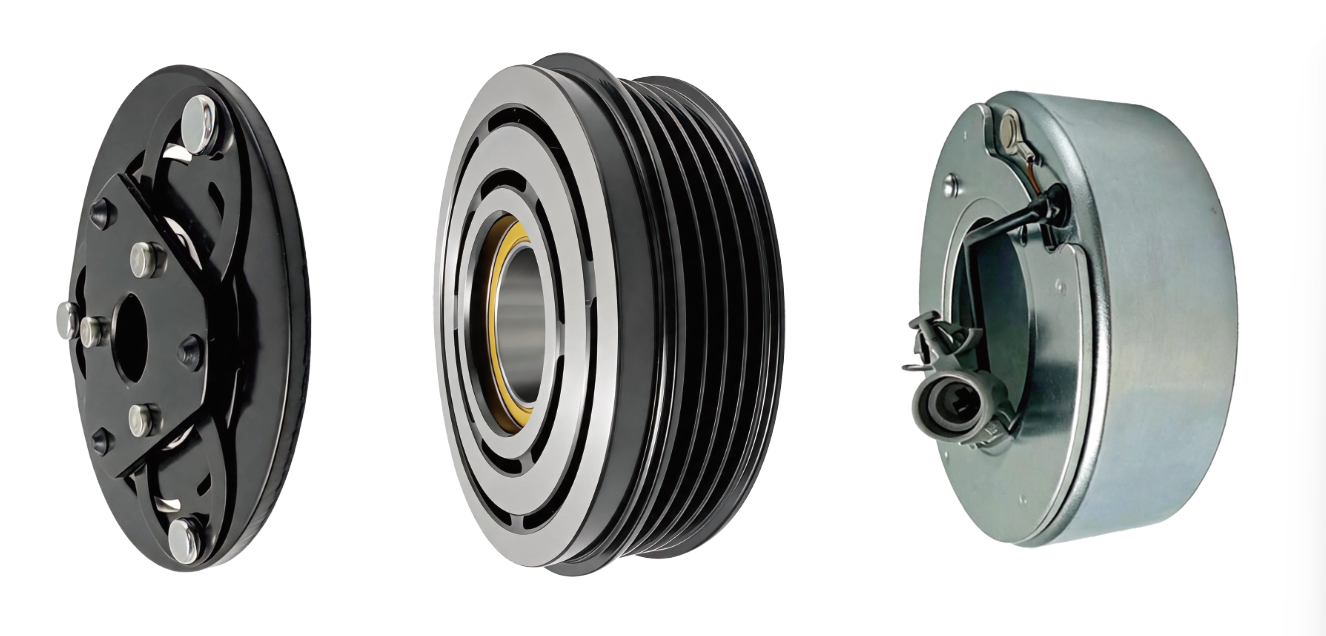
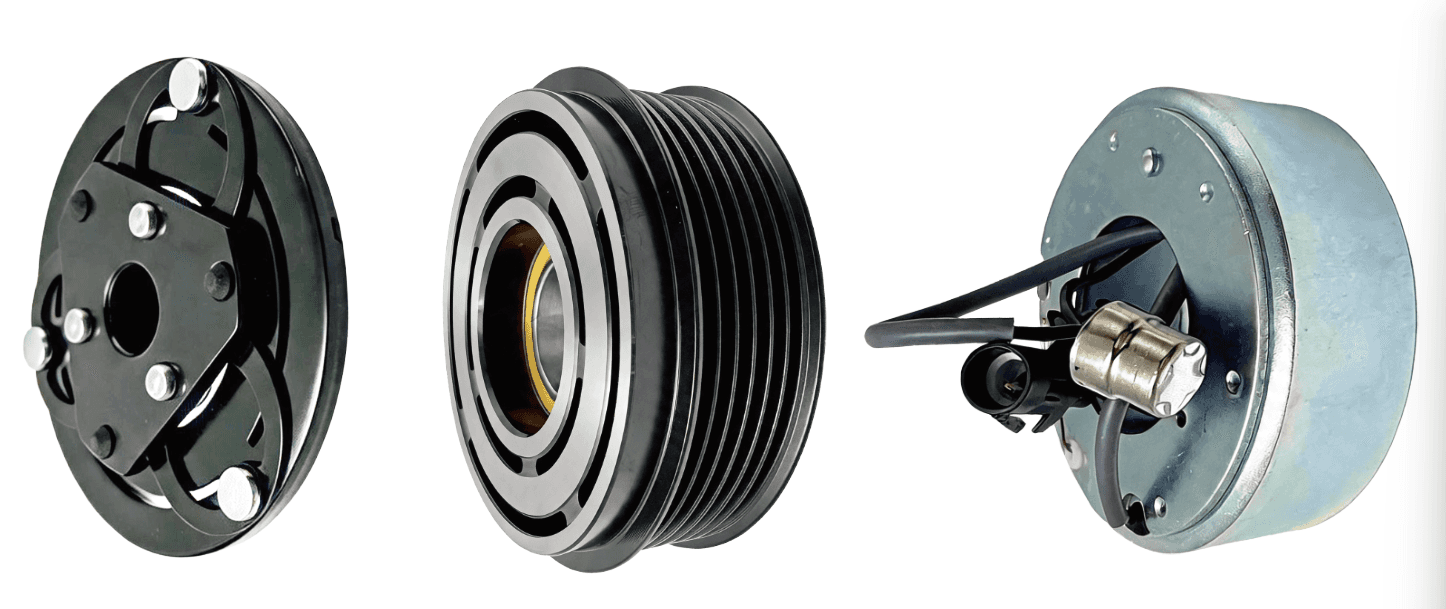
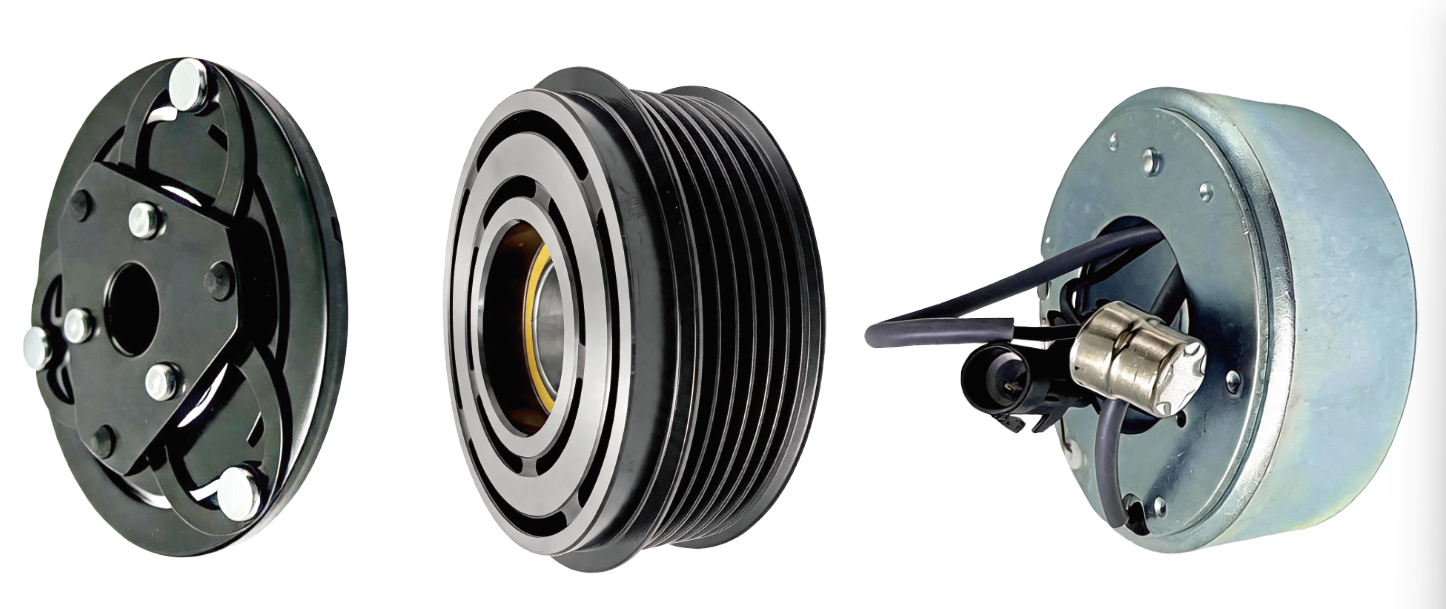
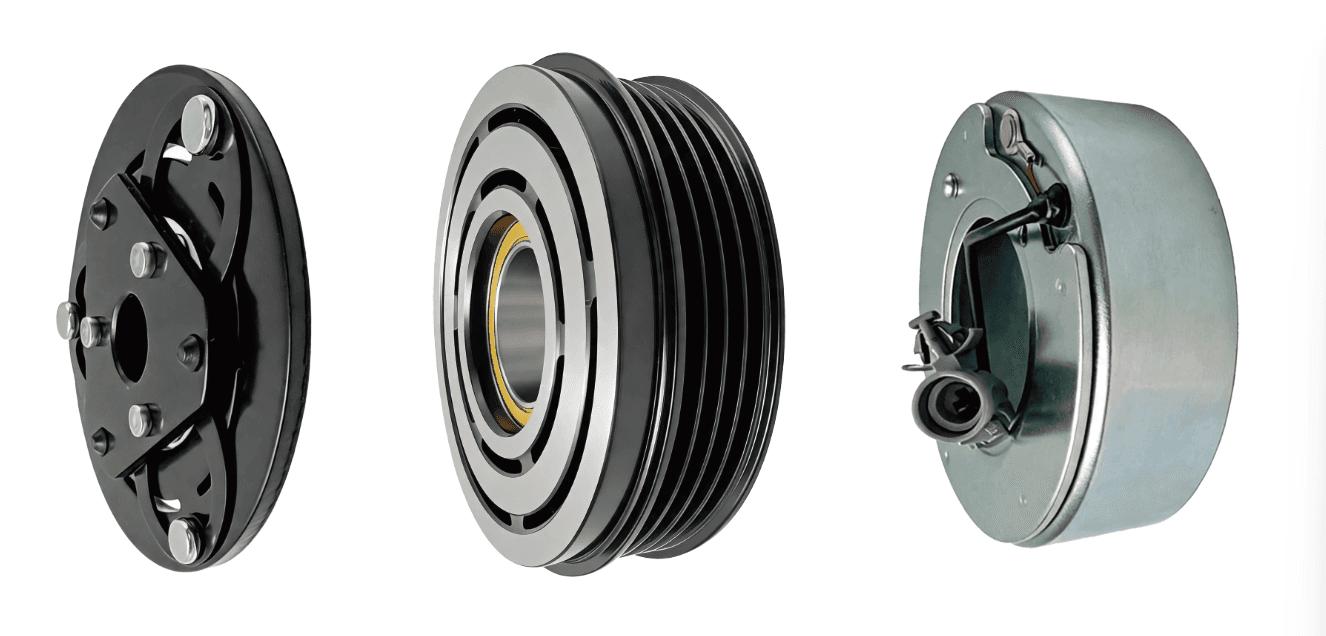
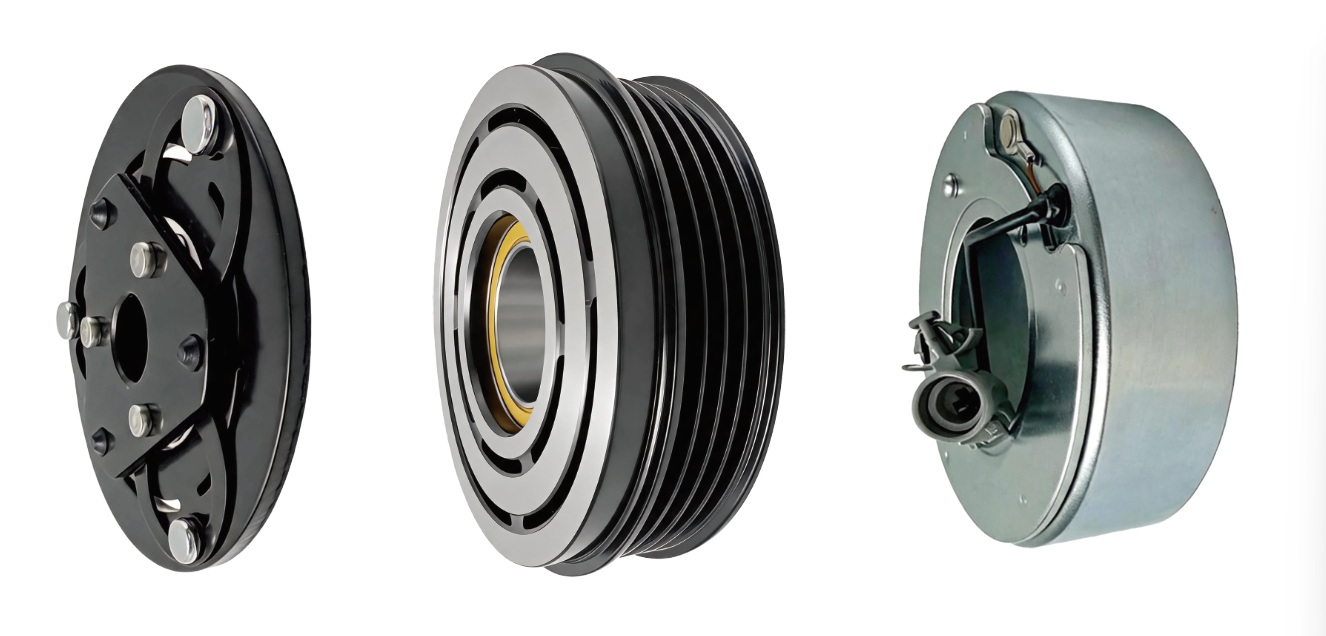
The visible product data indicates an industrial electromagnetic clutch/brake style component with circular metal construction, machined contact faces, mounting hardware, and an electrical lead on one unit. That means the broader engineering concept behind this page is relevant not only for automotive HVAC service, but also for machinery that needs controlled engagement, disengagement, holding, or braking.
Product Overview
An electromagnetic clutch assembly typically combines a pulley or rotating input member, a hub or armature section, a coil, and a contact face that transfers drive when energized. In air-conditioning service, this concept is often packaged as an AC clutch kit or compressor clutch kit for replacement and repair. In industrial equipment, the same basic design may be used for drive control, indexing, or stopping a rotating shaft.
From the visible features, the units shown include a round body, central bore or hub area, fastening points, and in one case a grooved pulley section. These elements suggest a compact design suitable for rotating assemblies where alignment and reliable engagement matter.
Visible Construction Features
Geometry and mounting
The parts appear to use a circular, concentric layout with a central bore, ring-like faces, and bolt-on attachment points. This configuration is common in clutch and brake assemblies because it supports balanced rotation and straightforward installation.
Electrical actuation
One visible unit includes an electrical lead or connector, which is consistent with an electrically controlled electromagnetic clutch assembly. In service terms, that means the part can respond to an electrical signal rather than relying only on mechanical linkage.
Pulley and hub details
The center unit shows a grooved multi-rib pulley/sheave section, while other units show a clutch face and housed body. In an AC clutch hub or compressor clutch hub setup, the pulley surface is a key interface for belt drive, while the hub transfers motion to the compressor shaft when engaged.
Materials and Finish Options
The visible units are mainly steel or iron based, with a mix of black painted or coated surfaces and bare or zinc-plated metallic areas. In this type of component, material selection is usually driven by strength, wear resistance, magnetic response, and resistance to corrosion.
Common finish choices for a compressor clutch assembly or industrial clutch assembly may include painted surfaces, plating, or machined friction faces. The exact friction material, coating, and internal construction are not visible here, so they should be confirmed during sourcing.
Manufacturing and Assembly Process
Based on the visible construction, production likely involves precision machining, stamping, surface finishing, and final assembly of the hub, pulley, coil, and fasteners. For an AC clutch cover or similar component, concentricity and face quality are important because they affect engagement feel, noise, and wear behavior.
Assembly also needs accurate placement of bearings, springs, armature elements, and wiring interfaces. In industrial use, the same discipline applies to electromagnetic clutch assembly and brake units where alignment directly affects performance.
Application Scenarios
The product category is suitable for automotive air-conditioning service and for industrial systems that require controlled motion. Typical scenarios include conveyors, packaging lines, printing equipment, machine tools, and other rotating equipment where start/stop control or braking is needed.
For buyers searching for a universal AC clutch assembly or replacement AC clutch kit, the important question is whether the dimensions, mounting pattern, pulley style, and electrical interface match the existing system. For industrial buyers, shaft size, engagement style, and operating environment become just as important.
Quality Control Considerations
A practical buyer should look at measurable factors such as fit, concentricity, mounting accuracy, connector compatibility, and surface condition. Because the exact torque capacity, voltage, temperature rating, and duty cycle are not provided here, those specifications should be verified before purchase.
For an air conditioning clutch assembly, testing often focuses on electrical continuity, engagement consistency, and rotating balance. For industrial clutch and brake parts, inspection may also include bearing fit, fastener security, and friction face quality.
Customization and Selection Guidance
When specifying an AC clutch assembly, buyers should confirm the compressor or equipment model, pulley groove profile, hub dimensions, bore size, connector type, and mounting arrangement. If the part is being used in industrial machinery, define the shaft interface, operating load, and control method before ordering.
If you need a compressor clutch hub, AC clutch hub, or related assembly, match the replacement part to the original geometry rather than relying on appearance alone. Even similar-looking units can differ in coil design, engagement depth, or mounting pattern.
Buyer Decision Factors
Before selecting a replacement, compare fit, construction quality, material finish, and ease of installation. If your project needs a compressor clutch assembly for service work, prioritize compatibility and reliable engagement. If the application is industrial, focus on duty requirements, control integration, and mechanical durability.
Request a Quote or Technical Review
If you are sourcing an AC compressor clutch assembly, A/C compressor clutch kit, or a related electromagnetic clutch assembly, provide your equipment model, photos, dimensions, and connector details. Clear technical input helps reduce mismatch risk and improves the chance of selecting the correct part on the first order.