

AC Clutch Assembly Overview
An AC clutch assembly is the component that allows an engine-driven air conditioning compressor, or a similar belt-driven accessory, to engage only when cooling is needed. For buyers, this solves a common maintenance problem: a compressor pulley may still spin with the belt, but without a reliable clutch engagement the system cannot transfer drive power to the compressor shaft. In repair and assembly work, a properly matched clutch assembly helps restore controlled engagement, reduce unnecessary load, and keep the HVAC drive system operating as intended.
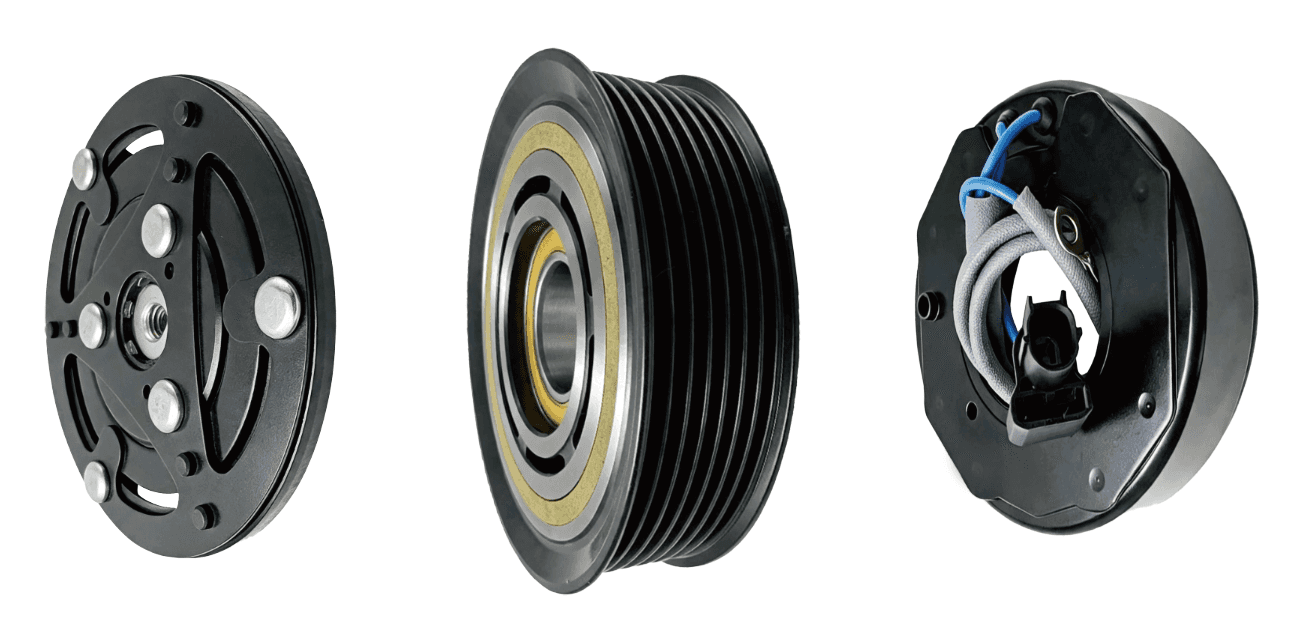
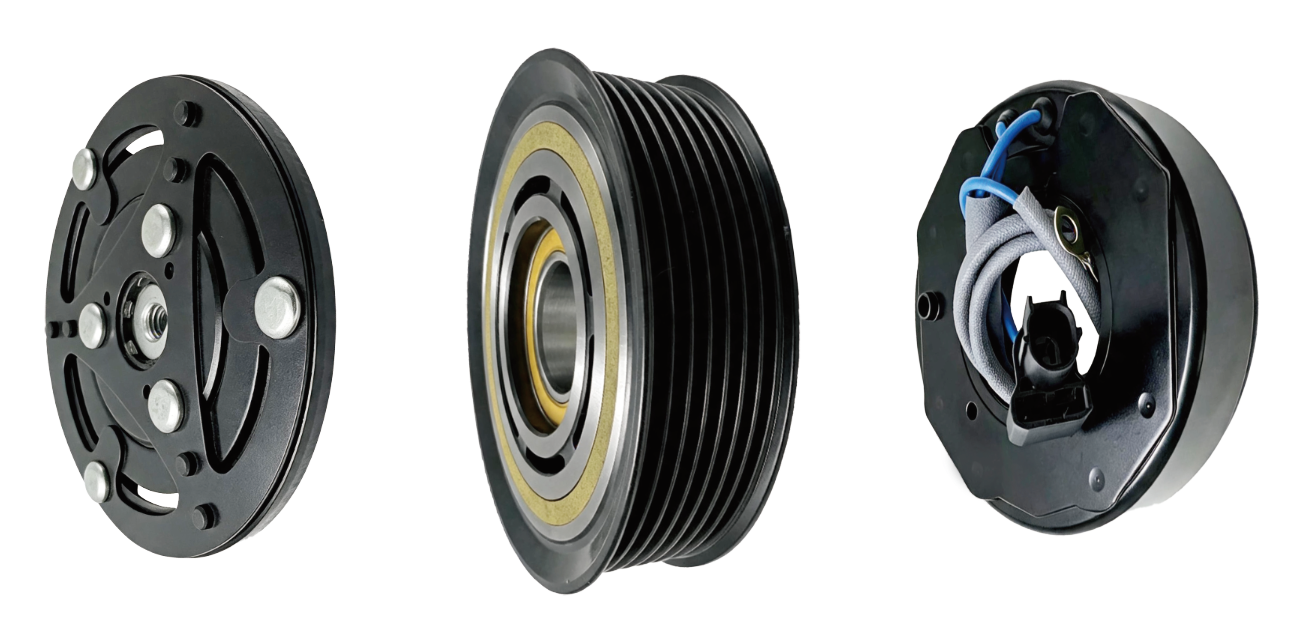
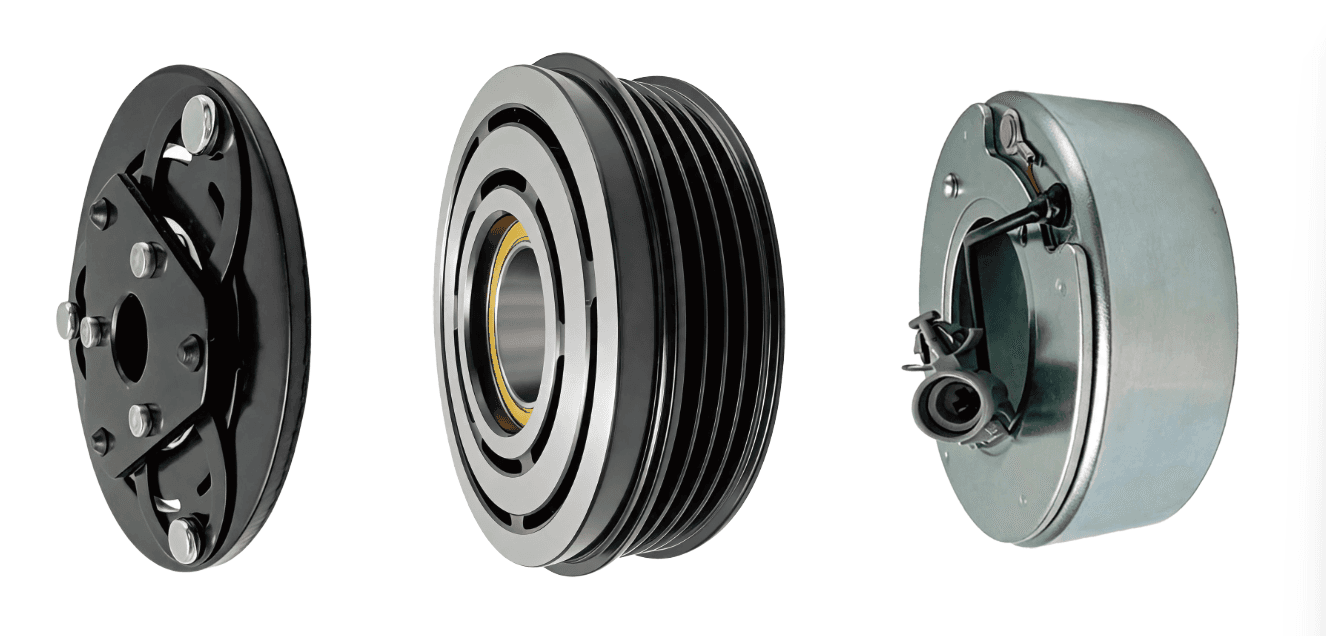
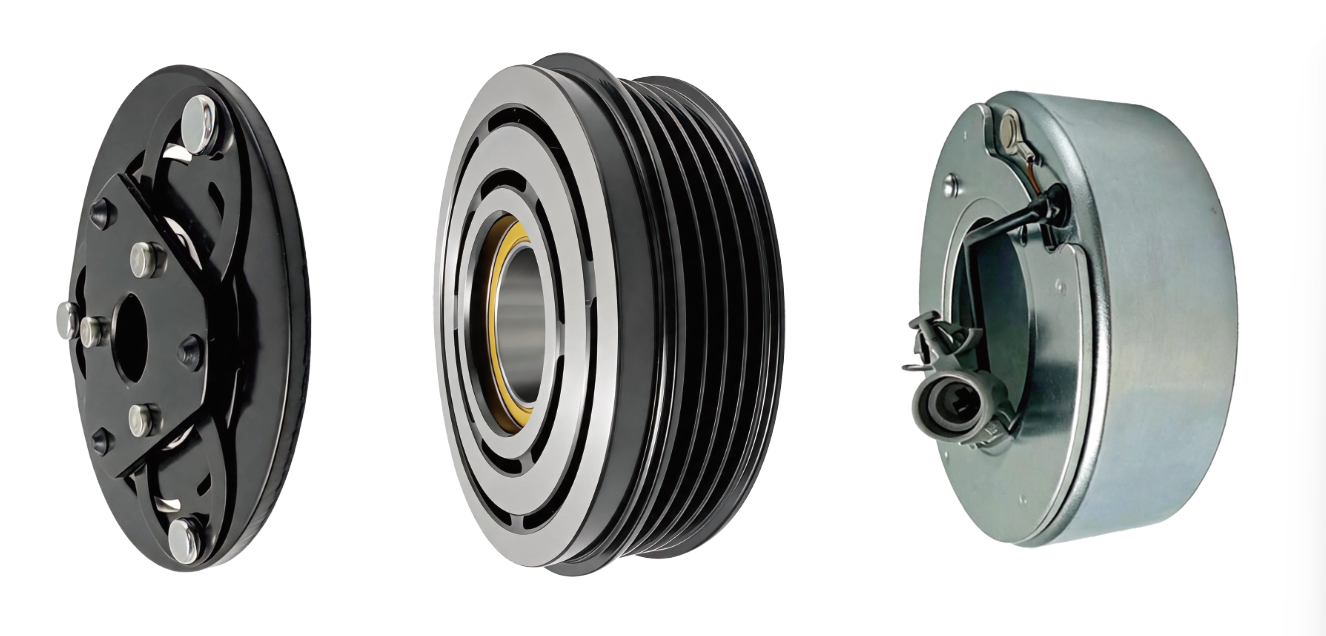
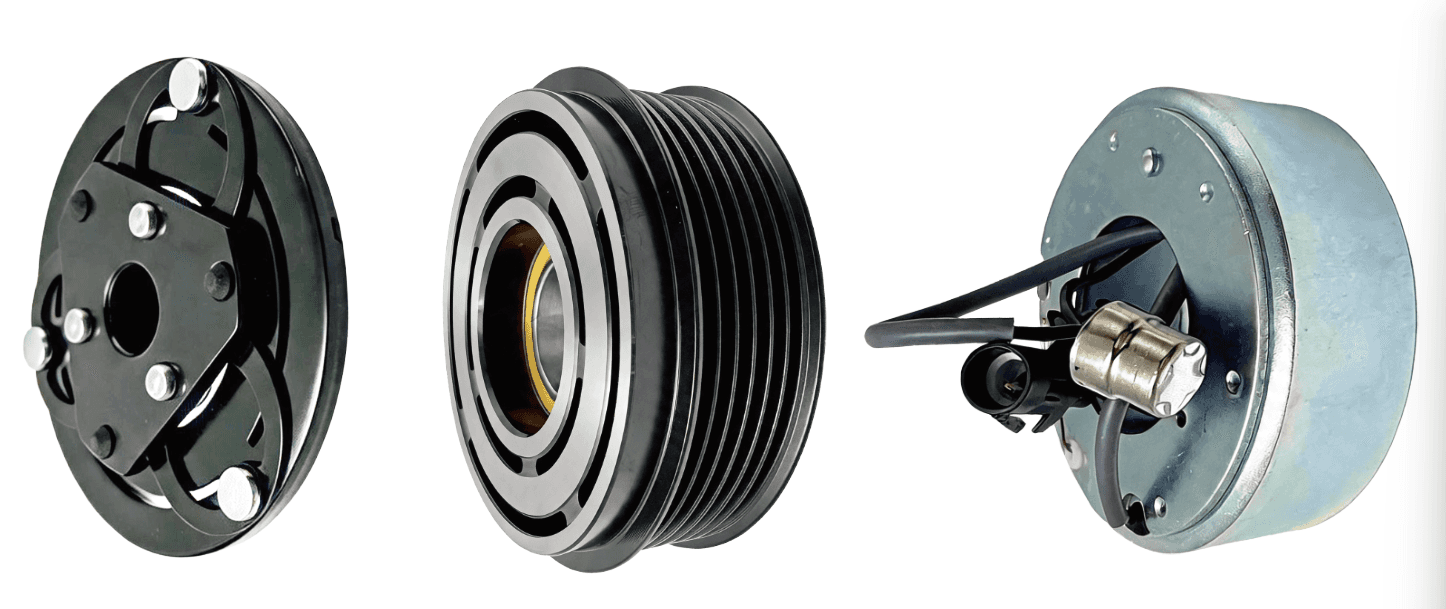
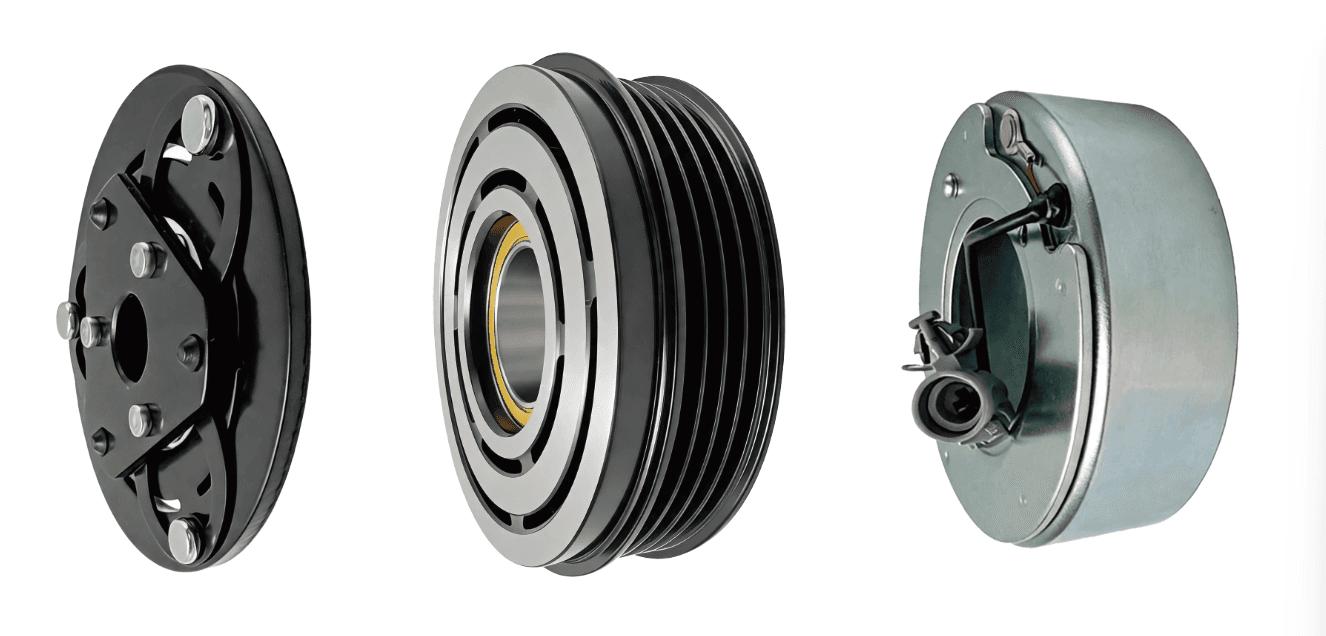
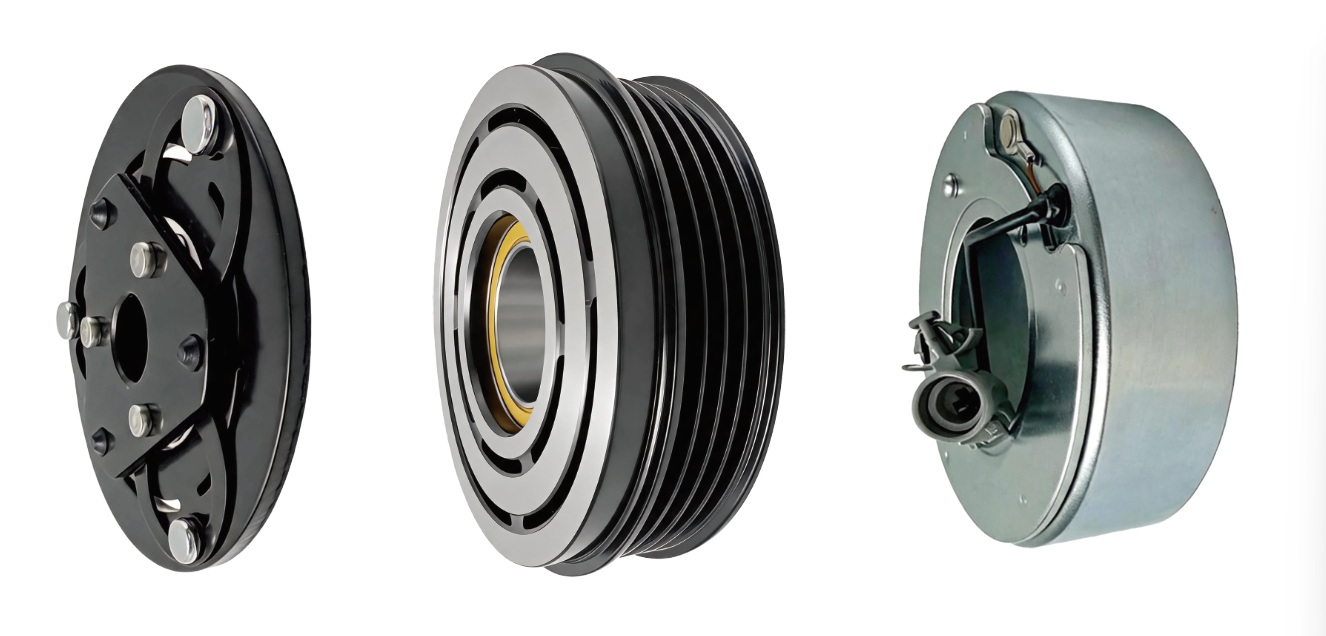
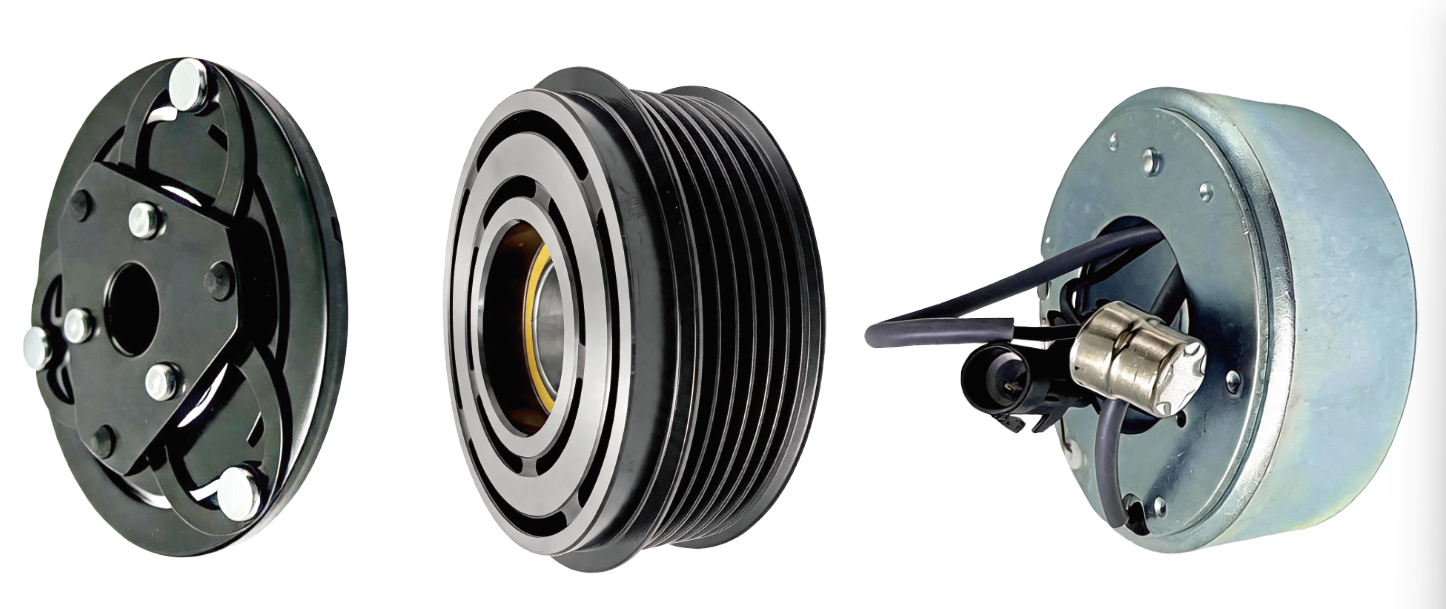
From the visible structure, this product category is an electromagnetic clutch and pulley assembly with a circular belt pulley, a central hub bore, and mounting features on the front face. One version also shows electrical leads and a connector, suggesting a coil-equipped design. Because exact specifications are not supplied, this page should be used as a functional reference rather than a model-specific catalog.
Product Structure and Working Principle
The basic architecture of an electromagnetic AC clutch assembly is straightforward. The outer pulley rides on a belt and rotates continuously when the engine is running. When the control circuit energizes the clutch coil, magnetic force pulls the clutch plate toward the pulley face. That engagement links the rotating pulley to the shaft, allowing torque transfer to the compressor or driven accessory. When power is removed, the surfaces separate and the shaft is no longer driven.
Visible features in the provided product data include a multi-groove pulley profile, a centered bore or hub area, and a flat front face with bolt holes or mounting points. Those details are consistent with a belt-driven rotary component designed for axial mounting and precise concentric rotation.
Key Specifications and Visible Capabilities
Observed design features
The assembly shows a compact circular profile, which is useful where space around the engine accessory drive is limited. The pulley outer diameter is not given, but the belt-running surface appears to be machined for stable rotation. Multiple grooves or ribs indicate compatibility with a serpentine or multi-rib belt style, though the exact belt standard is not identified.
The rear housing on one example appears to include electrical leads, which supports use in an electromagnetic AC clutch configuration. Machined and stamped metal parts suggest the assembly is built for repeatable alignment and durable mechanical engagement.
Materials and Finish Options
Based on visible information, the assembly is predominantly metal, likely steel in several formed and machined sections. Finishes vary across the examples: some surfaces are black coated or painted, while one housing appears silver and plated, possibly zinc-type plating or a similar protective finish. These finish choices are typical for parts exposed to heat, vibration, and underhood contaminants.
Electrical components, where present, may include insulated wiring and a connector body. The exact insulation material is not visible, so it should be confirmed during sourcing if the application has specific temperature or chemical exposure requirements.
Manufacturing Process Considerations
An AC compressor clutch assembly is usually produced through a combination of machining, stamping, forming, and electro-mechanical assembly steps. The pulley needs concentric geometry so it can rotate smoothly. The clutch plate and hub require accurate flatness and alignment to help engagement feel consistent. If the unit includes a coil assembly, controlled winding and secure lead routing are also important.
Because the internal design is not visible here, buyers should confirm whether they need a complete clutch, a pulley-only service part, or an A/C clutch kit that includes the coil, hub, plate, or bearing components.
Application Scenarios
This product category is commonly used in automotive HVAC systems, but the same basic principle applies to other belt-driven equipment requiring electrical engagement of a rotating shaft. Typical use cases include compressor service, accessory drive repairs, maintenance replacement, and equipment assembly where controlled power transmission is needed.
Search terms such as car AC clutch assembly OEM, aftermarket AC clutch assembly, and A/C clutch assembly often refer to the same general replacement category, but buyers should verify fitment carefully because pulley style, shaft interface, and coil configuration can vary.
Quality Control and Fitment Checks
For this type of part, the most important checks are visual and dimensional. Buyers should confirm pulley groove count, hub bore size, mounting pattern, connector style, and overall assembly depth. If a replacement is being sourced, bearing condition and rotating smoothness matter as well, especially for AC clutch bearing replacement jobs.
Electrical continuity of the coil, if included, should be checked during incoming inspection. Surface finish, fastener fit, and concentric runout are also relevant to long-term performance, even when no exact test data is available.
Customization and Buyer Decision Factors
When evaluating a compressor clutch assembly or air conditioning clutch assembly, start with the operating platform rather than the appearance alone. Confirm belt profile, pulley size, voltage requirements, and whether the replacement must match an existing OEM layout. Some buyers also need compatibility with older refrigerant system configurations, such as an AC clutch assembly for R12 or an AC clutch assembly for R134a, but actual compatibility depends on the compressor and vehicle platform, not only the refrigerant name.
If you are sourcing a clutch coil assembly or an AC clutch plate and hub kit, make sure the kit contents match the repair scope. A partial kit can be useful for rebuilding a serviceable unit, while a complete replacement is often simpler when wear is present across multiple parts. An A/C clutch kit compatible with the existing compressor can reduce installation friction, but fitment still needs to be verified against part geometry.
Requesting the Right Part
For procurement, the best approach is to share the compressor model, shaft dimensions, pulley groove details, connector photos, and any markings on the old unit. That information helps determine whether you need a full AC clutch assembly, an AC clutch assembly with coil, or only a specific subcomponent.
If you are comparing original equipment and replacement options, we can help review the visible features and narrow the correct configuration. Send your sample photos, dimensional requirements, and application notes to confirm the right match before ordering.
Contact for Sourcing Support
Need help identifying this assembly or matching it to an existing compressor? Share your part image, belt style, connector type, and installation requirements. Our team can assist with specification review, part structure matching, and sourcing guidance for OEM or replacement applications.