

AC Clutch Assembly Overview
An AC clutch assembly is used in belt-driven equipment where a rotating drive needs to engage and disengage on demand. For buyers, the main problem it solves is controlled power transfer: the shaft can stay free when the load is not needed, then lock in when operation is required. In compressor-driven systems, that control helps reduce unnecessary wear, manage energy use, and support reliable maintenance replacement.
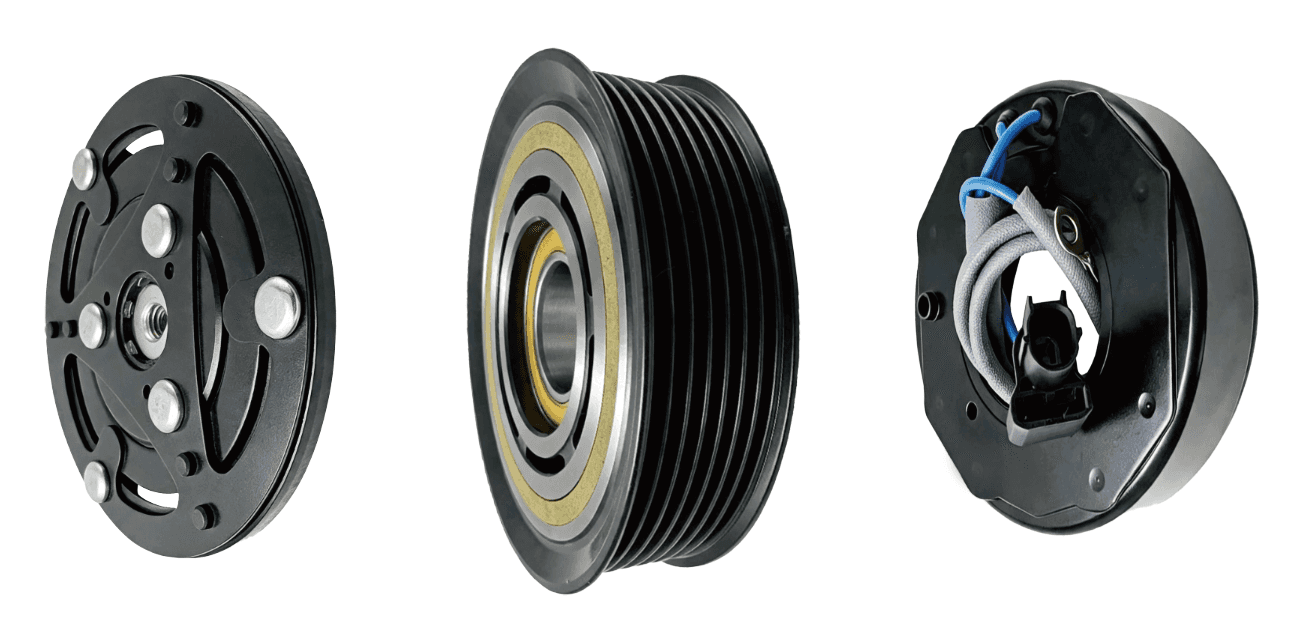
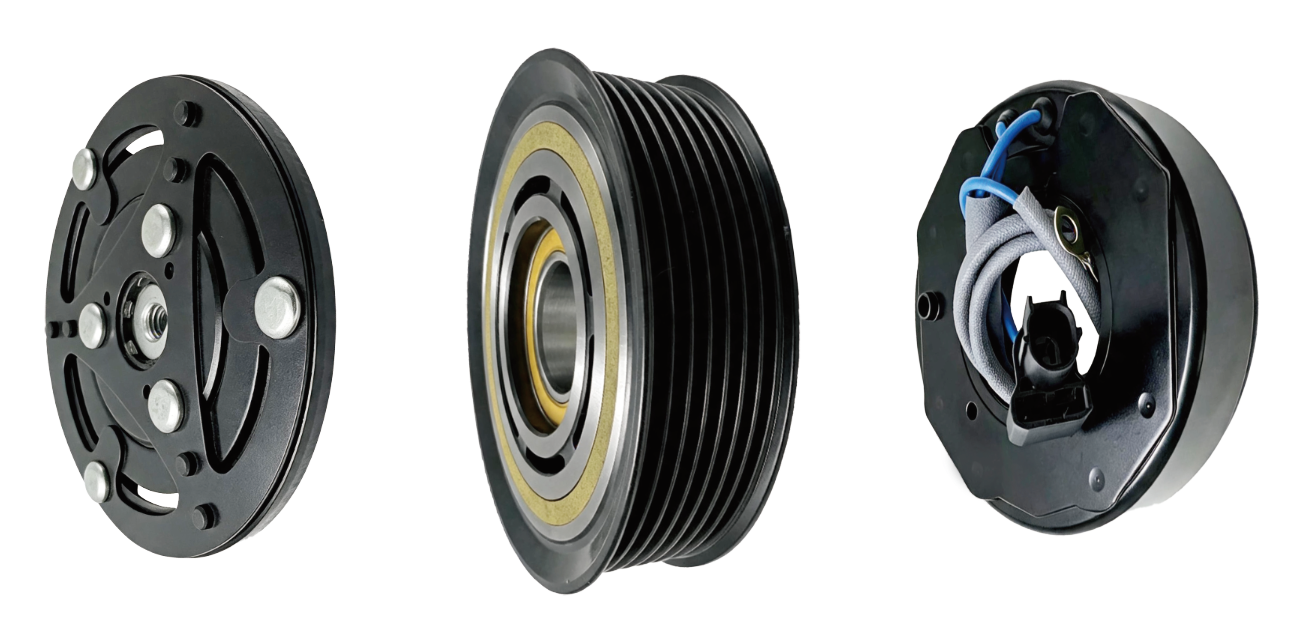
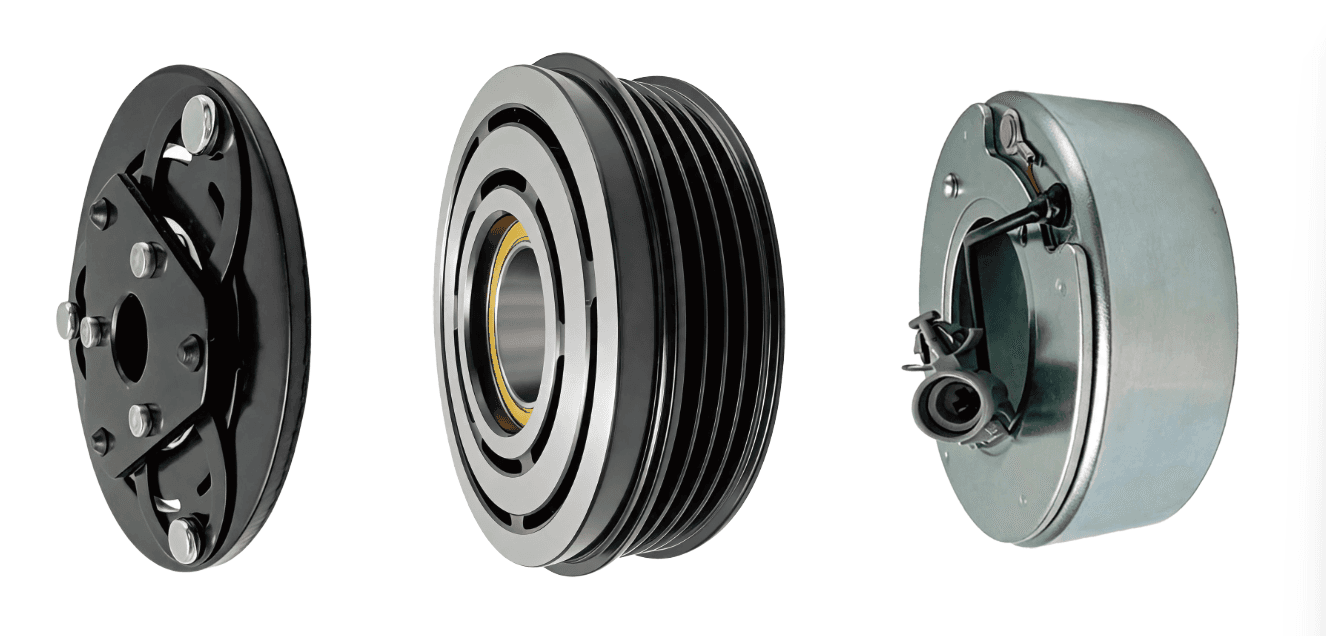
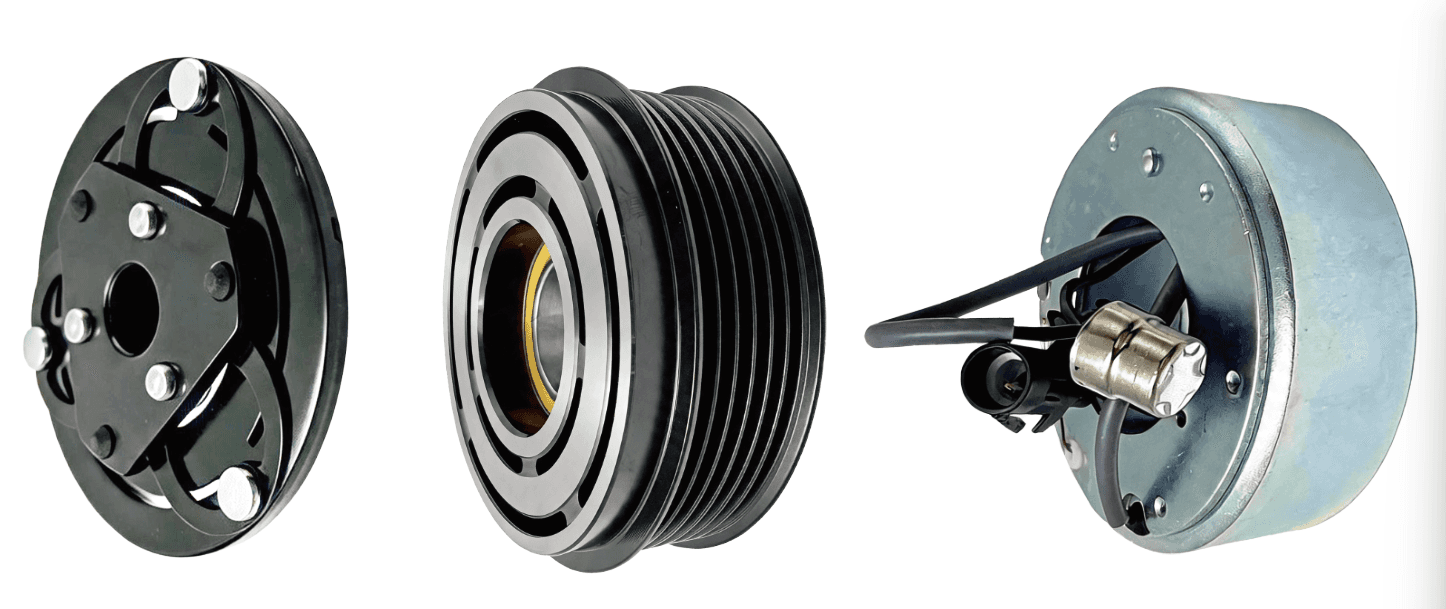
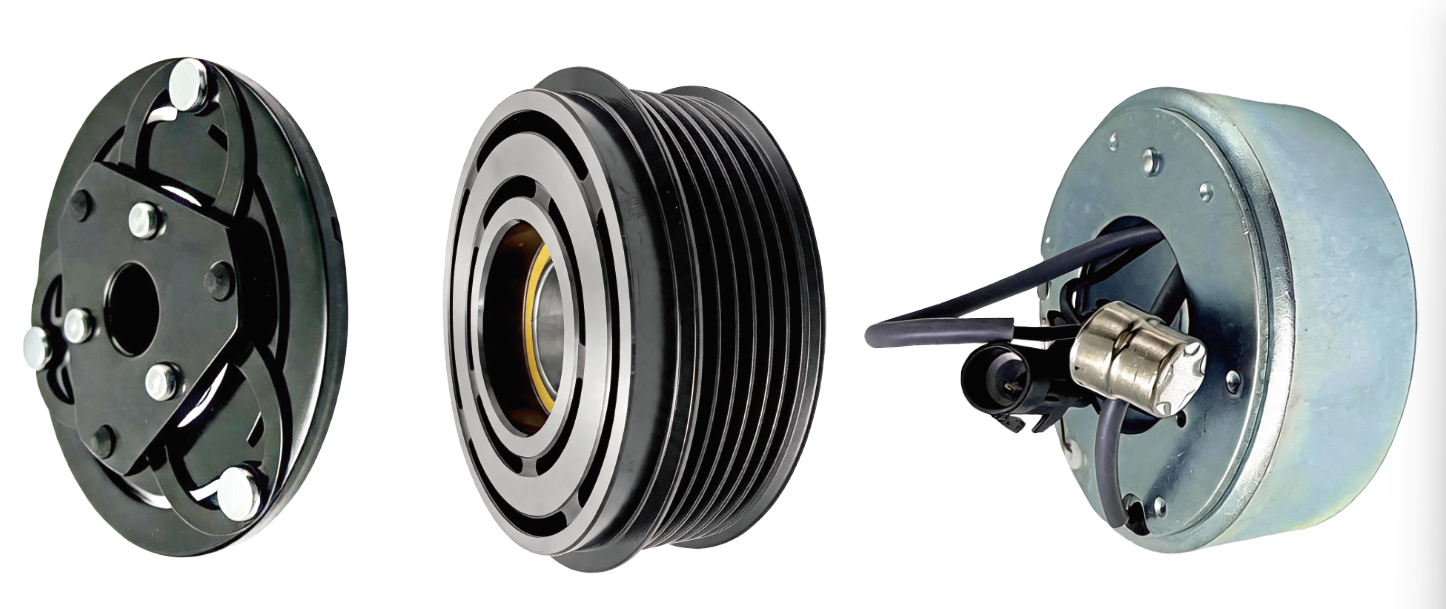
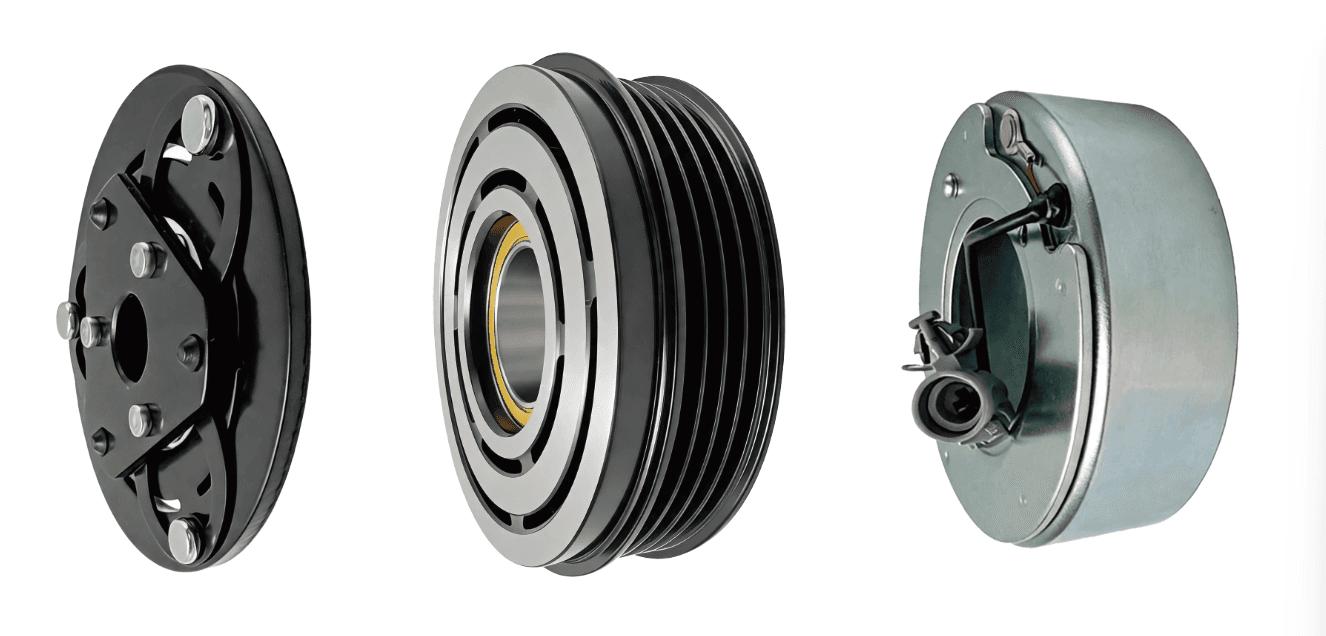
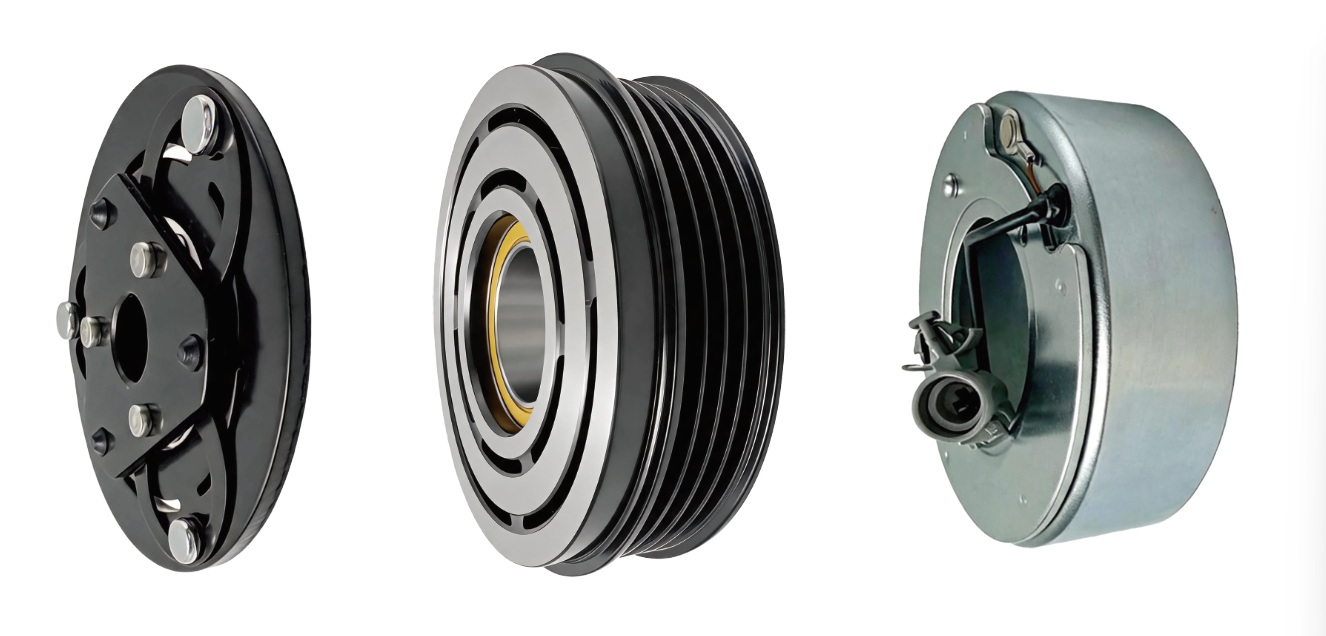
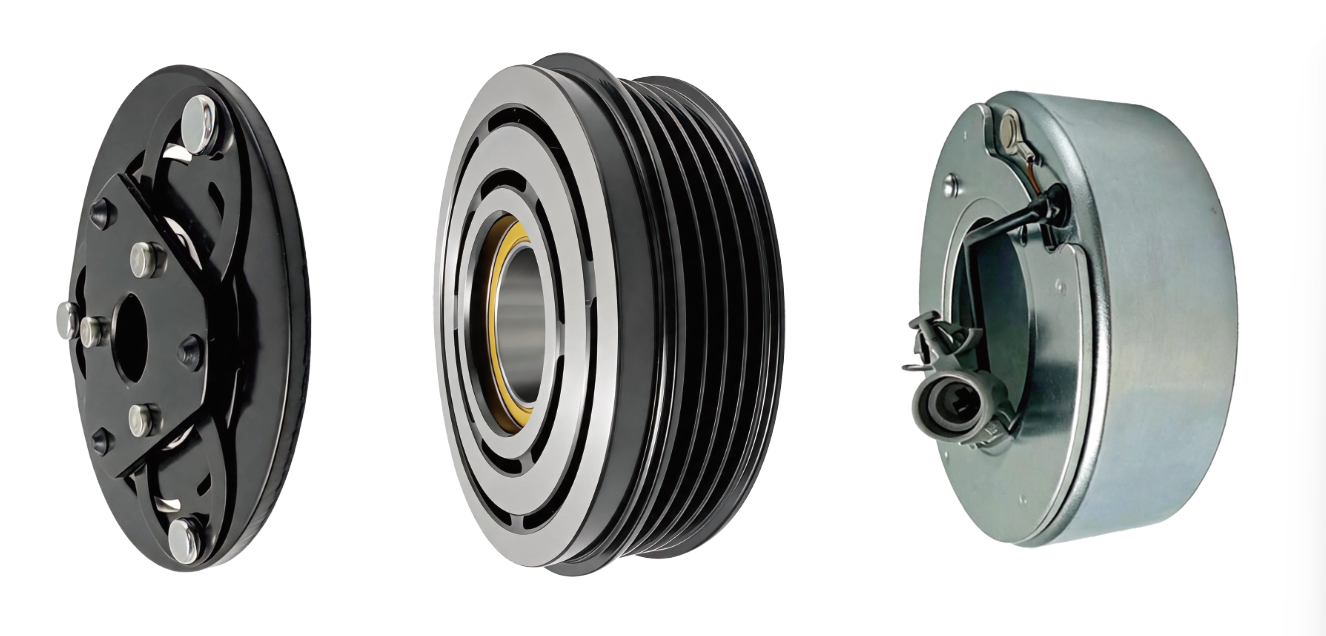
The product family shown here appears to be an industrial electromagnetic clutch and pulley assembly. Based on the visible structure, it includes circular clutch bodies, a grooved pulley section on one variant, and an electrically actuated unit with a coil connection. The exact model, application, and specifications are not identifiable from the image alone, so the description below focuses on visible features and common functional use cases.
Product Reference and Functional Role
This type of component is typically mounted in a belt-drive arrangement and used to connect rotational input to a driven accessory. In practical terms, the clutch can allow a motor or engine to spin the pulley without always turning the driven shaft. When energized, the electromagnetic clutch assembly brings the mating surfaces together so torque is transmitted through the system.
That operating principle makes the part relevant in compressor, HVAC, pump, fan, generator, and accessory-drive equipment, depending on the exact design. It is also commonly considered in repair work as a compressor clutch replacement or as part of a broader maintenance kit for rotating machinery.
Visible Construction Features
Disc and pulley geometry
The visible units are circular and compact, with a central bore or hub area. One version shows multiple V-grooves around the outer circumference, which indicates belt engagement. The grooved profile is a practical detail for buyers because it helps the assembly interface with standard drive belts used in mechanical systems.
Armature and housing elements
Another visible unit shows an armature-like clutch plate with mounting holes and spring or fastener details. This suggests a design intended for stable attachment and repeatable engagement with the driven face. A separate unit shows a housing with electrical connection features, consistent with a clutch coil assembly or related electromagnetic actuator section.
Materials and Surface Finishes
From the visible appearance, the assembly family uses coated steel, machined metal faces, and plated or galvanized-looking hardware. Black painted or coated surfaces appear on one unit, while another shows machined metal combined with a black outer section. The right-hand unit has a zinc-plated or similar protective finish. Visible fasteners, coil leads, and retaining elements indicate a multi-part electromechanical build.
These finish choices matter because clutch components operate in environments where contact, vibration, dust, and belt load can affect service life. Surface coating also helps differentiate the pulley body, plate interfaces, and housing areas during installation and inspection.
Manufacturing and Assembly Notes
Although the image does not confirm the full process route, this product category is generally made through precision machining, stamping, coating or painting, bearing installation, and final assembly. For buyers evaluating a clutch pulley assembly, the important point is alignment between the rotating elements, the coil section, and the mounting interface. Accurate assembly helps the unit fit into the machine without excessive play or interference.
Key Capabilities Buyers Usually Evaluate
- Controlled engagement and disengagement of rotational power
- Grooved pulley interface for belt-driven operation
- Electrical activation through a coil-based mechanism
- Compact form factor for space-constrained equipment
- Mounting points and hub geometry suited to mechanical attachment
When comparing an AC compressor clutch or HVAC compressor clutch replacement, buyers normally confirm bore size, mounting pattern, pulley profile, electrical rating, and compatibility with the host machine. Those details are not visible here and must be verified against the equipment specification.
Typical Applications
An air conditioner clutch assembly is often associated with compressor-driven systems, but the visible design could also suit other belt-driven machines. Common use scenarios include maintenance repair, OEM machine assembly, and replacement of a worn compressor magnetic clutch or clutch bearing-related subassembly. In industrial settings, these parts are selected where intermittent drive is preferable to continuous rotation.
Customization and Buyer Guidance
If you are sourcing a replacement, compare the old part against the new one on several points: pulley groove count, hub depth, electrical connector layout, plate diameter, and mounting hole position. If the unit is for a new build, request drawings or dimensional data before purchase. For custom production, buyers may specify finish, material grade, connector style, and assembly configuration, subject to the actual design constraints.
Because the image does not provide exact tolerances, voltage, torque capacity, or machine compatibility, those details should be confirmed directly with the supplier before ordering. That is especially important for compressor clutch assembly applications where fit and engagement behavior affect overall system reliability.
Quality Control Considerations
In this product category, practical quality checks usually focus on dimensional consistency, surface finish, concentricity, assembly integrity, and electrical connection stability. For purchasing teams, the most useful documents are drawings, sample approval photos, and part-number cross references. If a supplier offers inspection records, that can help verify fit before full production or service rollout.
Request a Matching Part
If you need an AC clutch assembly for repair, replacement, or OEM integration, send the machine model, existing part photos, and key dimensions. That information helps identify the correct air conditioner clutch assembly or related electromagnetic clutch assembly variant and reduces the risk of mismatch.