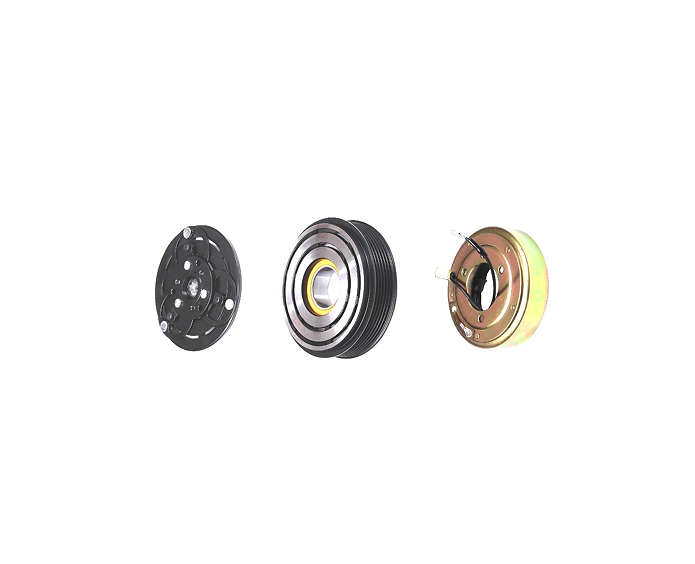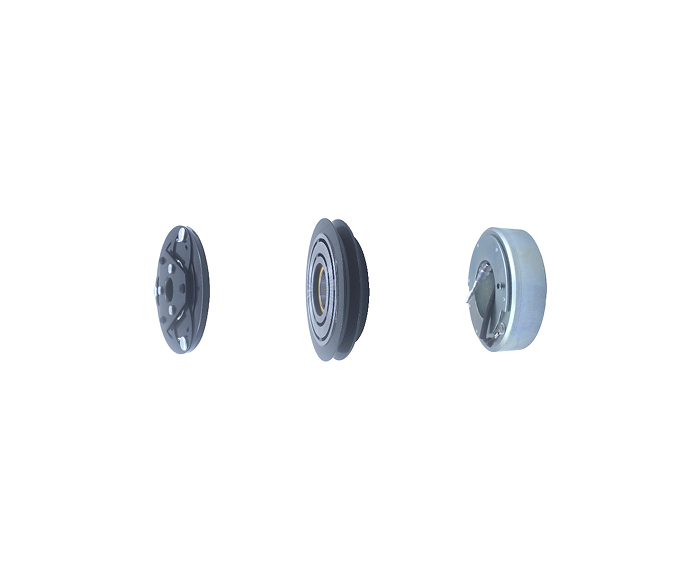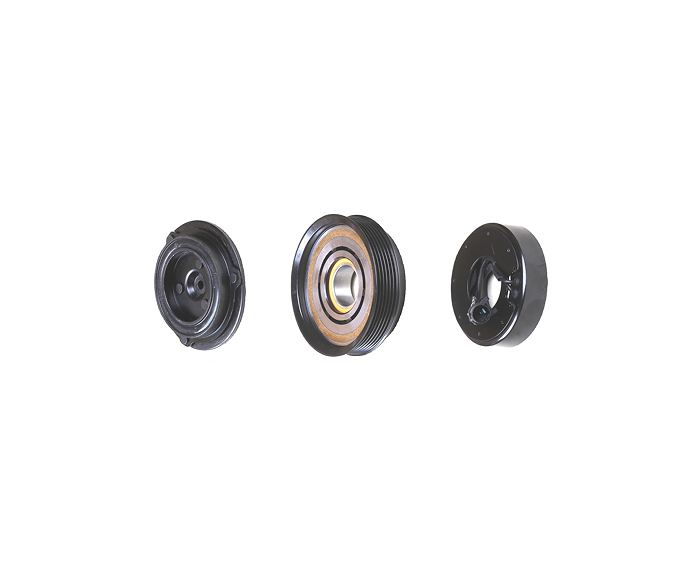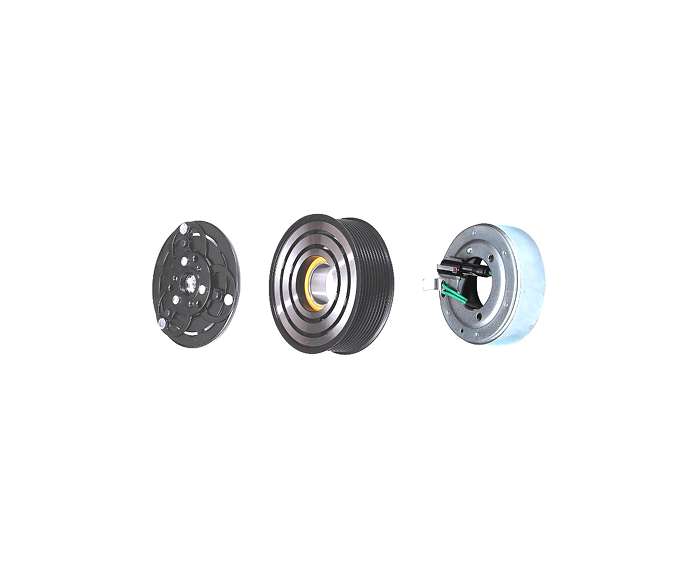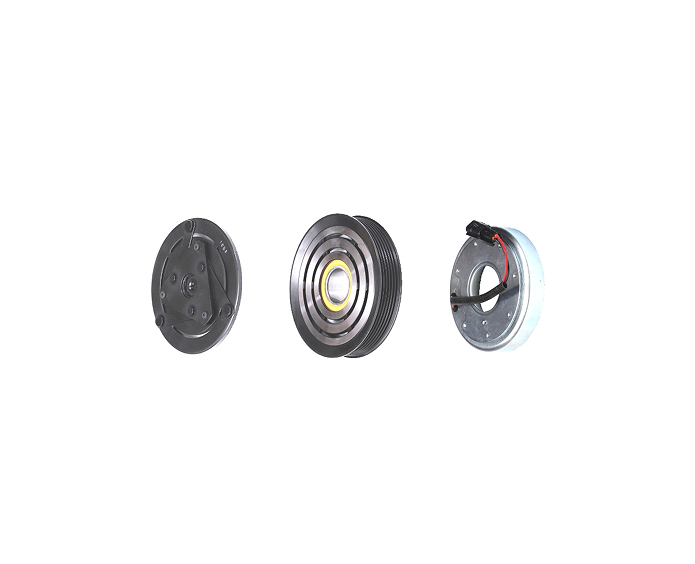

Noise is one of the most noticeable indicators of auto AC compressor clutch quality. When a vehicle owner hears abnormal clicking, grinding, vibration, or engagement noise after replacement, the clutch is often considered unreliable.
An automotive air conditioner clutch must not only engage correctly and transfer torque but also operate smoothly with controlled vibration and low noise.
For importers, distributors, and repair businesses, noise-related complaints can create significant after-sales pressure. Even when the clutch matches the compressor correctly, poor noise performance may lead to returns, customer dissatisfaction, and reduced trust.
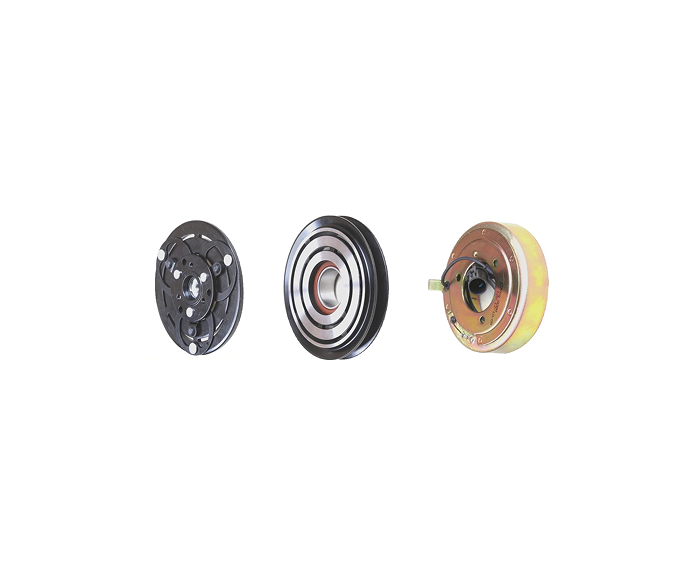
Main Sources of Noise in an AC Clutch System
Noise in an auto AC clutch system usually comes from several interacting components.
| Noise Source | Possible Cause |
|---|---|
| Pulley Bearing | Wear, poor lubrication, or poor sealing |
| Hub Plate Engagement | Harsh contact or unstable pressure |
| Friction Surface | Uneven contact or material instability |
| Pulley Balance | Rotation imbalance or vibration |
| Air Gap | Incorrect engagement distance |
| Belt System | Misalignment or excessive tension |
| Compressor Load | Torque fluctuation during operation |
A reliable automotive air conditioner clutch requires coordinated performance from all components to maintain quiet operation.
How Bearing Quality Affects Clutch Noise
The pulley bearing rotates continuously whenever the engine is running, even when the compressor is not engaged.
Because of this, bearing design has a major influence on noise performance.
Poor bearing quality may cause:
- Grinding sounds
- Whining noise
- Increased vibration
- Heat buildup
- Pulley instability
- Shorter clutch life
A high-quality bearing should provide:
- Smooth rotation
- Stable clearance
- Good lubrication retention
- Heat resistance
- Low vibration
- Long operating life
For distributors, bearing noise is one of the most common complaints after installation.
Friction Surface and Engagement Noise Control
When the clutch engages, the hub plate contacts the pulley and transfers torque through friction.
If the friction surface is not stable, engagement may become harsh and create impact noise.
Factors affecting engagement noise include:
| Factor | Noise Impact |
| Friction Material | Affects smoothness and vibration |
| Surface Finish | Influences contact consistency |
| Pressure Distribution | Controls engagement stability |
| Air Gap | Affects engagement speed |
| Hub Plate Design | Influences contact impact |
A well-designed automotive air conditioner clutch should achieve smooth engagement without excessive vibration or harsh sound.
The Role of Vibration Control in Noise Reduction
Noise and vibration are closely connected. A small imbalance or unstable contact condition can create noticeable sound during clutch operation.
Important vibration control factors include:
- Pulley balance
- Bearing precision
- Hub plate structure
- Surface machining
- Air gap accuracy
- Material stability
- Assembly precision
Poor vibration control may result in:
- Clicking sounds
- Rattling noise
- Compressor area vibration
- Uneven wear
- Increased component stress
For passenger vehicles, noise reduction is especially important because drivers are more sensitive to abnormal sounds.
How Air Gap Affects Noise Performance
The air gap is the distance between the pulley and hub plate before engagement.
If the air gap is incorrect, the clutch may engage improperly.
| Air Gap Condition | Possible Noise Result |
| Too Large | Delayed engagement and clicking noise |
| Too Small | Dragging and friction noise |
| Uneven Gap | Vibration and unstable contact |
| Correct Gap | Smooth engagement and lower noise |
Accurate air gap control helps maintain stable magnetic engagement and reduce unnecessary impact between components.
Material Selection for Low-Noise AC Clutches
Material selection directly affects noise performance.
A high-quality clutch requires balanced material properties:
| Material Area | Noise Control Function |
| Friction Material | Provides smooth engagement |
| Resin System | Maintains friction layer stability |
| Fiber Reinforcement | Reduces cracking and vibration |
| Bearing Material | Supports quiet rotation |
| Pulley Material | Maintains balance and stiffness |
| Hub Plate Material | Supports stable contact |
Poor material selection may not create problems immediately, but noise and vibration can increase as the clutch wears.
Common Noise Problems and Their Causes
Repair technicians may experience several noise-related failures.
| Noise Symptom | Possible Cause |
| Clicking During Engagement | Air gap issue or unstable contact |
| Grinding Sound | Bearing wear or lubrication failure |
| Squealing Noise | Belt or friction-related issue |
| Vibration Noise | Pulley imbalance or alignment problem |
| Rattling Sound | Loose components or structural wear |
| Intermittent Noise | Unstable engagement or electrical issues |
Correct diagnosis helps determine whether the issue comes from the clutch, bearing, installation, or related AC components.
Why Noise Reduction Matters for B2B Buyers
For B2B buyers, noise performance affects product reputation and customer confidence.
A noisy clutch can create:
- Customer complaints
- Product returns
- Repair disputes
- Additional labor costs
- Reduced distributor trust
Choosing a reliable automotive air conditioner clutch helps buyers:
- Improve end-user satisfaction
- Reduce noise-related warranty claims
- Support passenger vehicle markets
- Improve repair shop confidence
- Build repeat purchase relationships
- Reduce after-sales costs
For aftermarket suppliers, quiet operation is an important quality advantage.
Buyer Checklist: What to Confirm Before Ordering
Before sourcing auto AC compressor clutch products, buyers should evaluate noise-related performance factors.
| Check Item | Why It Matters |
| OE Number | Confirms correct replacement model |
| Compressor Model | Ensures clutch compatibility |
| Bearing Quality | Affects rotation noise |
| Pulley Balance | Controls vibration |
| Friction Material | Influences engagement smoothness |
| Surface Finish | Reduces uneven contact |
| Hub Plate Design | Affects engagement impact |
| Air Gap | Controls engagement response |
| Assembly Accuracy | Prevents installation-related noise |
| Product Sample | Confirms real operating quality |
A clutch may fit correctly but still create noise if component quality or assembly accuracy is poor.
View gzkasen product categories here:
https://www.gzkasen.com/products
How gzkasen Supports Quiet and Reliable AC Clutch Solutions
gzkasen supplies automotive air conditioning parts, including compressor clutches, compressors, electric compressors, valves, bearings, sensors, and related components.
For buyers sourcing automotive air conditioner clutch products, gzkasen can support:
- Product matching by OE number
- Compressor model verification
- Sample and drawing confirmation
- Clutch assembly, coil, pulley, bearing, and hub plate supply
- OEM and customized requirements
- Passenger car, bus, truck, and commercial vehicle applications
- Aftermarket replacement solutions
Learn more about gzkasen here:
https://www.gzkasen.com/about-us
Visit the gzkasen homepage here:
https://www.gzkasen.com/
When Should Buyers Contact gzkasen?
Contact gzkasen when you are:
- Replacing noisy AC clutch models
- Preparing summer repair inventory
- Serving passenger vehicle markets
- Supplying commercial vehicle customers
- Developing private-label auto AC parts
- Looking for reliable clutch replacement solutions
Provide:
- OE number
- Compressor model
- Vehicle model
- Product photo
- Sample
- Drawing
- Noise concern details
- Target market
- Order quantity
With complete information, gzkasen can help identify the correct automotive air conditioner clutch model.
FAQ
1. Why does an auto AC compressor clutch make noise?
Noise can come from bearing wear, pulley imbalance, friction surface problems, incorrect air gap, vibration, or poor installation.
2. Can bearing quality affect clutch noise?
Yes. The pulley bearing rotates continuously and has a major impact on rotation smoothness, vibration, and sound level.
3. How does friction material affect AC clutch noise?
Stable friction material helps create smoother engagement and reduces vibration, impact noise, and uneven wear.
4. Can incorrect air gap cause clicking noise?
Yes. An incorrect air gap can cause delayed engagement, harsh contact, or unstable clutch operation.
5. Why is noise reduction important for distributors?
Low-noise products reduce customer complaints, warranty claims, and repair disputes, improving distributor reputation.
6. What information should buyers provide to gzkasen?
Buyers can provide OE number, compressor model, vehicle model, voltage, pulley size, product photo, sample, or drawing for accurate matching.
Conclusion
Noise reduction is an important indicator of auto AC compressor clutch quality. Bearing performance, friction materials, pulley balance, air gap control, vibration damping, and assembly precision all influence final sound performance.
For importers, distributors, and repair businesses, choosing a reliable automotive air conditioner clutch requires evaluating not only fitment and price but also noise control, durability, and long-term operating stability.
gzkasen helps buyers select suitable auto AC compressor clutch solutions based on OE number, compressor model, vehicle application, sample, or technical requirements.
Contact gzkasen today to discuss your automotive air conditioner clutch requirements and receive professional product matching support.