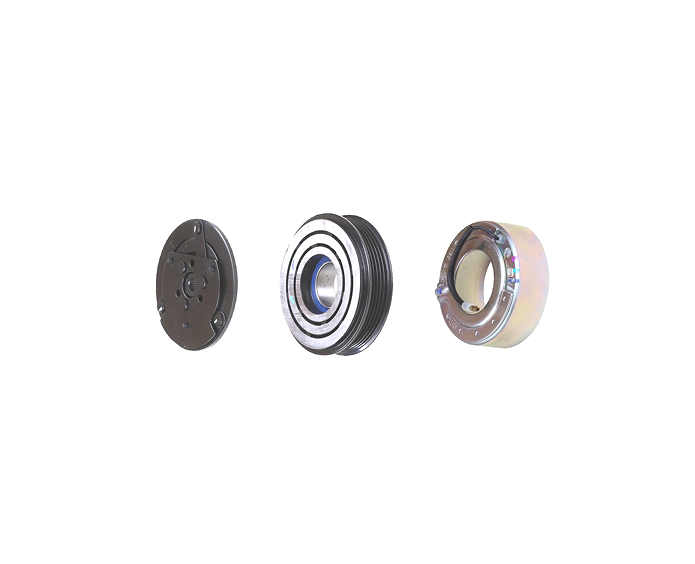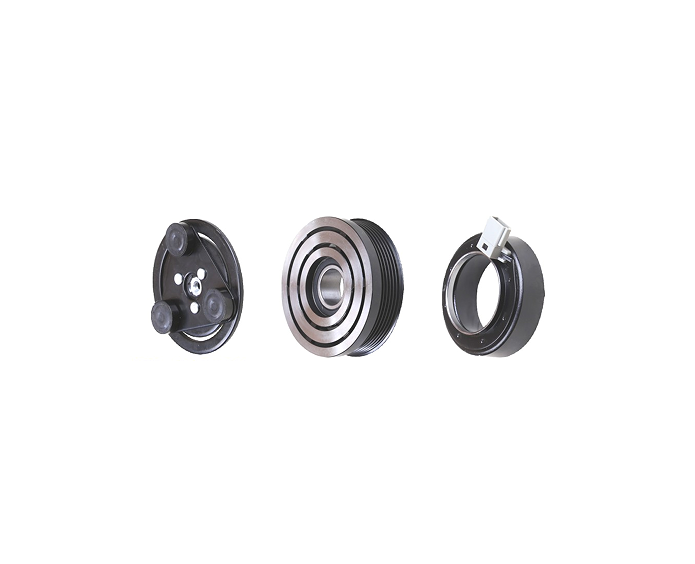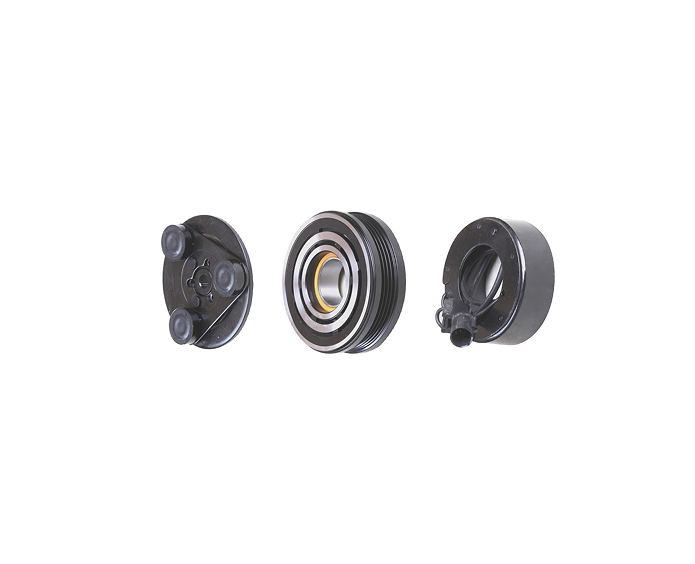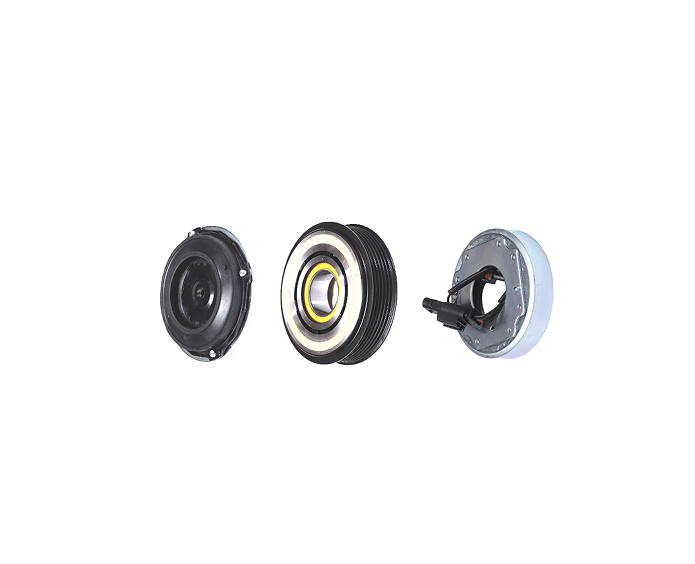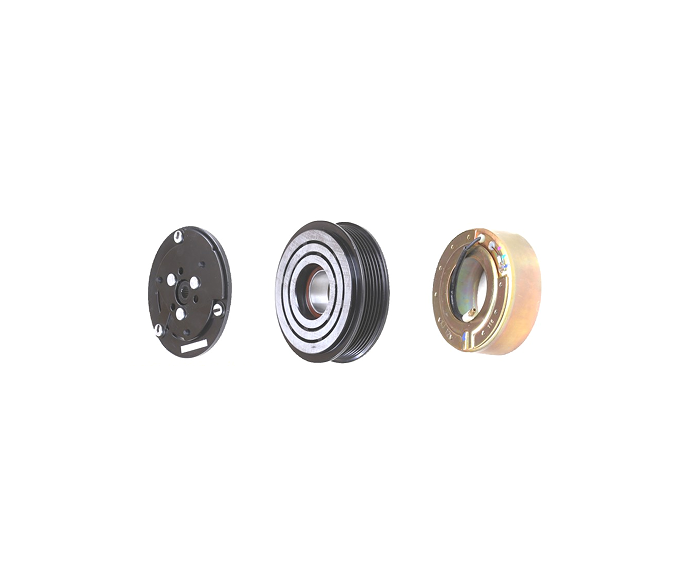

An auto AC compressor clutch works under demanding conditions, especially during hot summer driving. When the air conditioning system runs frequently, the clutch coil, pulley, bearing, and friction surface may all face rising temperatures.
A reliable automotive air conditioner clutch must not only engage smoothly but also manage heat effectively. Poor heat dissipation can lead to coil failure, clutch slipping, bearing noise, and shortened service life.
For importers, distributors, and repair businesses, heat resistance is an important quality factor when choosing compressor clutch products.
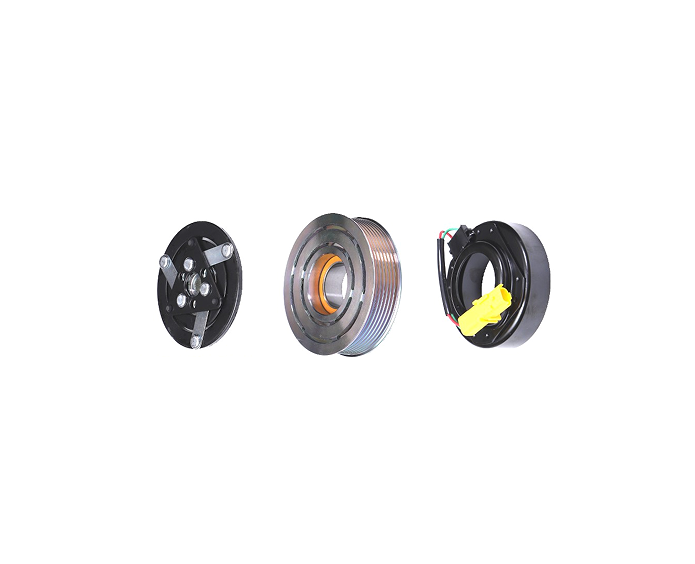
Where Does the Heat Come From?
Heat in an AC clutch system usually comes from several sources.
| Heat Source | How It Affects the Clutch |
|---|---|
| Electromagnetic Coil | Generates heat when powered |
| Friction Surface | Produces heat during engagement |
| Bearing Rotation | Creates heat under continuous pulley movement |
| Engine Bay Temperature | Raises the working temperature around the compressor |
| Frequent AC Cycling | Increases repeated engagement and disengagement stress |
If these heat sources are not controlled, the clutch may lose engagement stability or fail earlier than expected.
Key Heat Dissipation Design Factors
A high-performance automotive air conditioner clutch depends on several design and material factors.
1. Heat-Resistant Coil Structure
The clutch coil must handle repeated electrical activation. Good insulation materials help reduce the risk of short circuits, overheating, and magnetic force loss.
2. Stable Friction Material
The friction surface should maintain grip under high temperature. If the material wears too quickly, the clutch may slip or engage unevenly.
3. Quality Bearing Selection
The bearing supports pulley rotation even when the compressor is not engaged. A low-quality bearing can create heat, noise, and vibration.
4. Accurate Air Gap Control
If the air gap is too large, the coil needs stronger magnetic force to pull the hub plate. This can increase heat and reduce engagement stability.
5. Balanced Pulley Design
A well-machined and balanced pulley helps reduce vibration, noise, and unnecessary heat during operation.
Common Heat-Related Clutch Problems
When heat dissipation is poor, repair shops may see these symptoms:
- Clutch coil burns out
- Compressor clutch slips
- AC cooling becomes unstable
- Pulley bearing becomes noisy
- Clutch engages slowly
- Friction surface shows abnormal wear
- Burning smell near the compressor
- Compressor works intermittently
These issues can create repeat repairs and customer complaints. For B2B buyers, choosing reliable clutch products helps reduce after-sales risk.
What Buyers Should Check Before Ordering
Before purchasing an automotive air conditioner clutch, buyers should confirm both fitment and heat-resistance details.
| Check Item | Why It Matters |
| Coil Voltage | Must match the vehicle system, such as 12V or 24V |
| Coil Resistance | Affects heating and magnetic performance |
| Bearing Quality | Impacts rotation noise and temperature |
| Pulley Size | Must match belt structure and compressor model |
| Air Gap | Affects engagement force and heat generation |
| Friction Surface | Determines slip resistance and durability |
| Compressor Model | Ensures correct installation and operation |
Providing OE numbers, compressor models, product photos, samples, or drawings can help confirm the right clutch model.
View KASEN product categories here:
https://www.gzkasen.com/products
How KASEN Supports High-Performance AC Clutch Buyers
KASEN supplies automotive air conditioning parts, including compressor clutches, compressors, electric compressors, valves, bearings, and related components.
For buyers sourcing auto AC compressor clutches, KASEN can support:
- Product matching by OE number
- Sample and drawing confirmation
- Compressor model verification
- 12V and 24V clutch selection
- Mixed model supply for distributors
- OEM and customized requirements
- Products for passenger cars, buses, trucks, and commercial vehicles
Learn more about KASEN here:
https://www.gzkasen.com/about-us
Visit KASEN homepage here:
https://www.gzkasen.com/
FAQ
1. Why does an auto AC compressor clutch overheat?
Overheating may be caused by poor coil quality, incorrect air gap, bearing wear, friction slipping, frequent AC cycling, or high engine bay temperature.
2. How does heat affect an automotive air conditioner clutch?
Heat can reduce magnetic force, damage the coil, accelerate friction wear, increase bearing noise, and shorten clutch service life.
3. Can poor heat dissipation cause AC failure?
Yes. If the clutch overheats or slips, the compressor may not engage correctly, leading to weak cooling or intermittent AC operation.
4. What information should buyers provide for clutch matching?
Buyers can provide OE number, compressor model, vehicle model, voltage, pulley size, product photo, sample, or technical drawing.
5. Does KASEN support high-temperature auto AC clutch applications?
Yes. KASEN can help buyers select suitable compressor clutch products for passenger cars, commercial vehicles, buses, trucks, and aftermarket replacement needs.
Conclusion
Heat dissipation is a key factor in the performance and service life of an auto AC compressor clutch. A reliable automotive air conditioner clutch should control coil temperature, reduce friction wear, support smooth bearing rotation, and maintain stable engagement under high-temperature conditions.
For importers, distributors, and repair businesses, choosing heat-resistant clutch products helps reduce failure risk and improve customer satisfaction.
Contact KASEN to discuss your auto AC compressor clutch sourcing needs and get product matching support for your market.