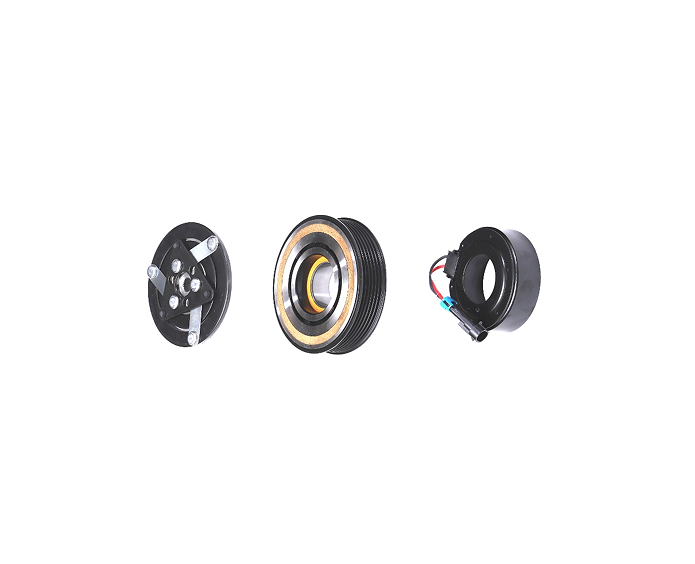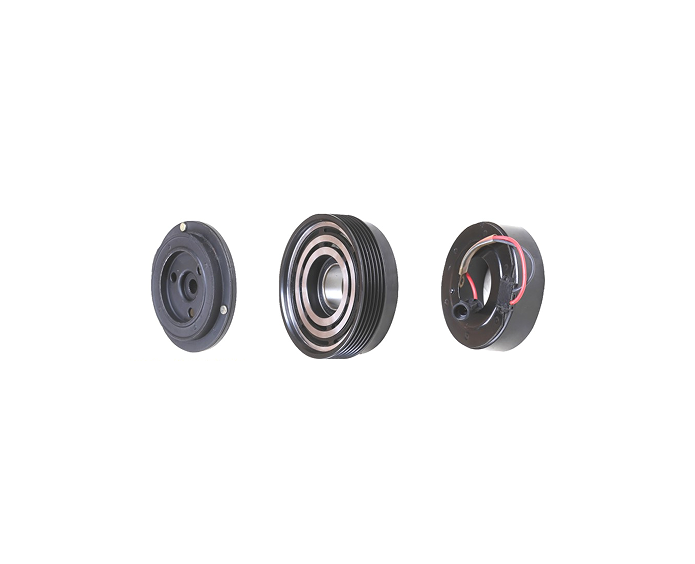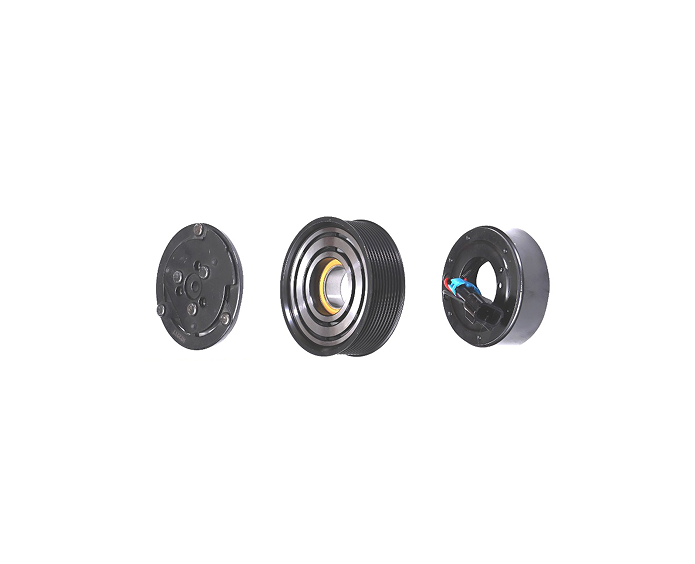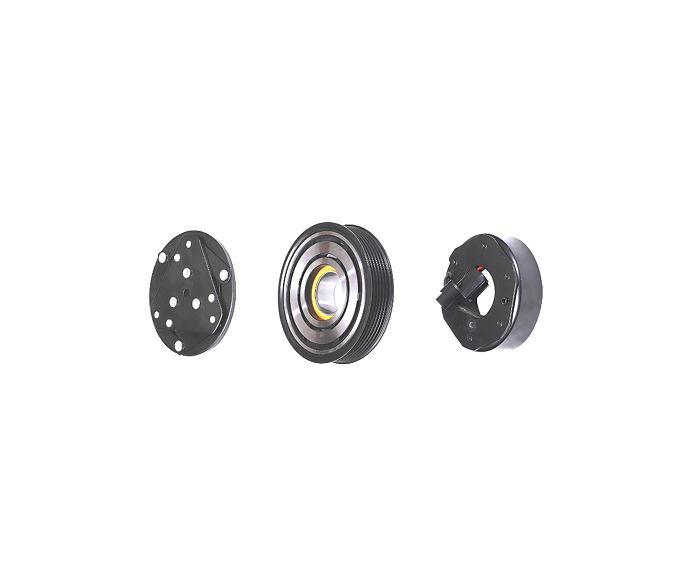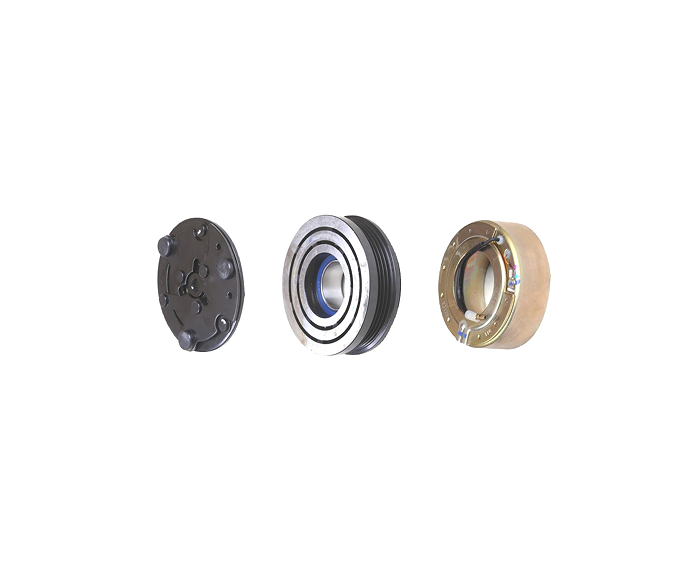

An auto AC compressor clutch does not operate continuously. It repeatedly engages and disengages according to cooling demand, vehicle conditions, and AC system control signals.
Each engagement cycle creates mechanical contact, electromagnetic force, friction heat, and torque transfer. Over thousands of cycles, these repeated actions gradually affect the clutch coil, friction surface, pulley bearing, hub plate, and other components.
For an automotive air conditioner clutch, cycle durability is an important indicator of long-term reliability. A clutch that performs well during the first installation but cannot handle repeated cycles may create early failures, warranty issues, and customer complaints.
For importers, distributors, and repair businesses, understanding engagement cycles helps select products with better lifecycle performance.
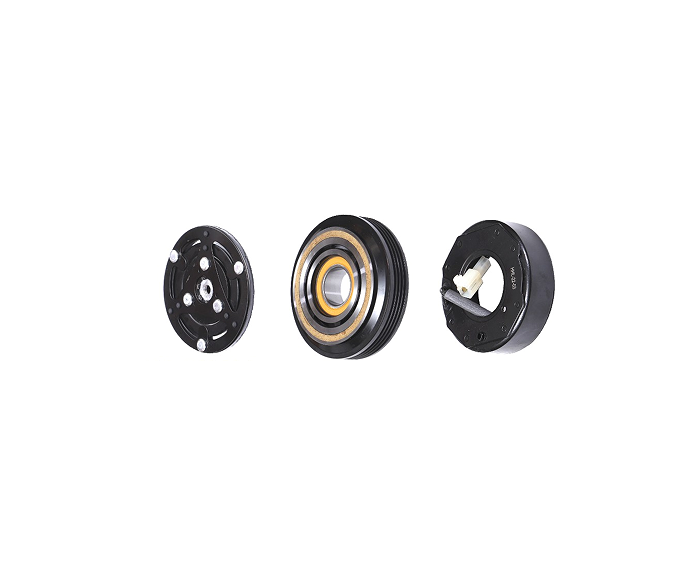
How an Auto AC Clutch Engagement Cycle Works
An engagement cycle includes several mechanical and electrical steps.
| Stage | Working Process |
|---|---|
| AC Request | Vehicle system sends a signal to activate cooling |
| Coil Activation | Coil receives electrical power and creates magnetic force |
| Hub Plate Attraction | Magnetic force pulls the hub plate toward the pulley |
| Friction Contact | Hub plate contacts pulley and transfers torque |
| Compressor Operation | Compressor begins refrigerant circulation |
| Disengagement | Power stops and magnetic force disappears |
| Separation | Hub plate releases from pulley |
A reliable automotive air conditioner clutch must complete this process smoothly every time.
If any stage becomes unstable, problems such as delayed engagement, slipping, vibration, noise, or weak cooling may occur.
What Happens During Repeated Engagement Cycles?
Every cycle creates stress on different clutch components.
| Component | Effect of Repeated Cycles |
| Clutch Coil | Experiences repeated electrical heating and cooling |
| Friction Surface | Faces repeated contact and wear |
| Hub Plate | Handles impact and torque transfer |
| Pulley Bearing | Supports continuous rotation and load |
| Air Gap | Influences engagement stability over time |
| Pulley Surface | Experiences repeated contact stress |
The number of cycles a clutch can handle depends on material quality, manufacturing accuracy, operating temperature, and application conditions.
How Engagement Cycles Affect Friction Wear
The friction surface is one of the most affected areas during clutch cycling.
When the hub plate contacts the pulley, friction transfers torque to the compressor shaft. Repeated engagement creates heat and surface stress.
Poor friction materials may experience:
- Faster surface wear
- Glazing
- Reduced friction coefficient
- Slipping
- Excessive heat generation
- Shorter service life
A high-quality automotive air conditioner clutch should maintain stable friction performance even after repeated engagement cycles.
This is especially important for vehicles operating in hot climates, heavy traffic, or commercial applications.
The Relationship Between Engagement Cycles and Heat
Each engagement cycle produces a certain amount of heat. Frequent cycling increases thermal stress on the clutch components.
High cycle frequency may affect:
| Heat-Affected Area | Possible Impact |
| Coil | Reduced insulation life and magnetic instability |
| Friction Material | Wear, glazing, and slipping risk |
| Bearing | Grease breakdown and noise increase |
| Hub Plate | Surface stress and uneven contact |
| Pulley | Rotation instability |
For summer applications, thermal management becomes even more important because the clutch already operates in a high-temperature engine environment.
Why Cycle Durability Matters for Different Vehicles
Different vehicle applications create different engagement demands.
| Application | Cycle Requirement |
| Passenger Cars | Smooth operation and quiet engagement |
| Buses | Long operating hours and repeated cooling demand |
| Heavy Trucks | Strong durability under vibration and load |
| Commercial Vehicles | Frequent AC use and stable performance |
| Hot Climate Markets | Better heat resistance and cycle stability |
For distributors, understanding the application helps avoid supplying unsuitable clutch models.
Common Problems Caused by Poor Cycle Performance
When a clutch cannot handle repeated engagement cycles, users may experience:
- AC cooling becomes unstable
- Compressor engages slowly
- Clutch makes clicking or grinding noise
- Friction surface wears quickly
- Coil overheats
- Pulley bearing becomes noisy
- Clutch slips under load
- Compressor operation becomes intermittent
These problems can increase repair time, customer complaints, and replacement costs.
Buyer Checklist: What to Confirm Before Ordering
Before sourcing auto AC compressor clutch products, buyers should evaluate cycle-related performance factors.
| Check Item | Why It Matters |
| OE Number | Confirms correct replacement model |
| Compressor Model | Ensures structural compatibility |
| Vehicle Application | Determines expected cycle conditions |
| Friction Material | Affects wear resistance and cycle durability |
| Coil Design | Affects magnetic stability during repeated operation |
| Bearing Quality | Influences rotation life and noise control |
| Air Gap | Controls engagement response |
| Pulley Design | Affects contact stability |
| Heat Resistance | Supports long-term operation |
| Product Sample | Helps verify actual fitment |
A clutch may fit correctly but still fail if its materials and design cannot handle the expected engagement cycles.
View gzkasen product categories here:
https://www.gzkasen.com/products
How gzkasen Supports Auto AC Clutch Buyers
gzkasen supplies automotive air conditioning parts, including compressor clutches, compressors, electric compressors, valves, bearings, sensors, and related components.
For buyers sourcing automotive air conditioner clutch products, gzkasen can support:
- Product matching by OE number
- Compressor model verification
- Sample and drawing confirmation
- Clutch assembly, coil, pulley, bearing, and hub plate supply
- Mixed model orders for distributors
- OEM and customized requirements
- Applications for passenger cars, buses, trucks, and commercial vehicles
Learn more about gzkasen here:
https://www.gzkasen.com/about-us
Visit gzkasen homepage here:
https://www.gzkasen.com/
Why Engagement Cycle Performance Matters for B2B Buyers
For B2B buyers, engagement cycle performance directly affects product reliability and business risk.
A clutch with poor cycle durability may create:
- Higher return rates
- More warranty claims
- Repair shop complaints
- Customer dissatisfaction
- Reduced distributor confidence
Choosing a reliable automotive air conditioner clutch helps buyers improve product reputation, reduce after-sales costs, and build long-term customer relationships.
FAQ
1. What is an auto AC clutch engagement cycle?
An engagement cycle is the process where the clutch activates, engages the compressor, operates during cooling, and disengages when cooling is no longer required.
2. Why are engagement cycles important for an automotive air conditioner clutch?
Repeated cycles create heat, friction, and mechanical stress. A durable clutch must maintain stable performance through thousands of operating cycles.
3. Can frequent engagement damage an AC clutch?
Yes. Frequent cycling increases heat and wear. Poor-quality friction materials, coils, or bearings may fail faster under repeated operation.
4. Which clutch components are affected most by engagement cycles?
The friction surface, coil, pulley bearing, hub plate, and air gap are the components most affected by repeated engagement.
5. How can buyers choose a clutch with better cycle durability?
Buyers should check friction material quality, coil design, bearing performance, heat resistance, vehicle application, and supplier testing capability.
6. Does gzkasen support different vehicle applications?
Yes. gzkasen supplies automotive air conditioner clutch products for passenger cars, buses, trucks, commercial vehicles, and aftermarket replacement needs.
Conclusion
The mechanics of auto AC clutch engagement cycles directly influence clutch durability, cooling stability, and customer satisfaction.
For importers, distributors, and repair businesses, choosing a reliable automotive air conditioner clutch requires evaluating not only product fitment but also cycle durability, friction performance, coil stability, bearing quality, and thermal resistance.
gzkasen helps buyers select suitable auto AC compressor clutch solutions based on OE number, compressor model, vehicle application, sample, or technical requirements.
Contact gzkasen today to discuss your automotive air conditioner clutch sourcing needs and get professional product support.