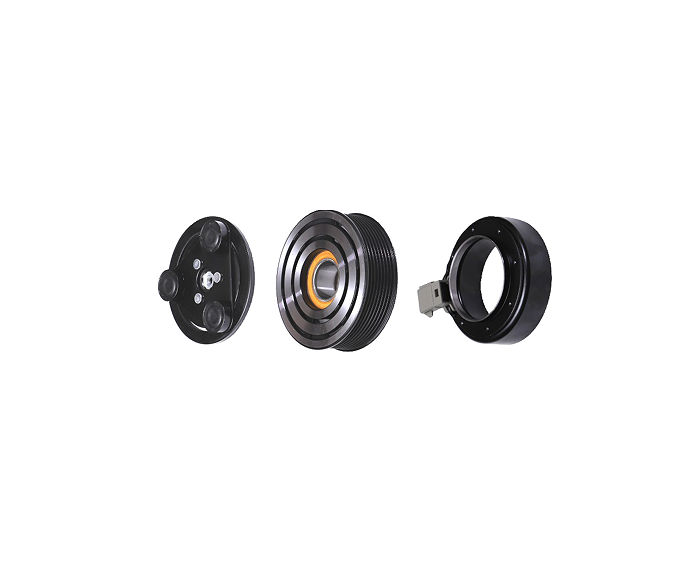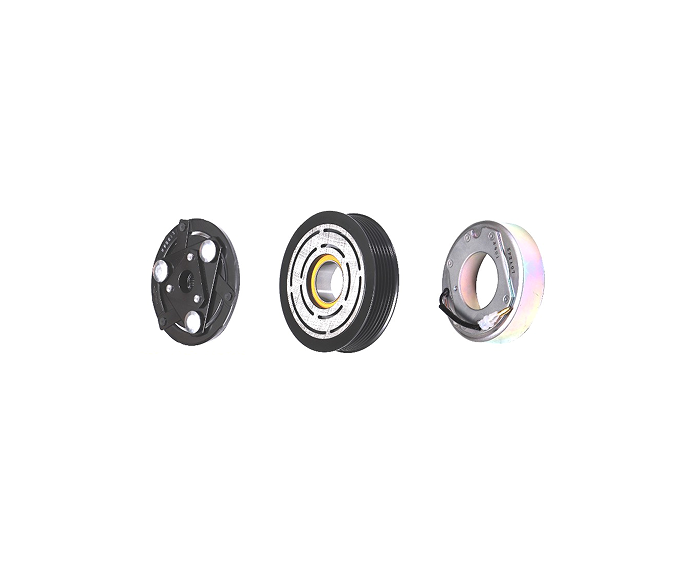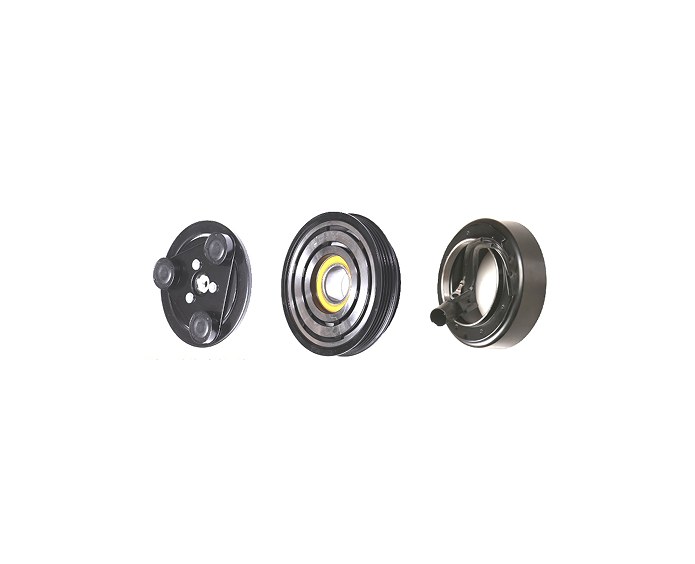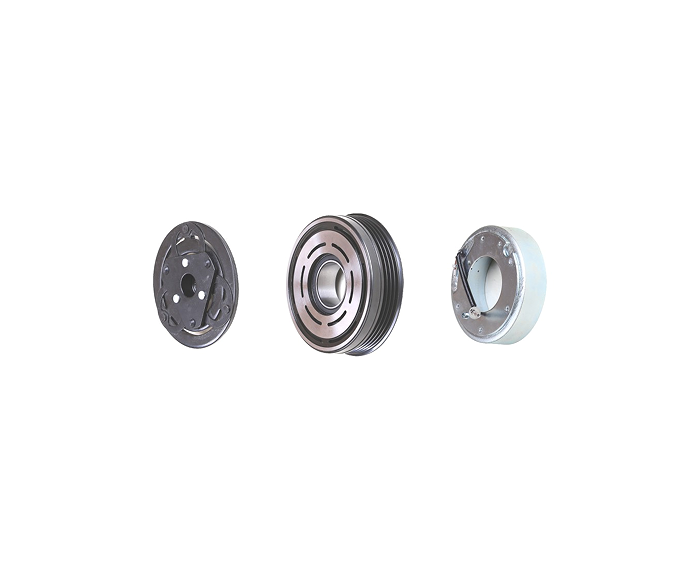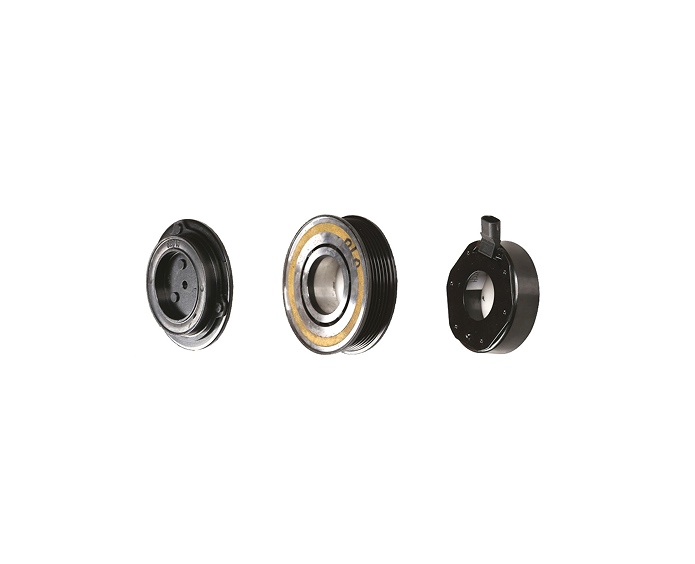

Heavy-duty trucks operate under sustained load, high ambient temperatures, and long engine runtime. Unlike passenger vehicles, compressors in commercial fleets may engage continuously for extended highway operation.
This places extreme stress on the automotive air conditioner clutch.
Heat accumulation increases. Engagement cycles rise. Vibration exposure intensifies. Under these conditions, standard-duty clutch designs often reach performance limits prematurely.
Durability is not optional — it is structural.
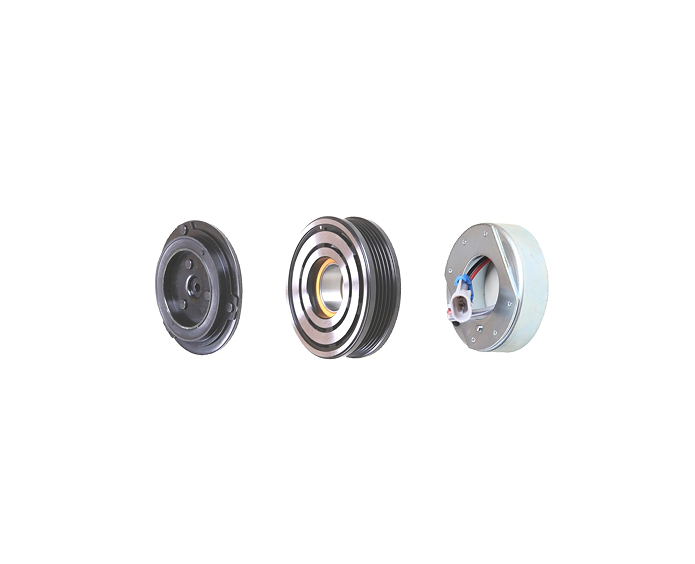
Thermal Endurance Under Continuous Operation
Sustained Heat Load
Heavy trucks often operate in:
- High ambient temperatures
- Urban stop-and-go logistics
- Long-haul highway routes
Under these conditions, the automotive air conditioner clutch must resist thermal fade.
Critical design factors include:
- High-temperature friction compounds
- Coil insulation class F or H
- Heat-dissipating pulley structure
- Surface treatment for friction stability
Thermal degradation is one of the primary failure triggers in commercial applications.
Torque Stability and Load Transmission
Heavy trucks use larger displacement compressors. This increases required torque transfer.
The automotive air conditioner clutch must provide:
- Strong magnetic pull
- Stable air gap tolerance
- Uniform friction interface
- High-strength armature plate structure
Torque inconsistency leads to slip. Slip leads to overheating. Overheating leads to failure.
Bearing and Structural Reinforcement
Unlike passenger vehicles, heavy trucks experience:
- Higher vibration frequency
- Engine torque fluctuation
- Chassis flex under load
Therefore, reinforced bearing assemblies are essential.
Design enhancements may include:
- Double-sealed heavy-duty bearings
- Enhanced radial load tolerance
- Hardened pulley steel
Bearing durability directly impacts long-term automotive air conditioner clutch reliability.
Engagement Cycle Durability
Fleet vehicles may accumulate:
- 50,000+ engagement cycles per year
This requires:
- Stable electromagnetic coil resistance
- Anti-glazing friction material
- Controlled surface pressure distribution
Cycle testing validation is essential for commercial-grade automotive air conditioner clutch performance.
You can learn more about our manufacturing and durability standards here:
https://www.gzkasen.com/about-us
Corrosion Resistance in Commercial Environments
Heavy trucks operate across:
- Coastal logistics routes
- Dust-heavy industrial zones
- Humid climates
Protective measures include:
- Anti-corrosion surface coating
- Sealed coil housing
- High-temperature grease for bearings
These structural details extend service life and reduce premature failure.
Explore our heavy-duty compatible product line here:
https://www.gzkasen.com/products
Aftermarket Implications for Fleet Operators
Fleet downtime directly translates to cost.
A high-durability automotive air conditioner clutch reduces:
- Unplanned maintenance
- Compressor damage risk
- Warranty exposure
- Cooling instability
Commercial buyers must prioritize durability metrics over upfront cost savings.
For additional technical clarification, visit:
https://www.gzkasen.com/faqs
Conclusion: Durability Defines Heavy-Duty Reliability
In heavy truck applications, the automotive air conditioner clutch is exposed to sustained heat, elevated torque demand, and continuous vibration stress.
Meeting durability requirements means:
- Thermal stability
- Reinforced structure
- Magnetic reliability
- Extended engagement lifecycle
A properly engineered automotive air conditioner clutch ensures stable cooling performance across long-haul operations and demanding commercial environments.
To explore our heavy-duty automotive air conditioner clutch solutions, visit:
https://www.gzkasen.com/
For bulk orders, OEM inquiries, or technical consultation:
https://www.gzkasen.com/contact-us/