
Private Label Expansion in Automotive Air Conditioner Clutch Aftermarket
Brand Power Is Shifting Downstream
For decades, OEM brands dominated component perception. Recognition flowed from automaker to end user. Aftermarket channels largely followed that hierarchy.
That structure is changing.
Independent distributors and regional wholesalers increasingly launch their own branded lines in the automotive air conditioner clutch segment. The goal is not only margin expansion. It is strategic control.
Private label growth is not opportunistic. It is structural.
Margin Compression Drives Branding Ambition
Aftermarket competition has intensified. Online sourcing platforms reduce price opacity. Buyers compare instantly. Margins narrow.
In response, distributors adopt private label strategies to:
- Improve gross margin stability
- Reduce direct price comparison pressure
- Increase customer retention
- Differentiate from commodity imports
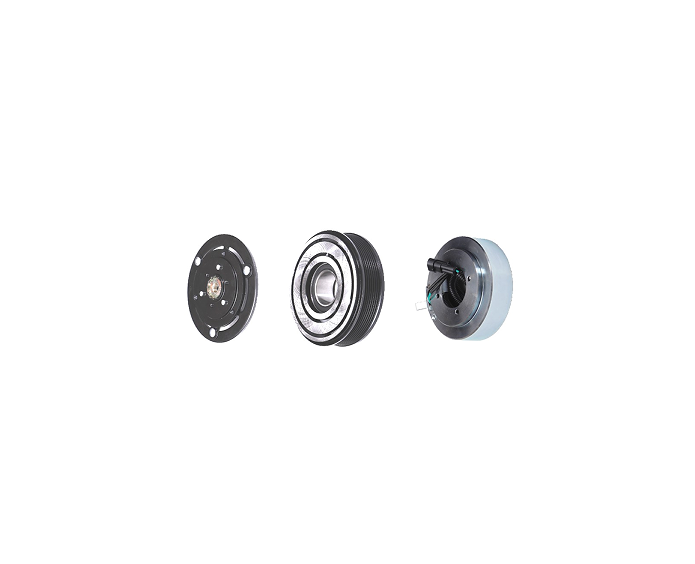
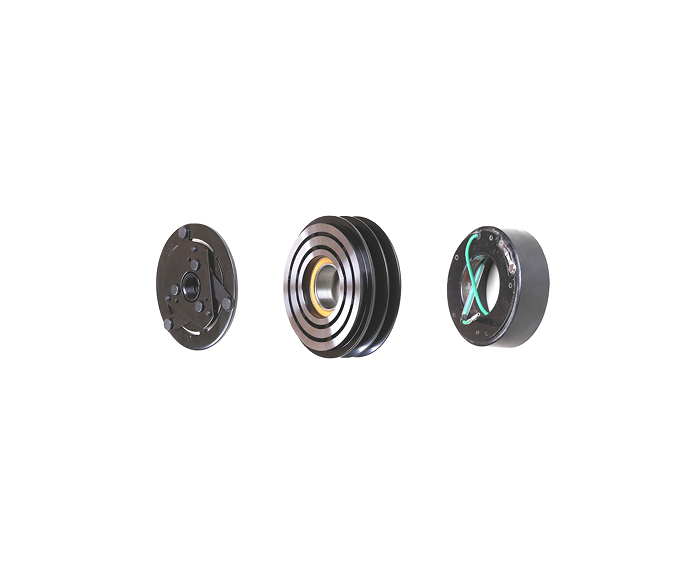
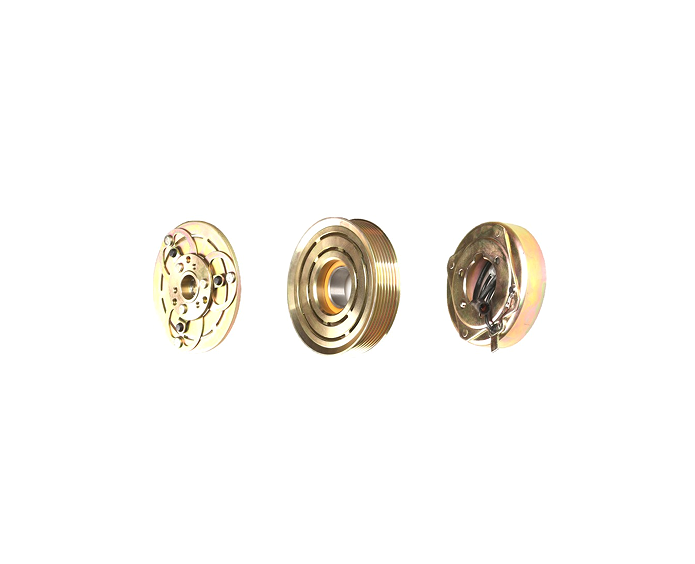
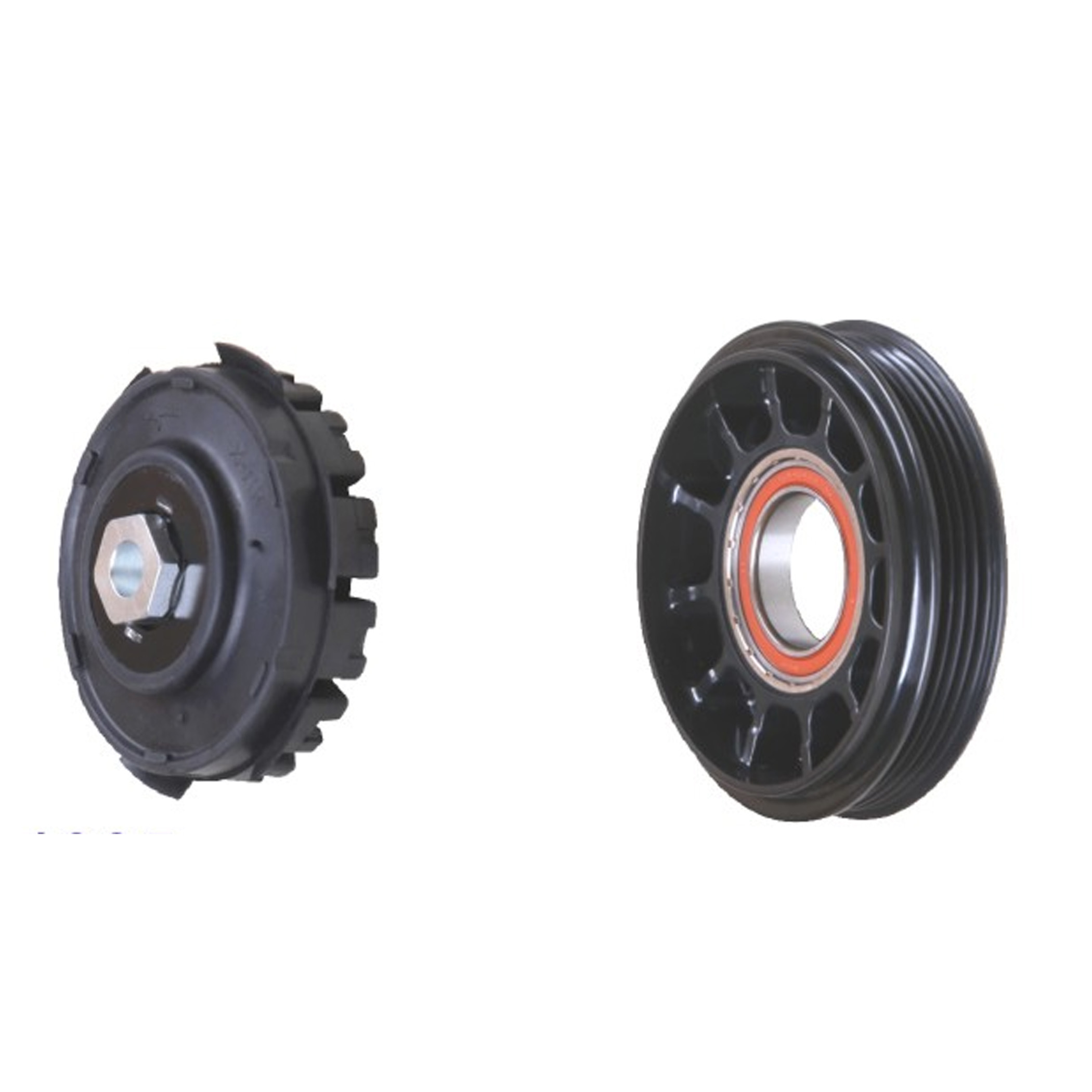
A private label automotive air conditioner clutch allows distributors to control packaging, specification positioning, and perceived value rather than competing solely on unit price.
Brand becomes insulation.
Digital Channels Accelerate Private Label Visibility
E-commerce platforms and cross-border B2B marketplaces reshape buyer behavior.
Small and mid-size distributors can now market directly through:
- Online wholesale portals
- Regional e-commerce networks
- Digital catalog systems
- Fleet procurement platforms
Private label branding strengthens visibility in digital ecosystems.
The automotive air conditioner clutch category benefits from SKU-level search indexing, allowing distributors to build product identity independent of original manufacturers.
Visibility drives autonomy.
Manufacturing Partnerships Enable Custom Positioning
Private label growth depends on flexible manufacturing cooperation.
Component producers increasingly offer:
- Custom packaging
- Region-specific part numbering
- Performance tier segmentation
- Hybrid-compatible variants
- Climate-adapted durability lines
This collaboration enables distributors to shape their own product hierarchy under the automotive air conditioner clutch umbrella.
Manufacturer identity becomes backend infrastructure. Distributor brand becomes frontend asset.
Regional Trust as a Competitive Advantage
In emerging markets, local distributors often hold stronger customer trust than distant global brands.
Private labeling reinforces that trust. Service centers prefer reliable supply partners over unfamiliar international labels.
When distributors own branding in the automotive air conditioner clutch category, they strengthen:
- Repeat purchasing cycles
- Warranty management control
- Market loyalty
- Channel exclusivity
Trust localizes power.
Inventory Control and Forecast Flexibility
Private label expansion also improves inventory coordination.
Distributors can:
- Bundle SKUs strategically
- Adjust pricing structures seasonally
- Launch promotional packages
- Introduce phased specification upgrades
Owning the brand reduces dependency on upstream marketing cycles.
In a competitive automotive air conditioner clutch aftermarket, agility becomes as important as cost efficiency.
Risks of Private Label Expansion
Growth carries responsibility.
Distributors entering private labeling must manage:
- Quality control assurance
- Certification compliance
- Warranty claim handling
- Technical documentation accuracy
- Market positioning consistency
Failure in quality damages not just product lines, but brand credibility.
A private label automotive air conditioner clutch strategy requires structured manufacturing alignment, not opportunistic sourcing.
Control must extend beyond logo printing.
Market Consolidation Through Branding
As private label strategies expand, industry consolidation accelerates.
Stronger regional brands absorb smaller competitors. Distributor alliances emerge. Long-term OEM-style partnerships form between factories and key private-label clients.
Branding shifts bargaining power downstream.
The automotive air conditioner clutch market gradually transitions from pure product competition to brand ecosystem competition.
Margin stability follows strategic positioning.
Long-Term Industry Implications
Private label expansion suggests several structural shifts:
- Reduced dominance of single global OEM brands in aftermarket
- Increased regional branding diversity
- Greater vertical collaboration between factories and distributors
- Stronger emphasis on quality assurance transparency
- Channel-specific product tier segmentation
The automotive air conditioner clutch aftermarket becomes multi-branded, distributor-driven, and strategically layered.
Brand ownership becomes a growth engine.
Strategic Alignment for Sustainable Expansion
For distributors considering private label growth, success depends on:
- Stable manufacturing partnerships
- Certification-backed quality systems
- Long-term product roadmap planning
- Regional market demand mapping
Private label is not a short-term margin tactic. It is a structural repositioning strategy.
If you are exploring OEM-backed private label cooperation or expanding your branded portfolio in the automotive air conditioner clutch segment, explore our manufacturing capabilities at
👉 https://www.gzkasen.com/
For partnership discussions and private label supply planning, connect directly at
👉 https://www.gzkasen.com/contact-us
Brand control is market control.