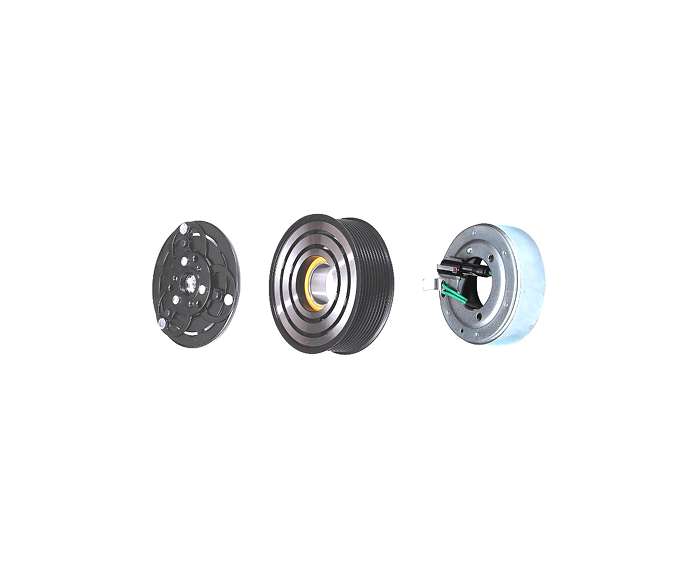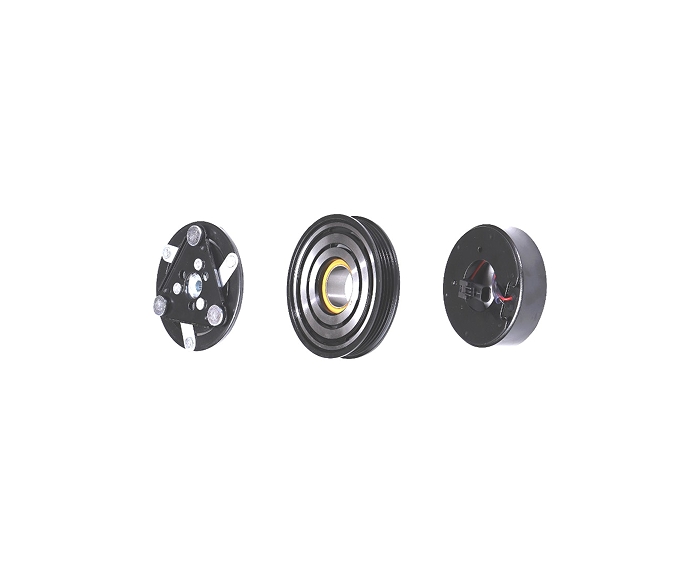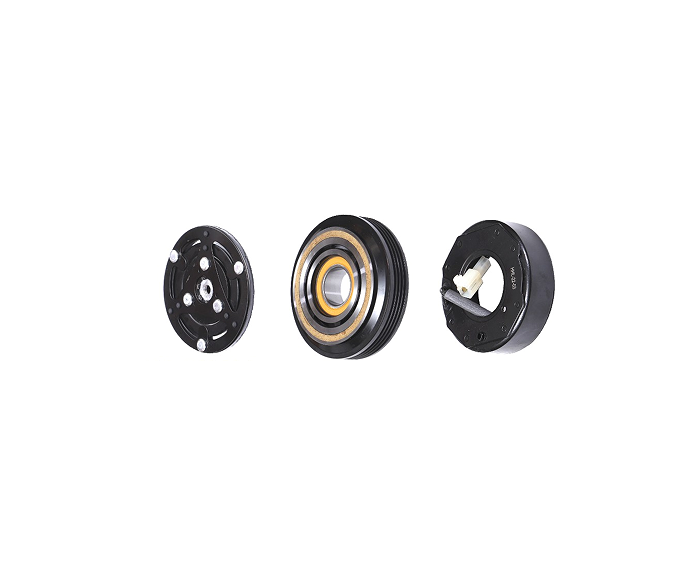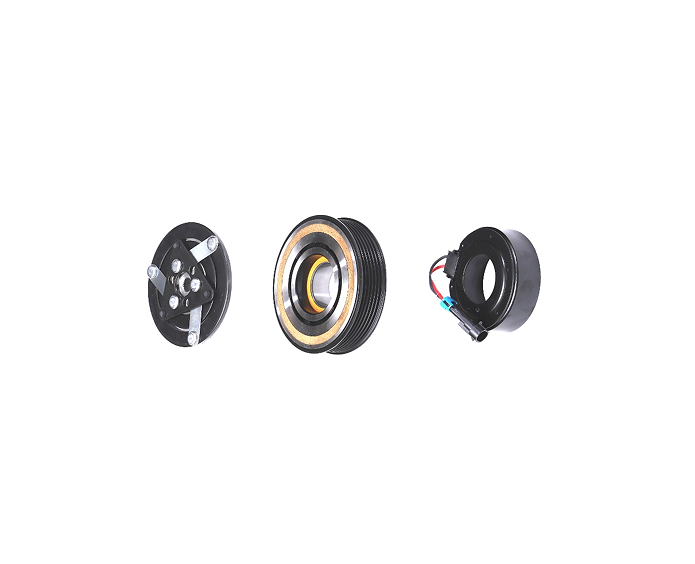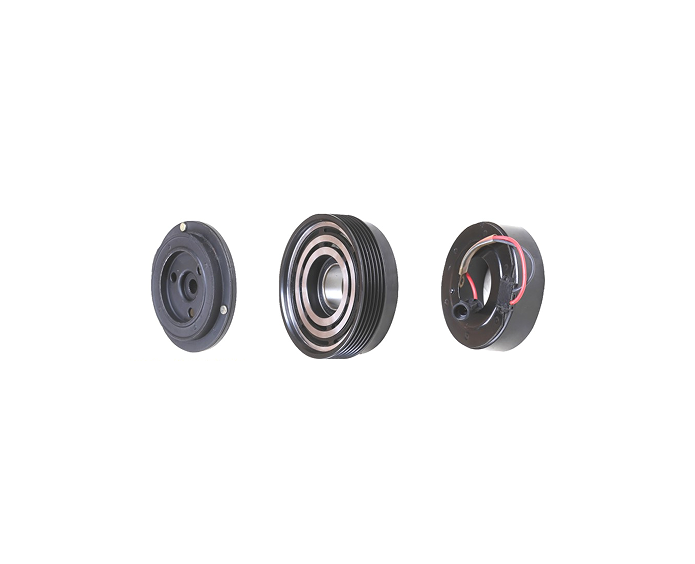

An auto AC compressor clutch experiences repeated mechanical and thermal stress throughout its service life. Every time the air conditioning system starts or stops, the clutch coil activates, the hub plate moves, the friction surfaces contact, and torque is transferred to the compressor shaft.
These loads may be relatively small during one cycle. However, thousands of repeated cycles can gradually weaken materials.
For an automotive air conditioner clutch, fatigue resistance is the ability of its components to withstand repeated engagement, vibration, temperature changes, and torque without cracking, deforming, or losing performance.
For importers, distributors, and repair businesses, poor fatigue resistance can lead to early product failure, warranty claims, repeat repairs, and damaged customer trust.
What Is Material Fatigue?
Material fatigue is progressive damage caused by repeated stress. A component may operate below its maximum load but still develop small cracks or structural weakness after many cycles.
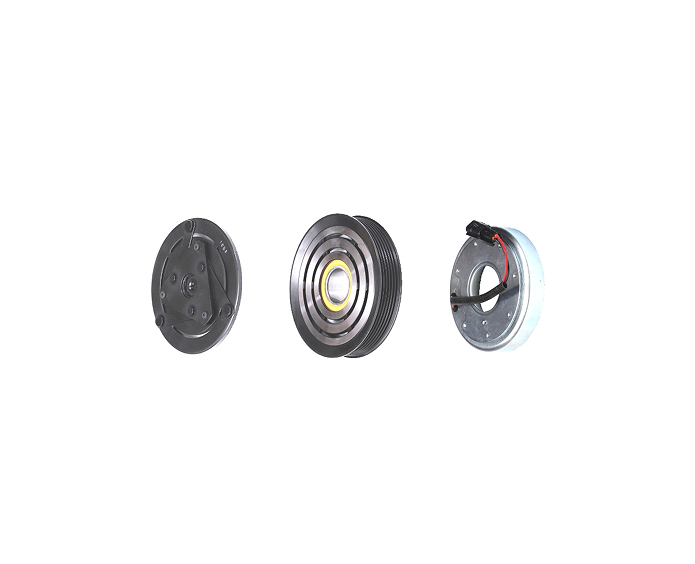
In an AC clutch system, fatigue may affect several components.
| Component | Common Fatigue Risk |
|---|---|
| Hub Plate | Repeated impact and torque stress |
| Friction Material | Heat cycling, surface stress, and wear |
| Pulley | Belt load, vibration, and rotational stress |
| Bearing | Continuous rotation and repeated load changes |
| Clutch Coil | Electrical heating and cooling cycles |
| Connectors | Vibration and temperature-related movement |
| Mounting Parts | Repeated mechanical and engine vibration |
A durable clutch requires materials and manufacturing processes that control these fatigue risks.
How Engagement Cycles Create Fatigue
When the AC system requests cooling, the coil creates magnetic force and pulls the hub plate toward the pulley. The contact transfers torque to the compressor.
When cooling demand stops, the clutch disengages. This engagement and separation process repeats throughout vehicle operation.
Each cycle creates:
- Magnetic attraction force
- Mechanical impact
- Friction contact
- Torque loading
- Heat generation
- Material expansion and contraction
- Vibration
A reliable automotive air conditioner clutch must maintain stable performance through repeated cycles without developing cracks, excessive wear, or permanent deformation.
Fatigue Resistance in Hub Plates and Metal Components
The hub plate receives repeated impact whenever the clutch engages. It also transfers torque from the pulley to the compressor shaft.
If the metal has insufficient fatigue strength, the hub plate may gradually develop:
- Small cracks
- Contact surface deformation
- Uneven engagement
- Excessive vibration
- Reduced torque transfer
- Premature structural failure
Material strength alone is not enough. The hub plate also requires proper thickness, heat treatment, dimensional accuracy, and surface finish.
Poor machining or sharp stress concentration points can increase fatigue risk even when the base material appears strong.
Thermal Fatigue in Friction Materials
Friction materials face repeated heating and cooling during clutch engagement.
When the clutch engages, friction creates heat. When it disengages, the surface begins to cool. Repeated temperature changes can weaken resin bonding, fibers, fillers, and the friction layer structure.
| Thermal Fatigue Problem | Possible Result |
| Resin Degradation | Reduced bonding strength |
| Surface Cracking | Unstable friction contact |
| Material Separation | Early clutch failure |
| Friction Glazing | Reduced grip and slipping |
| Uneven Wear | Noise, vibration, and poor torque transfer |
| Heat Damage | Shorter replacement lifecycle |
A fatigue-resistant friction material should maintain stable grip, structure, and wear performance under repeated thermal cycles.
How Vibration Accelerates Material Fatigue
The clutch operates near the engine and belt drive system, where vibration is unavoidable.
Normal vibration can be controlled through balanced pulley design, stable bearings, accurate fitment, and suitable material selection. Excessive vibration, however, can increase stress on the pulley, bearing seat, hub plate, wiring, and mounting areas.
Common vibration-related fatigue problems include:
- Loose connections
- Bearing wear
- Pulley imbalance
- Hub plate cracking
- Connector damage
- Uneven friction contact
- Increasing operating noise
For buses, trucks, and commercial vehicles, vibration resistance is particularly important because these vehicles may operate for longer hours and under more demanding road conditions.
Coil Fatigue from Repeated Heating and Cooling
The clutch coil experiences electrical and thermal cycles whenever the AC system operates.
Electrical current generates heat inside the coil. When the clutch switches off, the coil cools. Repeated heating and cooling may gradually affect insulation, winding stability, and electrical resistance.
A durable coil should provide:
- Stable winding structure
- Correct wire diameter
- Consistent resistance
- Heat-resistant insulation
- Secure connector design
- Reliable 12V or 24V performance
- Protection against vibration and moisture
If coil fatigue develops, the automotive air conditioner clutch may engage intermittently, lose magnetic force, overheat, or stop working completely.
Common Signs of Fatigue-Related Clutch Failure
Fatigue damage usually develops gradually rather than causing immediate failure.
Repair technicians may notice:
- Increasing clutch noise
- Delayed compressor engagement
- Intermittent cooling
- Clutch slipping under load
- Uneven friction surface wear
- Hub plate vibration
- Bearing noise
- Coil overheating
- Visible cracking or deformation
- Shorter replacement intervals
These symptoms may indicate that clutch components can no longer withstand repeated operating stress.
Why Fatigue Resistance Matters for Different Applications
Different vehicle applications create different fatigue requirements.
| Application | Main Fatigue Requirement |
| Passenger Cars | Quiet engagement and stable daily cycling |
| Buses | Long operating hours and frequent AC demand |
| Heavy Trucks | Torque, vibration, and high-temperature durability |
| Commercial Vehicles | Repeated daily cycling and stable replacement life |
| Hot-Climate Markets | Strong thermal fatigue resistance |
| Coastal Markets | Fatigue resistance combined with corrosion protection |
Buyers should select clutch products according to real operating conditions rather than relying only on appearance or price.
Buyer Checklist: What to Confirm Before Ordering
Before sourcing auto AC compressor clutch products, buyers should evaluate both fitment and fatigue-related quality factors.
| Check Item | Why It Matters |
| OE Number | Confirms the correct replacement model |
| Compressor Model | Ensures structural compatibility |
| Vehicle Application | Identifies expected load and cycle conditions |
| Hub Plate Structure | Affects impact and torque fatigue resistance |
| Friction Material | Determines thermal cycling and wear stability |
| Coil Insulation | Affects electrical and thermal lifecycle |
| Bearing Quality | Supports continuous rotation and vibration resistance |
| Pulley Balance | Reduces repeated vibration stress |
| Air Gap | Affects engagement impact and slipping risk |
| Product Sample | Helps confirm dimensions and construction |
A clutch may fit the compressor correctly but still fail early if its materials cannot withstand repeated operating cycles.
View gzkasen product categories here:
https://www.gzkasen.com/products
Why Fatigue Resistance Matters for B2B Buyers
For B2B buyers, fatigue resistance directly affects the real cost of a replacement part.
A lower-priced clutch with weak fatigue performance may create hidden costs through returns, labor disputes, repeat repairs, and lost customers.
Choosing a reliable automotive air conditioner clutch helps buyers:
- Reduce premature failures
- Lower warranty claims
- Improve repair shop confidence
- Support summer peak demand
- Serve heavy-duty vehicle markets
- Reduce replacement frequency
- Build stable repeat orders
- Protect distributor reputation
For aftermarket distributors, long-term cycle reliability is often more valuable than the lowest initial unit price.
How gzkasen Supports Auto AC Clutch Buyers
gzkasen supplies automotive air conditioning parts, including compressor clutches, compressors, electric compressors, valves, bearings, sensors, and related components.
For buyers sourcing automotive air conditioner clutch products, gzkasen can support:
- Product matching by OE number
- Compressor model verification
- Sample and drawing confirmation
- Clutch assembly, coil, pulley, bearing, and hub plate supply
- Mixed model orders for distributors
- OEM and customized requirements
- Passenger car, bus, truck, and commercial vehicle applications
- Aftermarket and repair chain sourcing support
Learn more about gzkasen here:
https://www.gzkasen.com/about-us
Visit the gzkasen homepage here:
https://www.gzkasen.com/
When Should Buyers Contact gzkasen?
Contact gzkasen when you are:
- Preparing inventory for summer AC repair demand
- Replacing compressor clutch models with high return rates
- Sourcing parts for buses, trucks, or commercial vehicles
- Developing a private-label auto AC parts range
- Looking for clutch products for hot or demanding markets
- Requiring mixed-model wholesale supply
To improve matching accuracy, buyers can provide:
- OE number
- Compressor model
- Vehicle model
- Product photo
- Sample or drawing
- Voltage requirement
- Pulley and bearing size
- Target market
- Estimated order quantity
With complete information, gzkasen can help identify a suitable automotive air conditioner clutch more efficiently.
FAQ
1. What is fatigue resistance in an auto AC compressor clutch?
Fatigue resistance is the ability of clutch materials and components to withstand repeated engagement, torque, vibration, and temperature cycles without cracking or losing performance.
2. Which AC clutch components are most affected by fatigue?
The hub plate, friction material, pulley, bearing, coil, connectors, and mounting components may all experience fatigue during long-term operation.
3. Can material fatigue cause clutch slipping?
Yes. Thermal fatigue and friction material damage can reduce surface grip, leading to slipping, heat buildup, and weak compressor performance.
4. Why is fatigue resistance important for buses and trucks?
Buses and trucks often have longer operating hours, stronger vibration, and higher thermal loads. Their clutch components need better fatigue resistance to reduce early failure.
5. What are common signs of fatigue-related clutch failure?
Common signs include noise, vibration, delayed engagement, intermittent cooling, slipping, bearing wear, coil overheating, and visible surface cracking.
6. What information should buyers provide to gzkasen?
Buyers can provide the OE number, compressor model, vehicle model, voltage, pulley size, bearing size, product photo, sample, or drawing for product matching.
Conclusion
Fatigue resistance is a key factor in auto AC compressor clutch durability. Repeated engagement, thermal cycling, vibration, friction contact, and torque loading can gradually weaken clutch materials.
For importers, distributors, and repair businesses, choosing a reliable automotive air conditioner clutch requires more than confirming dimensions and price. Hub plate strength, friction material stability, coil insulation, bearing quality, pulley balance, and application conditions all affect long-term performance.
gzkasen can help buyers match suitable auto AC compressor clutch products by OE number, compressor model, vehicle application, sample, photo, or technical drawing.
Contact gzkasen today to discuss your automotive air conditioner clutch requirements and receive product matching support for your next order.