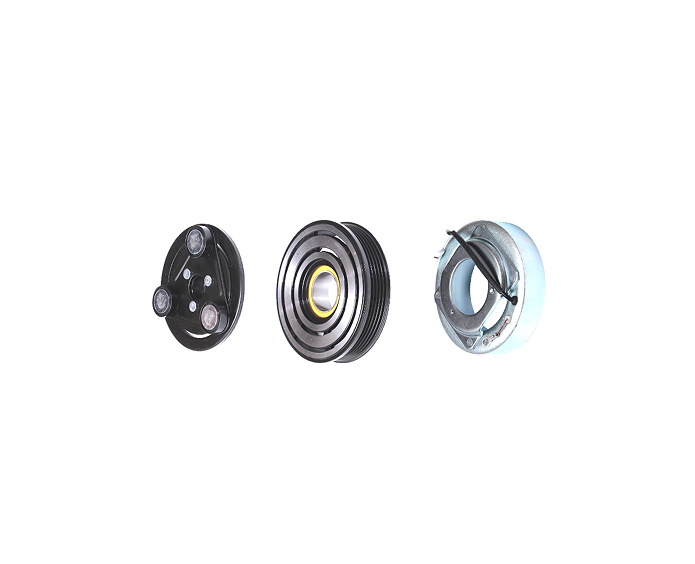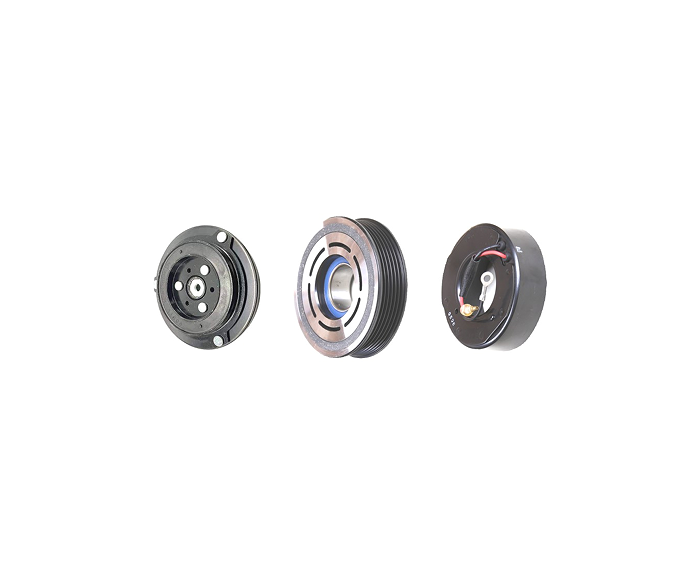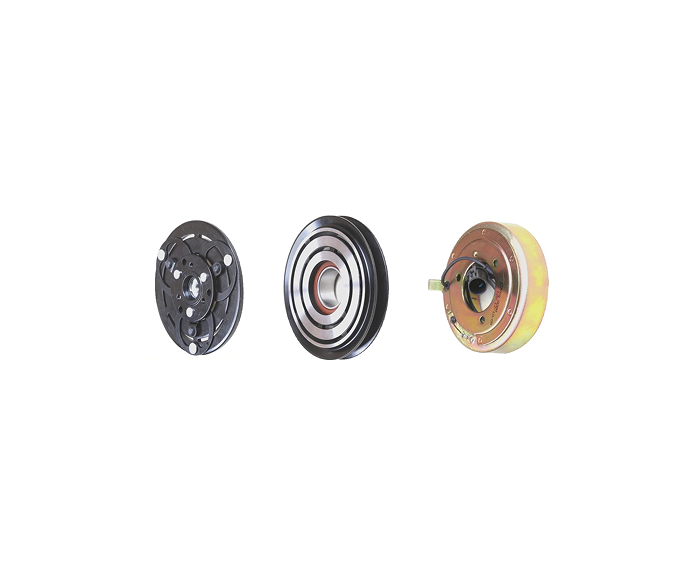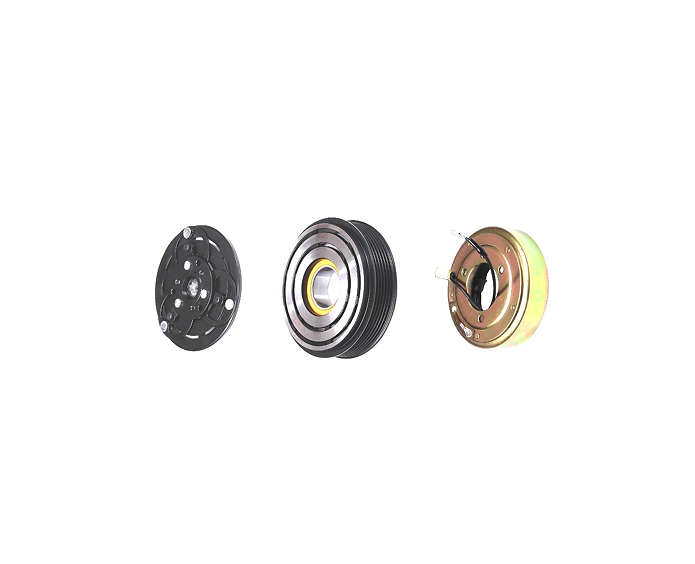

An auto AC compressor clutch operates in one of the harshest areas of a vehicle. It is exposed to moisture, road splash, humidity, temperature changes, dust, and chemical contaminants.
Although the clutch is designed for mechanical performance, corrosion can gradually damage important components such as the pulley, hub plate, mounting parts, bearings, and electrical connections.
For an automotive air conditioner clutch, corrosion resistance directly affects reliability, engagement stability, appearance quality, and service life.
For importers, distributors, and repair businesses, corrosion-related failures can create customer complaints, warranty costs, and replacement problems, especially in tropical, coastal, and high-humidity markets.
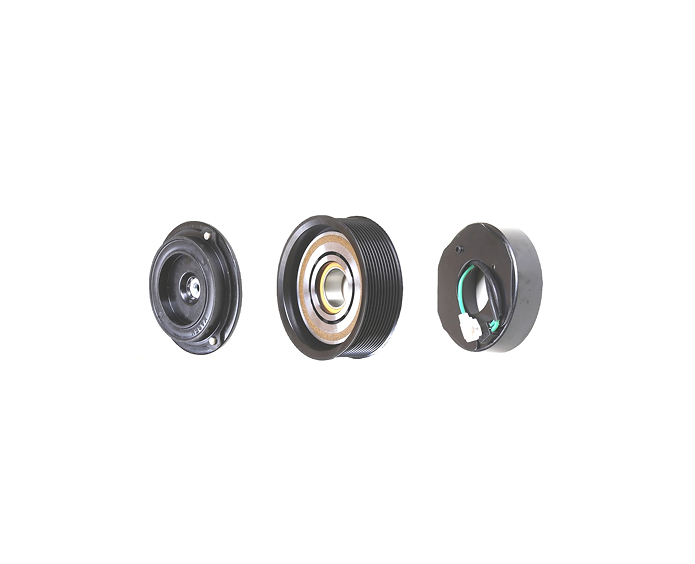
What Causes Corrosion in Auto AC Clutch Components?
Corrosion occurs when metal surfaces react with environmental elements such as oxygen, water, salt, or chemicals.
Common corrosion sources include:
| Corrosion Source | Possible Impact |
|---|---|
| Rain and Road Water | Accelerates metal oxidation |
| High Humidity | Increases moisture exposure |
| Salt Environment | Speeds up corrosion reactions |
| Temperature Cycling | Creates condensation |
| Chemical Contamination | Damages protective surfaces |
| Long-Term Storage | Increases surface oxidation risk |
Vehicles operating near coastlines, in tropical regions, or in harsh environments usually require stronger corrosion protection.
Common Corrosion Areas in an AC Clutch System
Different clutch components face different corrosion risks.
| Component | Corrosion Impact |
| Pulley | Surface rust and rotation issues |
| Hub Plate | Reduced friction contact quality |
| Mounting Parts | Installation difficulties |
| Fasteners | Reduced mechanical reliability |
| Bearing Area | Increased wear and noise risk |
| Electrical Connectors | Poor conductivity and unstable operation |
| Metal Housing | Reduced structural protection |
A reliable automotive air conditioner clutch requires protection across the complete assembly, not only individual components.
How Corrosion Affects Pulley and Hub Plate Performance
The pulley and hub plate are critical components for torque transmission.
The hub plate must contact the pulley smoothly to transfer torque. Corrosion on these surfaces can create uneven contact and affect clutch engagement.
Possible problems include:
- Uneven friction contact
- Increased vibration
- Reduced torque transfer
- Surface roughness
- Accelerated friction wear
- Noise during engagement
Even small corrosion areas can influence clutch performance because these components require accurate surface interaction.
Corrosion Effects on Bearings
The pulley bearing is another area where corrosion protection is important.
The bearing rotates continuously with the engine belt. If moisture enters the bearing area, it may affect lubrication and internal surfaces.
Corrosion-related bearing problems include:
| Bearing Corrosion Issue | Possible Result |
| Rust on Rolling Surfaces | Increased friction |
| Lubricant Contamination | Noise and wear |
| Seal Damage | Moisture penetration |
| Internal Corrosion | Reduced load capacity |
| Rough Rotation | Pulley vibration |
For distributors, bearing noise caused by corrosion is one of the common causes of customer complaints after installation.
Corrosion and Electrical Reliability of Clutch Coils
The clutch coil creates the magnetic force required for engagement. Because it is an electrical component, corrosion protection is important for long-term operation.
Moisture and corrosion may affect:
- Connectors
- Wiring terminals
- Insulation areas
- Electrical contacts
Possible results include:
- Weak magnetic force
- Intermittent engagement
- Electrical resistance changes
- Coil failure
- Compressor operation problems
A reliable automotive air conditioner clutch should include proper electrical protection against moisture and environmental exposure.
How Corrosion Influences Friction Performance
The friction system depends on controlled surface contact between the pulley and hub plate.
Corrosion can change surface conditions and affect friction behavior.
| Corrosion Effect | Possible Result |
| Surface Roughness | Increased wear |
| Oxidation Layer | Reduced contact quality |
| Uneven Surface | Vibration and noise |
| Contamination | Reduced friction stability |
| Material Damage | Shorter clutch lifecycle |
Stable surface condition is essential for reliable torque transmission.
Corrosion Protection Methods in AC Clutch Manufacturing
Manufacturers use different approaches to improve corrosion resistance.
Important protection methods include:
| Protection Method | Performance Benefit |
| Surface Coating | Protects metal surfaces |
| Anti-Corrosion Treatment | Reduces oxidation |
| Sealed Bearings | Prevents moisture intrusion |
| Protected Connectors | Improves electrical reliability |
| Proper Material Selection | Improves environmental durability |
| Controlled Packaging | Reduces storage corrosion |
A durable clutch requires a combination of good materials, manufacturing processes, and protection methods.
Why Corrosion Resistance Matters for Different Markets
Different operating environments create different corrosion risks.
| Market Condition | Corrosion Requirement |
| Coastal Areas | Strong salt corrosion protection |
| Tropical Regions | Moisture and humidity resistance |
| Desert Areas | Dust and temperature resistance |
| Commercial Vehicles | Long-term environmental durability |
| Heavy Trucks | Vibration and corrosion resistance |
| Aftermarket Storage | Long-term protection during inventory |
For global distributors, selecting products based on market conditions helps reduce unexpected failures.
Common Problems Caused by Poor Corrosion Resistance
When corrosion protection is insufficient, repair shops may experience:
| Problem | Possible Cause |
| Clutch Noise | Bearing corrosion or rough rotation |
| Weak Engagement | Electrical corrosion affecting coil operation |
| Vibration | Uneven pulley or hub surface |
| Slipping | Poor friction contact |
| Difficult Installation | Rusted mounting areas |
| Short Lifecycle | Continuous corrosion damage |
These problems increase maintenance costs and create after-sales pressure for distributors.
Buyer Checklist: What to Confirm Before Ordering
Before sourcing auto AC compressor clutch products, buyers should evaluate corrosion-related quality factors.
| Check Item | Why It Matters |
| OE Number | Confirms correct replacement model |
| Compressor Model | Ensures clutch compatibility |
| Surface Treatment | Determines corrosion protection |
| Pulley Material | Affects rust resistance |
| Hub Plate Protection | Maintains friction surface quality |
| Bearing Sealing | Prevents moisture damage |
| Connector Protection | Supports electrical reliability |
| Storage Protection | Reduces inventory corrosion |
| Vehicle Application | Matches environmental conditions |
| Product Sample | Confirms actual protection quality |
A clutch may perform well in dry conditions but fail early if corrosion resistance is insufficient for the target market.
View gzkasen product categories here:
https://www.gzkasen.com/products
Why Corrosion Resistance Matters for B2B Buyers
For B2B buyers, corrosion resistance affects the total cost of ownership.
Poor corrosion protection may create:
- Higher return rates
- Warranty claims
- Customer complaints
- Additional repair labor
- Reduced distributor confidence
Choosing a reliable automotive air conditioner clutch helps buyers:
- Improve product durability
- Serve different climate markets
- Reduce environmental failures
- Support long-term replacement demand
- Improve customer satisfaction
- Build stable supplier relationships
For aftermarket distributors, corrosion resistance is an important quality advantage.
How gzkasen Supports Corrosion-Resistant AC Clutch Solutions
gzkasen supplies automotive air conditioning parts, including compressor clutches, compressors, electric compressors, valves, bearings, sensors, and related components.
For buyers sourcing automotive air conditioner clutch products, gzkasen can support:
- Product matching by OE number
- Compressor model verification
- Sample and drawing confirmation
- Clutch assembly, coil, pulley, bearing, and hub plate supply
- OEM and customized requirements
- Passenger car, bus, truck, and commercial vehicle applications
- Aftermarket replacement solutions
Learn more about gzkasen here:
https://www.gzkasen.com/about-us
Visit the gzkasen homepage here:
https://www.gzkasen.com/
When Should Buyers Contact gzkasen?
Contact gzkasen when you are:
- Sourcing corrosion-resistant AC clutch products
- Serving tropical or coastal markets
- Preparing long-term inventory
- Replacing rust-related failure models
- Supplying commercial vehicle customers
- Developing private-label auto AC parts
Provide:
- OE number
- Compressor model
- Vehicle model
- Product photo
- Sample
- Drawing
- Target market
- Order quantity
With complete information, gzkasen can help confirm the correct automotive air conditioner clutch model.
FAQ
1. Why is corrosion resistance important in an auto AC compressor clutch?
Corrosion resistance protects metal, electrical, and precision components from moisture damage, helping maintain performance and service life.
2. Which AC clutch components are most affected by corrosion?
The pulley, hub plate, bearings, mounting parts, fasteners, and electrical connectors are commonly affected.
3. Can corrosion cause clutch failure?
Yes. Corrosion can affect friction contact, electrical performance, bearing rotation, and overall clutch reliability.
4. Why are tropical and coastal markets more challenging?
High humidity, moisture, and salt exposure accelerate corrosion and require stronger protection.
5. How can buyers evaluate corrosion-resistant AC clutches?
Buyers should check surface treatment, bearing sealing, connector protection, material selection, storage protection, and supplier quality control.
6. What information should buyers provide to gzkasen?
Buyers can provide OE number, compressor model, vehicle model, voltage, pulley size, product photo, sample, or drawing for accurate matching.
Conclusion
Corrosion resistance is a key factor in auto AC compressor clutch durability. Moisture, humidity, salt, and environmental exposure can affect metal surfaces, bearings, electrical components, and friction performance.
For importers, distributors, and repair businesses, choosing a reliable automotive air conditioner clutch requires evaluating corrosion protection, surface treatment, material quality, bearing sealing, electrical protection, and application conditions.
gzkasen helps buyers select suitable auto AC compressor clutch solutions based on OE number, compressor model, vehicle application, sample, or technical requirements.
Contact gzkasen today to discuss your automotive air conditioner clutch requirements and receive professional product matching support.