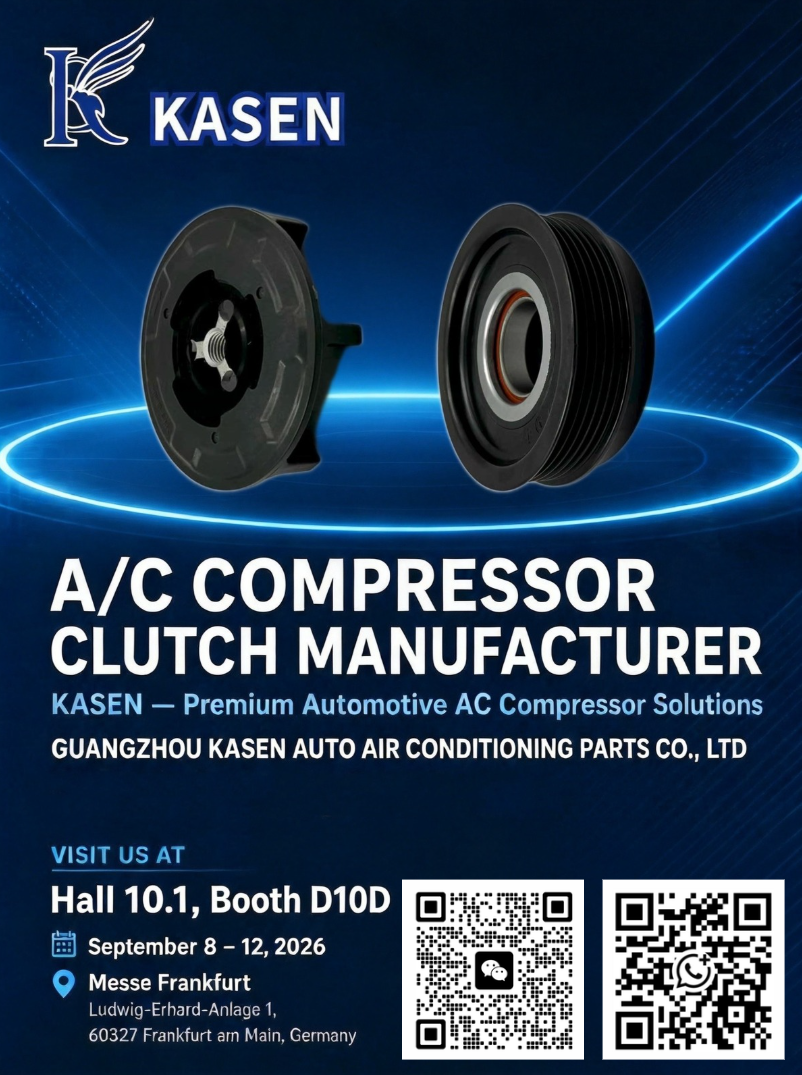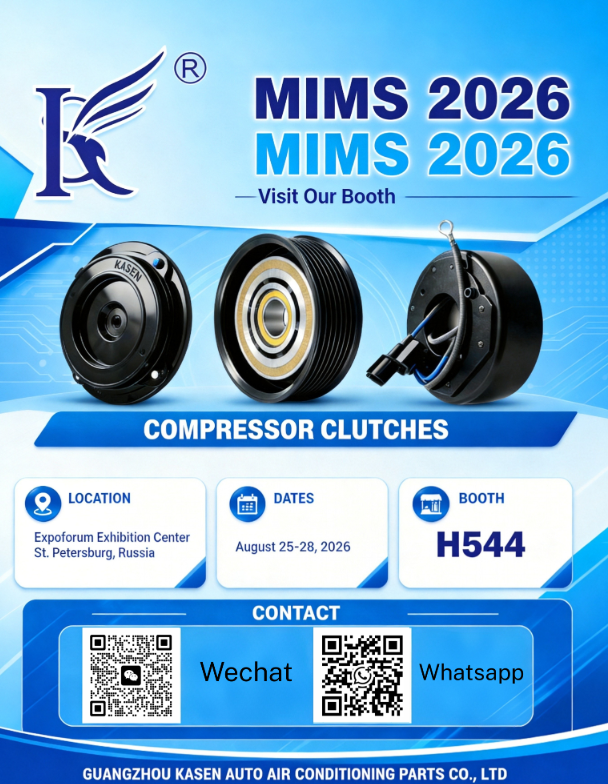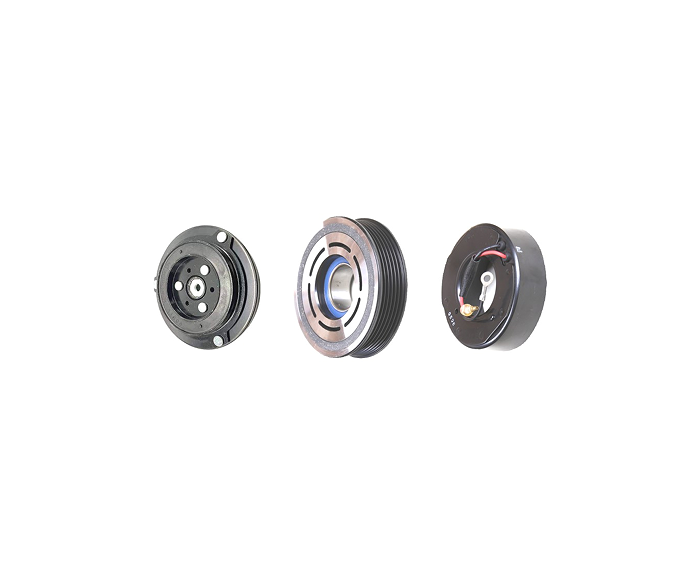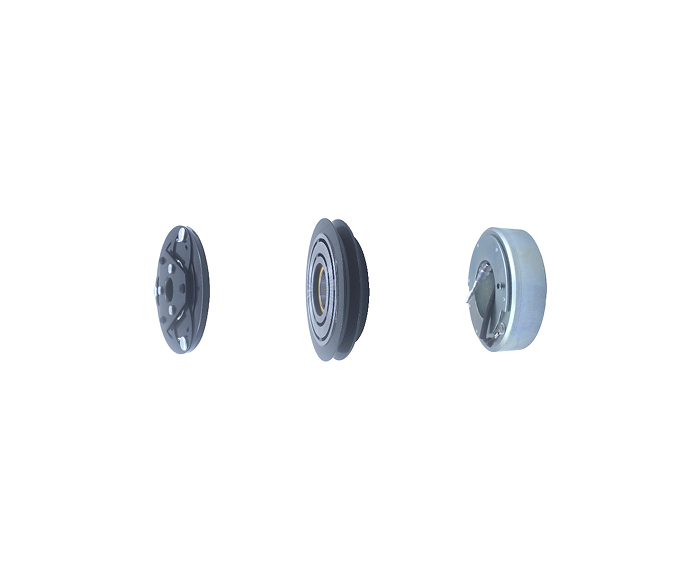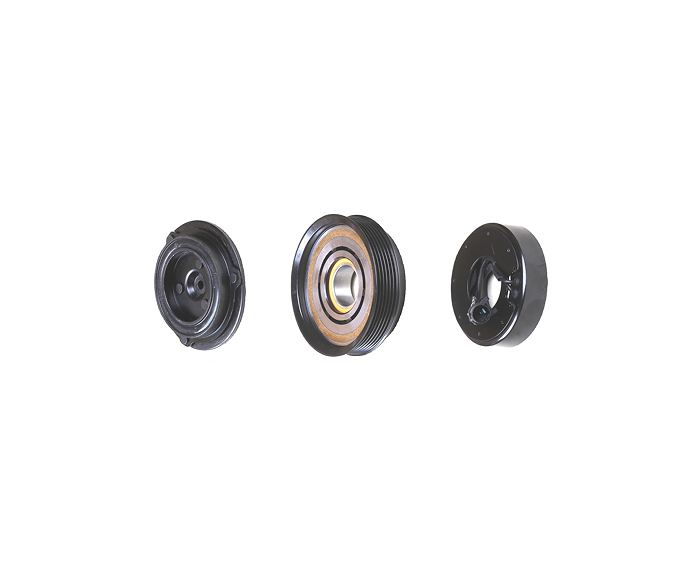

An auto AC compressor clutch relies on controlled friction to transfer torque from the rotating pulley to the compressor shaft. The friction surface must provide enough grip to prevent slipping while still allowing smooth, quiet engagement.
This performance depends on a balanced material formulation. Resin binds the structure together, fibers provide reinforcement, friction modifiers adjust grip, and fillers help control heat, wear, strength, and surface behavior.
For an automotive air conditioner clutch, the correct filler system can improve engagement stability and extend service life. Poorly selected or unevenly distributed fillers may cause slipping, glazing, cracking, excessive wear, noise, or overheating.
For importers, distributors, and repair businesses, filler formulation may not be visible from the outside, but it can directly affect return rates and customer satisfaction.
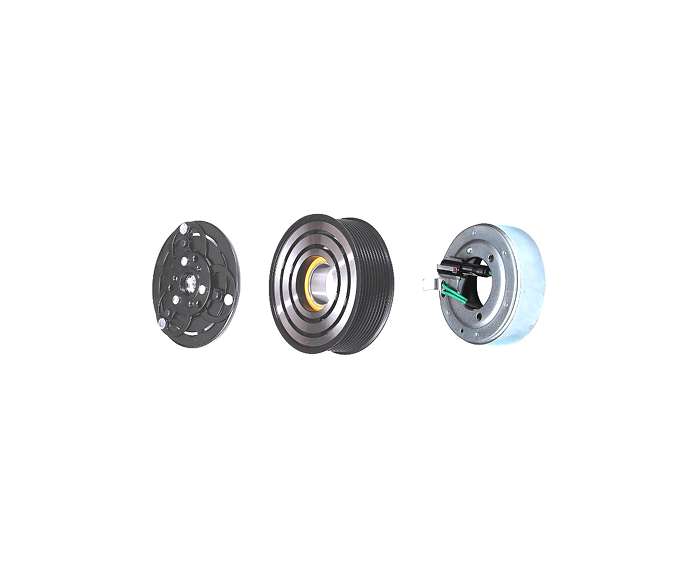
What Are Fillers in AC Clutch Friction Materials?
Fillers are material ingredients added to the friction compound to adjust mechanical, thermal, and friction performance.
They do not simply increase material volume. Different fillers can influence hardness, heat transfer, wear behavior, friction coefficient, vibration, and production consistency.
| Filler Function | Impact on AC Clutch Performance |
|---|---|
| Heat Control | Helps manage temperature during engagement |
| Wear Resistance | Reduces rapid loss of friction material |
| Friction Stability | Supports more consistent torque transfer |
| Structural Support | Helps maintain material shape under load |
| Noise Control | Reduces harsh engagement and vibration |
| Processing Stability | Supports consistent molding and curing |
| Cost Balance | Helps achieve target performance at a practical cost |
A reliable formulation requires the right filler type, particle size, concentration, and compatibility with the resin and fiber system.
How Fillers Influence Friction Coefficient
The friction coefficient determines how effectively the hub plate grips the pulley during engagement.
If friction is too low, the clutch may slip and fail to transfer enough torque. If friction is too high or unstable, engagement may become harsh, noisy, or difficult to control.
Fillers help adjust friction behavior by changing the surface texture, hardness, and interaction between the friction layer and metal contact surface.
A well-formulated automotive air conditioner clutch should provide:
- Stable friction coefficient
- Smooth initial engagement
- Reliable torque transfer
- Lower slipping risk
- Reduced impact noise
- Consistent performance after repeated cycles
- Stable behavior under temperature changes
The goal is not to create maximum friction. The goal is to create controlled and repeatable friction.
Thermal Fillers and Heat Management
Heat is one of the main challenges in AC clutch operation. When the hub plate contacts the pulley, friction produces heat. Frequent engagement cycles, high engine bay temperatures, and compressor load can increase thermal stress.
Certain fillers help distribute or control heat inside the friction material. This can reduce local hot spots and protect the resin system from rapid degradation.
| Heat-Related Problem | Possible Filler Contribution |
| Local Hot Spots | Improves heat distribution |
| Resin Degradation | Reduces excessive thermal concentration |
| Surface Glazing | Supports friction stability at high temperature |
| Material Cracking | Helps improve thermal structural stability |
| Clutch Slipping | Supports grip under elevated temperature |
| Fast Wear | Helps maintain surface strength |
Fillers alone cannot solve every thermal problem. Coil heat, air gap, pulley alignment, friction material thickness, and engagement frequency must also be controlled.
Fillers and Wear Resistance
Every clutch engagement removes a small amount of material from the friction surface. Good wear resistance helps slow this process while maintaining stable grip.
Harder mineral or functional fillers may improve resistance to surface loss. However, excessive hardness can create aggressive contact, noise, or wear on the mating metal surface.
A balanced formulation should protect both the friction material and the pulley or hub plate.
Poor filler balance may cause:
- Fast friction layer wear
- Uneven wear patterns
- Excessive dust
- Surface scoring
- Glazing
- Cracking
- Reduced torque capacity
- Shorter clutch service life
For buses, trucks, and commercial vehicles, wear control is especially important because their AC systems may operate for longer hours and experience more engagement cycles.
Particle Size and Distribution Matter
Filler performance depends not only on chemical composition but also on particle size and distribution.
If filler particles are too large, the friction surface may become rough or inconsistent. If they are too fine, they may affect resin flow, processing, or bonding behavior.
Uneven distribution can create weak areas inside the material.
| Formulation Issue | Possible Result |
| Large Particles | Rough engagement or uneven wear |
| Excessively Fine Particles | Processing difficulty or weak bonding |
| Poor Distribution | Local cracking and unstable friction |
| Incorrect Filler Ratio | Heat, noise, or durability problems |
| Poor Resin Compatibility | Material separation or surface breakdown |
Consistent mixing and controlled manufacturing help ensure the fillers are distributed evenly throughout the friction material.
Fillers, Resin, and Fiber Must Work Together
A high-performance friction material is a complete system.
The resin forms the bonding network. Fibers reinforce the structure. Fillers adjust thermal, mechanical, and friction properties. Friction modifiers help control surface grip.
If these elements are not compatible, the friction material may fail even when each ingredient appears suitable on its own.
| Material Element | Main Role |
| Resin | Bonds the formulation together |
| Fibers | Improve strength and fatigue resistance |
| Fillers | Adjust heat, wear, hardness, and stability |
| Friction Modifiers | Control grip and engagement behavior |
| Additives | Support curing, processing, and durability |
A reliable automotive air conditioner clutch requires balance between these elements rather than relying on one high-performance ingredient.
How Fillers Affect Noise and Vibration
Clutch noise can come from pulley imbalance, bearing problems, incorrect air gap, harsh engagement, or unstable friction contact.
Fillers can influence the stiffness and damping behavior of the friction material. A balanced filler system may help reduce harsh contact and engagement vibration.
Poor formulation may contribute to:
- Clicking or impact noise
- Vibration during engagement
- Uneven contact
- Friction chatter
- Surface resonance
- Accelerated bearing or hub plate stress
For passenger car applications, noise control is particularly important because drivers may notice even small changes after a replacement clutch is installed.
Common Failures Linked to Poor Filler Formulation
When filler selection or distribution is poor, repair technicians may notice several performance problems.
| Failure Symptom | Possible Formulation Cause |
| Clutch Slipping | Low or unstable friction coefficient |
| Burning Smell | Excessive friction heat |
| Surface Glazing | Poor high-temperature friction stability |
| Fast Wear | Weak wear resistance |
| Cracking | Poor structural support or resin compatibility |
| Excessive Noise | Harsh or uneven surface contact |
| Vibration | Inconsistent material distribution |
| Short Service Life | Unbalanced filler, resin, and fiber system |
These failures can create warranty claims and repeat repairs even when the clutch dimensions and installation appear correct.
Why Filler Formulation Matters for B2B Buyers
For B2B buyers, material formulation affects the real cost of a compressor clutch.
A low-price clutch may initially reduce purchasing cost. However, unstable friction materials can create additional expenses through product returns, repair labor disputes, warranty claims, and damaged distributor reputation.
Choosing a reliable automotive air conditioner clutch helps buyers:
- Reduce slipping-related complaints
- Improve heat resistance
- Lower premature wear risk
- Reduce noise and vibration issues
- Improve repair shop confidence
- Support hot-climate applications
- Serve buses and commercial vehicles
- Build stable repeat orders
For aftermarket distributors, consistent material quality is usually more valuable than the lowest initial unit price.
Material Requirements for Different Applications
Different vehicle applications place different demands on the friction material.
| Application | Main Filler Formulation Priority |
| Passenger Cars | Smooth engagement and low noise |
| Buses | Heat stability and long operating life |
| Heavy Trucks | Load resistance and vibration durability |
| Commercial Vehicles | Wear resistance and repeated cycling |
| Hot-Climate Markets | Thermal stability and reduced glazing |
| Coastal Markets | Moisture and corrosion-related stability |
| Aftermarket Replacement | Consistent fitment and reliable service life |
Buyers should provide vehicle type and market conditions when requesting product matching.
Buyer Checklist: What to Confirm Before Ordering
Before sourcing auto AC compressor clutch products, buyers should evaluate both fitment and friction material performance.
| Check Item | Why It Matters |
| OE Number | Confirms the correct replacement model |
| Compressor Model | Ensures structural compatibility |
| Vehicle Application | Identifies heat, load, and cycle requirements |
| Friction Surface Quality | Affects grip, wear, and noise |
| Heat Resistance | Supports summer and heavy-duty operation |
| Hub Plate Design | Influences contact and torque transfer |
| Air Gap | Controls engagement response |
| Coil Voltage | Must match the vehicle electrical system |
| Bearing Quality | Supports stable pulley rotation |
| Product Sample | Helps confirm dimensions and construction |
A clutch may fit the compressor correctly but still perform poorly if the friction material formulation is unstable.
View gzkasen product categories here:
https://www.gzkasen.com/products
How gzkasen Supports Auto AC Clutch Buyers
gzkasen supplies automotive air conditioning parts, including compressor clutches, compressors, electric compressors, valves, bearings, sensors, and related components.
For buyers sourcing automotive air conditioner clutch products, gzkasen can support:
- Product matching by OE number
- Compressor model verification
- Sample and drawing confirmation
- Clutch assembly, coil, pulley, bearing, and hub plate supply
- Mixed-model orders for distributors
- OEM and customized requirements
- Passenger car, bus, truck, and commercial vehicle applications
- Aftermarket and repair chain sourcing support
Learn more about gzkasen here:
https://www.gzkasen.com/about-us
Visit the gzkasen homepage here:
https://www.gzkasen.com/
When Should Buyers Contact gzkasen?
Contact gzkasen when you are:
- Preparing stock for summer AC repair demand
- Replacing clutch models with high slipping or wear rates
- Sourcing products for hot-climate markets
- Supplying buses, trucks, or commercial vehicles
- Developing a private-label auto AC parts range
- Looking for mixed-model wholesale supply
- Comparing long-term reliability between suppliers
To improve product matching accuracy, buyers can provide:
- OE number
- Compressor model
- Vehicle model
- Product photo
- Sample or drawing
- Voltage requirement
- Pulley and bearing size
- Target market
- Estimated order quantity
With complete information, gzkasen can identify a suitable clutch model and prepare a more accurate quotation.
FAQ
1. What is the purpose of fillers in AC clutch friction materials?
Fillers help adjust heat resistance, wear control, friction coefficient, structural strength, noise behavior, and processing stability.
2. Can fillers affect clutch slipping?
Yes. An unbalanced filler formulation may reduce friction stability and cause the clutch to slip under load or high temperature.
3. How do fillers improve wear resistance?
Suitable fillers strengthen the friction layer and help reduce rapid surface loss during repeated engagement cycles.
4. Can too much filler reduce clutch performance?
Yes. Excessive or poorly selected fillers can weaken resin bonding, increase noise, create rough contact, or cause cracking.
5. Why does filler particle size matter?
Particle size affects surface texture, material distribution, processing, bonding, wear, and friction consistency.
6. Are filler requirements different for buses and trucks?
Yes. Buses and trucks often require stronger heat resistance, load durability, vibration resistance, and long-cycle wear performance.
7. What information should buyers provide to gzkasen?
Buyers can provide the OE number, compressor model, vehicle model, voltage, pulley size, bearing size, product photo, sample, or drawing for matching.
Conclusion
Fillers play a critical role in AC clutch friction material formulation. They influence heat management, friction stability, wear resistance, structural strength, noise control, and long-term durability.
For importers, distributors, and repair businesses, choosing a reliable automotive air conditioner clutch requires more than confirming size and price. Filler balance, resin compatibility, fiber reinforcement, surface quality, air gap, bearing performance, and vehicle application all affect real-world reliability.
gzkasen can help buyers match suitable auto AC compressor clutch products by OE number, compressor model, vehicle application, product photo, sample, or technical drawing.
Contact gzkasen today to discuss your automotive air conditioner clutch requirements and receive product matching and quotation support for your next order.