
The unsung pillar of vehicle reliability
Automotive bearings are the unsung heroes, supporting the performance of every vehicle—from daily commutes to high-speed driving, without exception. Their primary task is to minimize friction between moving parts, a crucial function that directly impacts a vehicle's smoothness, fuel efficiency, and lifespan. In an era where road reliability and sustainability are paramount, understanding how these bearings work and the importance of their quality can help car owners, enthusiasts, and professionals make more informed maintenance and upgrade choices.
Without effective bearings, friction exacerbates wear on critical components such as axles, wheels, and motors, leading to malfunctions, increased energy waste, and premature failure. As vehicles evolve—especially with the rise of electric powertrains—bearings become increasingly critical, requiring them to meet more stringent efficiency and durability standards.
The core working principle of automotive bearings
Automotive bearings are precision-designed to balance load support, reduce friction, and ensure environmental adaptability. Their functionality revolves around three key design and operating principles:
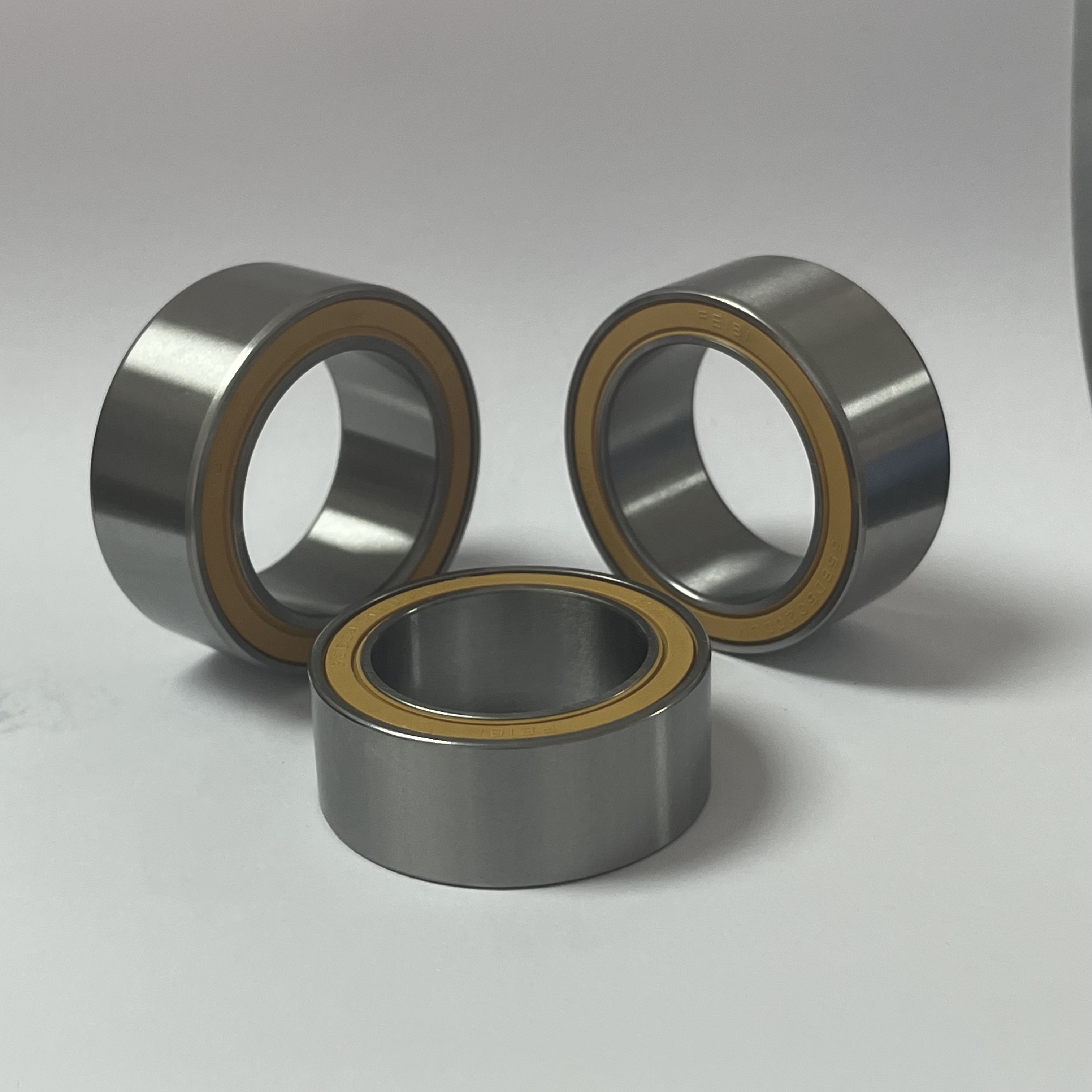
Friction is reduced through a rolling mechanism.
Unlike sliding contact (which involves high friction), bearings utilize rolling to minimize resistance between moving parts. Most automotive bearings have precision-ground inner and outer rings (raceways) and rolling elements—steel balls, cylindrical rollers, or tapered rollers—to evenly distribute the load. This rolling mechanism significantly reduces the coefficient of friction, minimizing energy loss and heat generation even under heavy loads.
Dual load support: radial and axial load capacity
Vehicles exert two types of forces on bearings: radial loads (perpendicular to the axle, such as the vehicle's weight) and axial loads (parallel to the axle, such as during cornering or braking). High-quality bearings employ optimized contact angles between the raceways and rolling elements to withstand both loads simultaneously. For example, tapered roller bearings excel at handling axial loads, while deep groove ball bearings prioritize radial support—ensuring stability under a variety of driving conditions.
Durable Materials and Surface Engineering
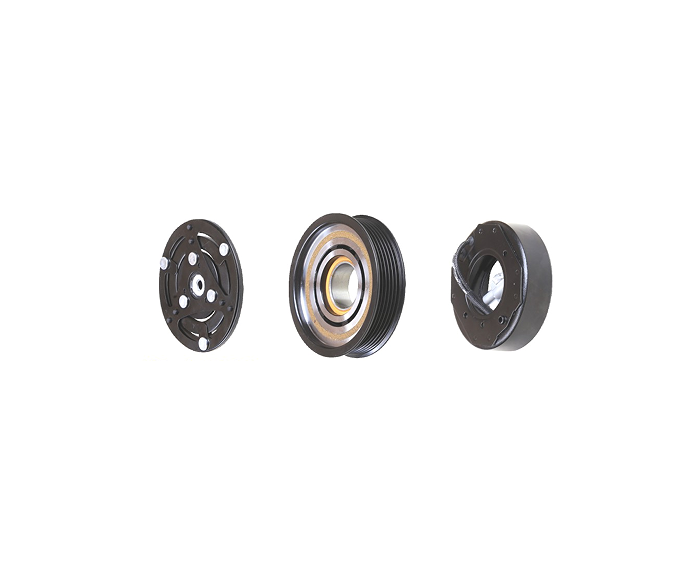
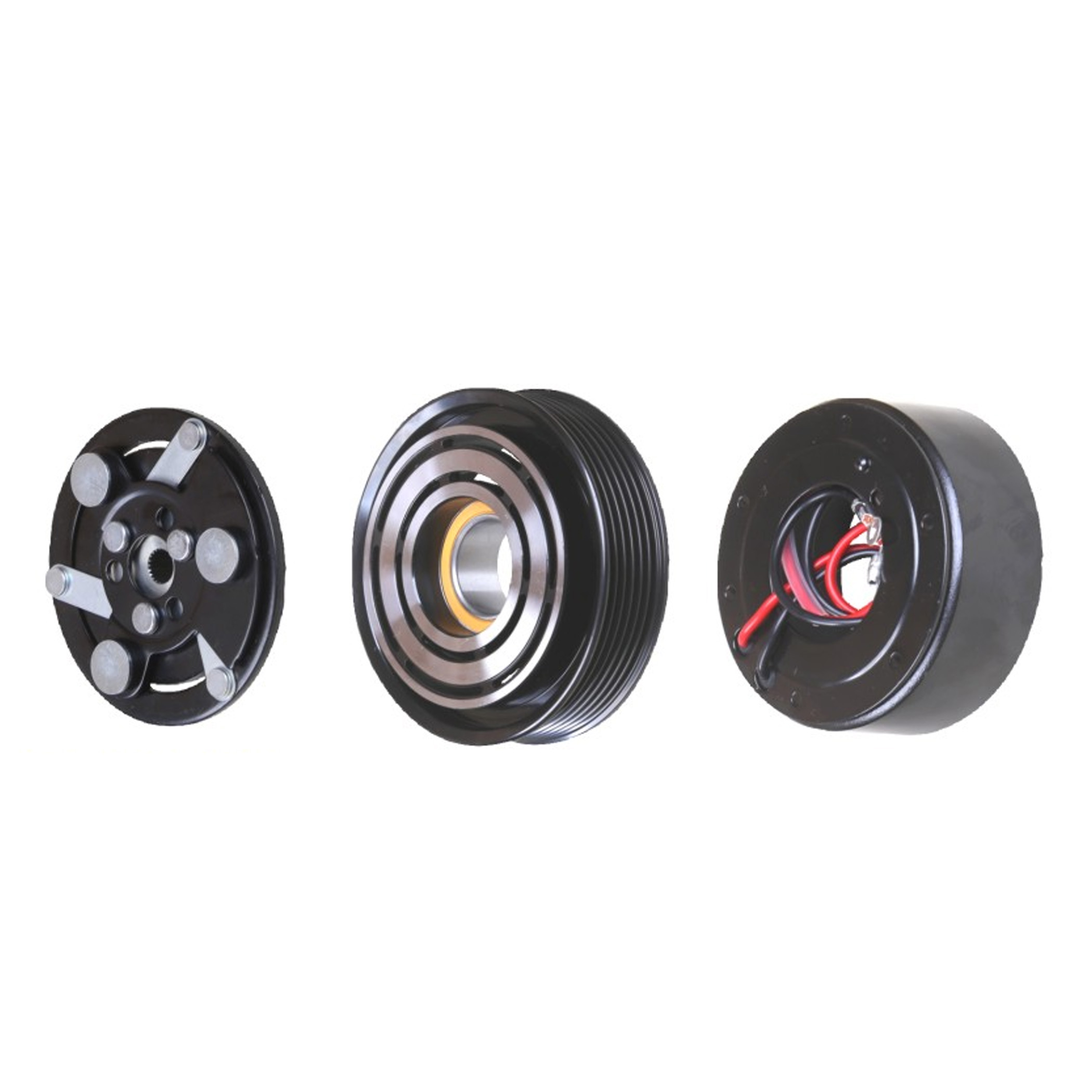
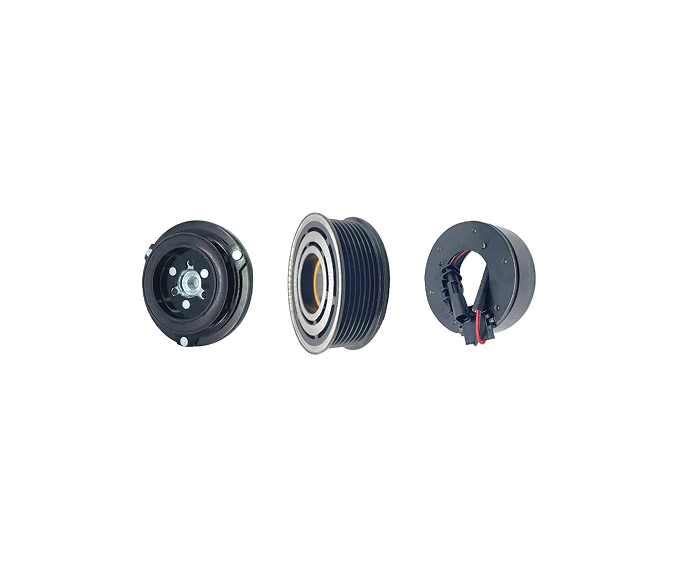
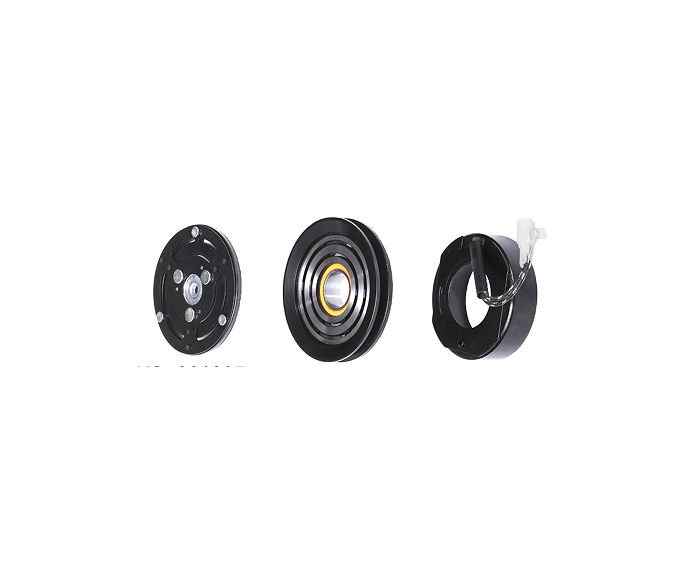
Modern automotive bearings utilize high-strength steel alloys for their inner and outer rings and rolling elements to provide the rigidity required to withstand extreme pressures and speeds. To enhance durability, bearings undergo special surface treatments: the gold coating commonly found on many bearings is a corrosion-resistant layer (such as zinc plating or ceramic coating) that prevents damage from rust, wear, moisture, road salt, or extreme temperatures. This material technology ensures reliable operation of the bearings in rainy, snowy weather or harsh off-road environments.
Targeted Solutions: How High-Quality Bearings Address Common Challenges
From friction-induced inefficiency to environmental wear, automotive bearings address key pain points affecting vehicle performance. Here's how high-quality bearings provide practical solutions:
Reduce friction and energy waste
Excessive friction leads to reduced fuel efficiency (gasoline vehicles) and wasted battery power (electric vehicles). High-precision bearings minimize this by:
- It employs an ultra-smooth track surface and perfectly sized rolling elements to eliminate uneven contact.
- Use low-friction lubricants (such as synthetic greases) to reduce internal resistance and prevent wear.
- Optimize internal clearances to balance load capacity and rotational freedom, ensuring minimal energy loss at both low and high speeds. These design choices can improve fuel efficiency by 3-5% and extend the driving range of electric vehicles by reducing the drag of the motor and axles.
Improve durability and reduce maintenance
Premature bearing failure is usually caused by corrosion, overload, or uneven load distribution. High-quality bearings address these issues in the following ways:
- The corrosion-resistant coating and sealing design prevent contaminants (dust, water, debris) from entering the cable tray.
- High-strength materials capable of withstanding heavy loads (such as trucks or SUVs) and high speeds (such as high-performance cars).
- Precise manufacturing tolerances ensure even load distribution, prevent localized wear, and extend service life. Results: Fewer failures, lower maintenance costs, and extended bearing replacement cycles.
Reduce vibration and noise, improve comfort and safety
Imbalanced or worn bearings can cause vibrations and noises (such as humming or rubbing), reducing driving comfort and potentially indicating impending failure. High-quality bearings address this issue by:
- Strict manufacturing tolerances eliminate irregularities in rolling elements or raceways.
- The symmetrical design and balanced weight distribution minimize vibration during rotation.
- The sealed structure can evenly retain the lubricant, preventing dry spots and thus avoiding noise and wear. A smoother, quieter ride not only improves comfort but also helps drivers detect other potential vehicle problems earlier.
Cross-vehicle applications and future innovation
Automotive bearings are used in a wide range of vehicles, with specialized designs for different needs—from passenger cars and trucks to electric vehicles and high-performance sports cars. Their role in improving sustainability and performance is increasingly important.
Customized applications for modern vehicles
- Passenger vehicles : Focus on low noise, fuel efficiency and long service life (e.g., wheel bearings with sealed units).
- Commercial vehicles (trucks/SUVs) : Designed for heavy-duty and harsh operating environments, featuring reinforced raceways and larger rolling elements.
- Electric Vehicles (EVs) : Optimized for high speeds (motor) and minimal friction to maximize battery range. EV-specific bearings also support regenerative braking systems by reducing resistance during energy recovery.
The Future of Automotive Bearings
As the industry transforms towards sustainable development and intelligent transportation, bearings are also constantly evolving and undergoing innovative upgrades:
- Intelligent monitoring : Integrated sensors track wear, temperature, and load in real time, enabling predictive maintenance and reducing unexpected failures.
- Advanced materials : The rolling elements are made of ceramic or composite materials that are lighter, harder, and more corrosion-resistant than steel, further reducing friction and extending service life.
- Eco-friendly design : Adopting lubricant-free or low-toxicity lubricant options that meet global environmental standards to reduce the impact on the ecological environment.
These advancements will not only improve vehicle performance but also support the transition to more environmentally friendly modes of transportation—demonstrating that even small components like bearings play a vital role in sustainable transportation.
Conclusion: Investing in high-quality bearings is essential for ensuring long-term performance.
Although automotive bearings are not easily noticeable, they are crucial for the reliable operation of vehicles. From rolling mechanisms to corrosion-resistant materials, the precision engineering of bearings solves core challenges such as friction, wear, and vibration, resulting in a smoother driving experience, lower costs, and more environmentally friendly performance.
Whether you're performing routine vehicle maintenance, upgrading a high-performance car, or transitioning to electric vehicle technology, choosing high-quality bearings is an investment in your vehicle's lifespan and efficiency. As the automotive industry continues to evolve, bearings will remain at the forefront of innovation, driving transportation towards a smoother, more reliable, and more sustainable future.
Would you like me to create a comparative guide to automotive bearing types (e.g., ball bearings, roller bearings, and tapered bearings) to help select the right bearing for a specific vehicle application?