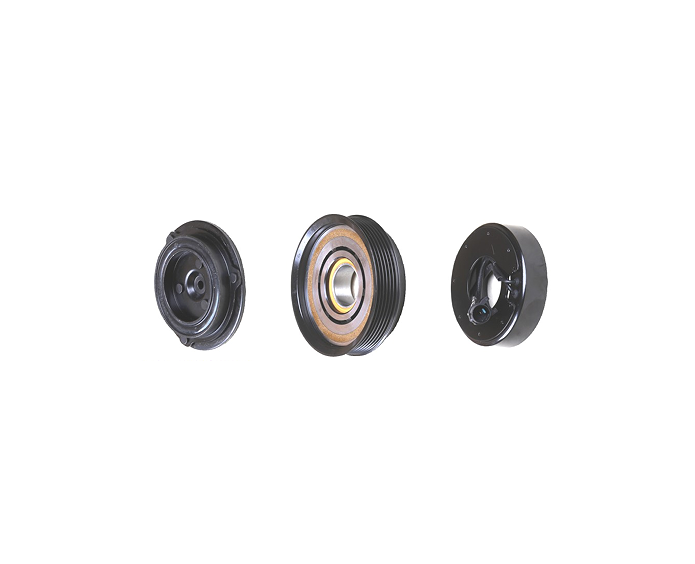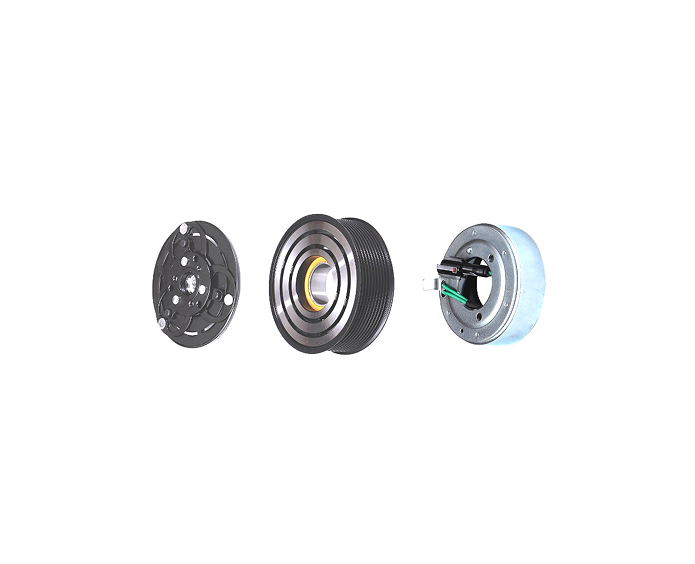

When you step into a car on a scorching summer day and feel the refreshing cool air, you have the automotive air conditioning compressor to thank. This unsung hero is the core of the car's air conditioning system, working tirelessly to keep the interior comfortable.
1. Core Function of the Compressor
The primary job of an automotive air conditioning compressor is to compress the refrigerant. It takes in low - pressure, low - temperature refrigerant gas from the evaporator and compresses it into high - pressure, high - temperature gas. This compressed gas then moves to the condenser, where it releases heat and turns into a liquid, continuing the cooling cycle. In simple terms, the compressor acts as a pump, driving the refrigerant through the system to transfer heat out of the vehicle cabin.
2. Working Principle
The operation of the automotive air conditioning compressor follows a refrigeration cycle:
- Suction: The compressor draws in low - pressure refrigerant vapor from the evaporator. The evaporator absorbs heat from the 车内 air, causing the refrigerant to evaporate.
- Compression: Inside the compressor, mechanical parts (such as pistons or a rotating scroll) compress the refrigerant vapor. This increases both its temperature and pressure significantly.
- Discharge: The high - pressure, high - temperature refrigerant gas is then discharged from the compressor and sent to the condenser.
- Cycle Continuation: In the condenser, the hot refrigerant gas releases heat to the outside air and condenses into a liquid. The liquid refrigerant then flows through an expansion valve, where it is throttled to a low - pressure, low - temperature state before entering the evaporator again to repeat the cycle.
3. Importance for Driving Experience
- Cooling Efficiency: The performance of the compressor directly affects how quickly and effectively the car's AC can cool the interior. A well - functioning compressor ensures that even on the hottest days, the cabin cools down rapidly.
- Fuel Efficiency Relationship: The compressor is driven by the car's engine, so its operation does consume some engine power, which can have a slight impact on fuel economy. However, modern compressors, especially variable - displacement ones, are designed to be more efficient, minimizing this impact while maintaining cooling performance.
- Comfort and Safety: A faulty compressor can lead to poor or no cooling at all. This not only makes the driving experience unpleasant in hot weather but can also be a safety concern, as discomfort might distract the driver. Regular maintenance of the compressor is therefore essential to ensure consistent performance.
In conclusion, the automotive air conditioning compressor is indispensable for maintaining a comfortable in - car environment, especially during hot weather. Understanding its function and importance helps car owners appreciate this crucial component and take better care of their vehicle's AC system.