
Hybrid Architecture Redefines System Priorities
Hybrid vehicles introduce a fundamental shift in drivetrain behavior. Engine operation becomes intermittent. Electric motors assume partial load responsibility. Idle-stop events multiply.
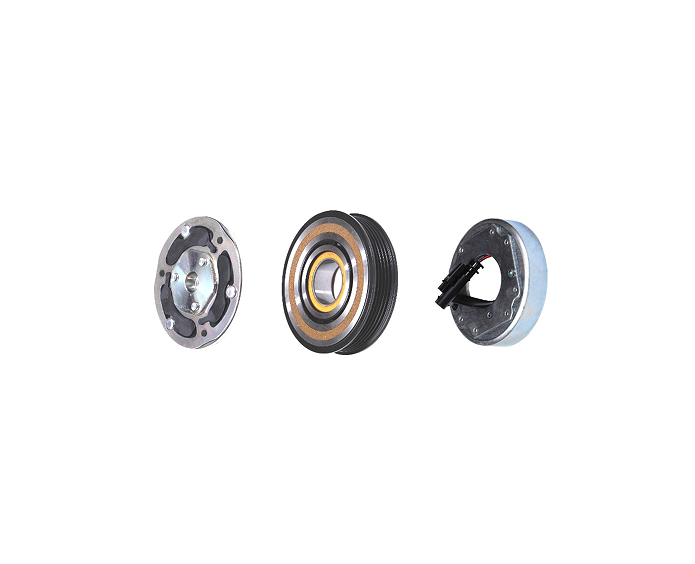
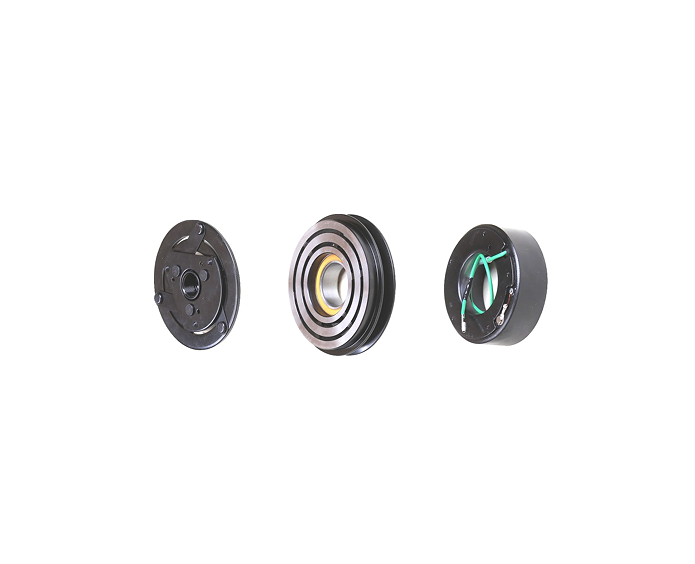
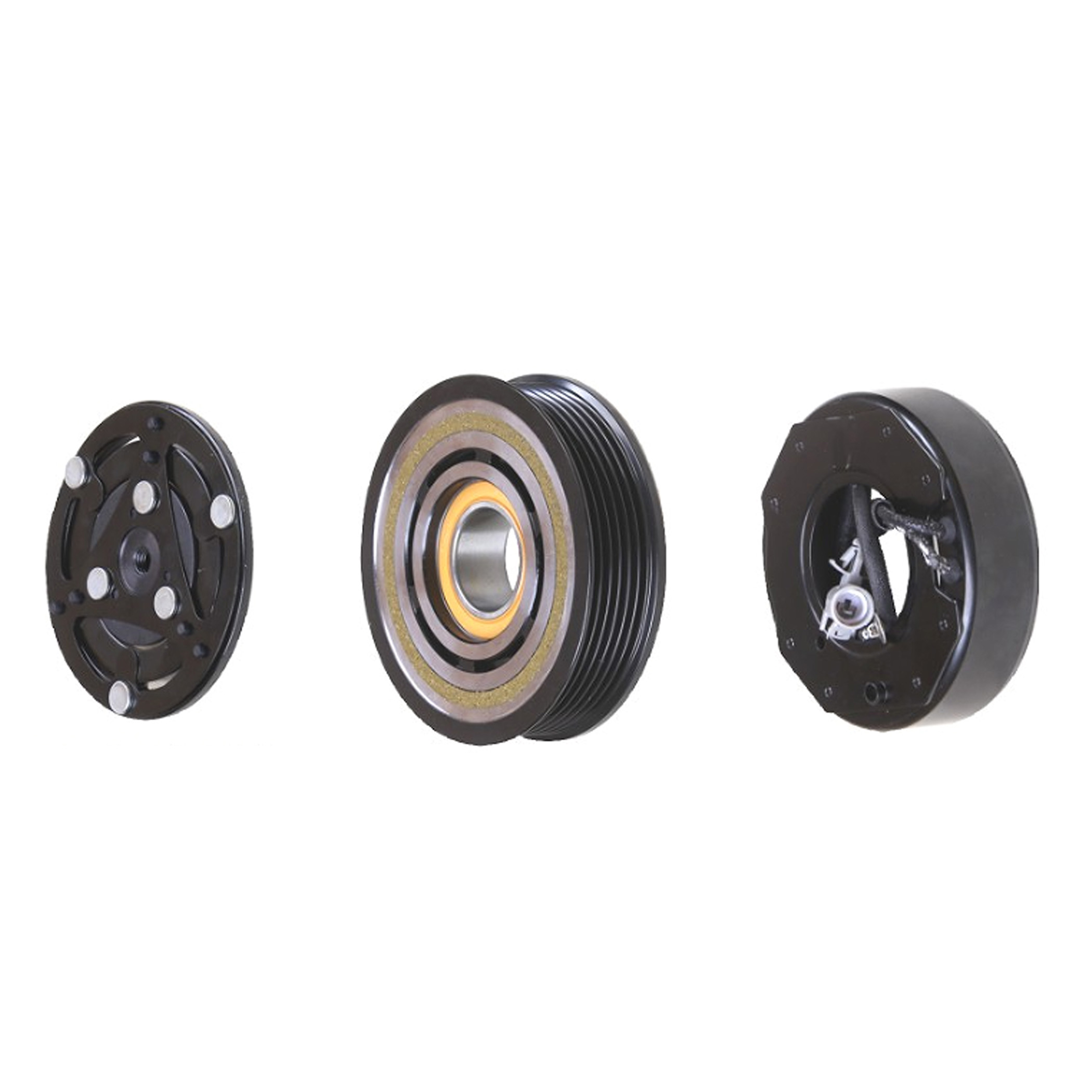
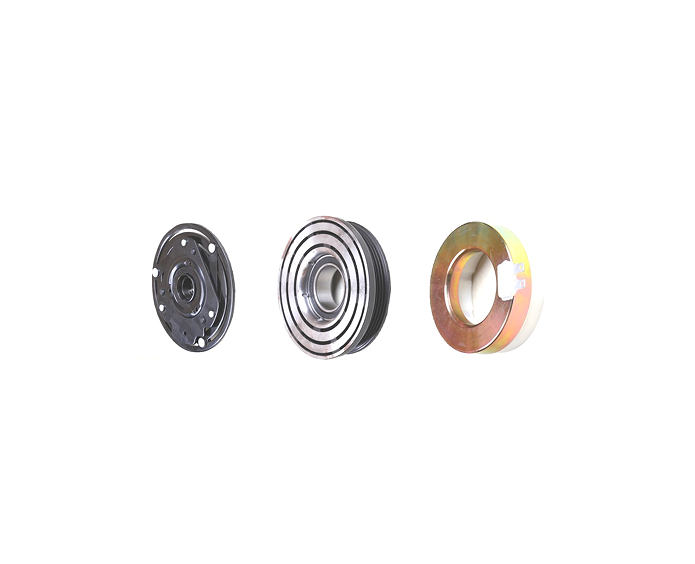
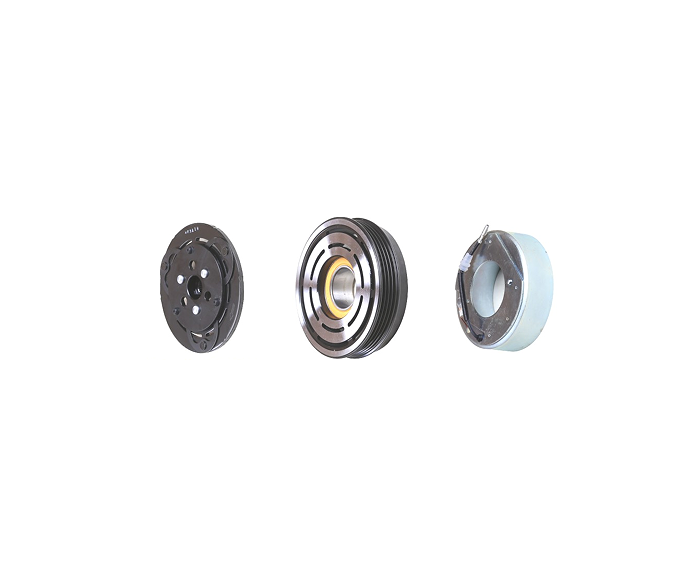
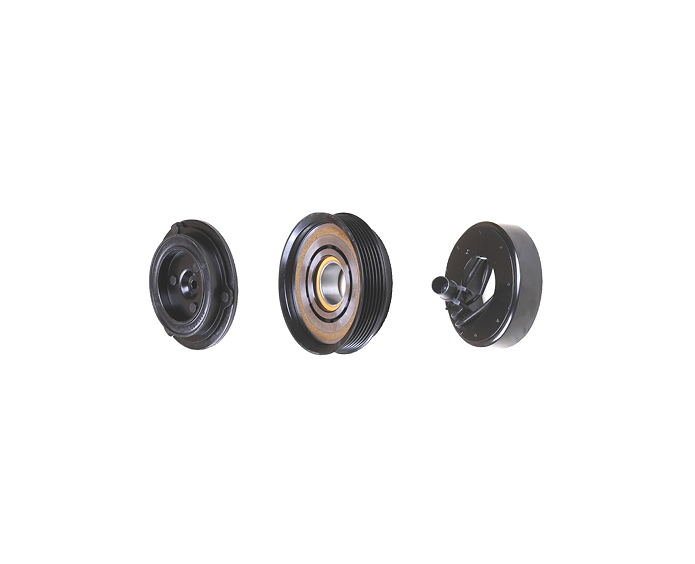
Under such architecture, the automotive air conditioner clutch faces new demands. Engagement frequency increases. Noise tolerance tightens. Energy efficiency moves from preference to requirement.
Traditional mechanical assumptions no longer suffice. Integration must evolve.
From Continuous Engine Drive to Dynamic Engagement Cycles
In conventional internal combustion platforms, compressor operation correlates directly with engine runtime.
Hybrid vehicles, however, operate in:
-
Engine-only mode
-
Electric-only mode
-
Combined drive mode
-
Regenerative braking mode
During electric-only operation, compressor behavior must remain stable even as engine RPM drops to zero.
This means the automotive air conditioner clutch must coordinate precisely with electronic control modules, responding instantly to restart signals without torque shock.
Engagement smoothness becomes critical for passenger comfort.
Magnetic Efficiency and Energy Sensitivity
Hybrid platforms emphasize fuel economy and battery efficiency. Even minor parasitic drag affects system optimization.
A modern automotive air conditioner clutch in hybrid vehicles requires:
| Parameter | Conventional Vehicle | Hybrid Platform |
|---|---|---|
| Engagement Time | ≤0.08 s | ≤0.04 s |
| Magnetic Pull Efficiency | 75–80% | ≥85% |
| Voltage Stability Range | 11–14 V | 9–15 V adaptive |
| Residual Drag | Moderate tolerance | Minimal acceptable |
Improved coil winding density and magnetic field symmetry reduce energy loss during activation.
Lower residual magnetism ensures compressor disengages cleanly during electric-only coasting.
Noise Sensitivity and NVH Requirements
Hybrid vehicles operate more quietly than traditional cars. Without engine noise masking background sound, clutch engagement clicks become more noticeable.
This amplifies NVH expectations.
Engineering focus areas include:
-
Micro-textured friction surfaces
-
Optimized air gap tolerance
-
Balanced pulley geometry
-
Damped hub connection design
An automotive air conditioner clutch that performs adequately in a gasoline vehicle may generate perceptible noise in a hybrid cabin environment.
Acoustic calibration becomes a design stage, not a post-production correction.
Thermal Load Redistribution
In hybrid vehicles, engine shutdown reduces airflow under the hood. Heat dissipation patterns shift.
When the engine restarts, rapid temperature transitions occur.
Clutch coil insulation and friction materials must withstand repeated thermal cycling without degradation.
Advanced hybrid-ready systems incorporate:
-
High-temperature Class H insulation
-
Improved ventilation slots
-
Enhanced epoxy encapsulation
-
Stable friction coefficient materials up to 200°C
Thermal shock resilience becomes a validation priority.
Integration with Electrically Driven Compressors
Some hybrid vehicles use electric compressors without mechanical drive. Others retain belt-driven systems with electronic management.
In transitional hybrid architectures, the automotive air conditioner clutch must synchronize with:
-
Battery management systems
-
Start-stop controllers
-
Regenerative braking cycles
-
Power distribution modules
Coordination errors can cause delayed cooling response or energy inefficiency.
System-level communication becomes as important as mechanical precision.
Weight Optimization and Packaging Constraints
Hybrid vehicle layouts often prioritize compact engine bays to accommodate battery packs.
This leads to tighter packaging tolerances.
Modern clutch assemblies must maintain:
-
Reduced axial thickness
-
Lightweight pulley construction
-
Optimized structural rigidity
-
Precise mounting alignment
Small dimensional adjustments improve integration without sacrificing torque stability.
Durability Under Frequent Cycling
Hybrid vehicles may experience higher engagement cycles due to stop-start logic.
Traditional durability assumptions based on continuous highway driving no longer apply.
Accelerated endurance testing simulates:
-
400,000+ engagement cycles
-
Frequent cold-start activation
-
Variable voltage input
-
Urban driving patterns
A hybrid-compatible automotive air conditioner clutch must retain torque consistency under these intensified operating conditions.
Future Development Direction
As electrification increases, clutch systems may evolve toward:
-
Adaptive magnetic control
-
Reduced-drag disengagement profiles
-
Integrated sensor feedback
-
Smart diagnostic communication
While fully electric vehicles eliminate mechanical clutches, hybrid platforms still rely on robust mechanical-electromagnetic solutions.
Technology evolution is gradual, not abrupt.
Engineering for Transitional Powertrains
Hybrid vehicles represent a bridge between conventional combustion and full electrification.
The automotive air conditioner clutch must operate reliably across this transitional landscape — balancing mechanical durability with electronic responsiveness.
Suppliers capable of aligning torque calibration, magnetic efficiency, NVH control, and system integration will support OEMs navigating this powertrain shift.
If you are exploring hybrid platform integration, updated clutch calibration, or OEM development cooperation, visit our homepage at
👉 https://www.gzkasen.com/
For technical data sheets or hybrid system consultation, contact our engineering team via
👉 https://www.gzkasen.com/contact-us
Hybrid adaptation requires forward-looking component strategy.