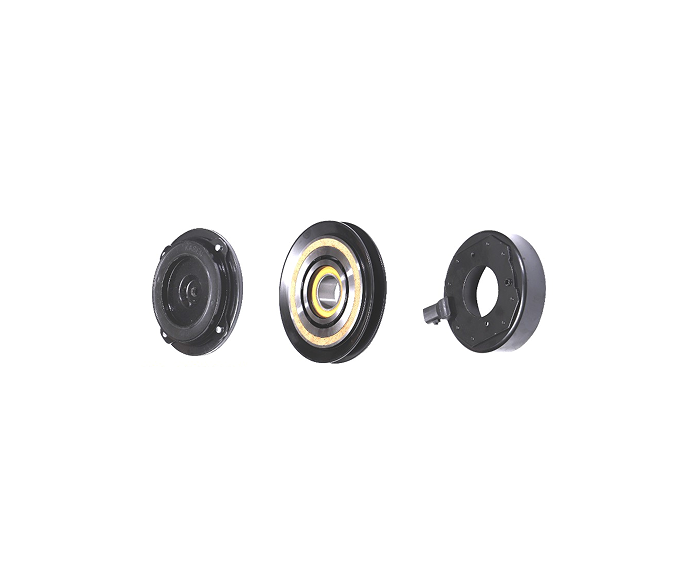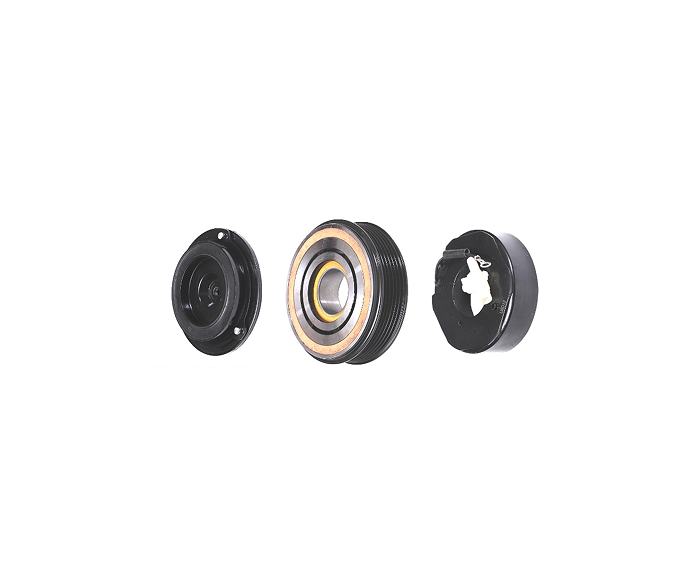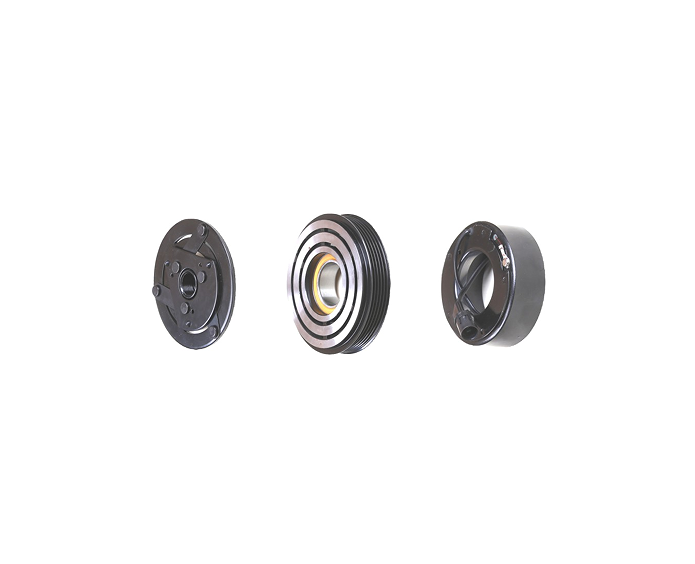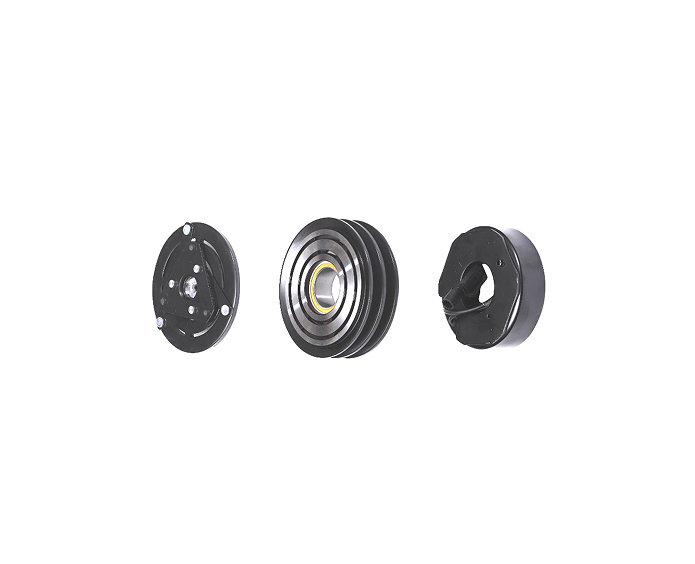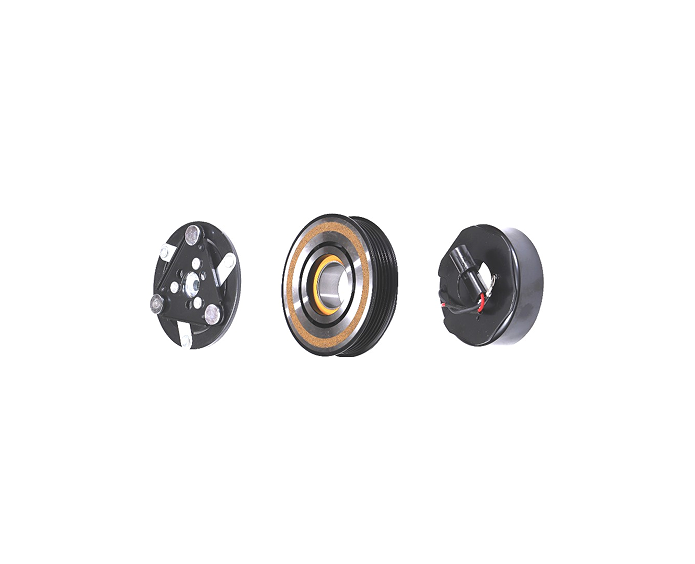

What Is an AC Compressor Assembly?
An AC compressor assembly is a complete compressor unit that integrates the main compressor body with related components required for automotive air conditioning operation.
Compared with purchasing individual compressor parts separately, an assembly solution provides a more complete replacement option for vehicle AC systems.
A typical AC compressor assembly may include:
- Compressor body
- Pulley
- Clutch assembly
- Coil
- Bearing
- Control valve
- Shaft components
- Internal compression components
For automotive distributors, repair networks, and aftermarket brands, choosing the correct AC compressor assembly can reduce installation risks and improve replacement efficiency.
KASEN provides automotive air conditioning solutions including compressors, compressor clutches, electric compressors, valves, and related components. Buyers can explore the KASEN automotive AC product range.
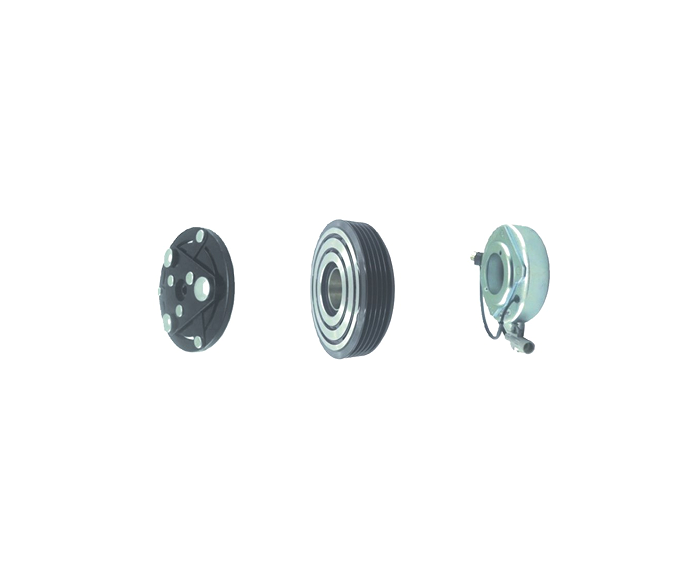
Why AC Compressor Assembly Matters in Automotive AC Systems
The compressor is the core power component of a vehicle air conditioning system.
It is responsible for:
- Compressing refrigerant
- Maintaining refrigerant circulation
- Supporting cooling performance
- Working with other AC components
A complete compressor assembly helps ensure that multiple components work together correctly.
For professional buyers, an assembly solution can provide advantages such as:
- Better component compatibility
- Reduced installation errors
- Faster replacement process
- Easier inventory management
However, selecting an AC compressor assembly still requires accurate application matching.
A visually similar assembly may have differences in:
- Mounting structure
- Pulley specification
- Connector type
- Control valve
- Refrigerant compatibility
- Compressor displacement
Main Components of an AC Compressor Assembly
Understanding assembly structure helps buyers evaluate product quality and application suitability.
Compressor Body
The compressor body is the main pressure-generating component.
Its functions include:
- Compressing refrigerant
- Maintaining internal pressure
- Supporting internal moving components
The compressor housing must provide:
- Mechanical strength
- Pressure resistance
- Long-term durability
Compressor Clutch Assembly
Many traditional automotive compressors use an electromagnetic clutch system.
The clutch assembly usually includes:
- Pulley
- Coil
- Hub
- Bearing
Its function is to control compressor engagement and disengagement.
KASEN also supplies dedicated auto AC compressor clutch products for automotive AC replacement applications.
Important clutch specifications include:
- Pulley diameter
- Belt groove number
- Coil voltage
- Bearing size
- Hub design
Pulley and Bearing Components
The pulley transfers engine power through the belt system.
Important factors include:
- Pulley size
- Groove configuration
- Bearing quality
- Rotation stability
Poor pulley or bearing quality may cause:
- Abnormal noise
- Vibration
- Reduced service life
Control Valve
Modern automotive compressors may use control valves to regulate compressor output.
The control valve affects:
- Cooling adjustment
- Compressor efficiency
- System operation
Incorrect valve matching can result in:
- Poor cooling performance
- Improper compressor operation
Internal Compression Components
Depending on compressor type, internal components may include:
- Pistons
- Swash plate
- Scroll mechanism
- Valves
- Cylinder components
These components directly influence:
- Compression efficiency
- Noise level
- Durability
AC Compressor Assembly vs Individual Compressor Parts
For buyers, choosing between a complete assembly and individual components depends on the application.
| Factor | AC Compressor Assembly | Individual Parts |
|---|---|---|
| Replacement purpose | Complete replacement | Component repair |
| Installation difficulty | Lower | Higher |
| Compatibility risk | Lower | Higher |
| Repair flexibility | Lower | Higher |
| Inventory management | Easier | More SKUs required |
| Suitable buyers | Distributors, repair chains | Specialized repair shops |
A complete assembly is often preferred when:
- Fast replacement is required
- Compatibility needs to be controlled
- Labor time needs to be reduced
Individual components may be suitable when:
- Only clutch failure occurs
- Bearing replacement is required
- Repair capability is available
Common Applications of AC Compressor Assembly
AC compressor assemblies are used across different vehicle categories.
Passenger Vehicle Applications
Passenger vehicles require:
- Stable cooling
- Low noise
- Compact installation
- Reliable replacement
Typical buyers include:
- Automotive parts distributors
- Repair workshops
- Aftermarket suppliers
Commercial Vehicle Applications
Commercial vehicles often operate longer hours and require:
- High reliability
- Long service life
- Easy maintenance
- Stable supply
Applications include:
- Vans
- Delivery vehicles
- Service vehicles
Truck Applications
Truck AC systems face demanding operating conditions.
Important requirements include:
- Continuous operation
- High durability
- Vibration resistance
- Reliable cooling
For fleet operators, compressor availability directly affects vehicle uptime.
Bus Applications
Bus air conditioning systems require higher cooling capacity due to larger cabin spaces.
Buyers usually focus on:
- Long operating periods
- System reliability
- Maintenance efficiency
- Fleet standardization
How to Select the Right AC Compressor Assembly
Professional buyers should evaluate multiple technical factors.
Confirm Vehicle Application
Important information includes:
- Vehicle brand
- Vehicle model
- Production year
- Engine type
- Market region
Vehicle information helps identify the correct compressor assembly.
Verify OE Number
OE references are important for:
- Replacement matching
- Cross-reference
- Product identification
However, OE numbers should be combined with technical specifications.
Check Compressor Model
Confirm:
- Compressor series
- Displacement
- Control type
- Mounting design
Confirm Refrigerant Compatibility
Different vehicle systems may use different refrigerants.
Buyers should verify:
- Refrigerant type
- Oil specification
- System compatibility
Check Physical Specifications
Important details include:
- Mounting points
- Pulley dimensions
- Connector
- Refrigerant ports
- Overall size
Key Specifications Buyers Should Compare
| Specification | Importance |
|---|---|
| OE Number | Application accuracy |
| Compressor Model | Product identification |
| Refrigerant | System compatibility |
| Oil Requirement | Lubrication performance |
| Pulley Size | Belt matching |
| Groove Number | Installation compatibility |
| Voltage | Electrical matching |
| Connector | System connection |
| Mounting | Physical installation |
| Vehicle Application | Correct replacement |
Benefits of Sourcing Complete AC Compressor Assemblies
Reduce Installation Risk
A complete assembly reduces the possibility of:
- Incorrect component selection
- Assembly mistakes
- Compatibility problems
Improve Repair Efficiency
Repair technicians can replace the complete unit instead of sourcing multiple individual components.
This helps reduce:
- Labor time
- Diagnosis complexity
- Installation uncertainty
Simplify Inventory Management
For distributors, assembly products can simplify inventory planning.
Instead of stocking:
- Compressor bodies
- Clutches
- Bearings
- Coils
separately, a complete assembly can provide a ready replacement solution.
Support Aftermarket Product Programs
Aftermarket brands can benefit from:
- Consistent product references
- Easier packaging
- Simplified customer selection
OEM and Aftermarket AC Compressor Assembly Solutions
Professional buyers often require more than standard replacement products.
A qualified supplier should support:
OEM Development
Including:
- Product matching
- Drawing-based development
- Sample approval
- Technical communication
Private Label Solutions
Possible requirements:
- Custom packaging
- Product labels
- Brand identification
- SKU management
Bulk Supply Capability
For distributors, important factors include:
- Stable production
- Consistent specifications
- Reliable delivery
KASEN supports automotive AC component sourcing and OEM-related requirements. Buyers can learn more through the KASEN About Us page.
Quality Control for AC Compressor Assembly
Quality control is essential because compressor assemblies combine multiple components.
Component Inspection
Suppliers should evaluate:
- Metal parts
- Bearings
- Electrical components
- Clutch components
Assembly Inspection
Important checks include:
- Component matching
- Assembly accuracy
- Dimension verification
Functional Testing
Depending on product design, testing may include:
- Rotation testing
- Leakage testing
- Noise inspection
- Electrical performance testing
Batch Consistency
For international buyers, consistent repeat supply is critical.
A supplier should maintain:
- Stable specifications
- Clear product identification
- Reliable production standards
Common AC Compressor Assembly Purchasing Mistakes
Selecting Only by Appearance
Similar-looking assemblies may have different:
- Mounting
- Pulley
- Connector
- Control system
Ignoring Vehicle Application Details
A complete assembly still requires correct matching.
Choosing Only the Lowest Price
Low-cost products may create:
- Warranty issues
- Returns
- Customer complaints
- Additional logistics costs
Skipping Sample Verification
Before bulk orders, buyers should confirm:
- Fitment
- Performance
- Specifications
- Packaging
How to Evaluate an AC Compressor Assembly Supplier
A professional supplier evaluation should include:
Product Range
Check whether the supplier provides:
- Compressor assemblies
- Compressor clutches
- Electric compressors
- Related AC components
Technical Support
A supplier should assist with:
- OE matching
- Application verification
- Product selection
Manufacturing Capability
Evaluate:
- Production capacity
- Quality management
- Delivery reliability
Export Experience
International buyers should consider:
- Packaging
- Documentation
- Communication
- After-sales support
Why Choose KASEN for AC Compressor Assembly Supply?
Guangzhou Kasen Auto Air Conditioner Co., Ltd. focuses on automotive air conditioning components and provides solutions for global aftermarket and OEM customers.
KASEN product categories include:
- Automotive AC compressors
- Compressor clutches
- Electric compressors
- Valves
- Bearings
Advantages include:
Complete Automotive AC Solutions
Customers can source multiple AC-related components from one supplier.
Technical Matching Support
Buyers can provide:
- OE numbers
- Compressor references
- Product samples
- Technical drawings
OEM and Custom Support
KASEN supports:
- Product customization
- Packaging requirements
- OEM-related development
Explore:
Frequently Asked Questions About AC Compressor Assembly
What is included in an AC compressor assembly?
An AC compressor assembly may include the compressor body, clutch assembly, pulley, coil, bearing, control valve, and related components depending on the product design.
Is an AC compressor assembly better than individual parts?
A complete assembly can reduce installation risk and simplify replacement, while individual parts may be suitable for specialized repair situations.
How do I identify the correct AC compressor assembly?
Confirm vehicle information, OE number, compressor model, refrigerant, mounting structure, pulley specification, and electrical requirements.
Can an AC compressor assembly replace the original compressor?
If specifications and vehicle compatibility are confirmed, a suitable replacement assembly can replace the original compressor.
What causes AC compressor assembly failure?
Common causes include poor lubrication, contamination, electrical problems, refrigerant issues, incorrect installation, or component wear.
Do suppliers provide OEM AC compressor assembly solutions?
Professional suppliers may provide OEM-related services including matching, customization, packaging, and bulk production.
Should distributors stock complete assemblies or individual parts?
The choice depends on customer demand, repair capability, inventory strategy, and market requirements.
What information is needed for an AC compressor assembly quotation?
Provide:
- OE number
- Vehicle details
- Compressor information
- Quantity
- Photos
- Technical requirements
Are aftermarket AC compressor assemblies reliable?
Reliability depends on supplier manufacturing capability, quality control, application accuracy, and production consistency.
How can I contact KASEN for AC compressor assembly sourcing?
Send product requirements through the KASEN contact page.
Conclusion
An AC compressor assembly provides a complete and efficient solution for automotive air conditioning replacement and supply requirements.
For distributors, repair networks, and aftermarket brands, choosing the right assembly requires accurate application matching, reliable components, quality control, and stable supplier support.
Compared with purchasing separate components, a complete compressor assembly can reduce installation risks, improve replacement efficiency, and simplify inventory management.
KASEN provides automotive AC compressor solutions including compressor assemblies, compressor clutches, electric compressors, and related components.
Explore the KASEN automotive AC product range or contact KASEN for AC compressor assembly sourcing requirements.