
Climate Drives Demand — Always Has, Always Will
The Middle East registers some of the highest ambient operating temperatures on Earth.
Cities like Riyadh, Dubai, Kuwait City, Doha, and Abu Dhabi routinely experience summer highs exceeding 45°C.
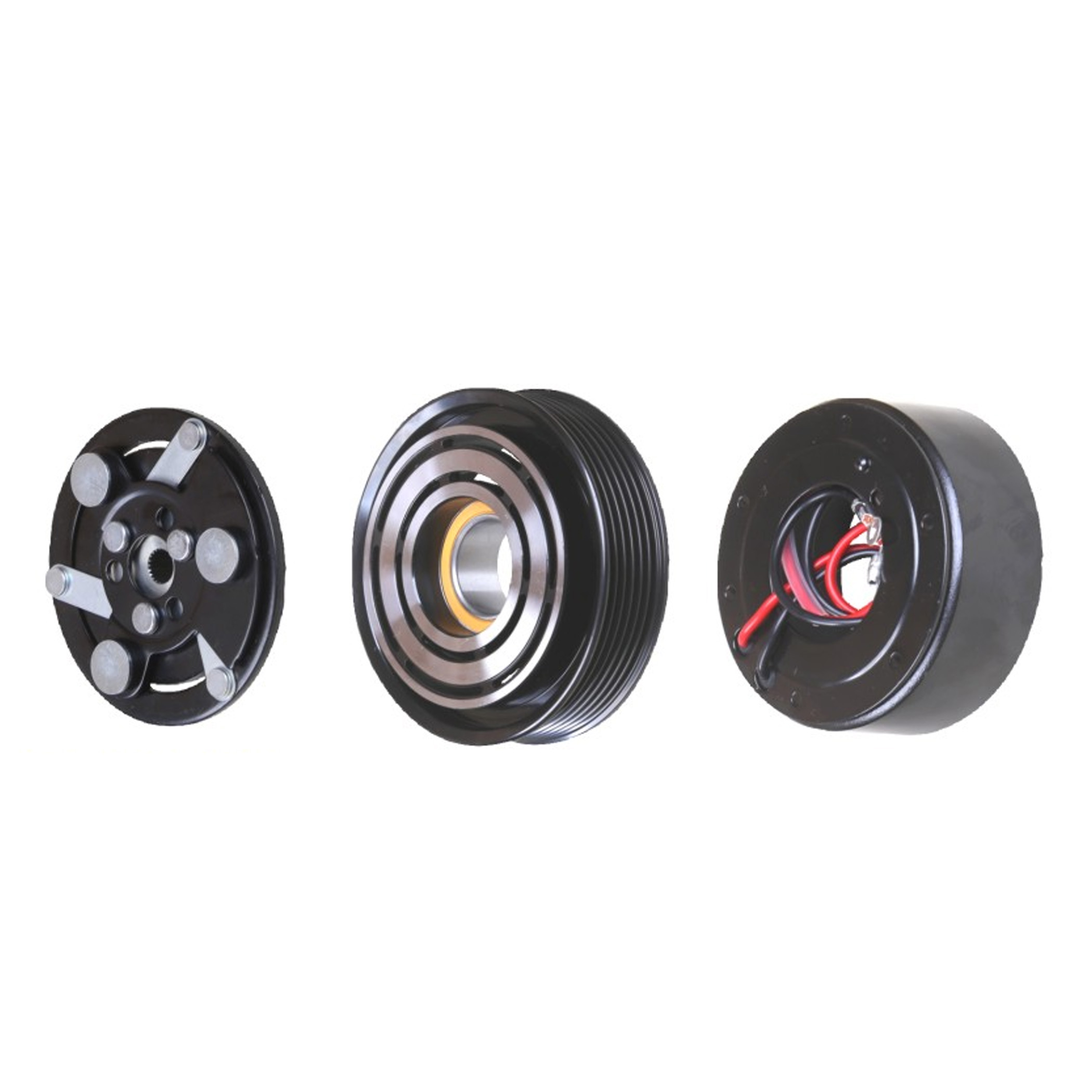
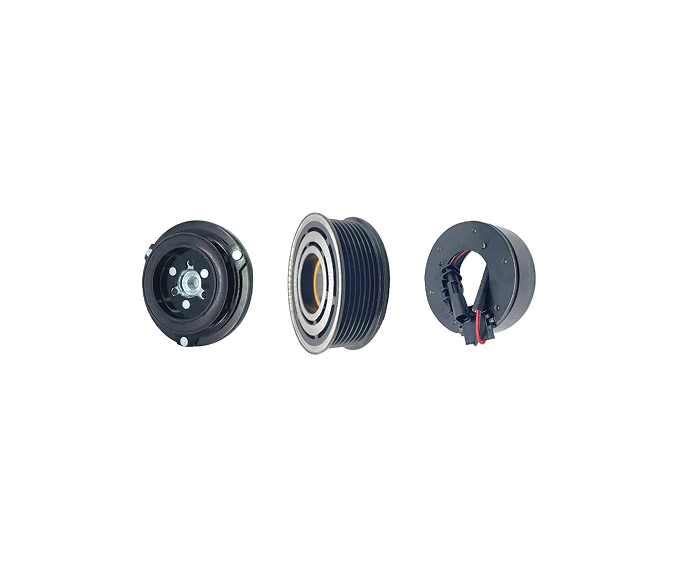
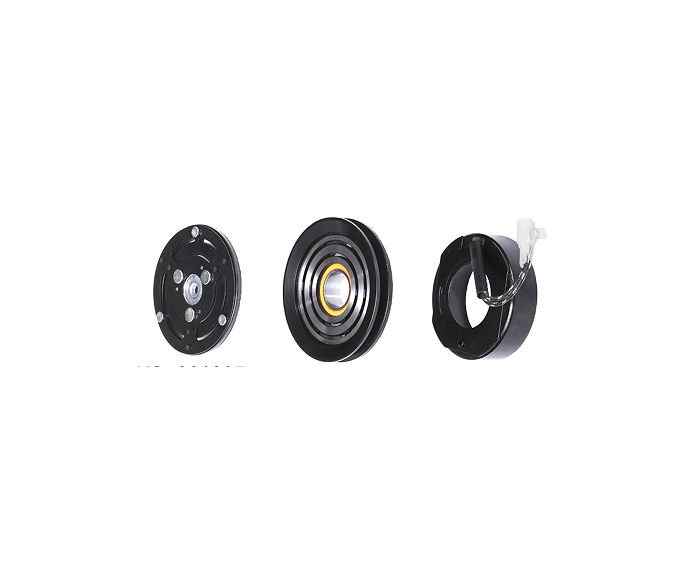
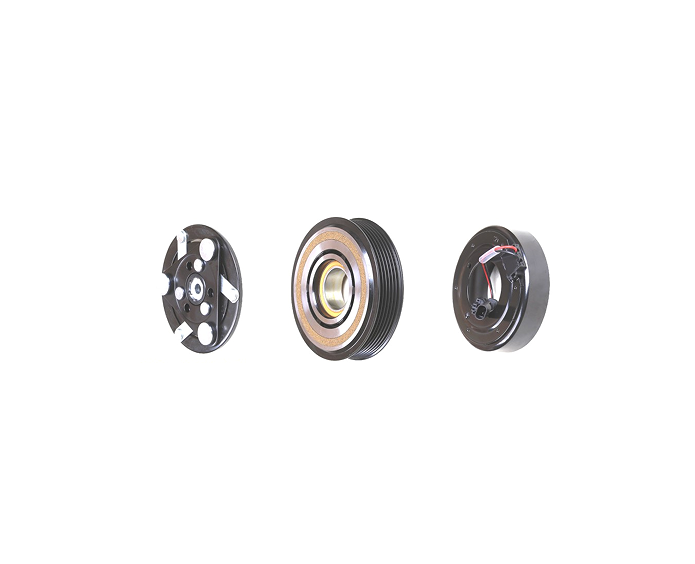
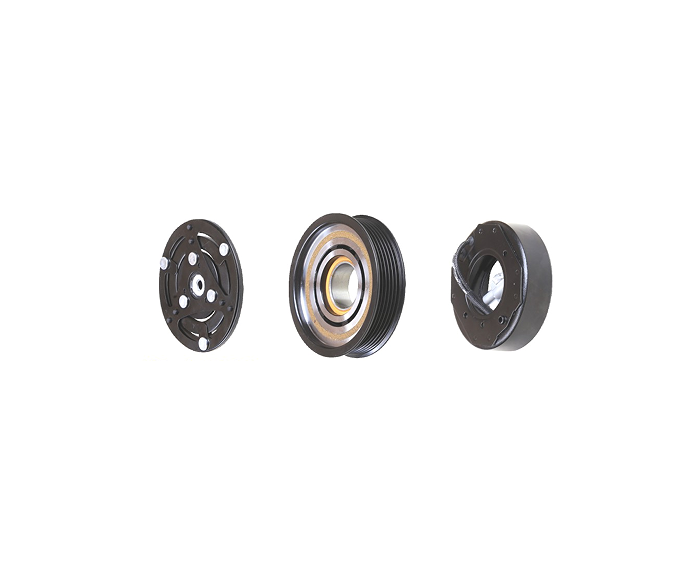
This extended thermal stress drives constant use of automotive air conditioning systems, turning the automotive air conditioner clutch into a high-usage, high-replacement component.
Unlike temperate regions, where cooling demand is seasonal, the Middle East experiences year-round climate-induced load cycles.
This translates into structural demand — not short-term seasonal spikes — for clutch replacement and supply continuity.
Exporters who understand this climatic driver capture predictable demand streams.
Regional Market Profile and Replacement Patterns
In Middle Eastern automotive segments, several demand characteristics emerge:
- High A/C utilization intensity — cooling systems operate long daily hours
- Frequent engagement cycles — repeated clutch activation accelerates wear
- Heat-amplified thermal cycling — friction surfaces experience elevated temperatures
- Corrosion risk in coastal zones — salt-laden air accelerates material degradation
These factors converge to drive earlier and more frequent replacement compared to many global markets.
A well-positioned exporter of automotive air conditioner clutch products anticipates these patterns and structures inventory accordingly.
Export Logistics and Cost Efficiency
Exporting to the Middle East requires careful logistics planning:
Port Hubs and Free Trade Access:
Optimizing shipments through major Middle Eastern ports like Jebel Ali (UAE), King Abdullah Port (KSA), and Khalifa Port (UAE) reduces inland delivery costs.
Freight Modal Considerations:
- Full Container Load (FCL) for stable volume
- Less-than-Container (LCL) solutions for diversified SKU mixes
- Air freight for emergency or short-lead-time demands
Bulk exporters often combine scheduled ocean freight with regional warehouses to balance cost and responsiveness.
For automotive air conditioner clutch exports, lead time stability often outweighs the lowest landed cost.
Compliance, Documentation, and Certification Expectations
While the Middle East has historically been less restrictive than some Western markets, formal documentation enhances distributor trust and customs clearance efficiency.
Key export requirements include:
- Commercial invoice with HS codes
- Packing list and weight declarations
- Certificate of Origin for tariff preferences
- Quality test reports and material compliance sheets
- Product labeling in English/Arabic as required
Exporters who pre-compile detailed compliance packages reduce customs delays and increase trading partner confidence.
Distributor Partnership Models
For sustainable growth, seasoned exporters establish long-term relationships with local distributors and service networks.
Effective models include:
Exclusive Territory Agreements
Brand commitment and performance incentives align distributor goals.
Hybrid Distribution + Aftermarket Service Support
Training local service centers on installation and replacement ensures repeat demand.
Co-Branded Marketing Initiatives
Localized promotions increase traction with fleet customers and independent workshops.
In the Middle East market, strong distributor relationships amplify the reach of automotive air conditioner clutch supply beyond raw product shipment.
Inventory Strategy for Hot-Climate Markets
Structuring inventory for the Middle East requires:
- Heat-optimized SKU prioritization — models validated under high-temperature conditions
- Season-proof buffer levels — heat load does not fluctuate seasonally as much as in temperate zones
- Regional warehouse positioning — faster order fulfillment in Gulf Cooperation Council (GCC) markets
- Safety stock aligned with lead-time risk — longer transit times from Asia require deeper safety layers
These practices protect distributors from stockouts and minimize expedited shipping costs.
Aftermarket Support and Technical Documentation
Product performance confidence in high-heat markets depends on clarity and support.
Export packages should include:
- Detailed installation guides
- Technical specification sheets
- Warranty and service terms
- Trouble-shooting reference charts
Providing robust documentation increases distributor loyalty and enhances customer satisfaction when selling automotive air conditioner clutch products.
Pricing Strategy and Competitive Positioning
In the Middle East aftermarket, pricing strategy intersects with:
- Perceived durability under heat
- Warranty commitment terms
- Distributor margin flexibility
- Local competitive footprint
Price-sensitive buyers still prioritize long-term reliability in this category due to high operating temperatures. Transparent differentiation based on heat-tested performance enhances competitiveness.
Digital Export Channels and After-Sales Connectivity
Digital commerce platforms are facilitating cross-border automotive component trade stronger than ever.
Effective exporters blend traditional distribution with:
- Digital catalogs optimized for search
- B2B marketplace listings
- Direct inquiry support systems
- Integrated CRM for post-sale tracking
Providing consistent digital touchpoints enhances order capture for automotive air conditioner clutch products across the Middle East.
Strategic Roadmap for Middle East Exporters
To lead in the Middle East export landscape, a supplier should:
- Align product specifications with high-heat performance expectations
- Structure logistics around key port hubs
- Establish distributor networks with service support
- Optimize inventory with climate-driven demand insights
- Provide compliance documentation and technical resources
If you are planning to expand export strategy or distribution footprint in Middle East markets with reliable automotive air conditioner clutch products, explore our capabilities at
👉 https://www.gzkasen.com/
For export cooperation discussions and regional support planning, contact us at
👉 https://www.gzkasen.com/contact-us
Hot climates create predictable demand — exporters who plan for them win.