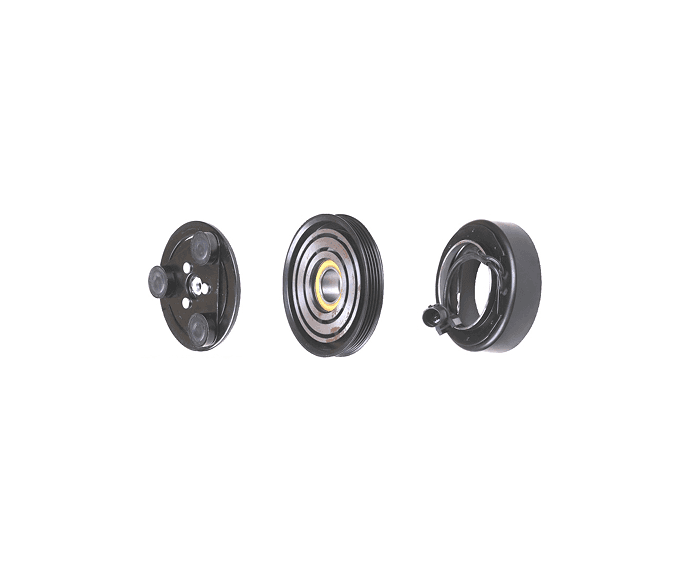


|
款号 |
KS-804025 |
|
|
适用车型 |
Usual vehicle style |
Terracan HCC 4PK |
|
额定电压(V) |
Rated Volatge |
12V |
|
皮带槽楼X根数 |
Belt Groove Type Number |
4PK |
|
皮带轮直径M M |
Pullpy Outer Diameter |
138MM |
|
轴承规格 |
Bearing Size |
305523 |
Auto AC Assembly for Compressor Drive and Cooling System Repair
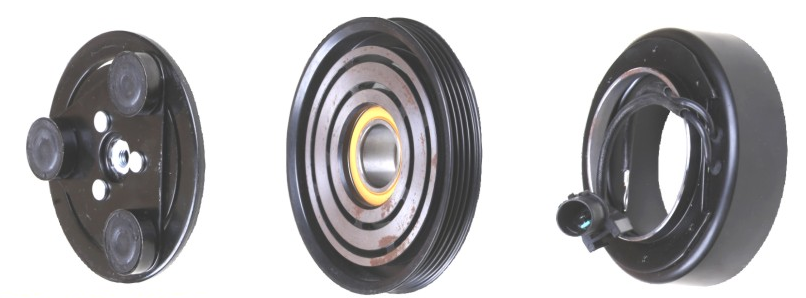
An auto AC assembly is used to restore belt-driven air conditioning function when the compressor drive side shows wear, noise, or engagement problems. For buyers, the main challenge is usually not just replacing a broken part, but finding a compatible assembly that fits the accessory drive layout, supports smooth belt tracking, and integrates with the compressor clutch or pulley system. This type of component is especially relevant in repair and rebuild work where the original unit has an overheated bearing, damaged pulley groove, or electrical connection issue.
Product Overview
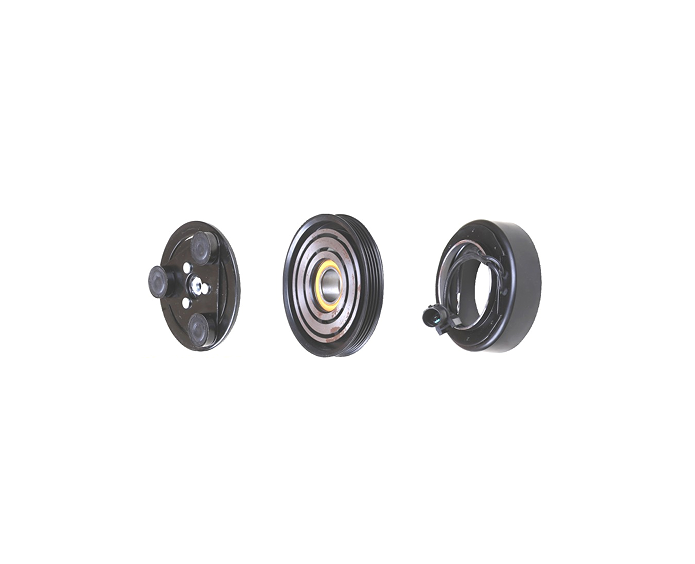
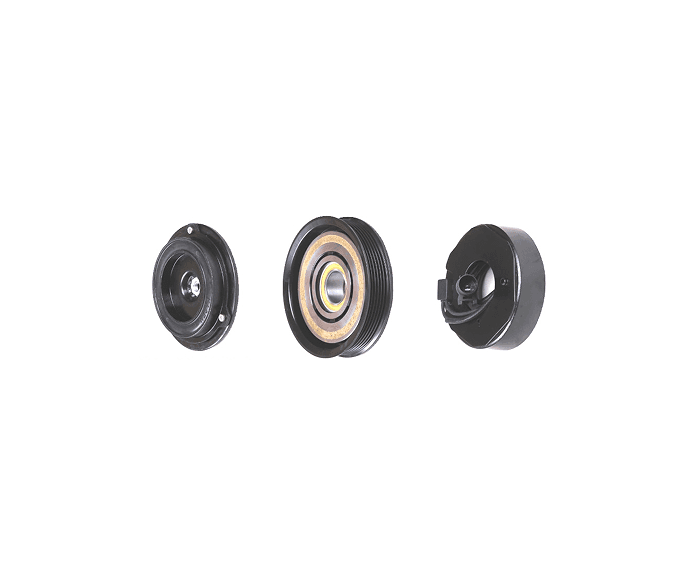
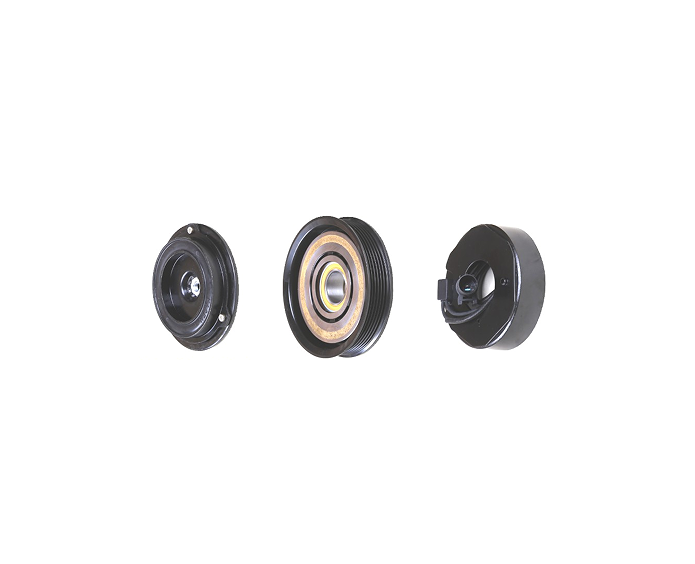
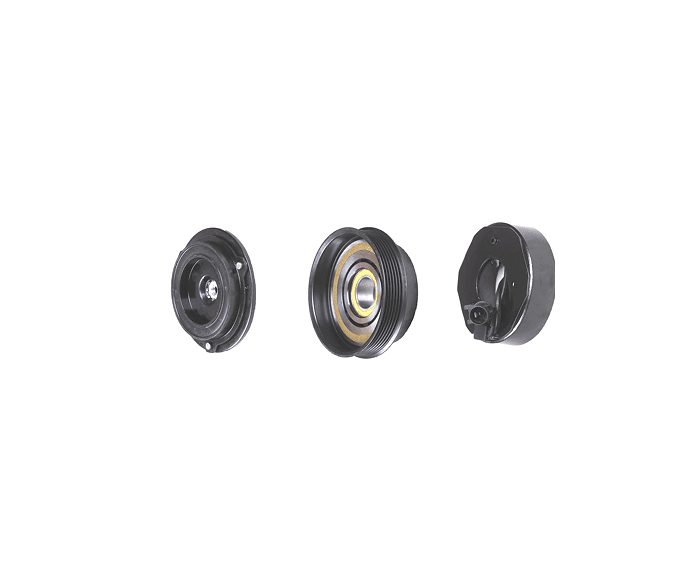
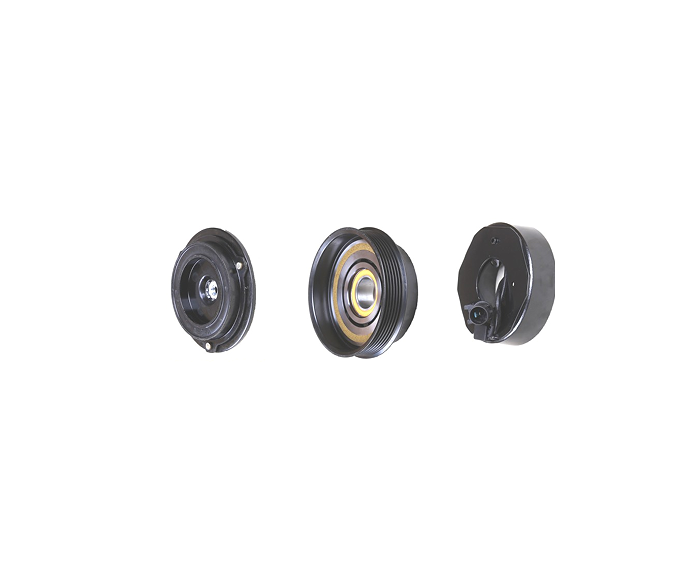
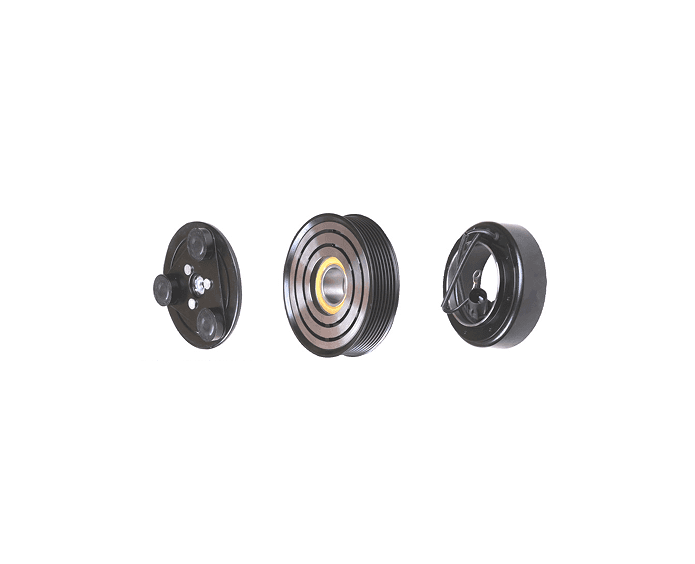
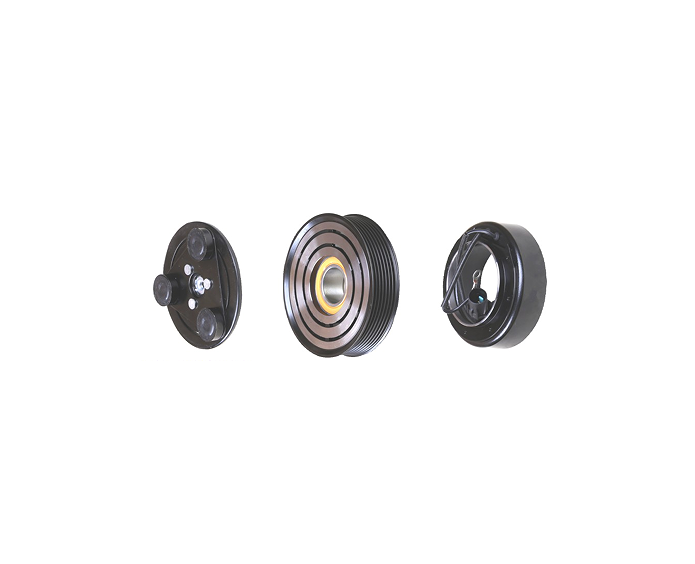
Based on the visible product structure, this part appears to be a belt pulley and clutch-style assembly used in an automotive air conditioning assembly or related accessory drive system. The round, ribbed outer pulley is designed for serpentine belt engagement, while the central bearing and rear-side electrical lead suggest a compressor clutch function or a closely related subassembly. Because the exact model and internal specifications are not provided, it is best treated as a reference product for OEM replacement, aftermarket service, or compressor repair kits rather than a confirmed fitment for one vehicle.
What the assembly helps solve
In many vehicles, AC problems start at the drive end: the pulley may wobble, the bearing may become noisy, or the clutch may fail to engage consistently. Replacing the worn assembly can help recover compressor drive transmission, reduce belt slippage, and restore stable operation of the vehicle AC system assembly without changing the full compressor body when that is not necessary.
Key Visible Features and Functional Characteristics
The visible construction shows several practical features buyers usually check first:
- Grooved outer belt surface for serpentine belt contact
- Central bearing with metallic inner race and sealed appearance
- Black coated metal housing for corrosion resistance and wear protection
- Machined steel center surfaces for fitted mounting and rotation alignment
- Rear housing with an electrical lead or connector, indicating a clutch or coil-related element
These details make the component relevant to automotive HVAC assembly service where precise rotation, clean engagement, and durable bearing support are important.
Materials and Finish Options
From the image, the assembly appears to combine coated steel, machined metallic surfaces, and an integrated bearing. The black exterior finish likely helps with surface protection in engine-bay conditions, while exposed machined areas support accurate seating and rotational fit. In real-world production, parts like this may also use stamped steel, precision-formed rings, coil housings, and bearing seals. Exact material grades are not visible, so any purchasing decision should confirm supplier documentation before final selection.
Manufacturing and Assembly Process
Although the exact process cannot be verified from the image alone, a part of this type typically involves metal forming, machining, bearing installation, clutch subassembly, and final balancing or inspection. For automotive air conditioning parts, concentricity and smooth rotation matter because belt drive vibration can shorten service life and affect surrounding components. In rebuild programs, the pulley, bearing, and clutch section are often evaluated as separate service points before full assembly.
Typical Applications
This style of car AC compressor assembly component is commonly used in:
- Passenger cars and light trucks with belt-driven A/C compressors
- Compressor repair and clutch replacement work
- OEM maintenance programs
- Aftermarket rebuild kits for worn AC drive parts
- Service inventories for workshop and fleet maintenance
It fits naturally into repair jobs involving car air conditioner components, especially where the pulley or clutch end of the compressor has failed while the rest of the system remains serviceable.
Quality Control Considerations
For buyers, the most important checks are compatibility, rotational smoothness, bearing condition, connector layout, and groove profile. A good supplier should be able to confirm dimensions, pulley profile, and electrical interface details before shipment. If the part is intended for a vehicle AC system assembly, balance and surface finish also matter because poor fit can cause noise, vibration, and premature belt wear. Since exact tolerances are not supplied here, verification against the existing sample or OEM reference is strongly recommended.
Customization and Buyer Decision Factors
When sourcing auto air conditioning parts, buyers usually compare five points: fitment, belt groove style, connector arrangement, bearing quality, and whether the part is a complete clutch assembly or only a pulley subassembly. If you are ordering for service replacement, ask for dimensional confirmation and images from multiple angles. For private-label or repair-kit programs, discuss surface finish, marking, packaging, and whether the unit should be supplied as part of a broader automotive HVAC assembly package.
How to Choose the Right Part
Match the old sample carefully before purchase. Check the groove count, center bore, rear connector position, and overall depth. If the compressor clutch is the issue, confirm whether the coil, pulley, and hub are all required or whether only the pulley-bearing section needs replacement. This reduces returns and keeps workshop downtime low.
Request Fitment Support
If you are sourcing this auto AC assembly for repair, rebuild, or inventory planning, send the sample photos, existing part number, or vehicle application details. A clear specification check helps ensure the correct automotive air conditioning assembly variant is selected for your job.