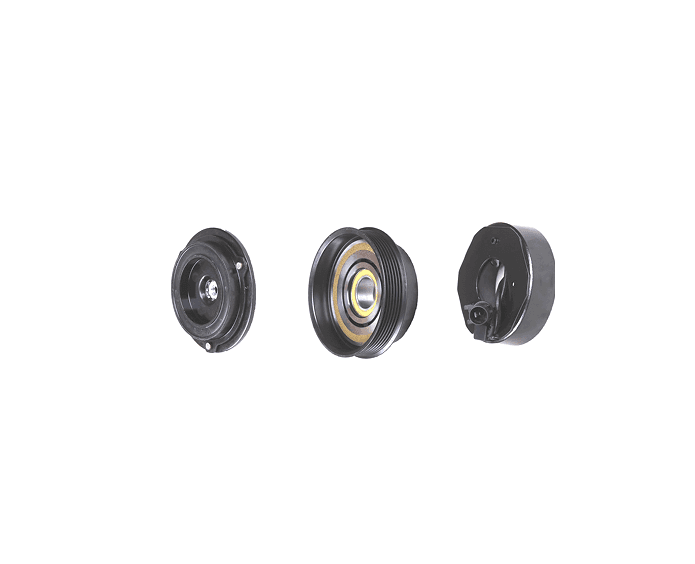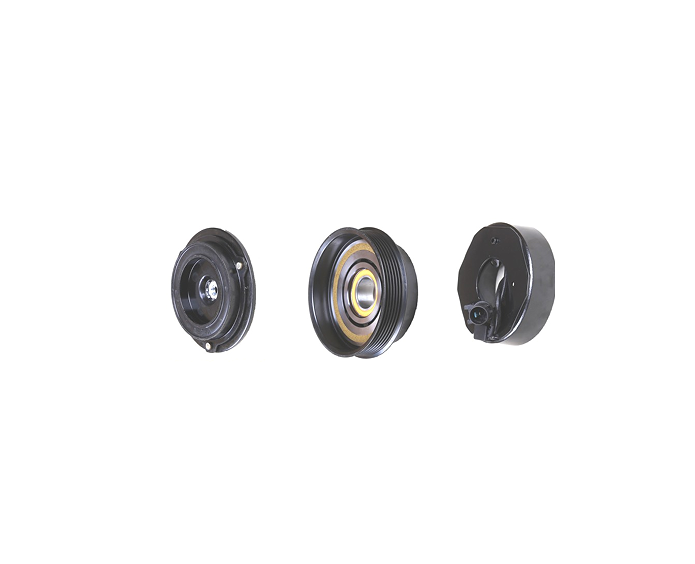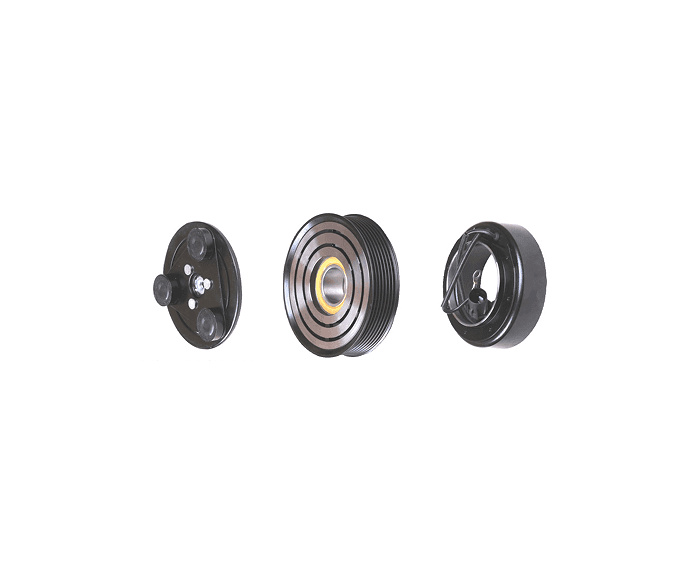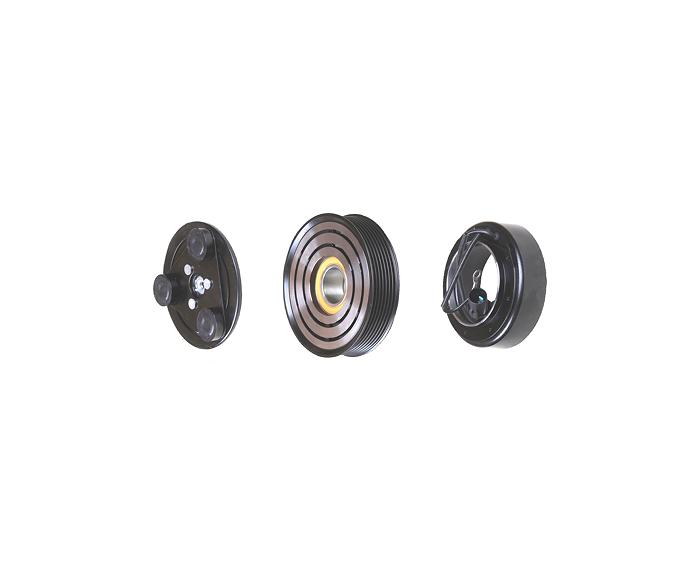


|
款号 |
KS-804019 |
|
|
适用车型 |
Usual vehicle style |
江淮和悦 |
|
额定电压(V) |
Rated Volatge |
12V |
|
皮带槽楼X根数 |
Belt Groove Type Number |
5PK |
|
皮带轮直径M M |
Pullpy Outer Diameter |
128MM |
|
轴承规格 |
Bearing Size |
305523 |
1. What a car AC compressor assembly does
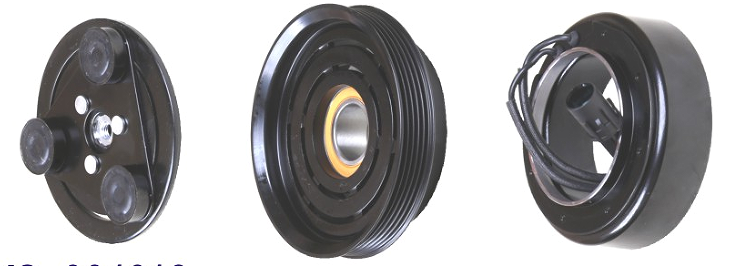
A car AC compressor assembly is one of the key parts that keeps vehicle air conditioning moving from “not cold” to “working as expected.” It helps convert engine drive into compressor operation, so refrigerant can circulate through the system and create cooling inside the cabin. When this assembly wears out, the symptoms are often easy to notice: weak cooling, noisy pulley operation, clutch engagement issues, or belt drive problems. For buyers maintaining fleet vehicles, repair shops, or parts distributors, the main problem this product solves is restoring reliable belt-driven operation in the AC system without replacing unrelated components.
2. Product overview in 6 practical points
2.1 Visible construction
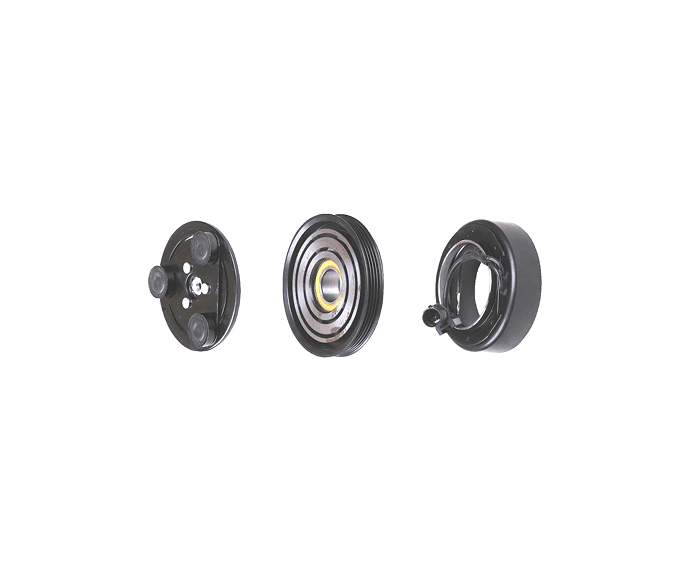
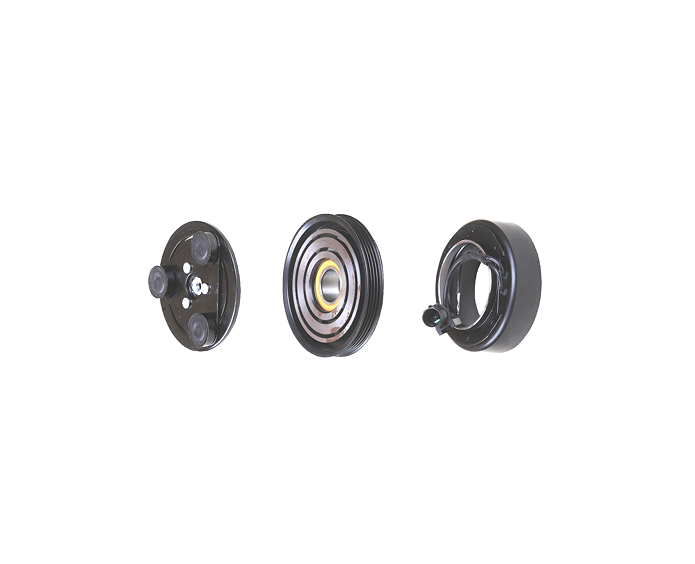
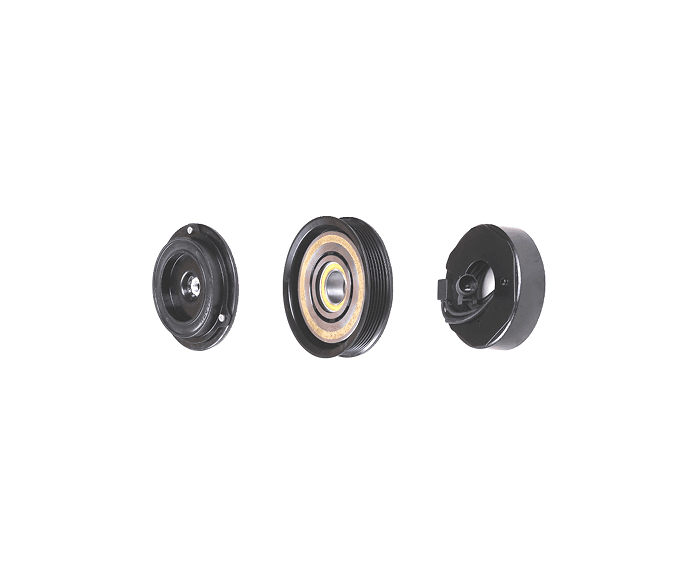
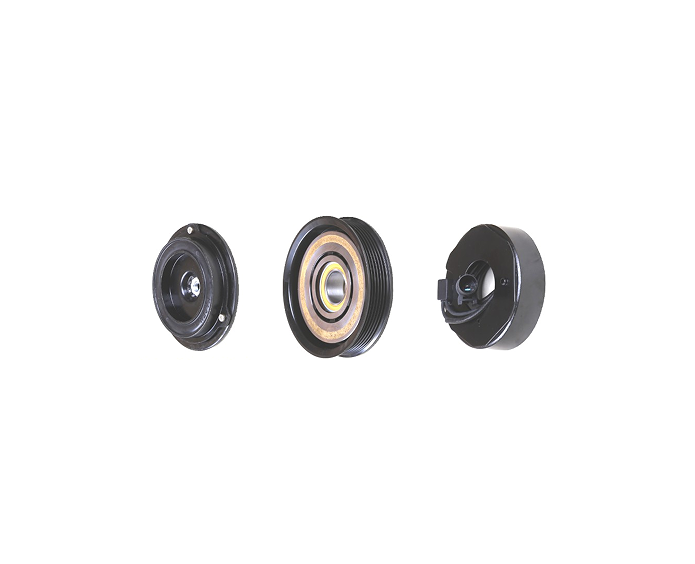
The pictured unit appears to be a belt-driven pulley assembly with an integrated hub or clutch-style center section. The outer rim has a stepped, grooved profile, while the center includes a bearing-like opening and enclosed housing. A wire lead is visible on one view, which suggests an electrical actuation or clutch-related function.
2.2 Typical use position
This type of assembly is commonly associated with engine accessory drive systems. In automotive use, it may be part of an automotive air conditioning compressor assembly or another belt-driven component. Exact fitment cannot be confirmed from the image alone.
2.3 Why buyers look for it
Buyers usually need a replacement when the original pulley, bearing, or clutch interface becomes noisy, unstable, or damaged. In service environments, replacing the full assembly can be more efficient than trying to source small wear parts separately.
2.4 Compact sealed design
The enclosed structure helps protect the working area from road dust and splash exposure. That matters in under-hood locations where heat, vibration, and debris are constant.
2.5 Belt engagement function
The multi-groove outer geometry is designed for controlled belt contact. In a vehicle accessory drive, that geometry helps transfer rotational force consistently when the system is engaged.
2.6 Service-replacement value
For maintenance buyers, an auto AC compressor replacement assembly is often selected to reduce downtime and simplify repair planning.
3. Key specifications and capabilities buyers should check
3.1 Fitment and mounting interface
Confirm the compressor family, shaft interface, hub dimensions, mounting pattern, and connector style before ordering. For this product category, exact vehicle fitment is critical.
3.2 Pulley geometry
Groove count, outer diameter, and belt profile must match the original system. Even small differences can affect belt tracking and noise.
3.3 Electrical connection
The visible wire lead indicates that the assembly may include an electrical function. Buyers should verify connector type, harness length, and polarity requirements where applicable.
3.4 Bearing and clutch behavior
If the assembly includes a clutch or bearing hub, smooth rotation, consistent engagement, and low runout are important selection factors. Exact performance values are not provided here, so they should be confirmed from the supplier or OEM reference.
4. Materials and finish options
4.1 Metal body
The visible part appears to use machined and stamped metal construction. That approach is common for durable rotating components because it supports structural rigidity and repeatable geometry.
4.2 Protective coating
A black painted or coated finish is visible on the assembly. A surface finish like this is often used to improve appearance and help protect against corrosion in automotive environments.
4.3 Assembly components
Units in this category may combine pulley shells, bearing elements, hub pieces, and electrical parts. Exact internal materials are not visible and should be confirmed before sourcing.
5. How it is typically manufactured
5.1 Machining
Critical circular features are usually machined to support concentricity and smooth rotation.
5.2 Stamping or forming
Shaped metal sections may be stamped or formed before final assembly.
5.3 Surface treatment
Coating or painting is commonly applied after cleaning and preparation.
5.4 Final assembly and inspection
After the metal parts and bearing/clutch pieces are assembled, basic functional checks should verify fit, rotation, and electrical continuity where relevant.
6. Application scenarios
- Passenger vehicles with belt-driven air conditioning systems
- Repair and maintenance programs for workshop use
- Replacement sourcing for fleet service inventories
- Similar accessory-drive machinery that uses a controlled pulley engagement system
Although this product may be related to an AC compressor assembly for vehicles, buyers should not assume exact compressor compatibility without part-number confirmation.
7. Quality control points that matter
7.1 Visual inspection
Check coating coverage, surface damage, and visible distortion.
7.2 Dimensional verification
Confirm groove profile, hub opening, and overall assembly alignment against the reference sample.
7.3 Rotation check
Any bearing section should turn smoothly without binding or abnormal noise.
7.4 Electrical check
If the unit includes a lead or clutch coil, continuity and connector condition should be tested before installation.
8. Customization guidance for buyers
If you are sourcing this type of car AC compressor kit, ask the supplier whether they can match the pulley profile, connector layout, coating color, or assembly format to your sample. Customization is usually most useful when a buyer works with multiple vehicle platforms or needs a replacement to match an existing service part. Provide the old part number, installation photos, and key dimensions to reduce mistakes.
9. Decision factors before purchasing
9.1 Match the original part
Do not rely on appearance alone. Pulley assemblies can look similar while differing in fitment.
9.2 Consider service scope
Some buyers want only a pulley-related replacement, while others need a broader compressor-side service part.
9.3 Review supplier documentation
Ask for drawings, interface dimensions, and application notes when available.
9.4 Balance cost and downtime
In maintenance operations, the lowest upfront price is not always the best value if it leads to repeat removal work.
10. Request the right support
If you are evaluating this car AC compressor assembly for sourcing, share the part number, sample photos, and installation requirements so the supplier can confirm compatibility. A precise inquiry shortens lead time in communication and helps avoid fitment errors.