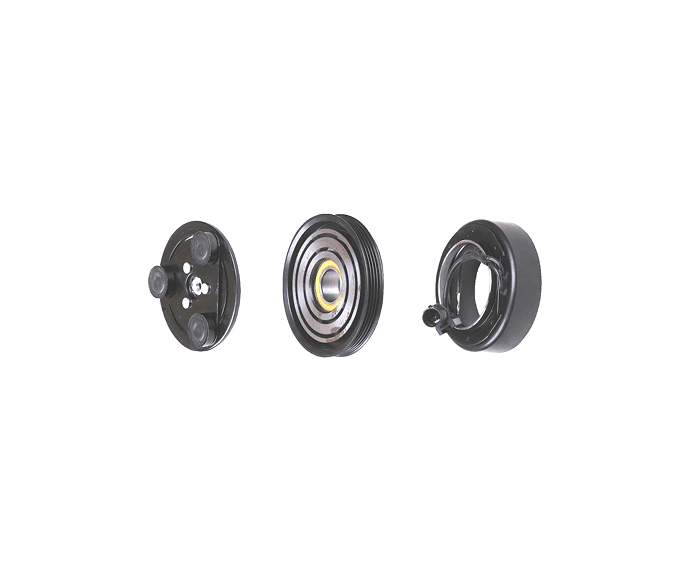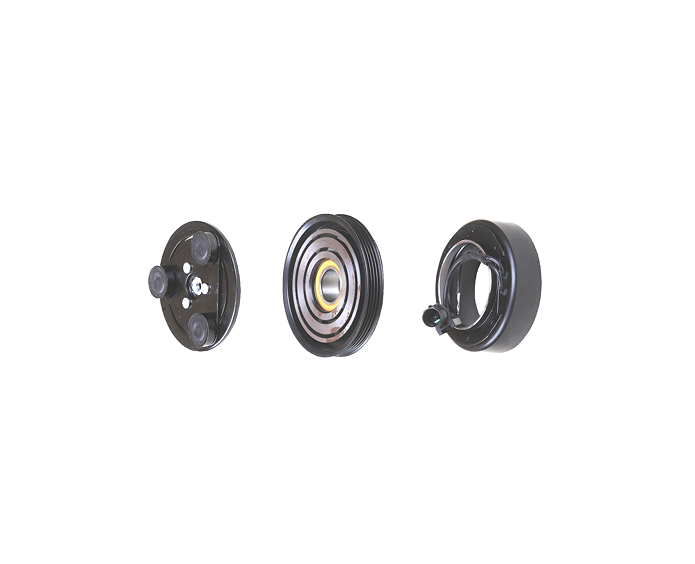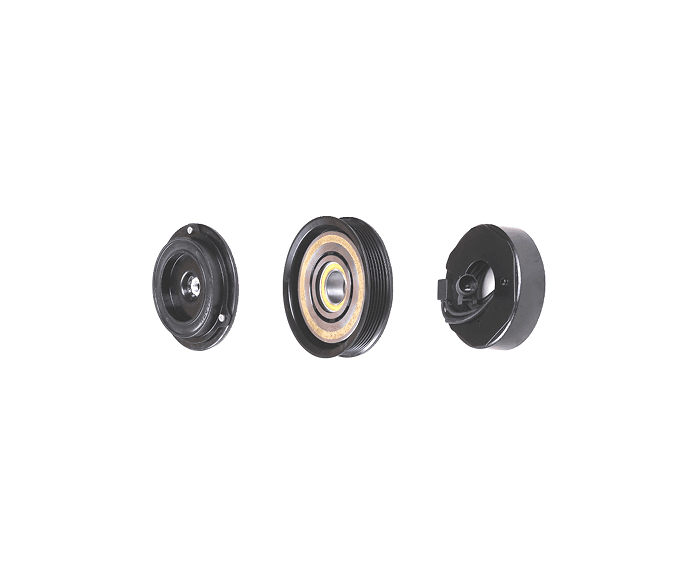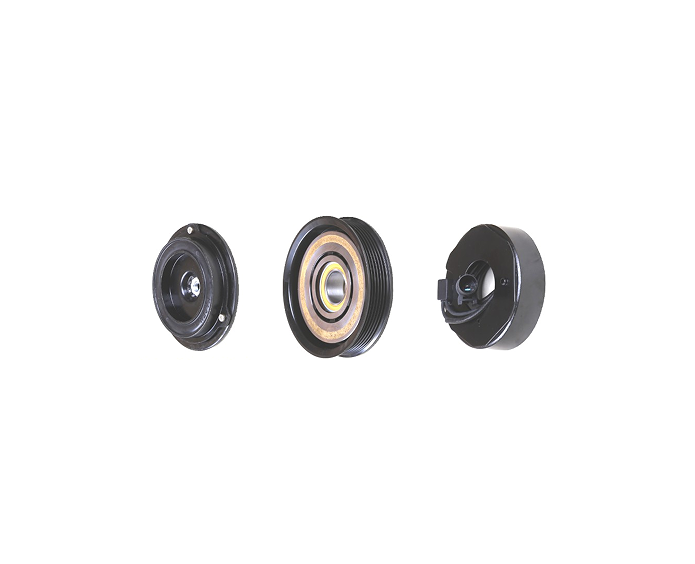


|
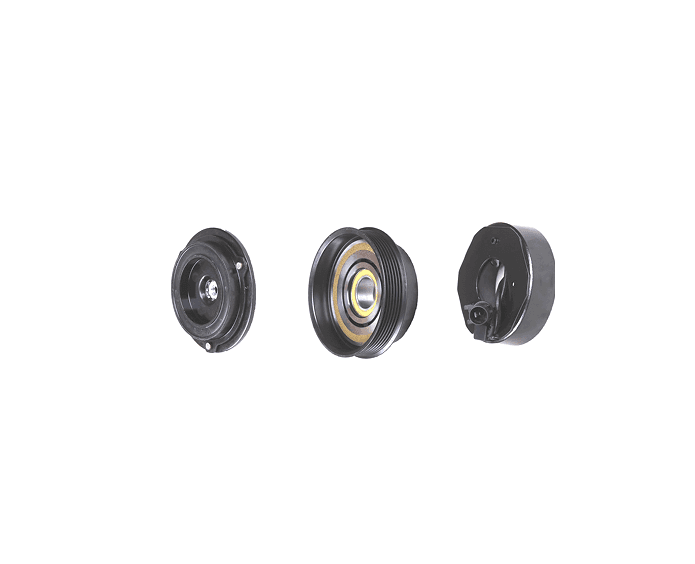
款号 |
KS-804004 |
|
|
适用车型 |
Usual vehicle style |
瑞纳VERNA |
|
额定电压(V) |
Rated Volatge |
12V |
|
皮带槽楼X根数 |
Belt Groove Type Number |
6PK |
|
皮带轮直径M M |
Pullpy Outer Diameter |
117MM |
|
轴承规格 |
Bearing Size |
355220 |
Auto AC Clutch for Vehicle Air Conditioning Repairs
An auto AC clutch is the part that lets the engine drive the air-conditioning compressor only when cooling is needed. When this component wears out, the compressor may not engage, the cabin can lose cooling, or the system may cycle irregularly. For repair shops, distributors, and fleet maintenance teams, the right clutch assembly helps restore A/C function without replacing the entire compressor when the compressor body itself is still serviceable.
Product Overview
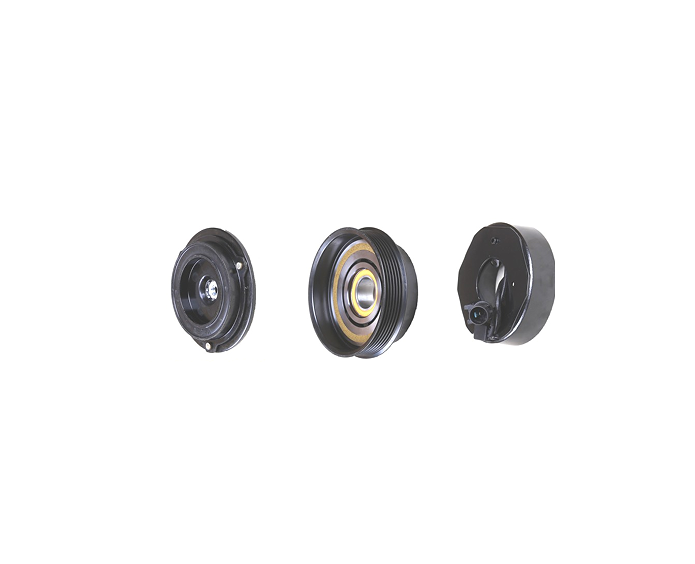
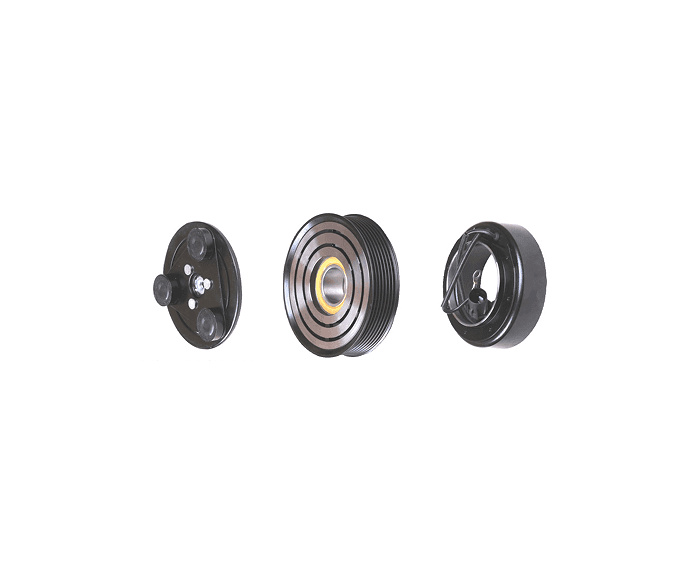
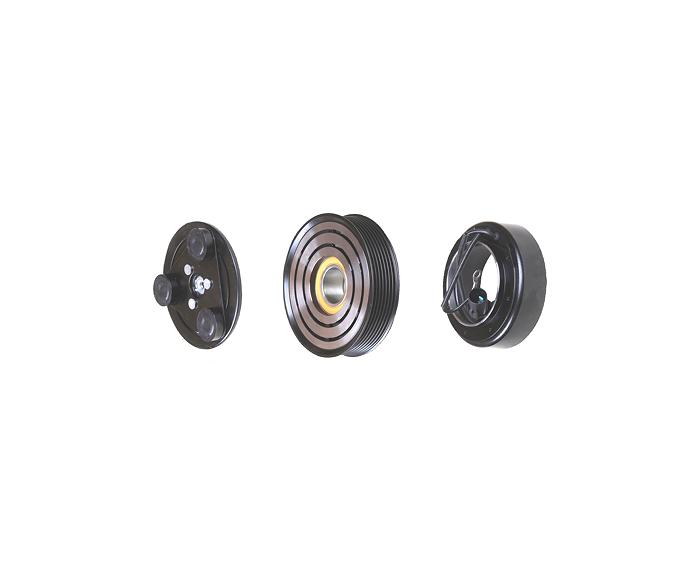
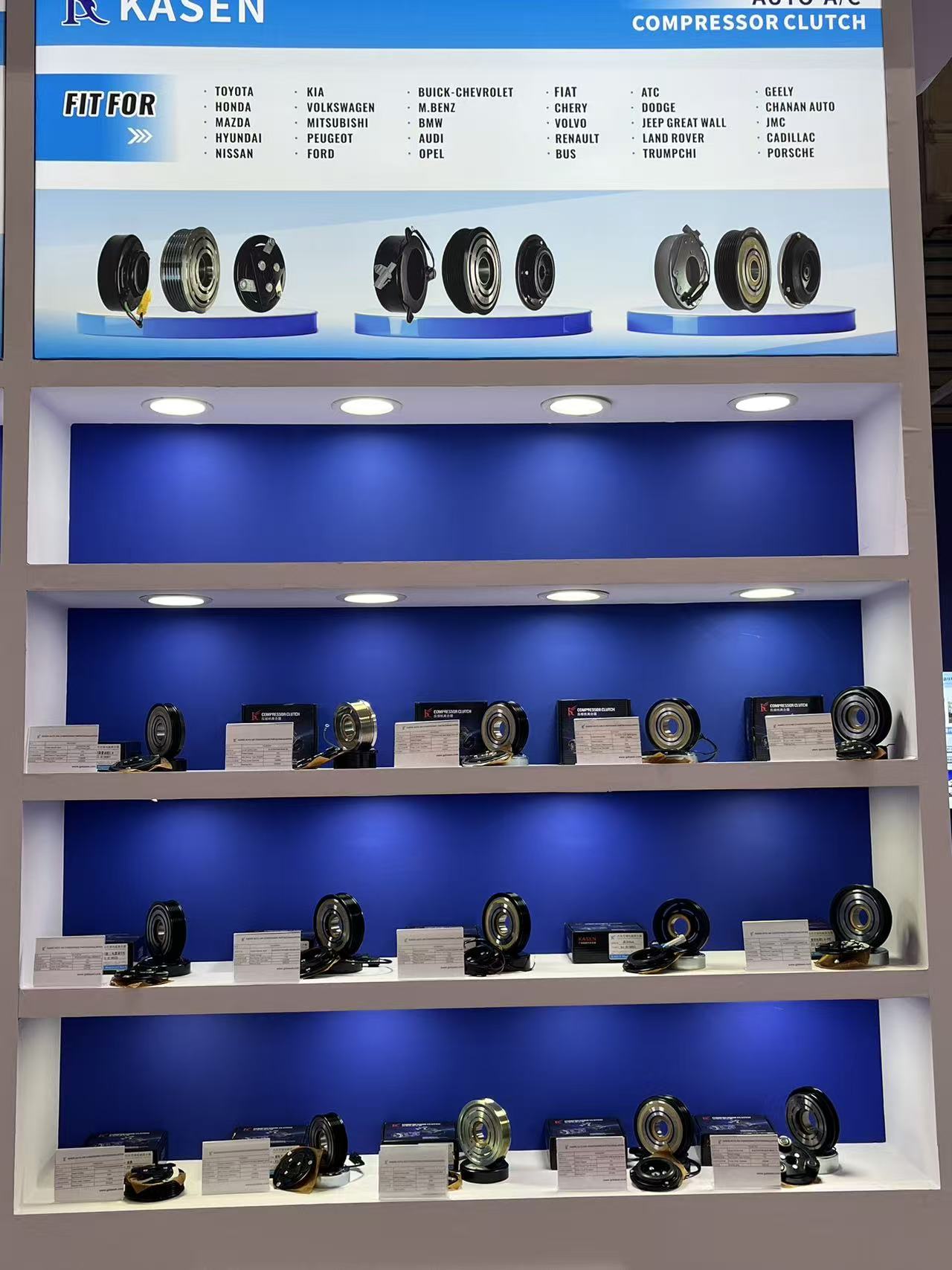
This product category covers automotive air conditioning compressor clutch components and compressor clutch assemblies. The visible samples show compact round metal units with pulley-like outer rings, central hub or face plates, and coil or wiring elements on some versions. Several units also appear to include accessory brackets or packaged parts for installation support. The visible branding includes KASEN and “COMPRESSOR CLUTCH,” and the fitment notes indicate a wide range of vehicle brands. Exact model-year coverage is not shown, so buyers should verify application before ordering.
In practical terms, an A/C compressor clutch is a service part that connects the compressor to the drive system when the climate control system calls for cooling. It helps the compressor run only when needed, reducing unnecessary drag and supporting efficient operation of the vehicle’s air conditioning system.
Key Specifications and Capabilities
Visible product characteristics
The assemblies shown are primarily circular, metal-based components. Some units have black-coated or painted surfaces, while others show silver, machined, or plated-looking finishes. The construction suggests a mix of stamped, machined, assembled, and electrically wound elements, which is common in compressor clutch manufacturing. Exact materials, alloy grades, electrical values, bearing details, and torque capacity are not confirmed from the available data.
Functional role
The auto AC compressor clutch engages and disengages the compressor from the engine drive path. This makes it a key wear item in the cooling system. When a clutch fails, symptoms may include no cooling, intermittent cooling, unusual noise from the compressor area, or visible clutch slipping. Because the clutch works in a demanding under-hood environment, fit and build consistency matter for long-term serviceability.
Materials and Finish Options
Based on the visible samples, the product line appears to use predominantly metal construction, likely including steel and/or aluminum parts. Finish styles visible in the images include black coated or painted surfaces and silver-colored machined or plated surfaces. These finishes may support corrosion resistance and wear performance, but the exact coating system is not confirmed. For buyers, finish selection can matter if the part will be stocked for varied climates or mixed fleet use.
Manufacturing and Assembly
Although the exact process details are not listed, compressor clutch parts in this category are typically produced through a combination of stamping, machining, coil winding, electrical assembly, and final mechanical build-up. That mix of processes helps create the pulley assembly, hub interface, and electromagnetic engagement function needed for reliable A/C operation. As with any replacement auto AC clutch, consistent assembly and dimensional fit are critical.
Application Scenarios
This product is positioned for aftermarket replacement and maintenance use in vehicle air conditioning systems. The fitment notes mention a broad range of brands, including Toyota, Honda, Mazda, Hyundai, Nissan, Kia, Volkswagen, Mitsubishi, Peugeot, Ford, Buick-Chevrolet, BMW, Audi, Opel, Fiat, Chery, Volvo, Renault, Bus, ATC, Dodge, Jeep, Great Wall, Land Rover, Trumpchi, Geely, Changan Auto, JMC, Cadillac, and Porsche. Because the exact model-year coverage is not provided, parts buyers should confirm compressor type, mounting style, and vehicle application before purchase.
Typical users include repair shops handling A/C diagnostics, parts distributors stocking high-turnover replacement items, and fleet maintenance teams that need dependable repair parts for service vehicles. An AC clutch for car applications can also be useful in programs where restoring the clutch assembly is more cost-effective than replacing the complete compressor.
Quality Control Considerations
For this type of component, buyers usually evaluate concentricity, smooth pulley rotation, coil consistency, hub fit, wiring integrity, and assembly finish. Since none of the exact test results or certifications are supplied here, those details should be requested directly from the supplier if they are needed for procurement approval. When sourcing an auto AC compressor clutch, check that the part matches the compressor family, electrical connection style, and mounting pattern.
Customization and Buying Guidance
If you are sourcing for wholesale or service inventory, start with the compressor model, vehicle make, and the original clutch configuration. The visible reference code KS-804004 may be useful as an internal or supplier identifier, but its exact application should be confirmed. Buyers should also compare pulley style, hub profile, connector layout, and packaging requirements. For mixed vehicle coverage, it is wise to ask for fitment confirmation by VIN, compressor number, or sample comparison.
Request a Fitment Check
If you need an auto AC clutch for replacement, stocking, or a repair program, share your vehicle list or compressor details and ask for application confirmation before ordering. A good supplier can help match the clutch assembly to the correct A/C system and reduce returns, downtime, and installation issues.