

|
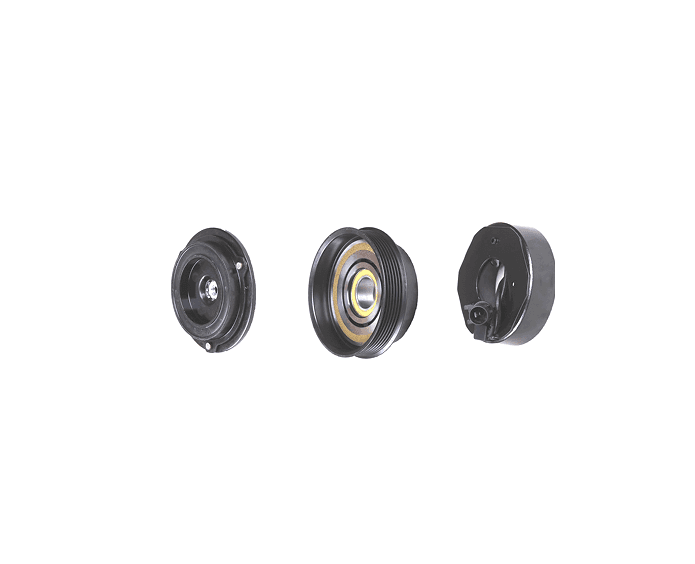
款号 |
KS-804018 |
|
|
适用车型 |
Usual vehicle style |
雅绅特/ACCENT |
|
额定电压(V) |
Rated Volatge |
12V |
|
皮带槽楼X根数 |
Belt Groove Type Number |
4PK |
|
皮带轮直径M M |
Pullpy Outer Diameter |
125MM |
|
轴承规格 |
Bearing Size |
355220 |
Auto AC Clutch Overview
An auto AC clutch is the engagement component that connects and disconnects the air-conditioning compressor drive when cooling is needed. For buyers, the main problem it solves is simple: it allows the compressor to run only when required, reducing unnecessary wear, limiting parasitic load on the engine, and helping the air conditioning system respond properly under changing driving conditions. In automotive HVAC service, a reliable clutch also matters because poor engagement can lead to inconsistent cooling, belt noise, or compressor overload.
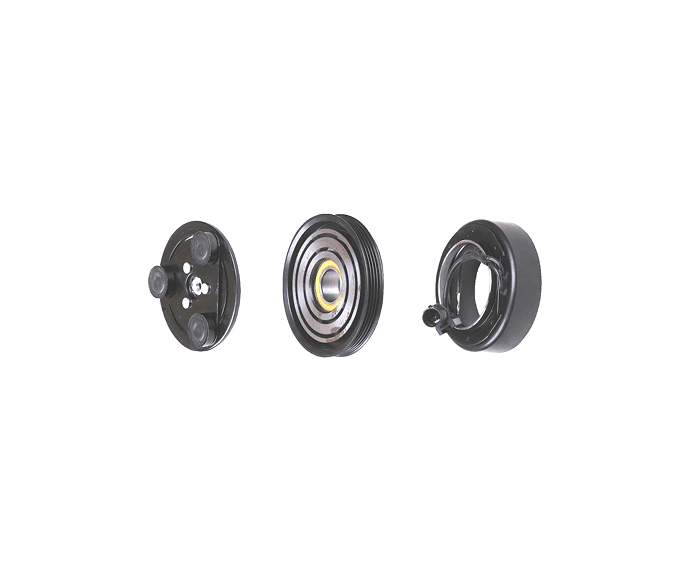
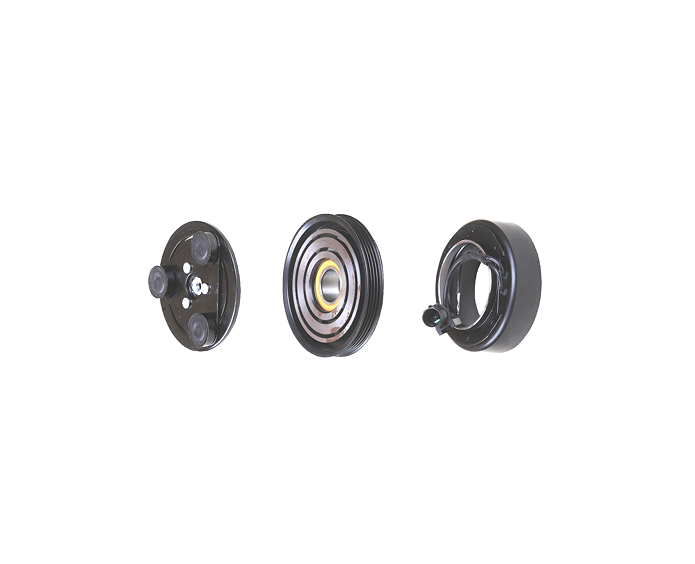
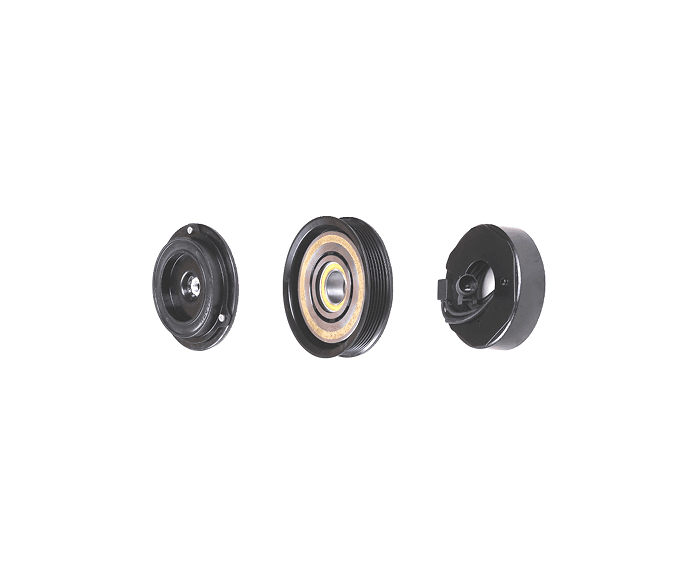
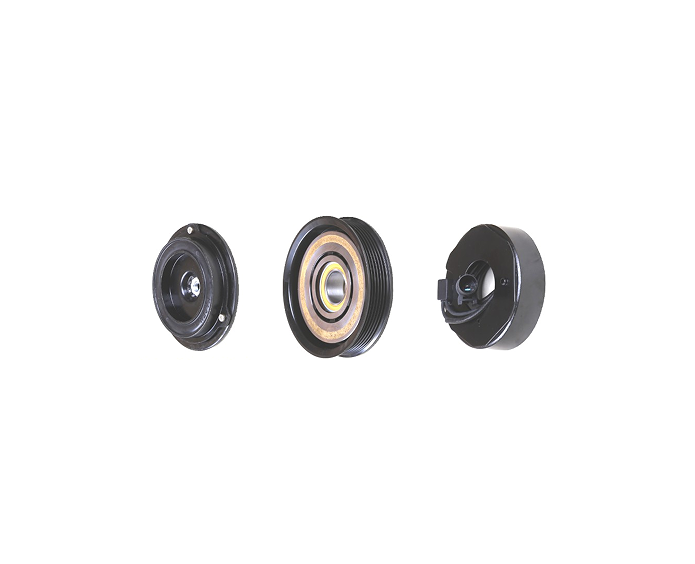
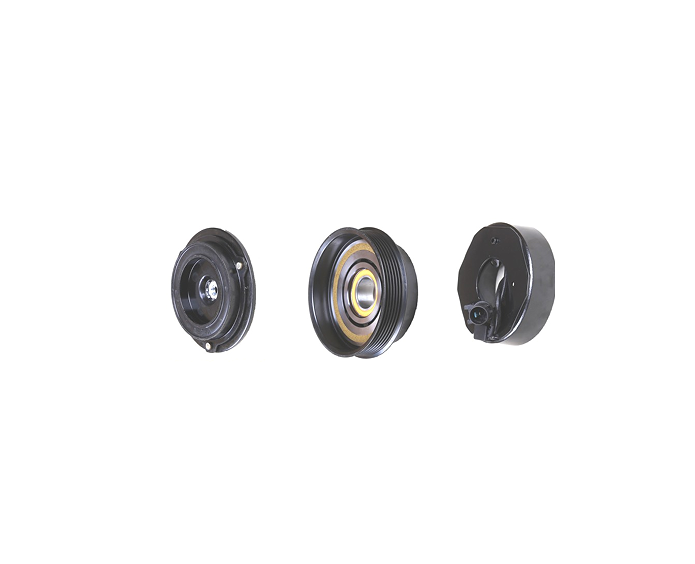
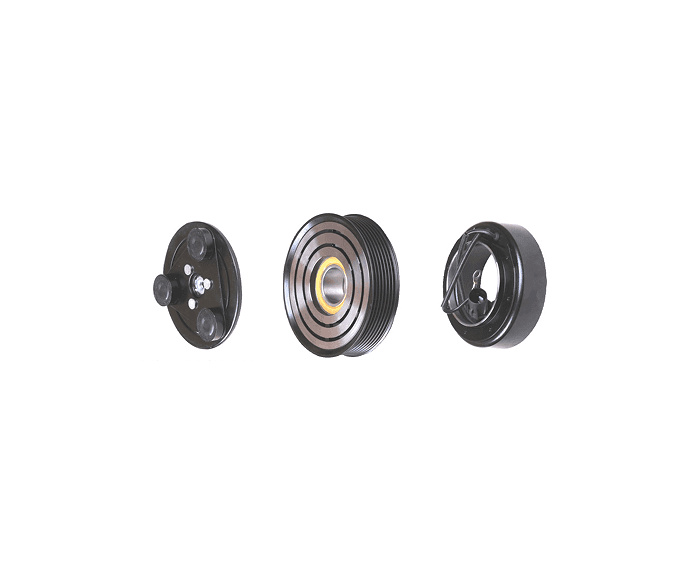
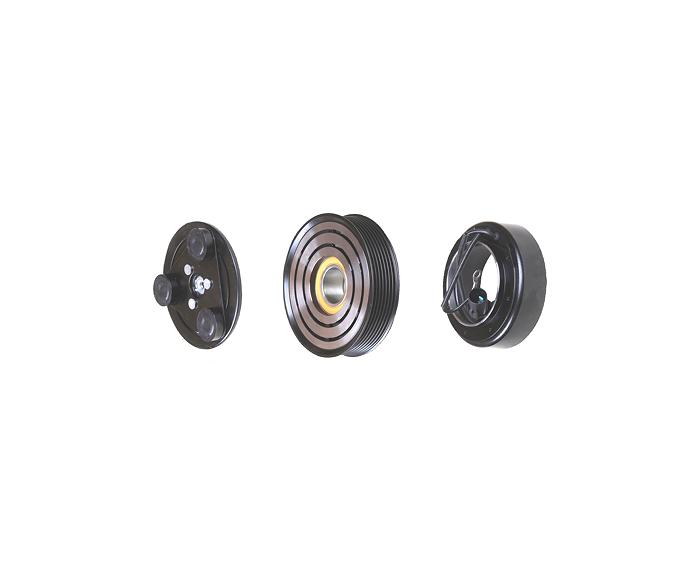
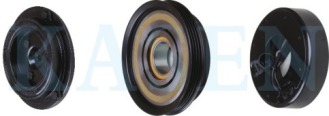
The product data provided shows a circular mechanical assembly with a dark outer body, a machined central hub, and a visible bearing area. Because the image does not confirm the exact part identity, this page should be treated as a reference for a rotating drive component used in similar mechanical applications. The visible construction suggests a balanced, rotational part designed for alignment, transfer of motion, and stable operation.
Product Reference and Functional Role
In vehicle air-conditioning systems, an automobile air conditioning assembly typically includes the compressor, clutch, pulley, and related supporting parts. The clutch acts as a control interface between the engine belt drive and the compressor shaft. When energized, it couples the drive; when disengaged, it allows the pulley to spin without driving the compressor. This on-demand operation is what makes the part critical for both comfort and efficiency.
Based on the visible geometry, the part shown may also resemble a pulley, roller, idler, or guide wheel used in other drive systems. That means the same visual characteristics circular form, machined hub, and bearing center are common in components where rotation, belt tracking, and mechanical alignment are important.
Key Visible Features and Capabilities
Structural characteristics
The outer body appears round and symmetrical, with a recessed center and a bearing-like inner ring. The black finish suggests a protective coating or surface treatment intended to support everyday mechanical use. The metallic hub area indicates a machined insert or assembly section, which is typical in rotating parts that need secure fit and stable center alignment.
Operational considerations
For an auto AC assembly, the buyer usually evaluates how smoothly the clutch engages, how well it aligns with the belt path, and whether the rotating section maintains stable motion over time. For a pulley-type component, the same concerns apply to tracking, low noise, and reduced vibration.
Materials and Finish Options
The image suggests a mixed-material construction, likely combining a metal hub or bearing interface with a darker outer wheel body. The exact material cannot be confirmed from the photo, so it should not be assumed to be steel, aluminum, or composite without specification data. In practice, components in this class may use metal, engineered polymer, or a combination of both, depending on load, heat exposure, and installation method.
The visible black exterior may serve both a functional and protective role. A semi-gloss or matte coating can help reduce surface glare, resist light corrosion, and provide a more finished appearance. Machined silver and bronze-toned surfaces at the center suggest precision contact areas where rotation and fit are more critical than appearance.
Manufacturing and Assembly Notes
The visible part likely involves machining and assembly steps. A wheel or clutch carrier may be cast, molded, or formed first, then finished with machining on the central bore or hub area. A bearing insert, sleeve, or center ring may be pressed or assembled into place to support rotation. Because the exact process is not shown, it is safest to describe this as a machined and assembled mechanical component rather than naming a specific production route.
For buyers comparing a car AC compressor assembly or related rotating part, the important point is consistency: the center must be accurate, the mating surfaces must fit correctly, and the rotating body must run without excessive wobble.
Application Scenarios
While the product image is not confirmed as an HVAC part, the visible shape is relevant to several industries:
- Automotive air-conditioning drive systems
- Belt-driven auxiliary equipment
- Conveyor and material-handling systems
- Automation equipment requiring guide or tensioning motion
- General machinery using idler or support wheels
In an automotive context, buyers may also evaluate surrounding parts such as the auto AC condenser assembly, car evaporator assembly, and auto AC receiver dryer assembly as part of the full cooling circuit. The clutch itself remains one of the components that directly affects compressor engagement and system usability.
Quality Control and Buyer Decision Factors
When selecting a rotating mechanical part or an auto AC clutch, buyers should verify dimensional fit, center alignment, bearing quality, surface finish, and compatibility with the mating assembly. If the part is for vehicle air conditioning, matching the compressor model and belt path is essential. If it is for a pulley or roller application, attention should shift to groove profile, axial stability, and rotational smoothness.
Useful buyer questions include: Does the assembly match the original mounting style? Is the bore or hub dimension correct? Does the finish provide enough protection for the operating environment? Is the rotating section designed for the expected speed and load? These questions matter more than broad claims, especially when the exact specification sheet is not yet available.
Customization Guidance
If you need a custom version, provide the required outer diameter, center bore, groove profile, mounting interface, material preference, and application environment. For an automobile air conditioning assembly, also share compressor model data, belt width, and clutch engagement requirements. For a general machine component, include load direction, rotation speed, and whether the part serves as a guide, tensioner, or drive wheel.
Request Specification Support
If you are sourcing this type of component and need confirmation of fit, material options, or drawing-based customization, send your application details and reference dimensions. A clear specification check is the fastest way to match the correct part and avoid installation problems.