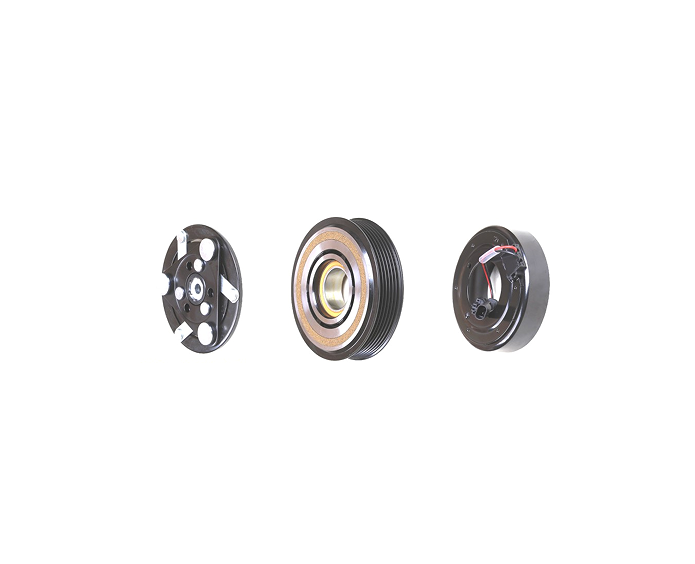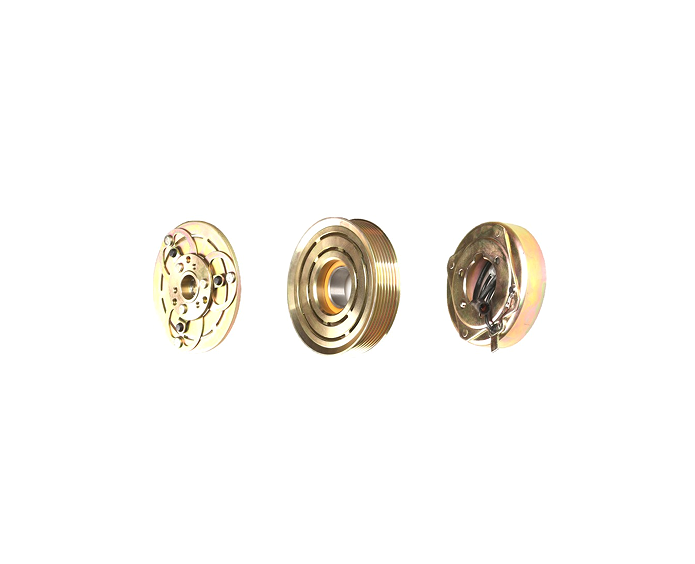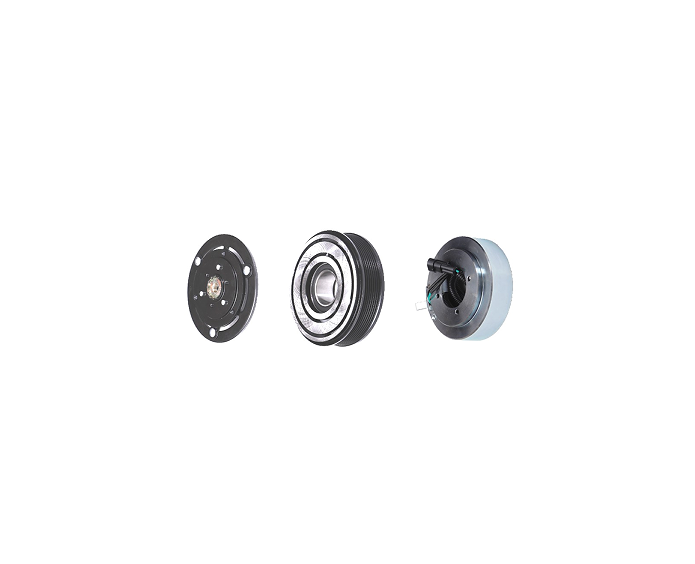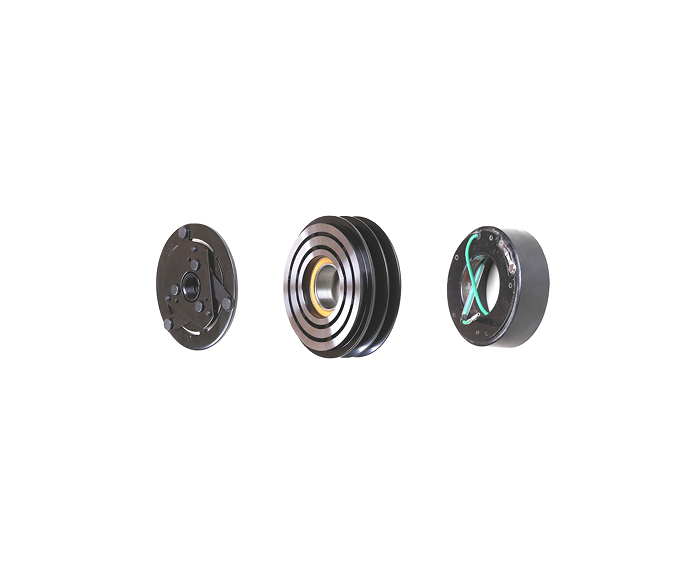

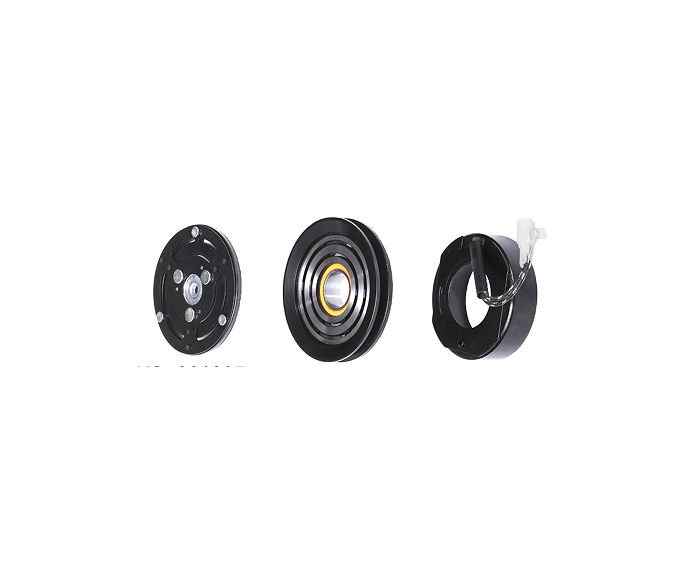
Global Logistics Cost Volatility and A/C Clutch Pricing Structure
Freight Costs Are No Longer a Stable Variable
For years, freight was treated as a secondary cost input. Predictable. Manageable. Marginal compared to manufacturing.
That assumption no longer holds.
Shipping rates now fluctuate sharply across quarters. Port congestion, geopolitical disruptions, fuel price swings, and container imbalances reshape landed cost structures almost overnight.
For the automotive air conditioner clutch, logistics volatility directly influences pricing architecture.
What used to be factory cost plus margin is now factory cost plus freight risk buffer.
Risk becomes embedded in price.
Freight as a Percentage of Unit Cost Has Expanded
In high-volume components, freight used to account for a small percentage of landed cost. During peak logistics disruptions, that percentage rose significantly.
Consider the simplified structure below:
| Cost Component | Stable Period | Volatile Period |
|---|---|---|
| Manufacturing Cost | 70% | 60–65% |
| Freight & Logistics | 8–12% | 18–25% |
| Distribution & Margin | 15–20% | Compressed |
| Inventory Risk Buffer | Minimal | Increased |
When freight volatility rises, distributors handling automotive air conditioner clutch inventory must either absorb cost swings or adjust pricing frequently.
Both options carry consequences.
Lead Time Uncertainty Drives Inventory Strategy Changes
Logistics volatility does not only affect price. It affects timing.
Extended transit periods increase:
- Inventory holding cost
- Capital lock-up duration
- Safety stock requirements
- Forecasting error exposure
For distributors managing the automotive air conditioner clutch category, longer shipping windows reduce flexibility.
Pricing must incorporate not just freight expense, but inventory risk.
Time equals cost.
Exchange Rate Interaction Compounds Pricing Pressure
Many HVAC components are manufactured in export-oriented markets. Currency fluctuations interact with freight cost volatility.
If shipping rates rise while the supplier currency appreciates, landed cost increases accelerate.
In the automotive air conditioner clutch trade, distributors must evaluate:
- Currency hedging exposure
- Multi-origin sourcing strategy
- Regional warehousing advantages
Pricing becomes a financial equation, not just a mechanical one.
Shift Toward Regional Warehousing and Buffer Inventory
To mitigate volatility, many importers establish:
- Regional distribution hubs
- Bonded warehouse programs
- Forward stock positioning
- Mixed-container shipment strategies
This reduces immediate exposure to freight spikes but increases upfront investment.
The automotive air conditioner clutch pricing structure increasingly reflects blended cost models — combining historic freight averages with forward risk assumptions.
Stability is engineered, not assumed.
Margin Redistribution Across the Supply Chain
When logistics costs surge, margin shifts occur.
Manufacturers may maintain ex-works pricing stability. Distributors absorb short-term freight increases. Retailers adjust pricing gradually.
The automotive air conditioner clutch sector has seen:
- Narrowed distributor margins during freight peaks
- Gradual retail price pass-through
- Competitive pressure limiting full cost recovery
Volatility changes bargaining power distribution.
Those with stronger logistics planning capability maintain margin resilience.
Impact on Competitive Landscape
Freight volatility advantages firms with:
- Larger shipment volumes
- Consolidated container capacity
- Long-term freight contracts
- Multi-port routing flexibility
Smaller players face greater unit freight exposure.
In the automotive air conditioner clutch aftermarket, scale increasingly influences pricing stability.
Logistics efficiency becomes competitive differentiation.
Long-Term Structural Implications
Global logistics cost volatility is unlikely to disappear entirely.
Instead, markets adapt through:
- Near-shoring exploration
- Regional supplier diversification
- Long-term freight contract negotiation
- Dynamic pricing systems
- Data-driven demand forecasting
The automotive air conditioner clutch industry evolves toward cost transparency and predictive pricing modeling.
Freight risk becomes an integrated strategic variable.
Strategic Positioning for Industry Participants
To navigate logistics-driven pricing shifts, manufacturers and distributors should:
- Maintain diversified export routes
- Implement flexible pricing agreements
- Monitor freight indices quarterly
- Align inventory turnover cycles with shipment windows
Pricing is no longer static. It is dynamic, multi-factor, and risk-adjusted.
If you are evaluating global supply positioning or cost-optimized export cooperation in the automotive air conditioner clutch segment, explore our manufacturing and export capabilities at
👉 https://www.gzkasen.com/
For partnership discussions and supply chain planning support, contact us directly at
👉 https://www.gzkasen.com/contact-us
Freight volatility reshapes cost structure. Strategic alignment preserves margin.