
Electrification Does Not Mean Immediate Decline
When hybrid vehicles first entered the market, many assumed mechanical compressor clutches would gradually disappear. That assumption proved premature.
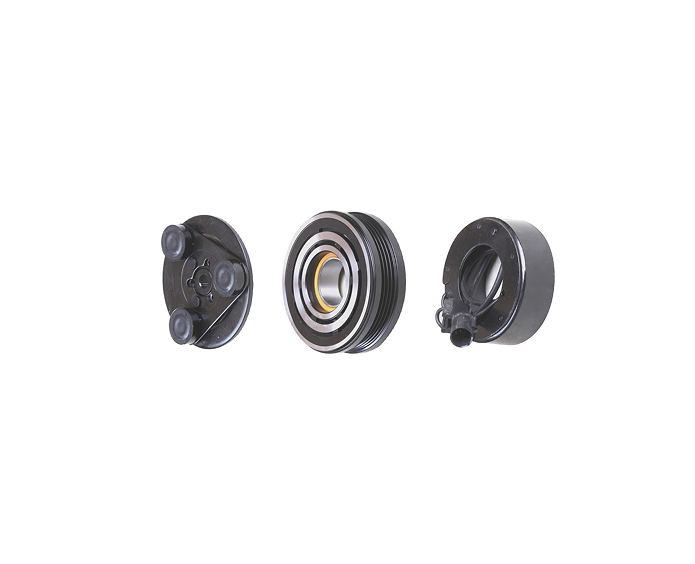
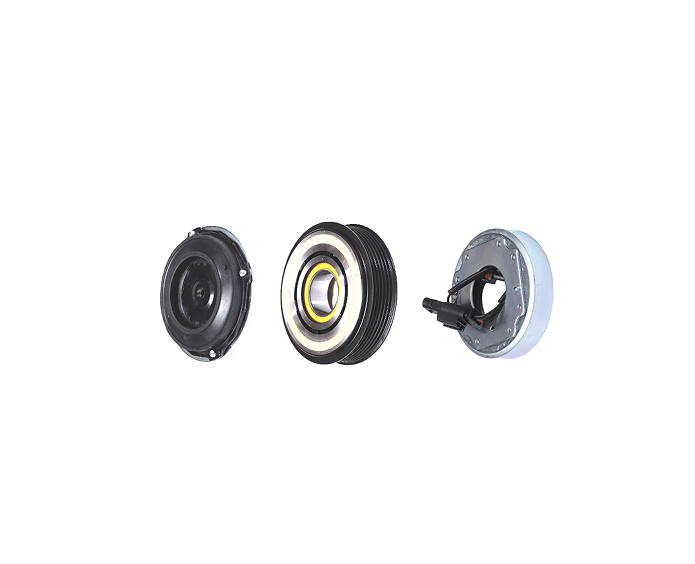
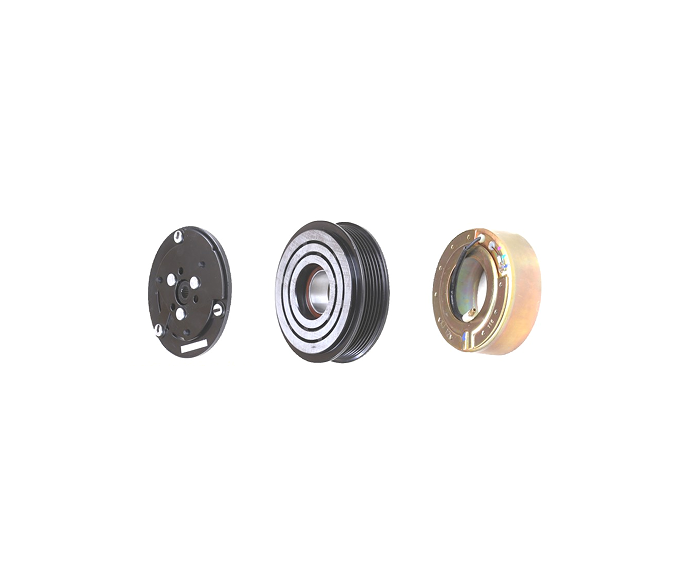
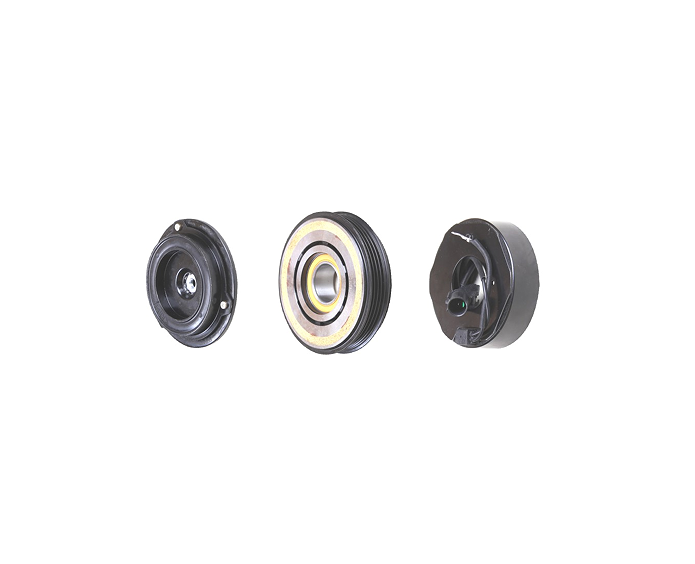
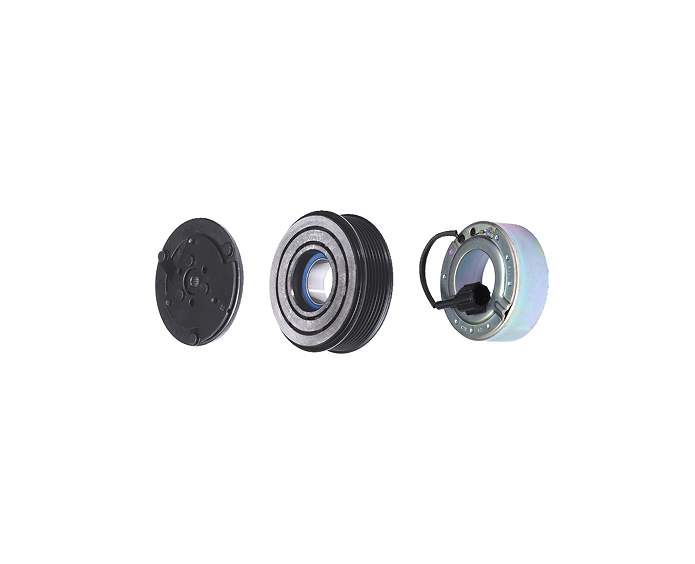
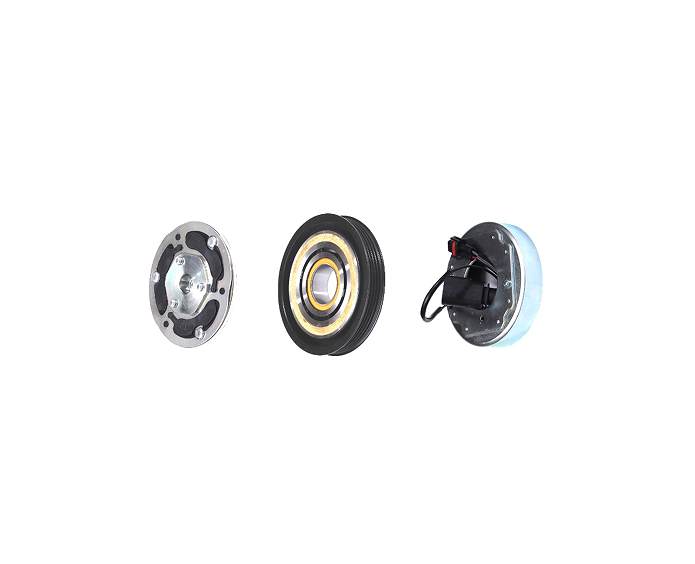
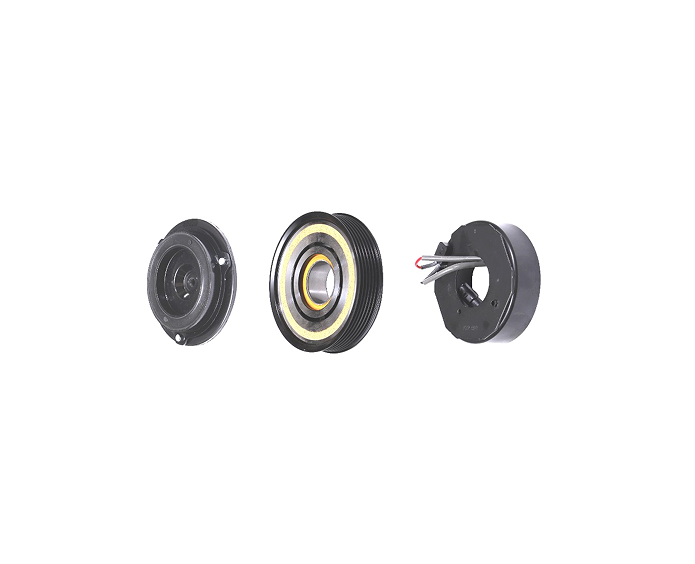
Hybrid platforms are transitional architectures. Some use fully electric compressors. Others retain belt-driven systems with modified control logic. Many markets still depend on hybrid designs that incorporate a traditional automotive air conditioner clutch for cost control and service compatibility.
Demand is not collapsing. It is redistributing.
Global Hybrid Penetration Is Uneven
Hybrid growth differs dramatically by region.
| Region | Hybrid Market Share Trend | Implication for Clutch Demand |
|---|---|---|
| Japan | High penetration | Shift toward hybrid-compatible specs |
| Europe | Rapid growth | Mixed platform demand |
| North America | Moderate growth | Stable transitional demand |
| Southeast Asia | Gradual adoption | Continued ICE dominance |
| Middle East | Low penetration | Traditional demand remains strong |
Because hybrid penetration is geographically uneven, the automotive air conditioner clutch market evolves region by region rather than globally at once.
Market fragmentation replaces uniform trend.
Hybrid Architecture Changes Usage Patterns
Hybrid drivetrains operate differently from conventional ICE vehicles.
-
Frequent engine start-stop cycles
-
Electric-only driving intervals
-
Combined torque transitions
-
Regenerative braking energy redistribution
These behaviors alter compressor engagement frequency.
Instead of continuous operation, clutch systems experience intensified cycling in certain hybrid designs. This can increase wear rates, potentially stabilizing replacement demand rather than reducing it.
Hybrid growth modifies demand characteristics rather than eliminating them.
Platform Compatibility Becomes a Competitive Variable
As hybrid penetration rises, distributors and manufacturers must distinguish between:
-
Fully electric compressor systems (no clutch)
-
Belt-driven hybrid systems (with clutch)
-
Transitional hybrid variants retaining conventional layouts
In markets where transitional hybrids dominate, the automotive air conditioner clutch remains a required component. However, specifications must adapt to voltage variability and increased engagement cycles.
Compatibility breadth becomes a strategic advantage.
Replacement Cycle Modeling Under Hybrid Growth
Hybrid vehicles may reduce engine runtime but increase engagement events.
This creates two counteracting forces:
-
Reduced mechanical load during electric operation
-
Increased activation frequency during engine restart
The net effect depends on climate and driving conditions.
Urban hybrid usage may produce similar or even shorter replacement intervals compared to traditional ICE vehicles.
Therefore, hybrid penetration does not automatically translate into reduced aftermarket volume.
It introduces complexity into forecasting models.
Aging ICE Fleet Maintains Baseline Demand
Even as hybrid penetration rises, the global internal combustion vehicle fleet remains vast.
In many regions, ICE vehicles will dominate for at least another decade. Fleet aging supports consistent replacement cycles.
The automotive air conditioner clutch market therefore becomes dual-structured:
-
Legacy ICE demand
-
Hybrid-adapted demand
This duality ensures volume stability through transition years.
Cost Sensitivity in Emerging Hybrid Markets
In price-sensitive regions, manufacturers may continue using clutch-based systems in hybrid vehicles due to lower production cost compared to fully electric compressors.
This cost-performance balance sustains mechanical system integration in transitional markets.
Hybrid growth in emerging economies may therefore support rather than suppress clutch demand.
Technology choice is not uniform across price tiers.
Five-Year Structural Implications
Projected trends over the next five years:
-
Gradual increase in hybrid-compatible specifications
-
Continued strong demand in ICE-dominant regions
-
Market segmentation by platform architecture
-
Greater technical differentiation among suppliers
The automotive air conditioner clutch category will not experience abrupt decline. It will experience technical stratification.
Those who adapt specification ranges will capture evolving demand.
Strategic Outlook for Manufacturers and Distributors
Hybrid penetration introduces complexity. It requires:
-
Platform-level compatibility mapping
-
Region-specific demand segmentation
-
Hybrid-ready torque calibration
-
Flexible inventory models
The automotive air conditioner clutch market over the next decade will reward suppliers who understand transition dynamics rather than react to electrification headlines.
Electrification is gradual. Demand evolution is layered.
If you are planning hybrid-compatible product positioning or regional expansion strategy, explore our full product portfolio at
👉 https://www.gzkasen.com/
For technical consultation or distribution partnership discussion, contact us directly at
👉 https://www.gzkasen.com/contact-us
Hybrid growth reshapes demand — but it does not erase it.