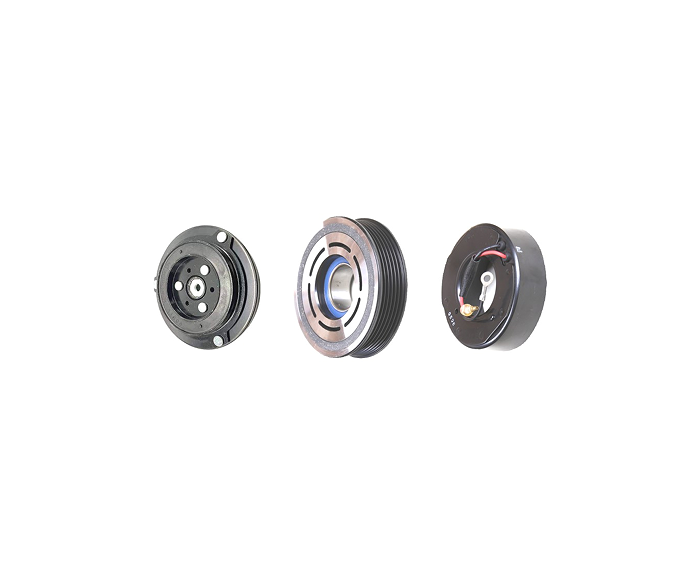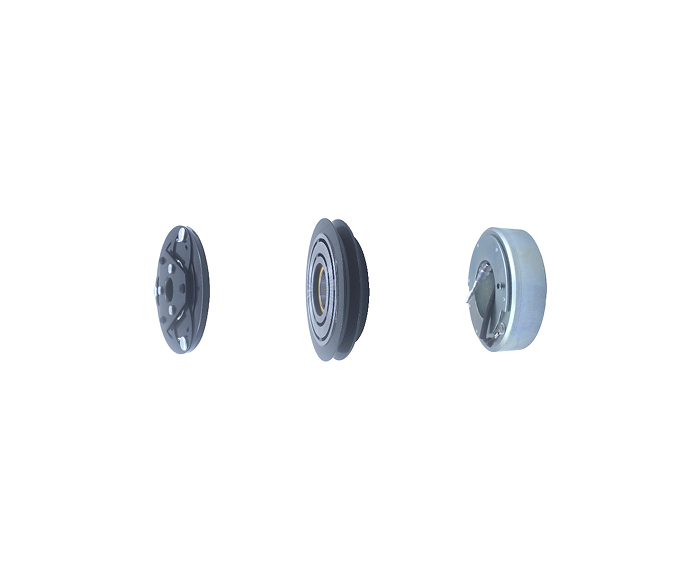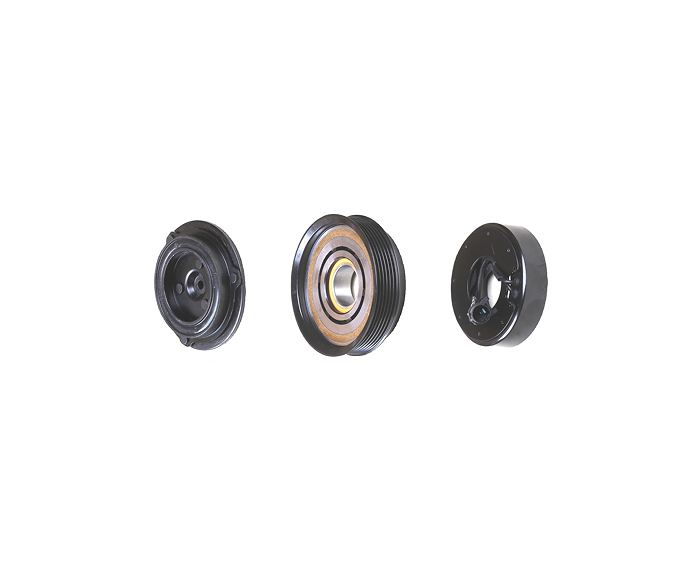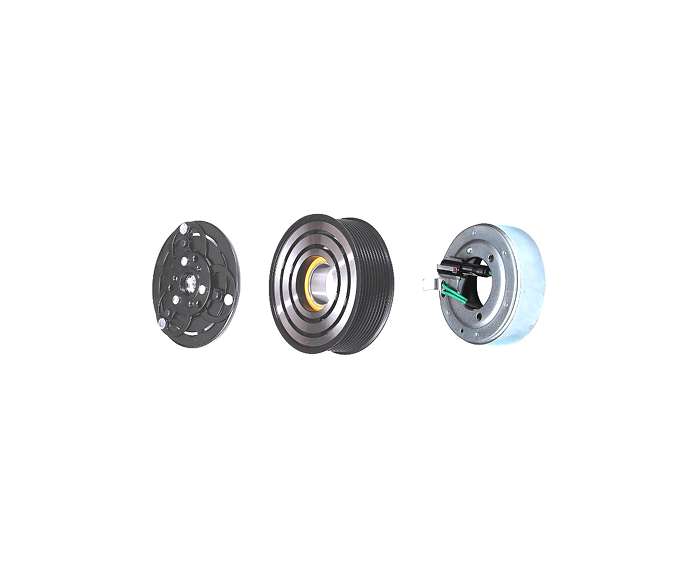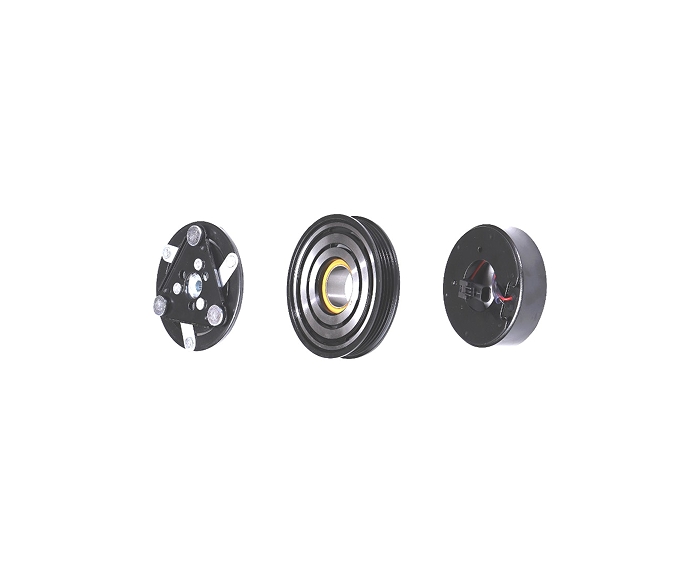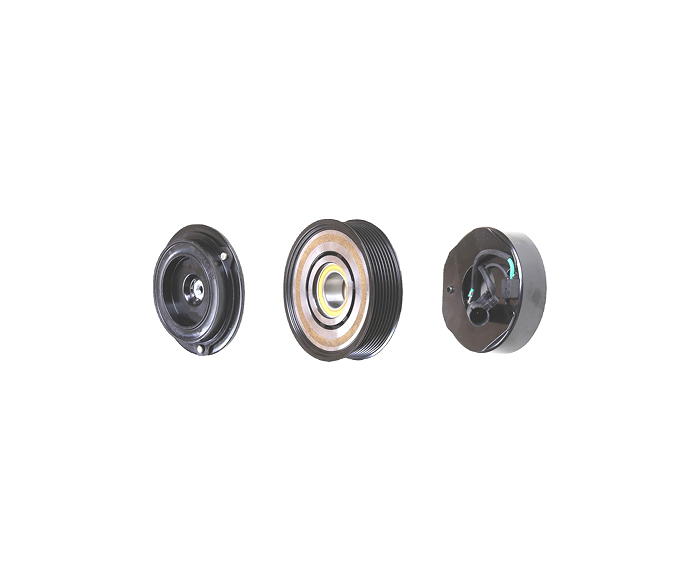

In an auto AC system, the compressor does not run all the time. It starts only when cooling is needed. The part that controls this start-stop action is the compressor clutch.
A reliable automotive air conditioner clutch must engage quickly, transfer torque smoothly, and disengage cleanly when the system cuts power. If engagement is weak or unstable, the AC system may blow warm air, cycle too often, or create noise near the compressor.
For repair shops, distributors, and aftermarket buyers, understanding clutch engagement helps reduce wrong part selection and repeated failures.
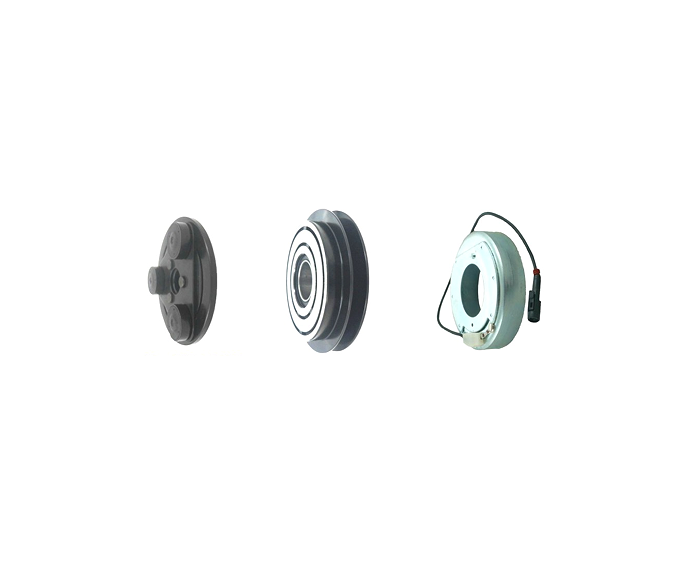
The Four Physics Factors Behind Clutch Engagement
Compressor clutch engagement is controlled by four main physical factors.
| Factor | What It Controls |
|---|---|
| Electromagnetic Force | Pulls the hub plate toward the pulley |
| Air Gap | Affects how easily the hub plate can be pulled in |
| Friction Contact | Transfers rotating force from pulley to hub plate |
| Torque Transfer | Drives the compressor shaft for refrigerant circulation |
These factors must work together. If one is incorrect, the clutch may still install on the compressor but fail during real operation.
Electromagnetic Force Pulls the Clutch Together
When the driver turns on the AC, electrical current reaches the clutch coil. The coil creates a magnetic field. This magnetic force pulls the hub plate toward the pulley.
Once the hub plate contacts the pulley, the compressor shaft starts rotating. The compressor can then circulate refrigerant and begin the cooling process.
If the coil is weak, damaged, or incorrectly matched, magnetic force may not be strong enough to complete engagement. This may cause delayed engagement, intermittent cooling, or clutch slipping.
For this reason, buyers should check voltage, coil resistance, connector type, and compressor model before ordering an automotive air conditioner clutch.
Air Gap Controls Engagement Response
The air gap is the small distance between the pulley and the hub plate before engagement.
If the air gap is too large, the magnetic force may not pull the hub plate firmly enough. If it is too small, the clutch may drag, overheat, or wear quickly.
| Air Gap Condition | Possible Result |
| Too Large | Weak engagement, slipping, intermittent compressor operation |
| Too Small | Dragging, friction wear, heat buildup |
| Correct Gap | Smooth engagement and stable compressor drive |
For B2B buyers, accurate air gap control is important because small dimensional differences can affect installation and long-term performance.
Friction Contact Transfers Power
After electromagnetic force pulls the hub plate toward the pulley, friction contact begins.
The pulley is already rotating with the engine belt. When the hub plate touches the pulley, friction allows torque to transfer from the pulley to the compressor shaft.
A durable friction surface helps the clutch engage smoothly without slipping. Poor friction material may cause overheating, surface glazing, abnormal wear, or weak cooling.
This is why a high-quality automotive air conditioner clutch should have stable friction performance, consistent surface machining, and good heat resistance.
Torque Transfer Drives the Compressor
Torque transfer is the final result of clutch engagement. Once torque reaches the compressor shaft, the compressor begins to work.
Stable torque transfer helps the AC system maintain cooling performance. Unstable torque transfer may cause vibration, noise, clutch slipping, or compressor cycling problems.
| Torque Problem | Possible AC System Symptom |
| Weak torque transfer | Compressor does not run efficiently |
| Slipping during engagement | Weak cooling or burning smell |
| Uneven contact | Noise, vibration, faster wear |
| Stable torque transfer | Smooth cooling performance |
For commercial vehicles, buses, and trucks, torque stability is especially important because the AC system often works for long hours under high-temperature conditions.
Common Signs of Poor Clutch Engagement
Repair technicians may notice several signs when clutch engagement is not stable:
- AC blows warm air
- Compressor clutch does not engage
- Clutch clicks but does not hold
- Compressor works intermittently
- Pulley bearing becomes noisy
- Burning smell near the compressor
- Visible wear on the friction surface
- Clutch slips under high load
These symptoms may come from coil failure, incorrect air gap, poor friction material, bearing wear, or wrong clutch matching.
What Buyers Should Check Before Ordering
Before purchasing an auto AC compressor clutch, buyers should confirm both product fitment and engagement-related details.
| Check Item | Why It Matters |
| OE Number | Helps confirm the correct replacement model |
| Compressor Model | Ensures structure compatibility |
| Voltage | Must match vehicle electrical system |
| Coil Resistance | Affects magnetic force and heat generation |
| Pulley Groove | Must match belt type |
| Hub Plate Design | Affects contact area and torque transfer |
| Bearing Size | Impacts rotation noise and durability |
| Sample or Drawing | Helps confirm special or customized models |
Providing complete matching information helps avoid wrong parts, installation problems, and after-sales disputes.
View KASEN product categories here:
https://www.gzkasen.com/products
How KASEN Supports Compressor Clutch Buyers
KASEN supplies automotive air conditioning parts, including compressor clutches, compressors, electric compressors, valves, bearings, sensors, and related components.
For buyers sourcing automotive air conditioner clutch products, KASEN can support:
- Product matching by OE number
- Compressor model verification
- Sample and drawing confirmation
- Clutch assembly, coil, pulley, bearing, and hub plate supply
- Mixed model orders for distributors
- OEM and customized requirements
- Applications for passenger cars, buses, trucks, and commercial vehicles
Learn more about KASEN here:
https://www.gzkasen.com/about-us
Visit KASEN homepage here:
https://www.gzkasen.com/
FAQ
1. What causes an auto AC compressor clutch to engage?
The clutch engages when the coil receives electrical power and creates magnetic force. This force pulls the hub plate toward the pulley and drives the compressor shaft.
2. Why is air gap important in an automotive air conditioner clutch?
The air gap affects how easily the clutch can engage. If the gap is too large or too small, the clutch may slip, drag, overheat, or fail to operate correctly.
3. How does friction affect compressor clutch performance?
Friction allows torque to transfer from the rotating pulley to the compressor shaft. Poor friction material can cause slipping, heat buildup, noise, and weak cooling.
4. Can poor clutch engagement damage the AC system?
Yes. Poor engagement can cause slipping, overheating, compressor cycling problems, and reduced cooling performance.
5. What information should buyers provide to KASEN?
Buyers can provide OE number, compressor model, vehicle model, voltage, pulley size, product photo, sample, or technical drawing for accurate matching.
Conclusion
The physics of compressor clutch engagement is based on electromagnetic force, air gap control, friction contact, and torque transfer. These factors decide whether the compressor can start smoothly and deliver stable cooling.
For importers, distributors, and repair businesses, choosing a reliable automotive air conditioner clutch helps reduce failure risk, improve repair quality, and support better customer satisfaction.
If you need auto AC compressor clutch products for your market, KASEN can help confirm the right model by OE number, compressor model, vehicle application, sample, or drawing.
Contact KASEN to discuss your automotive air conditioner clutch sourcing needs and get product matching support.