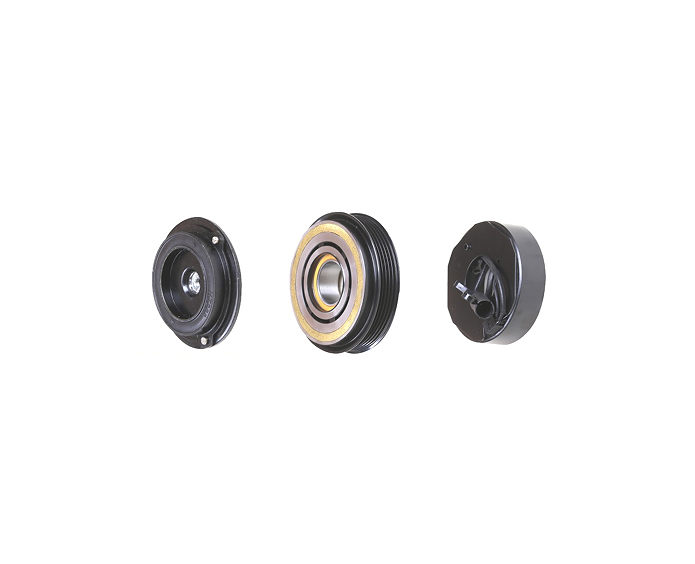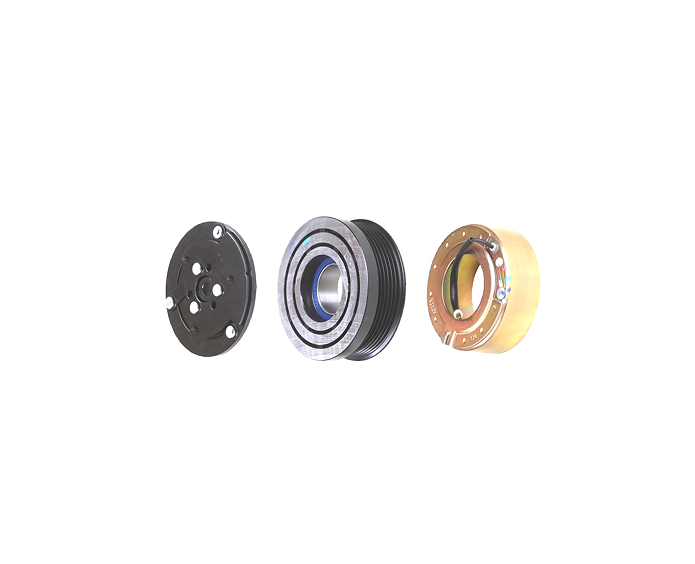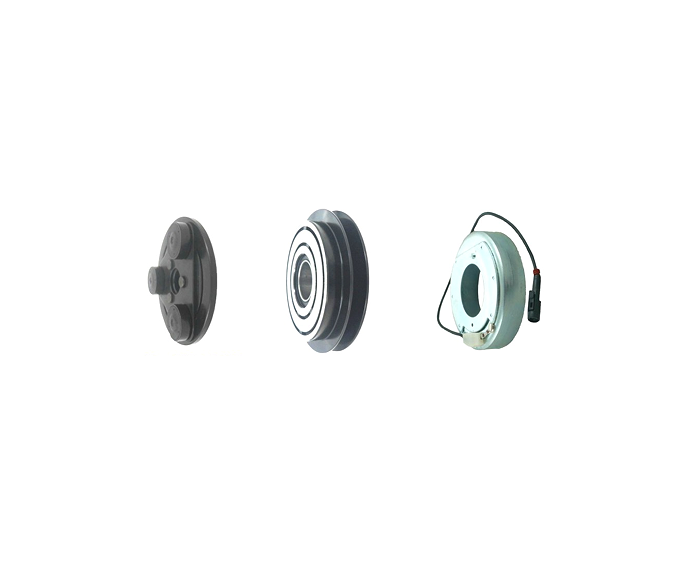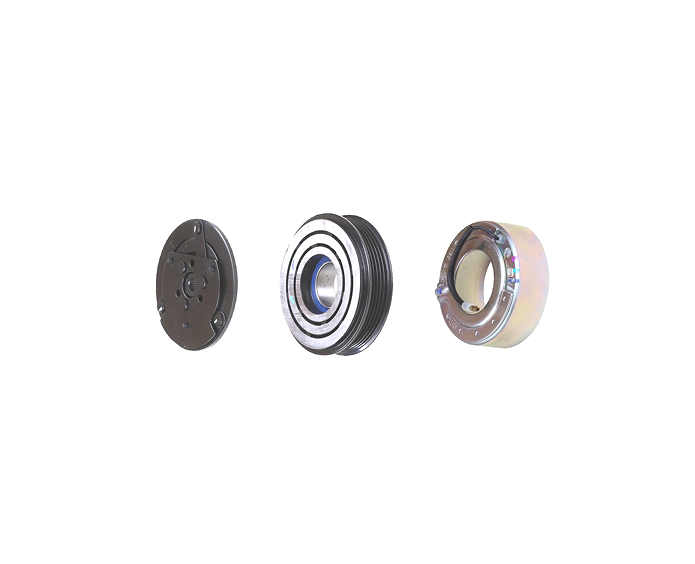

In an auto AC compressor clutch, the friction surface must transfer torque from the pulley to the compressor shaft. This process requires stable grip, heat resistance, and wear control.
One important part of the friction material is the resin system. Resin helps bind fibers, fillers, and other friction ingredients together. It also affects how the friction surface performs under heat, pressure, and repeated engagement.
For buyers sourcing an automotive air conditioner clutch, resin quality is not always visible from the outside, but it can strongly influence clutch durability and after-sales performance.
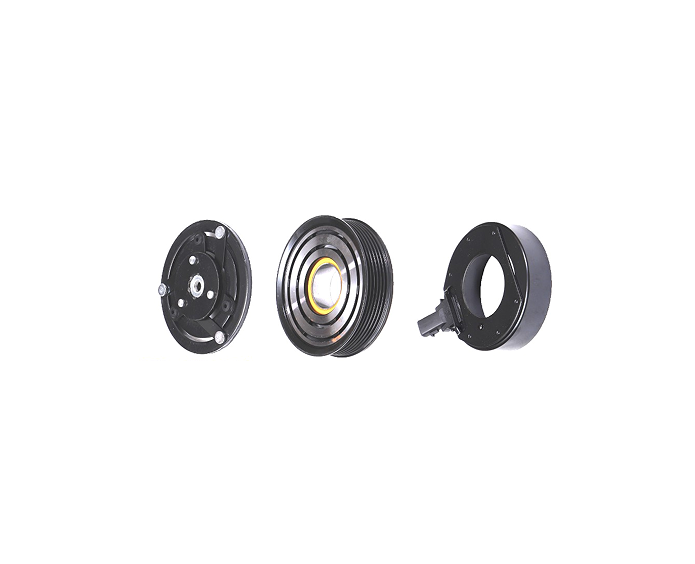
What Does the Resin System Do?
A resin system acts as the bonding structure inside the friction material. It helps the friction layer keep its shape and performance during repeated clutch operation.
| Resin Function | Impact on AC Clutch Performance |
|---|---|
| Bonding Strength | Holds friction material components together |
| Heat Resistance | Reduces thermal damage during engagement |
| Wear Control | Helps slow down surface loss |
| Friction Stability | Supports consistent torque transfer |
| Surface Integrity | Reduces cracking, glazing, and material separation |
| Durability | Improves long-term clutch service life |
Without a stable resin system, the friction surface may become weak, brittle, or unstable under high-temperature conditions.
How Resin Affects Friction Stability
A reliable automotive air conditioner clutch needs stable friction performance. When the clutch engages, the hub plate and pulley must contact smoothly and transfer torque without slipping.
The resin system helps maintain the friction coefficient during repeated engagement. If the resin breaks down too quickly, the surface may become glazed, uneven, or worn. This can reduce grip and cause clutch slipping.
Stable resin performance helps the clutch achieve:
- Smooth engagement
- Consistent torque transfer
- Lower slipping risk
- Reduced vibration
- Better wear resistance
- Longer service life
For distributors and repair shops, this means fewer repeat repairs and fewer customer complaints.
Heat Resistance and Resin Performance
Heat is one of the biggest challenges for AC clutch friction materials. During engagement, friction creates heat. The engine bay environment also increases operating temperature, especially in summer.
If the resin system has poor heat resistance, it may soften, burn, crack, or lose bonding strength. Once this happens, the friction surface may no longer perform correctly.
| Heat-Related Resin Problem | Possible Result |
| Resin Softening | Reduced grip and clutch slipping |
| Resin Burning | Burning smell and surface damage |
| Bonding Failure | Material separation or cracking |
| Surface Glazing | Lower friction and delayed engagement |
| Heat Fatigue | Shorter clutch service life |
This is why high-temperature stability is a key quality point in AC clutch friction material design.
Resin Systems and Wear Resistance
The friction surface of an auto AC clutch must handle repeated contact between the pulley and hub plate. Each engagement creates pressure and surface stress.
A good resin system helps distribute this stress across the friction material. It keeps the material structure stable and reduces fast wear.
Poor resin bonding may cause:
- Uneven wear
- Surface cracking
- Material powdering
- Loss of friction grip
- Clutch noise
- Shorter replacement cycle
For heavy-duty applications such as buses, trucks, and commercial vehicles, wear resistance is especially important because the AC system often operates for long hours.
Why Resin Quality Matters for B2B Buyers
For importers, distributors, and repair businesses, resin quality affects product reliability even if it is not easy to check visually.
A low-cost clutch may look similar to a higher-quality product, but differences in friction material and resin system can appear after real use.
A durable automotive air conditioner clutch should provide:
- Stable friction coefficient
- Good heat resistance
- Strong bonding strength
- Low surface wear
- Smooth engagement
- Reduced slipping risk
- Reliable performance in summer conditions
Choosing a clutch only by price may increase returns, warranty claims, and customer complaints.
What Buyers Should Check Before Ordering
Before purchasing auto AC compressor clutch products, buyers should confirm both fitment and friction material performance.
| Check Item | Why It Matters |
| OE Number | Helps confirm the correct replacement model |
| Compressor Model | Ensures clutch structure compatibility |
| Vehicle Application | Identifies passenger car, bus, truck, or commercial vehicle use |
| Friction Surface Quality | Affects grip, wear, and heat stability |
| Hub Plate Design | Impacts contact area and torque transfer |
| Air Gap | Controls engagement response |
| Coil Voltage | Must match vehicle electrical system |
| Sample or Drawing | Helps confirm special or customized models |
A clutch may fit the compressor, but if the friction material is not durable, it may still fail during operation.
View KASEN product categories here:
https://www.gzkasen.com/products
How KASEN Supports AC Clutch Buyers
KASEN supplies automotive air conditioning parts, including compressor clutches, compressors, electric compressors, valves, bearings, sensors, and related components.
For buyers sourcing automotive air conditioner clutch products, KASEN can support:
- Product matching by OE number
- Compressor model verification
- Sample and drawing confirmation
- Clutch assembly, coil, pulley, bearing, and hub plate supply
- Mixed model orders for distributors
- OEM and customized requirements
- Applications for passenger cars, buses, trucks, and commercial vehicles
Learn more about KASEN here:
https://www.gzkasen.com/about-us
Visit KASEN homepage here:
https://www.gzkasen.com/
FAQ
1. What is the role of resin in AC clutch friction materials?
Resin helps bind the friction material together and supports heat resistance, wear control, and stable friction performance.
2. Can poor resin quality cause clutch slipping?
Yes. If the resin system loses strength under heat, the friction surface may glaze, wear, or lose grip, which can cause clutch slipping.
3. Why does resin heat resistance matter in an automotive air conditioner clutch?
The clutch works near the engine and generates friction heat during engagement. Heat-resistant resin helps prevent burning, cracking, and material separation.
4. Can resin systems affect clutch service life?
Yes. A stable resin system helps reduce surface wear, maintain friction performance, and extend clutch service life.
5. What information should buyers provide to KASEN?
Buyers can provide OE number, compressor model, vehicle model, voltage, pulley size, product photo, sample, or technical drawing for accurate matching.
Conclusion
Resin systems play a key role in AC clutch friction materials. They affect bonding strength, heat resistance, wear control, friction stability, and long-term durability.
For importers, distributors, and repair businesses, choosing a reliable automotive air conditioner clutch means checking more than size, appearance, and price. Friction material quality, resin stability, air gap, hub plate design, and compressor matching all matter.
If you need auto AC compressor clutch products for your market, KASEN can help confirm the right model by OE number, compressor model, vehicle application, product photo, sample, or drawing.
Contact KASEN to discuss your automotive air conditioner clutch sourcing needs and get product matching support.