
The air conditioning compressor is a core component of a car's air conditioning system, and its performance directly determines the vehicle's cooling efficiency. Whether you're a car owner facing insufficient cooling or a mechanic dealing with compressor noise, understanding its operating principles and troubleshooting is key to resolving the issue. This article will explain the operating principles of automotive air conditioning compressors, common troubleshooting, and solutions.
How a Car Air Conditioning Compressor Works: How the "Heart" Drives the Refrigeration Cycle
The core function of an automotive air conditioning compressor is to compress and transport refrigerant , driving the refrigeration cycle of the entire air conditioning system. Its working process involves the following key steps:
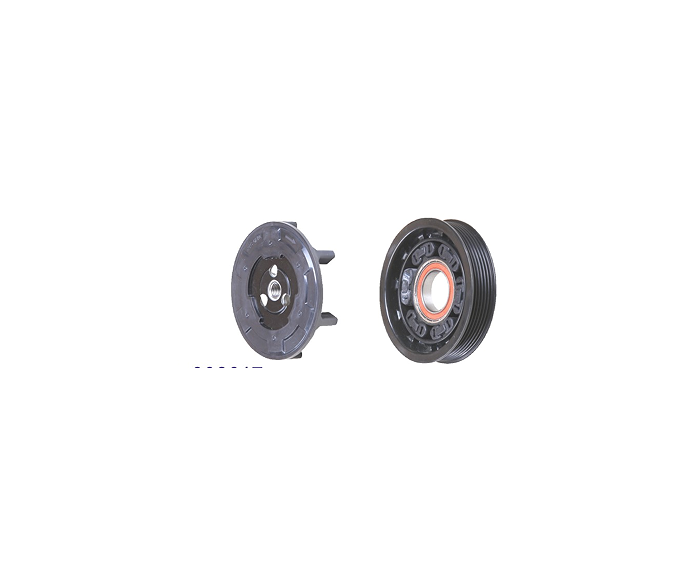
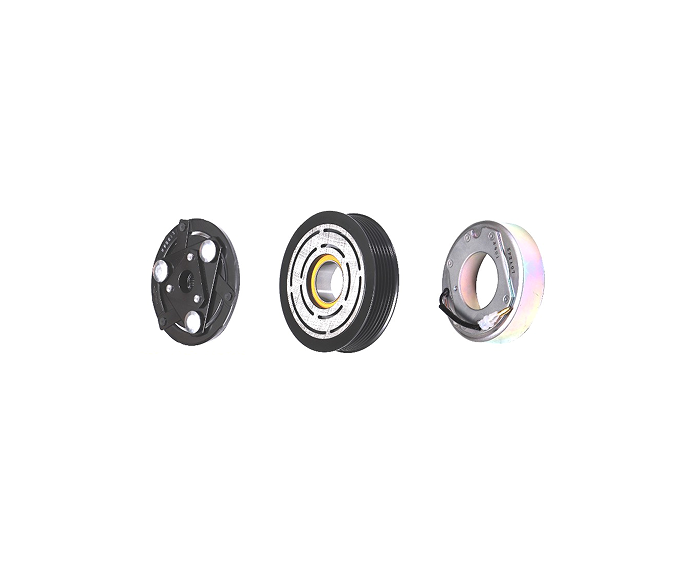
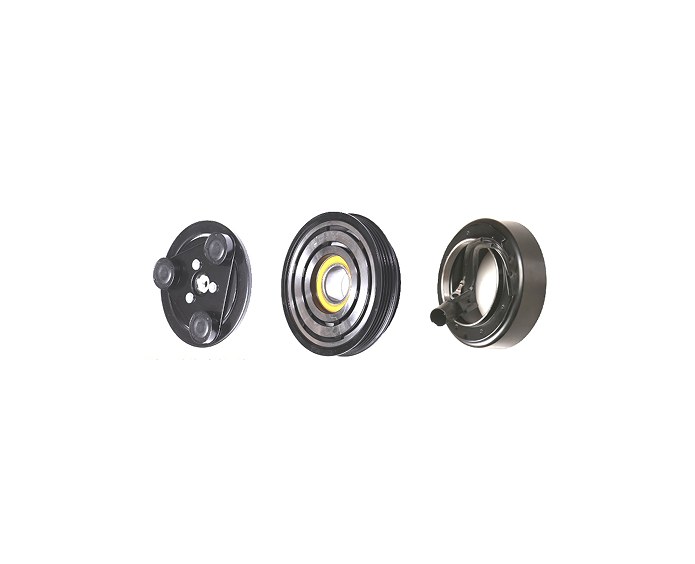
- Intake Process: The engine crankshaft drives the compressor via a pulley (shown as the black pulley on the left side of the image). As the compressor piston moves downward, the cylinder volume increases and the internal pressure decreases. Low-pressure gaseous refrigerant (e.g., R134a), which has absorbed heat and evaporated in the evaporator, is drawn into the cylinder.
- Compression process: As the piston moves upward, the cylinder volume decreases, the gaseous refrigerant is rapidly compressed, and its pressure and temperature rise sharply, turning into high-pressure, high-temperature gaseous refrigerant.
- During the exhaust process, when the pressure in the cylinder exceeds the condenser inlet pressure, the exhaust valve opens and the high-pressure gaseous refrigerant is discharged into the condenser, entering the subsequent heat dissipation, throttling, and evaporation processes to complete a refrigeration cycle.
Common types of automotive air-conditioning compressors include reciprocating (piston type) , rotary (such as vane type, rolling piston type) , scroll type, etc. Although different types of compressors have structural differences, their core principle is "compression and transportation".
Common faults and troubleshooting methods of automobile air-conditioning compressors
Fault: Insufficient cooling or no cooling
- Possible causes
- Internal wear of the compressor leads to reduced air tightness and reduced refrigerant compression efficiency.
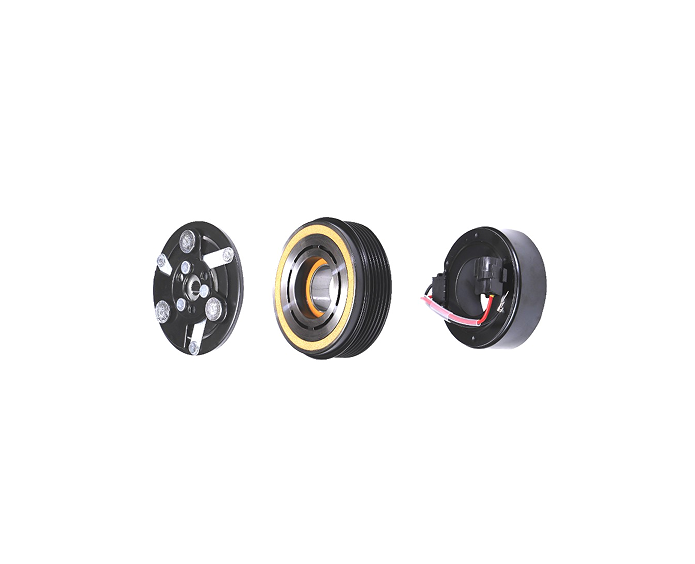
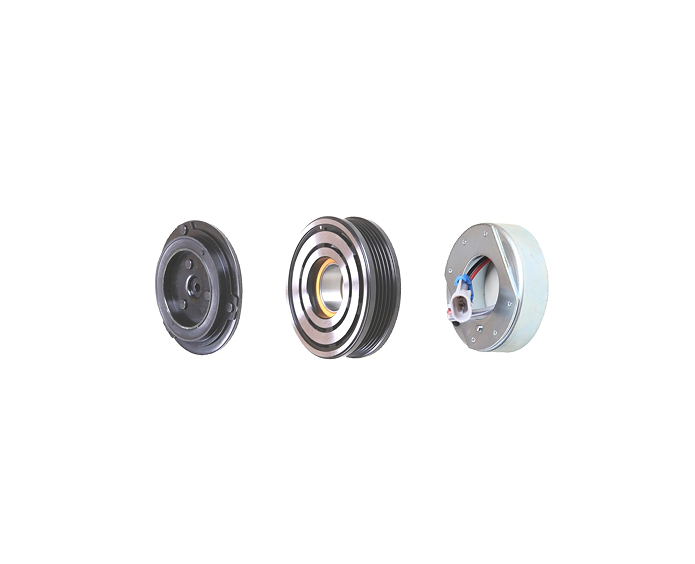
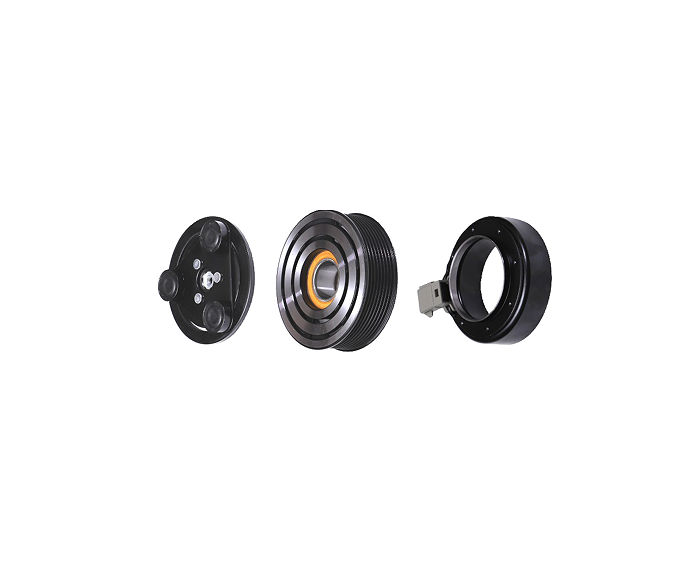
- Failure of the electromagnetic clutch (such as burnt coil, worn suction cup) can cause the compressor to not operate normally.
- Refrigerant leakage causes insufficient refrigerant in the system.
- Solution
- Check the compressor for tightness. If worn, replace the compressor assembly (make sure it meets OEM quality and performance standards).
- Test the electromagnetic clutch and replace any damaged clutch parts.
- Test the air conditioning system for leaks, repair leaks, and add the correct amount of refrigerant.
Fault: Abnormal noise from the compressor (such as sharp noise, metal friction sound)
- Possible causes
- Wear of bearings inside the compressor can cause noise during operation.
- The pulley bearing is damaged or the belt tension is abnormal.
- The piston, valve and other components inside the compressor are damaged.
- Solution
- Disassemble and inspect the compressor's internal bearings and replace any worn bearings.
- Adjust belt tension or replace damaged pulley.
- If internal components are severely damaged, replace the compressor.
Fault phenomenon: The compressor starts and stops frequently
- Possible causes
- Fault in the climate control system, such as a faulty pressure switch.
- Too much or too little refrigerant can cause abnormal system pressure.
- The compressor itself is faulty, such as an internal short circuit.
- Solution
- Test electronic components such as the air conditioner pressure switch and temperature control switch and replace faulty parts.
- Recheck and adjust the refrigerant charge.
- Check the compressor circuit and replace the compressor if necessary.
- By understanding how an automotive air conditioning compressor works, accurately troubleshooting it, and implementing the correct solution, both vehicle owners and auto repair professionals can effectively resolve air conditioning system problems and ensure a comfortable driving experience.