
Start With Fitment, Then Build the Wholesale Order
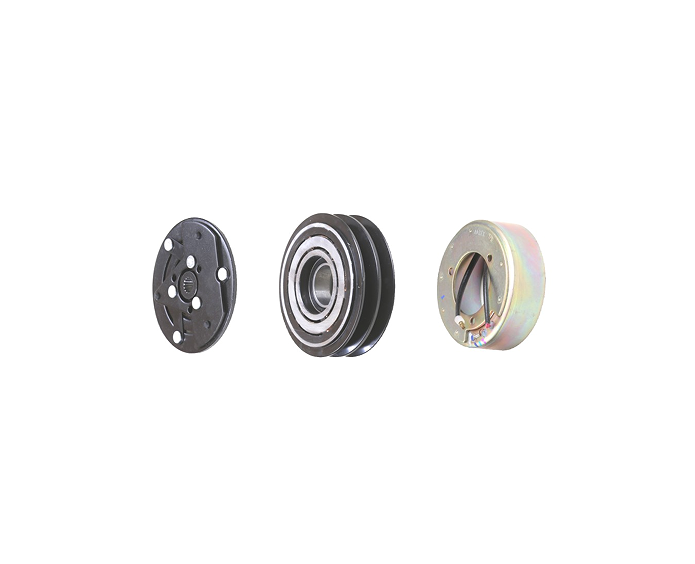
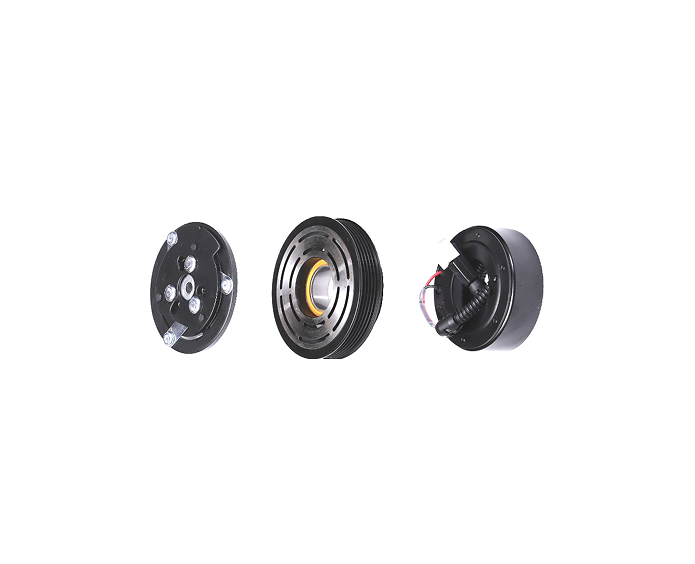
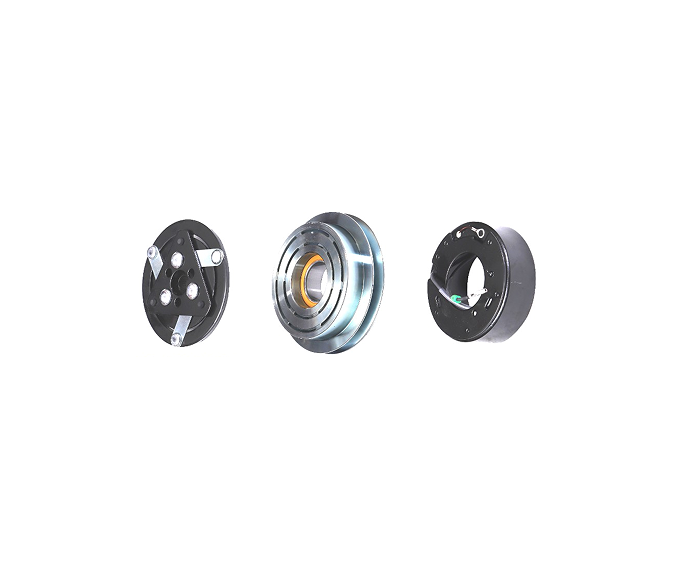
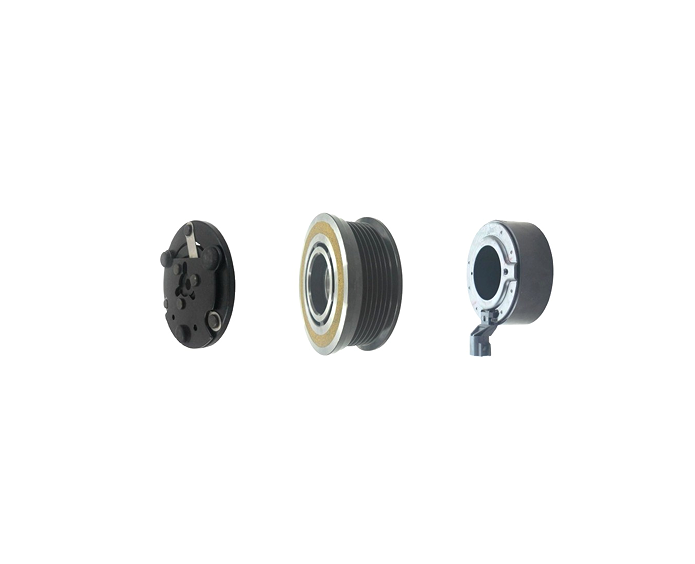
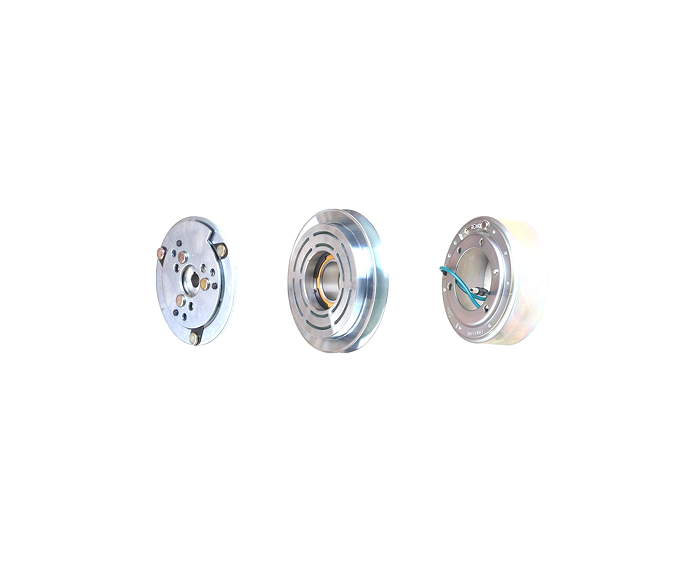
For AC compressor clutch wholesale, confirm the compressor application, clutch configuration, electrical specification and approved sample before negotiating the final quantity. A low unit price is useful only when the part can be correctly identified, sold and reordered. In a conventional electromagnetic clutch arrangement, the coil provides magnetic attraction, the pulley receives belt drive, and the engaged clutch transfers that drive to the compressor shaft. The bearing, hub and retaining components must suit the same assembly, as explained in KASEN’s guide to how an AC compressor clutch works. Start by defining whether the quotation covers a complete clutch set, a pulley-and-bearing assembly, a coil or another individual component; do not treat those descriptions as equivalent. The purchasing objective is a repeatable stock item with an agreed specification, not simply a carton of similar-looking parts.
Who Should Buy Clutches in Bulk—and When Not To
This AC compressor clutch wholesale guide is intended for importers, regional distributors, aftermarket brands, compressor repair businesses and workshop supply networks. These buyers need confirmed product references, consistent packaging and a workable replenishment plan. A clutch-only repair may be appropriate when the fault is limited to the clutch and the compressor remains serviceable, subject to application-specific diagnosis. Do not use this guide as a reason to order clutches for every no-cooling complaint or to assume that every compressor has a replaceable electromagnetic clutch. Have a qualified workshop establish the repair scope first. For one unidentified vehicle, resolve fitment through a sample or technical review before considering a bulk commitment.
Build the Stock Mix Around Actual Repair Demand
Organize AC compressor clutch wholesale purchasing around three inventory groups: established replacement references supported by sales history, trial references with confirmed samples but limited demand data, and special-order references requested for specific jobs. Use your own workshop enquiries, compressor numbers and previous sales rather than buying equal quantities across a broad vehicle-brand list. Passenger-car repair suppliers can prioritize the applications their workshops repeatedly request; bus or commercial-vehicle suppliers can plan around the exact compressors used by their fleet customers. Include long operating hours, hot-climate service, dust exposure or extended storage in the application brief when relevant, and ask what evidence supports those conditions. Do not turn an operating environment into an assumed product rating. Browse the KASEN compressor clutch range to create an initial reference list, then validate each item.
Confirm Fitment With a Written Specification Sheet
Use one specification record for each proposed stock keeping unit, or SKU. Connect the supplier reference to the compressor identity, dimensional drawing, sample photographs and intended application. A vehicle name is a starting point, not the complete approval record. When information conflicts, record the discrepancy and resolve it before releasing the order rather than selecting whichever reference looks closest. The following specification checklist is a purchasing template, not a universal set of dimensions or acceptance limits.
| Specification Item | Information to Confirm | What to Record for Repeat Orders |
|---|---|---|
| Product identity | Supplier code, OE reference and compressor model | Approved cross-reference and source |
| Vehicle application | Model, year, engine and market version where applicable | Confirmed application scope and exclusions |
| Supply configuration | Complete set or individual component; included hardware | Agreed component list and photographs |
| Electrical specification | Rated voltage, connector and coil requirements | Approved electrical data and connector image |
| Pulley geometry | Outside diameter, groove profile, groove count and offset | Dimensioned drawing or checked sample measurements |
| Bearing | Full designation, dimensions and relevant construction | Confirmed bearing specification |
| Hub and mounting | Shaft interface, attachment method and locating features | Mounting details and approved drawing |
| Assembly requirements | Applicable clearances, fasteners and installation information | Model-specific requirements, not generic values |
| Identification and packaging | Buyer SKU, supplier code, quantity and batch reference | Approved label and packaging revision |
Evaluate the Coil, Bearing, Pulley and Hub as a Set
Ask for component-specific information rather than accepting “premium materials” as a complete specification. For the coil, request the conductor and insulation specification, electrical limits and connector details applicable to the selected model. For the bearing, confirm its identification and required construction. For the pulley and hub, request material and surface-treatment information when these form part of your purchasing requirements. Agree which substitutions require approval, including changes to the bearing specification, coil construction or coating. An OEM AC compressor clutch enquiry should distinguish a mandatory requirement from a preference: a named component brand, for example, should not appear in the purchase specification unless both parties have agreed to supply it.
Check Workmanship Through Measurable Requirements
KASEN’s compressor clutch manufacturing overview discusses machining, coil winding, assembly and inspection. For wholesale purchasing, connect those process descriptions to the actual reference being quoted. Request the applicable drawing tolerances, inspection methods and acceptance criteria. For example, ask how pulley runout—the deviation measured as the pulley rotates—is assessed, how bearing installation is checked, and how coil electrical results are recorded. Include connector orientation, visible burrs, damaged threads and agreed surface condition in the sample review. Where assembled operating checks are required, define the equipment and conditions. A good-looking sample should begin the evaluation, not finish it.
Approve Samples and Define Batch Inspection
For AC compressor clutch wholesale orders, agree on a sample approval process before committing to production quantities. Have your technical team or qualified workshop check the sample against the specification, verify fitment and evaluate operation under appropriate conditions. Record the sample identifier, photographs, measured results, approval date and unresolved points. Then agree which checks apply to each production unit, which use batch sampling and which are separate validation tests; these are not interchangeable requirements. Ask for inspection records relevant to the actual order and define how the supplier should handle a nonconforming result. Where a certificate is required, review the complete document, named organization, covered activity and validity rather than relying on a logo. Sample approval should not replace batch inspection, and a general certificate should not replace product-specific evidence.
Clarify MOQ, Capacity and Delivery Milestones
Separate the minimum order quantity for each SKU from the total order quantity and any minimum for printed packaging. KASEN’s low-MOQ ordering guidance describes SKU-dependent arrangements, so request current conditions for your selected items instead of applying one advertised quantity to the whole catalogue. For mixed-model enquiries, ask whether order consolidation is available and whether every line has its own minimum. Request distinct timings for identification, sample preparation, approval, production, inspection and dispatch, with transit time stated separately. Ask what starts the quoted production period and whether all items can ship together. In an AC compressor clutch wholesale quotation, require an itemized delivery plan for the requested quantities; a factory-wide capacity figure does not specify when your particular order will be ready.
Compare Actual References Before Combining Inventory
The published fields for three KASEN references show why wholesale stock should not be grouped by vehicle brand or pulley diameter alone. The table below reproduces selected catalogue information; the vehicle names are application labels, not confirmation of every year, engine or compressor variant.
On the published data, KS-801009 and KS-801010 share a pulley diameter and bearing code but have different groove specifications. KS-801010 and KS-801011 both list 6PK, yet their pulley diameters and bearing codes differ. That comparison is enough to reject a “same diameter” or “same groove count” shortcut, but not enough to establish full fitment. Keep the bearing codes as published until complete specifications are confirmed, and do not fill the missing KS-801010 voltage by assumption. These references are separate catalogue examples, not interchangeable alternatives or a good-better-best product ranking.
Compare Total Cost, Not Just the Wholesale Price
Evaluate AC compressor clutch wholesale pricing against a common specification, component list, quantity and delivery basis. Ask whether the quoted amount includes the same hardware, inspection requirements and packaging; otherwise, a cheaper offer may simply cover a different supply configuration. For your own budgeting, consider product cost together with freight, agreed inspection, packaging, storage and the expected cost of handling returns. Do not invent a return percentage for a new supplier: use a clearly marked assumption or your own operating records. Also review how much cash the proposed stock mix would commit to untested references. A larger order with a lower unit price is not automatically preferable when the additional items have no established demand. Put warranty scope, claim evidence, transport responsibility and agreed remedies in writing before payment.
Separate OEM Product Changes From Private-Label Packaging
KASEN has focused on automotive air-conditioning parts since 2007 and invites custom-production discussions based on drawings or OEM numbers. Its product portfolio includes clutches, compressors, electric compressors, valves and bearings; the company background is available on the About KASEN page. For an AC compressor clutch wholesale project, separate branding requests from engineering changes. Packaging artwork, buyer SKU labels and carton information should be discussed and approved as packaging requirements. Changes to a pulley, hub, connector or coil specification require a separate technical review, sample plan and feasibility confirmation. Ask about development charges, tooling arrangements, drawing revisions and approval responsibilities where relevant. Do not assume that an existing replacement reference can be modified without further evaluation, or that catalogue availability establishes original-equipment approval for a particular vehicle brand.
Request an AC Compressor Clutch Wholesale Quote
Submit one enquiry line per proposed reference, including the supplier or OE number, compressor identification, available dimensions, voltage, photographs, quantity, destination market and packaging requirements. Add your target delivery window and indicate whether the request is for a sample, a trial order or repeat supply. Where a field is unknown, mark it as unconfirmed instead of guessing; clear photographs of the compressor label and old clutch can provide a starting point for investigation. Use the KASEN enquiry form to begin the quotation discussion. Before approving an order, ask for the matched reference, confirmed supply scope, outstanding technical questions, minimum quantity, sample arrangement and delivery conditions to be summarized together. Keep that approved record with your purchasing files.
AC Compressor Clutch Wholesale FAQ
1. How should I choose a wholesale AC compressor clutch supplier?
Compare suppliers on confirmed application matching, sample evaluation, inspection evidence, clear order conditions and repeat-order identification. Ask each supplier to quote the same specification and included components. Use the response to unresolved technical questions as part of your evaluation rather than choosing on unit price alone.
2. Can I order using only a vehicle make and model?
Use that information to start an enquiry, but request confirmation against the compressor reference, relevant vehicle details and clutch specification. Include the OE number, compressor label, old-part photographs and measurements when available. Keep any unresolved application detail outside the approved bulk-order record.
3. What minimum quantity should I expect?
Request the minimum for each product reference, the combined order and any customized packaging separately. Do not assume a quantity quoted for one item applies to another. For a new programme, ask whether a sample or trial quantity can be evaluated before committing to replenishment stock.
4. Can different clutch models be combined in one order?
Ask KASEN to evaluate the proposed reference list and quantity breakdown. Confirm minimums, readiness dates, carton separation and identification for each item. Treat mixed-model consolidation as an agreed order arrangement, not as evidence that different references share specifications or can be substituted.
5. Should I purchase complete clutch sets or separate parts?
Base the decision on the confirmed repair requirement and your customers’ installation capabilities. For complete sets, verify the exact included components and hardware. For individual coils, bearings, pulleys or hubs, approve the component-to-assembly match rather than assuming parts can be combined across similar references.
6. What should a sample approval record contain?
Record the supplier reference, sample identifier, drawing revision, photographs, measured specifications, fitment findings and applicable functional results. Include the approver and approval date, and list any conditions that remain open. Reference the same record when confirming production and reviewing repeat orders.
7. How should private-label requirements be submitted?
Provide the proposed brand artwork, buyer SKU, barcode data, language, carton information and packaging format. Ask which elements are available for the chosen product and order quantity. Approve the packaging proof separately from the technical sample so neither approval is mistaken for the other.
8. How can I obtain a dependable delivery estimate?
Send a complete reference list, quantities and packaging requirements, then ask for milestone dates and the event that starts each period. Distinguish sample timing, production completion, inspection, dispatch and transit. Confirm whether one delayed item would hold the entire shipment or allow an agreed partial dispatch.
9. What information should be retained for a return claim?
Keep the order and batch references, product and label photographs, installation details, fault description and available inspection results. Agree on the claim process before shipment, including evidence requirements and return authorization. Do not dispose of disputed parts before the parties have agreed how to assess them.
10. How can distributors reduce identification errors on reorders?
Reorder against the approved buyer SKU, supplier reference, specification revision and packaging record—not only a vehicle nickname or an old photograph. Ask the supplier to identify proposed changes before shipment. Review product, inner-box and outer-carton markings against the same approved information during receiving inspection.
Conclusion
AC compressor clutch wholesale works best as a controlled purchasing process: identify the application, confirm the specification, approve the sample, agree on inspection and packaging, then replenish against the same records. Start with references supported by your customers’ demand and expand the range through documented trials rather than appearance-based assumptions. The useful question is not simply “What is the lowest price?” but “What exactly will arrive, how will we verify it, and how will we order it again?” Contact KASEN with your reference list, quantities and target market to discuss the next step.