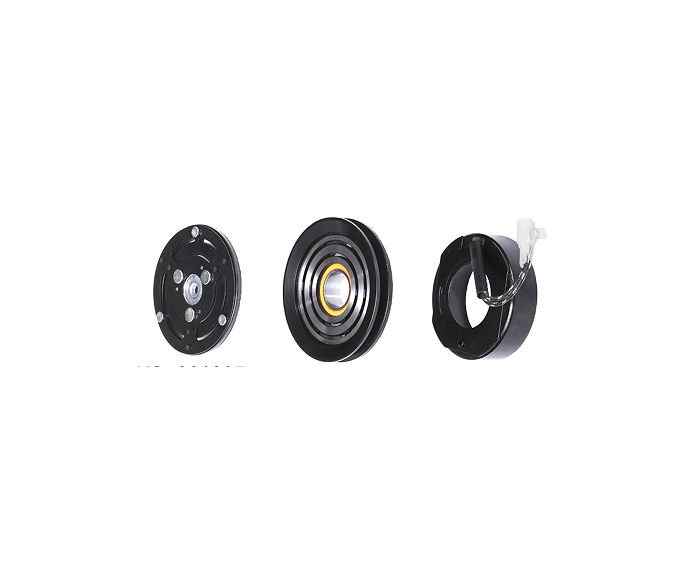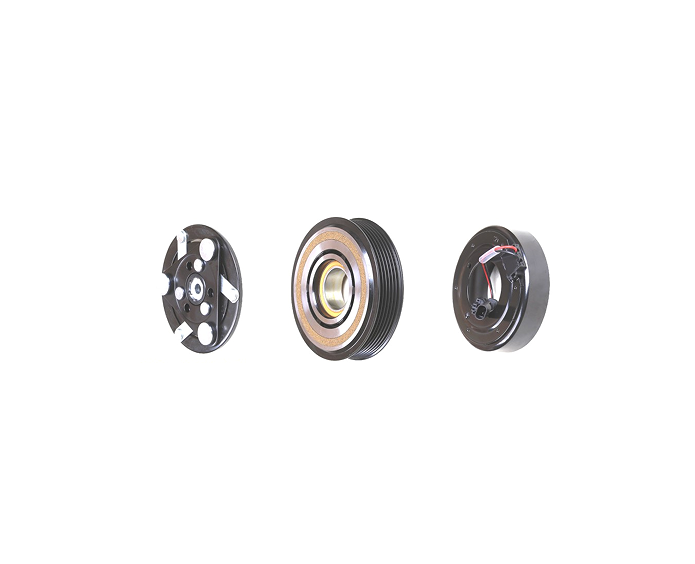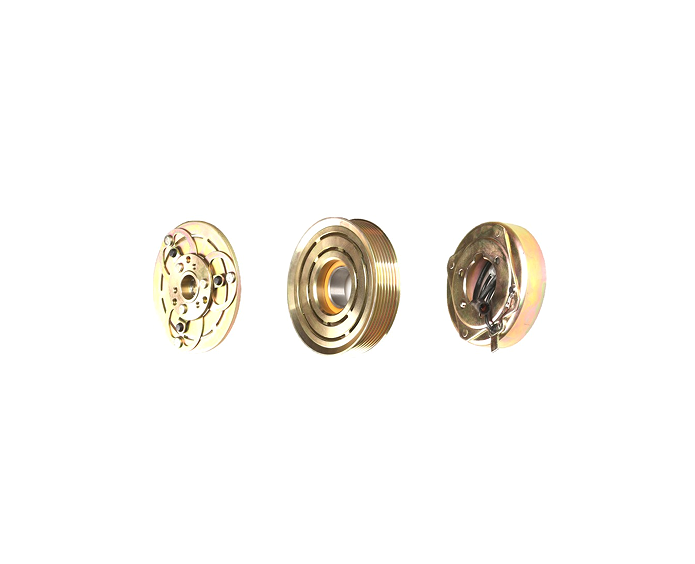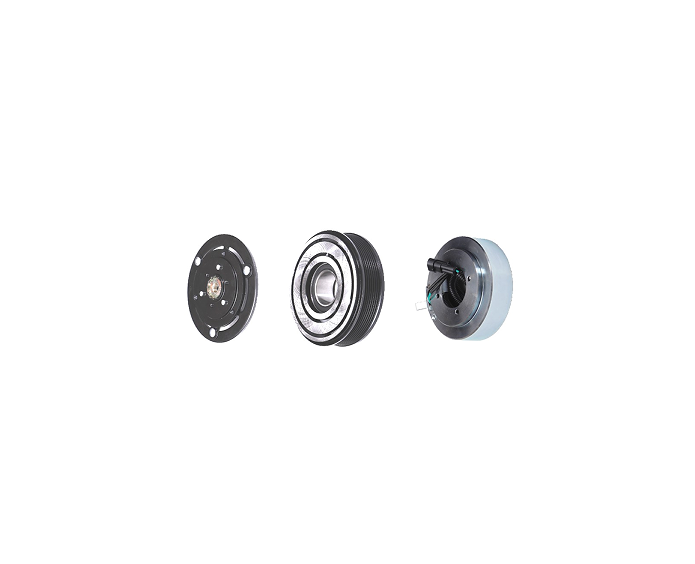

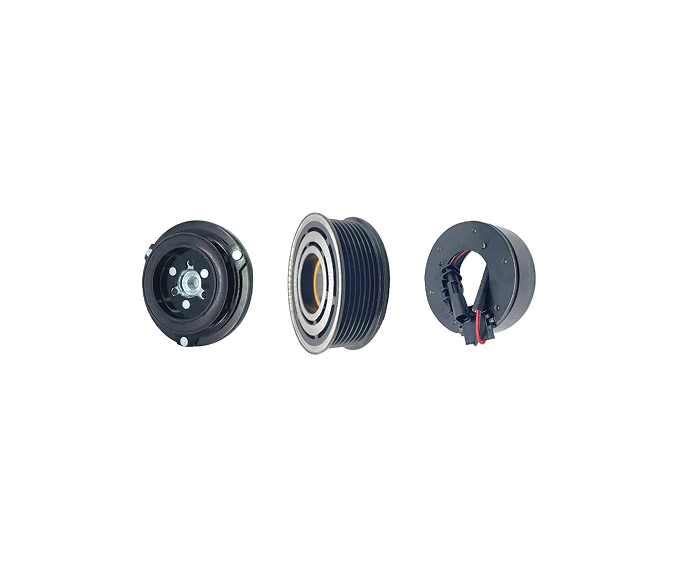
Automotive Air Conditioner Clutch for High Mileage Vehicles
Mileage Accumulation Changes Failure Timing
Vehicle age often receives attention. Mileage tells a different story.
Two cars built in the same year may experience radically different mechanical wear depending on usage intensity. High-mileage vehicles — especially taxis, ride-hailing fleets, logistics vans, and regional transport vehicles — compress mechanical life cycles.
For the automotive air conditioner clutch, accumulated engagement cycles matter more than calendar age.
More miles equal more activations.
More activations equal more wear.
Replacement timing accelerates.
Engagement Cycle Density Drives Component Fatigue
Each A/C clutch activation introduces:
- Electromagnetic coil heating
- Friction surface contact stress
- Bearing load rotation
- Belt tension variation
In high-mileage vehicles operating 8–12 hours daily, engagement frequency multiplies rapidly.
While private vehicles may accumulate 15,000 km per year, fleet vehicles often exceed 40,000–80,000 km annually.
The automotive air conditioner clutch in these applications reaches fatigue thresholds significantly earlier.
Usage density reshapes durability expectations.
Commercial Fleet Dynamics Accelerate Turnover
Fleet operators rarely delay cooling system repairs. Cabin comfort affects driver performance and customer experience.
In ride-sharing and delivery platforms:
- A/C runtime is near continuous
- Stop-and-go driving increases clutch cycling
- Urban traffic raises under-hood temperatures
Under such conditions, the automotive air conditioner clutch becomes a predictable replacement item within fleet maintenance schedules.
High mileage compresses service intervals.
High Mileage vs Aging Vehicle: A Structural Distinction
Aging fleet analysis focuses on calendar years. High mileage analysis focuses on operational stress.
The two do not always overlap.
A 5-year-old taxi may exhibit higher wear than a 12-year-old privately used sedan.
The automotive air conditioner clutch replacement curve in high-mileage segments is driven by cumulative operational hours rather than simple vehicle age.
Mileage introduces a second demand axis.
Regional Impact of High Utilization Vehicles
Certain regions amplify high-mileage influence:
- Emerging economies with shared transport density
- Urban megacities with ride-hailing saturation
- Logistics-driven markets with expanding e-commerce
In these markets, the automotive air conditioner clutch aftermarket shows stronger frequency-based turnover rather than age-based cycles.
Commercial vehicle penetration drives structural replacement density.
Thermal Load Interaction with Mileage
High mileage often coincides with heat-intensive operation:
- Continuous idling
- Heavy traffic congestion
- Frequent short-distance trips
Thermal cycling increases mechanical strain.
The automotive air conditioner clutch in high-mileage vehicles must withstand not just rotation cycles, but compounded heat exposure.
Wear becomes cumulative and accelerated.
Aftermarket Planning Implications
Distributors targeting high-mileage vehicle segments should consider:
- Fleet concentration mapping
- Ride-hailing penetration analysis
- Delivery network density
- Model-specific durability history
The automotive air conditioner clutch category in fleet-dense cities may experience significantly shorter restocking cycles compared to suburban private vehicle markets.
Inventory turnover patterns shift accordingly.
Maintenance Economics Favor Predictable Replacement
Fleet operators prefer predictable maintenance over reactive breakdowns.
Scheduled preventive replacement reduces downtime risk.
In high-mileage contexts, the automotive air conditioner clutch often transitions from reactive replacement to proactive fleet servicing strategy.
Predictability increases volume stability.
Long-Term Structural Growth Driver
Global vehicle usage intensity is rising:
- Urban delivery growth
- Expanding mobility services
- Longer vehicle retention
- Slower fleet renewal in cost-sensitive markets
High mileage is not a temporary phenomenon. It reflects broader mobility trends.
The automotive air conditioner clutch replacement market strengthens as operational hours per vehicle increase globally.
Mileage accumulation creates durable aftermarket momentum.
Strategic Positioning in High-Mileage Markets
Manufacturers and distributors aligning with high-utilization segments benefit from:
- Stronger reorder frequency
- More predictable demand curves
- Lower seasonality impact
- Concentrated customer clusters
Understanding mileage distribution is as critical as understanding fleet age.
If you are planning expansion in fleet-dense regions or high-usage vehicle segments within the automotive air conditioner clutch market, explore our full product portfolio at
👉 https://www.gzkasen.com/
For cooperation discussions and structured supply planning, contact us directly at
👉 https://www.gzkasen.com/contact-us
Mileage compresses lifecycle.
Lifecycle compression drives replacement growth.